
 Worksheets
EDW: 8th Grade: World Geo: EV: Test 2: The Physical World
Total questions: 114
Worksheet time: 1hrs 2mins
The ____ is part of a system of objects that revolve around the sun.
Earth
The _____ is a medium sized star at the edge of the Milky way galaxy.
There are ______ known planets in our solar system.
The first four are the _____ planets?
outer
inner
Name the four inner planets in order.
The last four planets are also called the _______ planets?
List the four outer planets in order?

Inner planets are also known as...
terrestrial planets
alien planets
hot planets
gas giants
What are the outer 4 planets of our Solar System known as?
Small Planets
The Solid 4
Liquid Planets
Gas Giants

What separates the inner and outer planets?
The asteroid belt/frost line
Earth is the _____ planet from the sun, and is the only _______ planet in the sun's solar system.
The Earth is about ______ miles from the Sun, and is about _________ miles in diameter at the Equator.
93 million miles, 8,000 miles
The Earth is a little smaller in diameter from ______ to ______?
The Earth rotates every _________, and revolves around the sun in _______. That why we have a leap year every 4 years.
24 hours, 365.25 days
Besides the Sun and planets our solar system also includes other things. List the three we talked about.
asteroids
comets
meteriods
A ______ is an icy spheres orbiting the sun; our solar system is occasionally visited by them; look like bright balls with long feathery tails
asteroids
planets
meteors
comets
A _______ is a large chunks of rocky material orbiting the sun; most are located between Mars and Jupiter (in the belt)
planets
moons
asteroids
comets
_______ are pieces of space debris (trash);
Meteroites
Comets
Asteroid
Meteoroids
If pieces of space debris(trash) also known as meteoroids enters a planets atmosphere they become _________; most will burn up due to friction of the atmosphere
If pieces of space debris(trash) also known as meteoroids enters a planets atmosphere they become meteors; most will burn up due to friction of the atmosphere, but if they survive and hit the Earth they are called ________?
What are the four layers of the Earth?
the center of the earth; about 4000 mile below the Earth's surface; about 8000o F; solid and thought to be made of iron and nickel
about 3,000 miles below the Earth's surface: about 6800o F; liquid iron and nickel
about 1,800 miles below the Earth's surface; made up of hot dense rocks that heats and rises, cools and sinks and repeats; 80% of the heat generated by the Earth comes from its interior; this is where volcanoes come from
about 45 miles deep with temperatures at lower depth rising to 1,800o F; consists of hug slabs of rocks called plates that float on the mantle
theory that Earth was once a supercontinent but "Pangea" split into several plates and slowly drifted apart
Plates drift around and changed the Earth's surface(like corn flakes); their movements created mountains, volcanoes, and earthquakes
contential drift
plate tectonics
destructive forces
coastal inland plans
Earth's layers and its gaseous atmosphere all work to make most of the world ________ (liveable). It is a feature of Earth that distinguishes it from other planets in our solar system.
a global ecosystem composed of living organism and nonliving factors of the earth from which they derive energy and nutrients which make life possible; the areas of the Earth possessing life such as plants and animals
also known as the troposphere: layer of gasses surrounding the earth; approximately 78% nitrogen and 21% oxygen, it protects Earth from the suns radiation and space debris; its the medium for weather and climate
Atmosphere
The atmosphere protects Earth from the suns ________
The ___________ (geosphere): the solid rock portion of Earth's surface; 30% of the surface of the Earth is covered land, mostly as our 7 continents; also contains the ocean floor.
lithosphere
Ocean floor is also part of the _________?
Lithosphere
Water elements on Earth is including atmospheric water (water vapor); 70% of the surface of Earth is cover by water; 97% of that water is in our 5 oceans, seas, and gulfs; of all the water on Earth only 3% is freshwater.
biosphere
lithosphere
atmosphere
hydrosphere
what percentage of water on earth is freshwater
3%
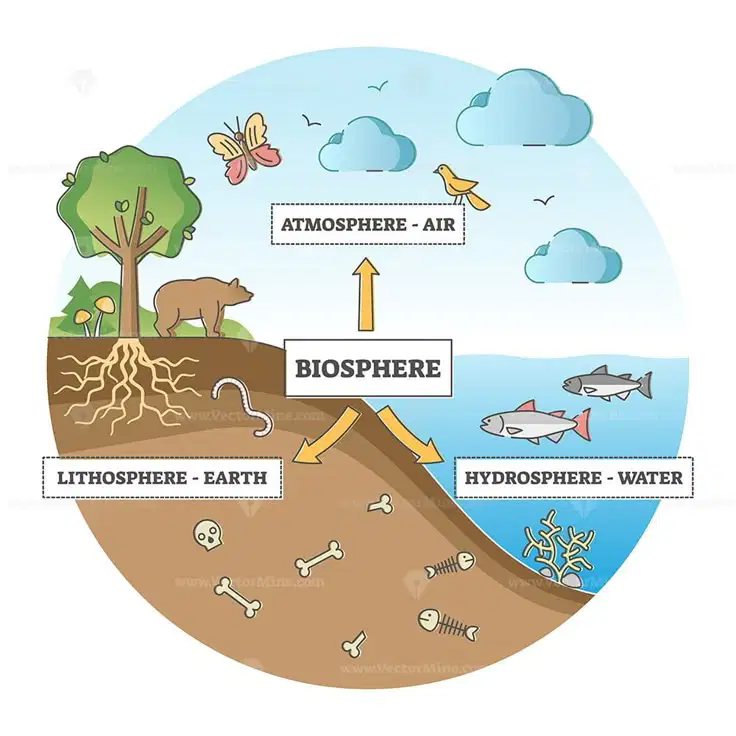
A possible question on the test maybe to draw and label the biosphere. Remember the biosphere is composed of living and non living factors.
(your drawing should look similar to this)
The geography and structure of the Earth are continually being changed by internal forces, like plate tectonics, and external forces, like weathering.
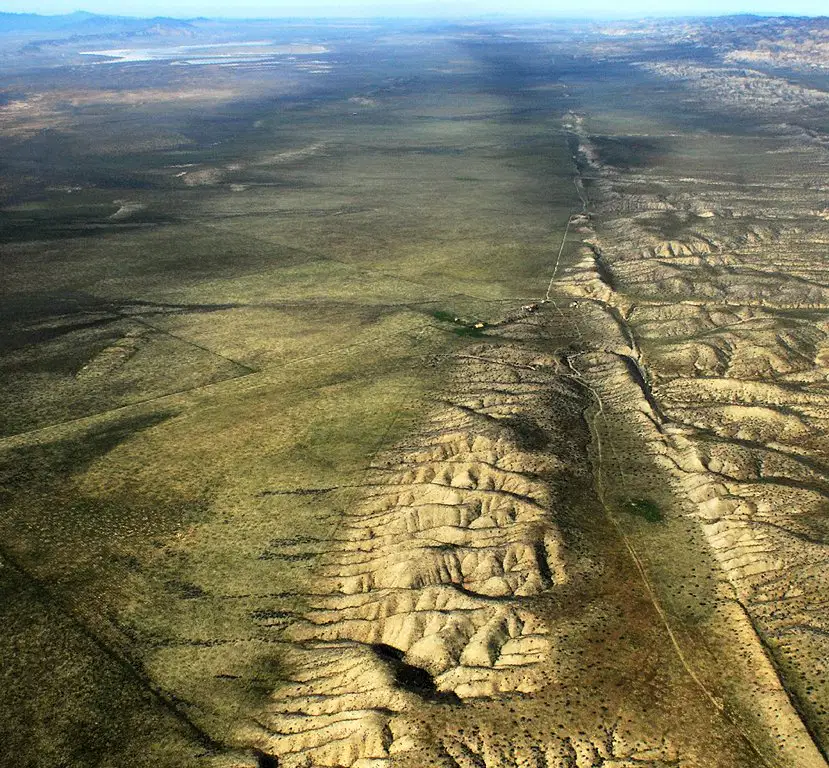
as plates move they sometimes squeeze the Earth's surface until it buckles
folds
faults
shifts
earthquakes

plates may also slide past each other, creating creaks in the Earth's surface. This occurs when the surface can't bend anymore.
folds
faults
wind erosion
volcanoes
a sudden violent movement of the Earth's plates along a fault line
an under earthquake can cause a large wave called a _______
mountains that are formed by lave or magma that breaks through Earth's crust
hot fluid or semifluid material below the surface of the Earth
hot fluid or semifluid material that breaks through the Earth's surface

the most active area of volcanoes and earthquakes; home of over 450 volcanoes and 90% of the earthquakes
large masses of rocks are physically broken down into smaller pieces.
changes the chemical make up of rocks;
example: rainwater containing CO2 that seeps into the Earth can dissolve limestone, creating caves
wind rips the soil away due to the lack of plants that serve as protective cover
example: dust bowl of 1930-1936
coastal erosion
physical erosion
chemical erosion
Wind erosion
water cuts away the soil due to water runoff and tidal flow; over time it can create coastal loss, gullies, valleys and canyons
wind erosion
Water erosion
glacial erosion
this erosion created the Grand Canyon
Water Erosion
Glacial Erosion
Wind Erosion
ice cuts away large portions of soil and rock as it moves, because it is so heavy.
Glacial erosion
Water erosion
Wind erosion
this type of erosion created the great lakes
Water erosion
Glacial erosion
Wind erosion
Three main types of erosion?
Biological erosion, Chemical erosion, Physical erosion
Water erosion, Wind erosion, Glacial erosion
Chemical erosion, Water, erosion, Coaster erosion
Soil erosion, Sun erosion, Earth erosion
large landmasses; 7 on earth,
Why is Europe and Asia not considered one continent?
Europe and Asia are culturally so different
the largest continent
elevated land with steep side, 1000 ft or higher

low land between hills or mountains

elevated flat land with at least one steep side

various shaped flat topped elevations (looks lie a flat top mountain)
Mesa

similar to a mesa, but smaller
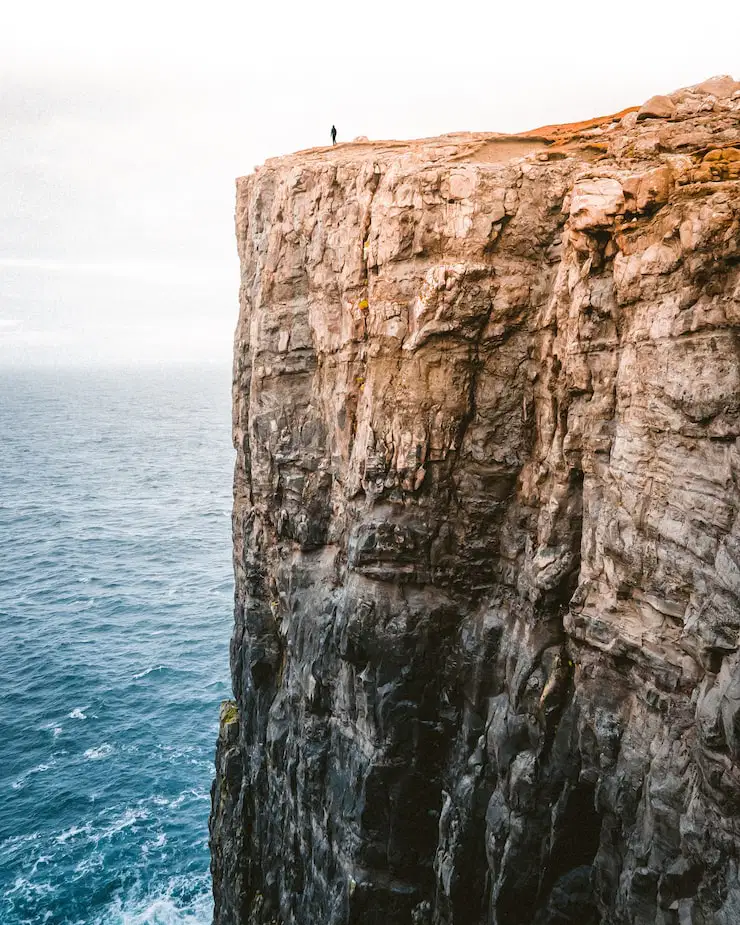
steep high wall of rock, earth, or ice

similar to a cliff, but with rounded edges
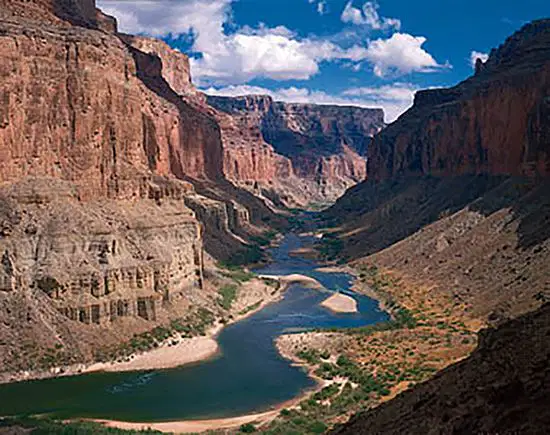
similar to a valley, but with steep sides
a large area of fairly level land at low elevation that is often covered by grasses
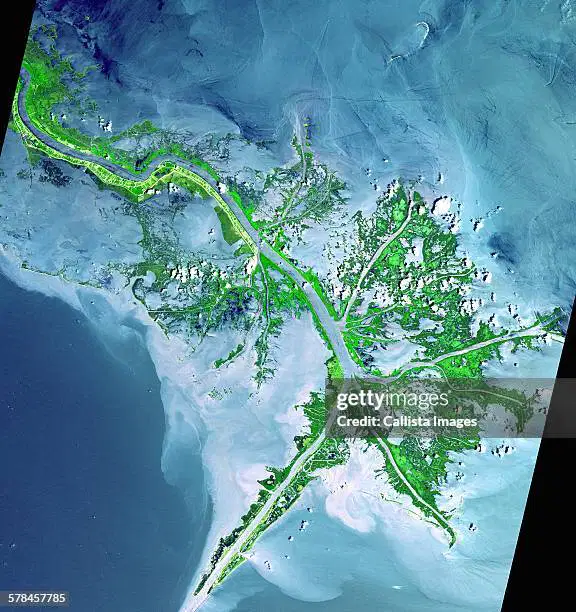
flat land that is built up by soil carried by a river and deposited at its mouth. (shaped like a triangle)

stretch of high land that separates river systems
divide
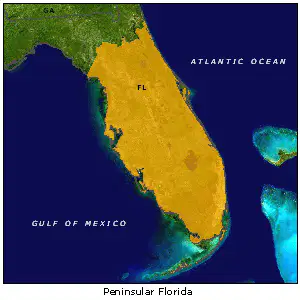
area of land surrounded by water on 3 sides
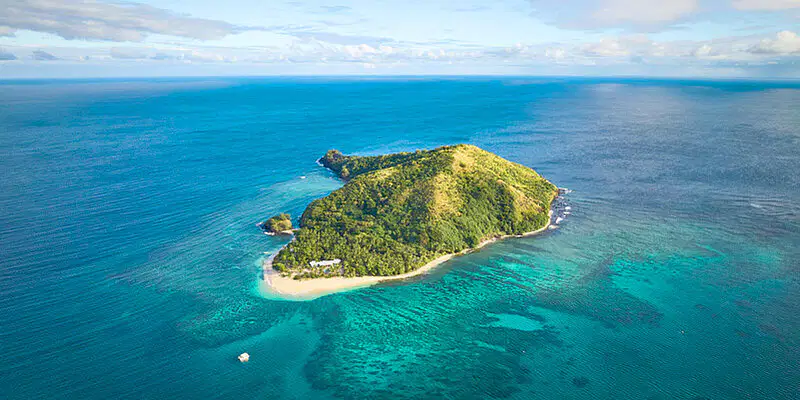
body of land surrounded by water
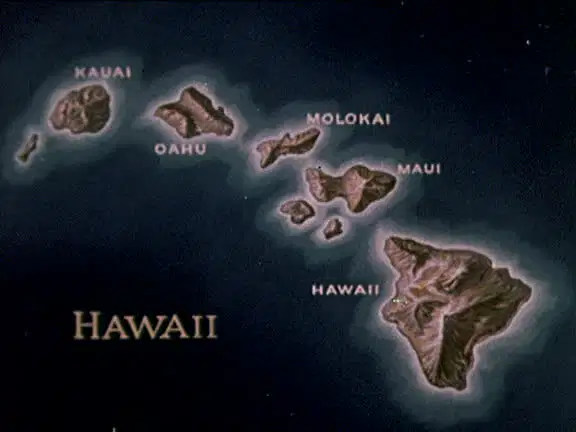
a chain of island (Hawaiian islands)
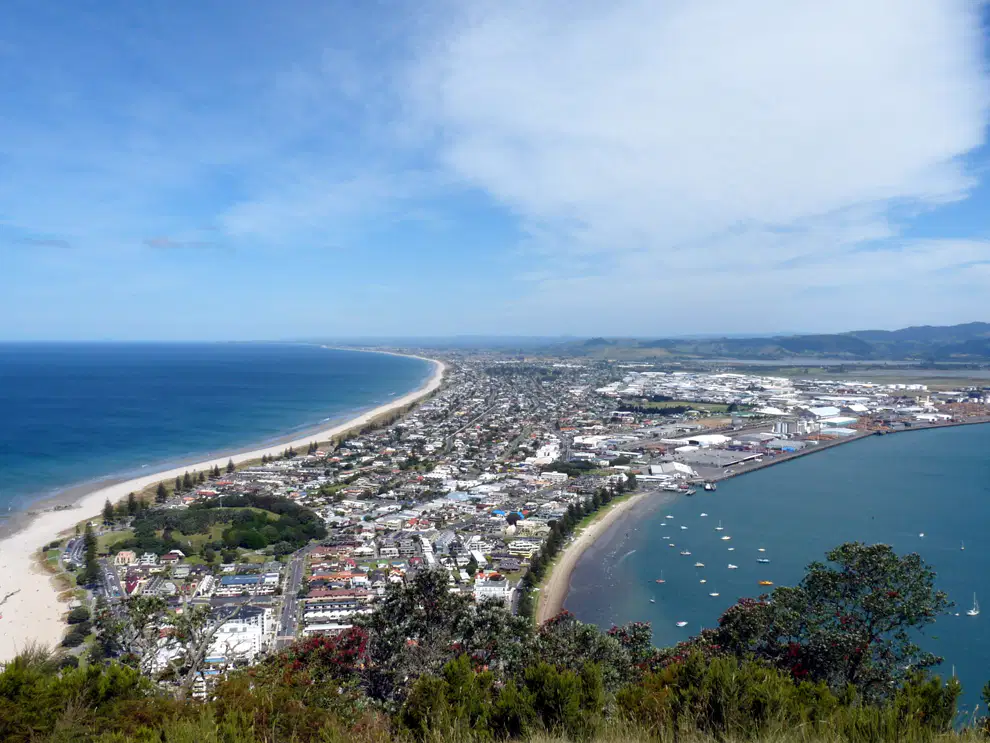
a narrow strip of land that connects 2 larger bodies of water
an underwater extension of the coastal plain
a steep drop off to the ocean's depths. its like an underwater cliff
continental slope
it's like the bottom of a bathtub; however, it has mountains valleys and even volcanoes
What is the definition of sea level?
What is the highest point on Earth and how high is it?
What is the lowest point on Earth?
Mariana Trench
What is the lowest dry land point on the earth. How low is it?
water turns into a vapor
tiny water droplets gather in clouds
Condensation
Water
Atmosphere
Clouds
the moisture released from clouds when they have more moisture than they can handle; this could be rain, sleet, snow, or hail
made up of freshwater from snow melt, rain, and seepage from lakes and rivers
Ground water is fresh water
What is the most important function of the water cycle?
To remove salt from water, so life, including us can exist.
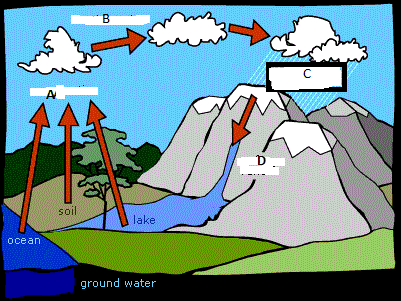
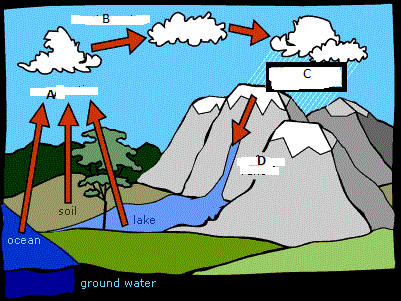
Does more water evaporate from the land or from the ocean?
How does precipitation falling on the land reach the ocean?
a major body of salt water that surrounds the Earth. There are 5 on these on planet Earth
Seas
Oceans
Rivers
Lakes
name the largest ocean on earth
_____% of the Earth's surface is covered by water
70%
____% of Earth's water is salt water. This water is non-potable ( non-drinkable) and is unsuited for agriculture and manufacturing.
is the process humans are able to remove salt from saltwater.
____% of Earth's freshwater is frozen, in glaciers, icebergs and the ice caps
7%
10%
5%
2%
____% of Earth's freshwater is underground or in lakes, rivers, streams, bayou's and swamps
1
2
3
4
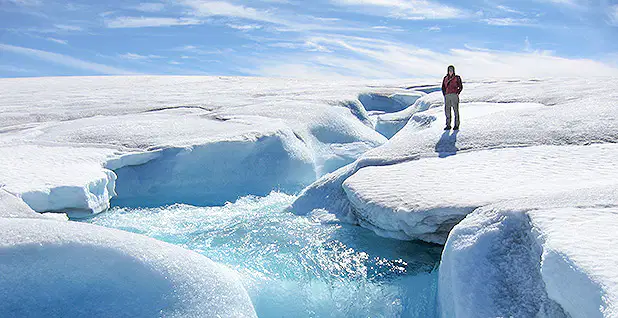
mass of ice that covers a large area
ice cap
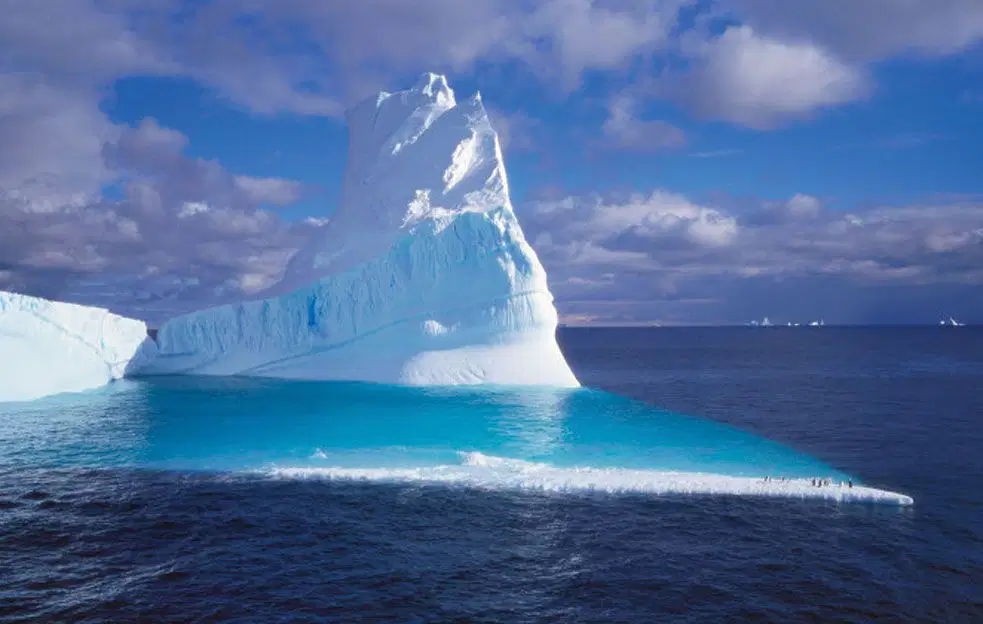
large piece of floating ice

a slow moving river of ice
a large body of salt water partially surround by land
sea
gulf
a large body of salt water that extends into a shoreline
gulf
ocean
sea
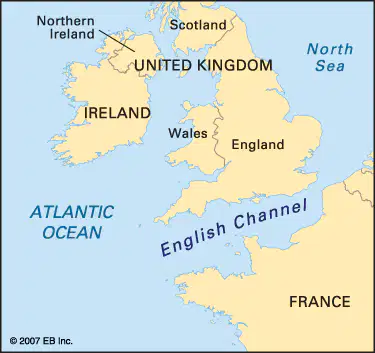
wide body of water between two land masses that are close to each other
channel

a narrow area of water that joins two large bodies of water

a parking lot for boats and ships
ocean
gulf
sea

large stream of natural fresh water that run through the land
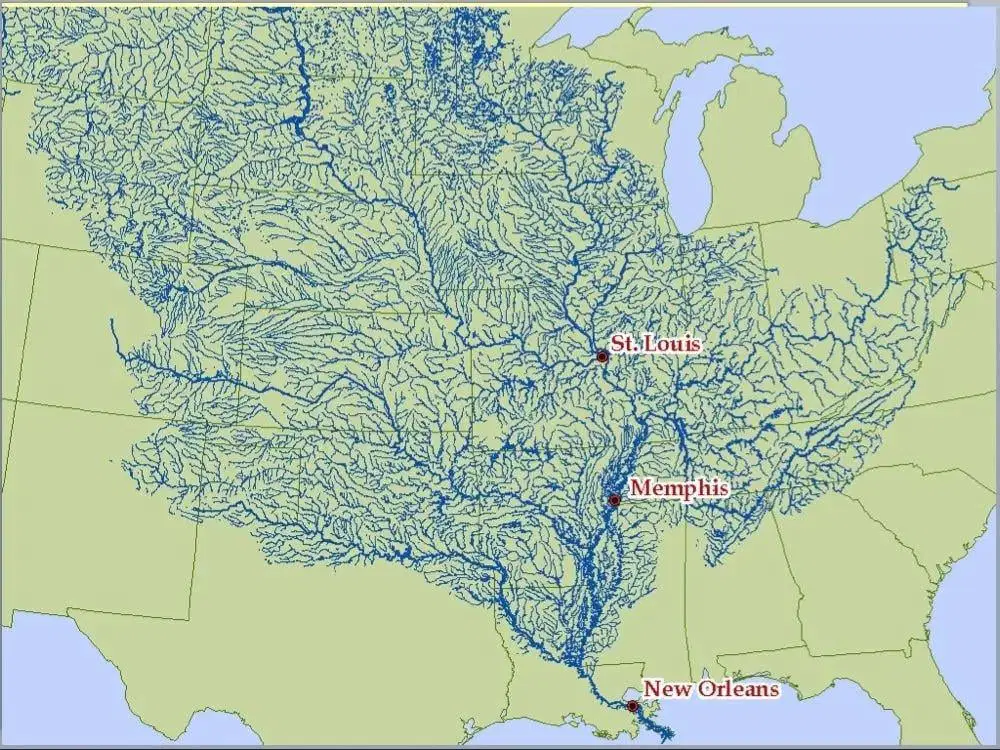
small river or stream that runs into a larger river or stream
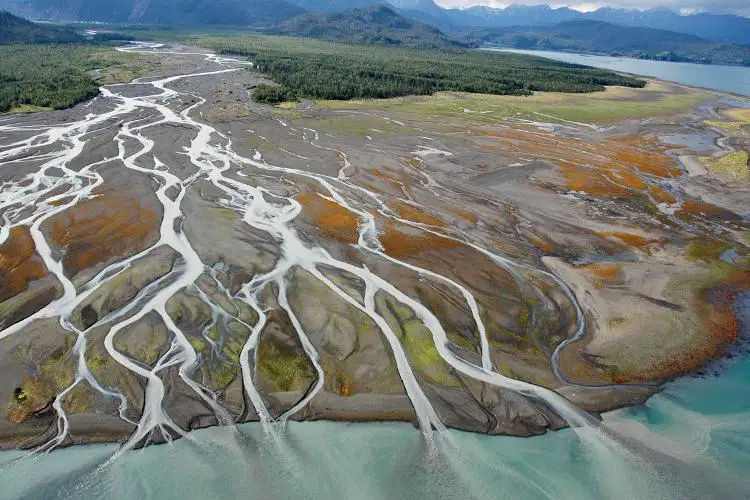
mouth of a river where it empties into salt water
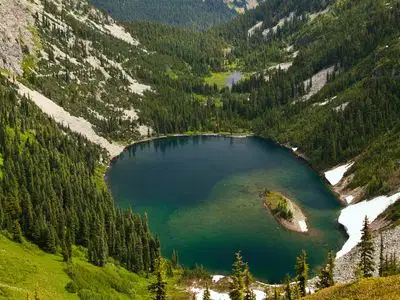
large inland landlocked body of water

a low lying area of land where water collect
swamp
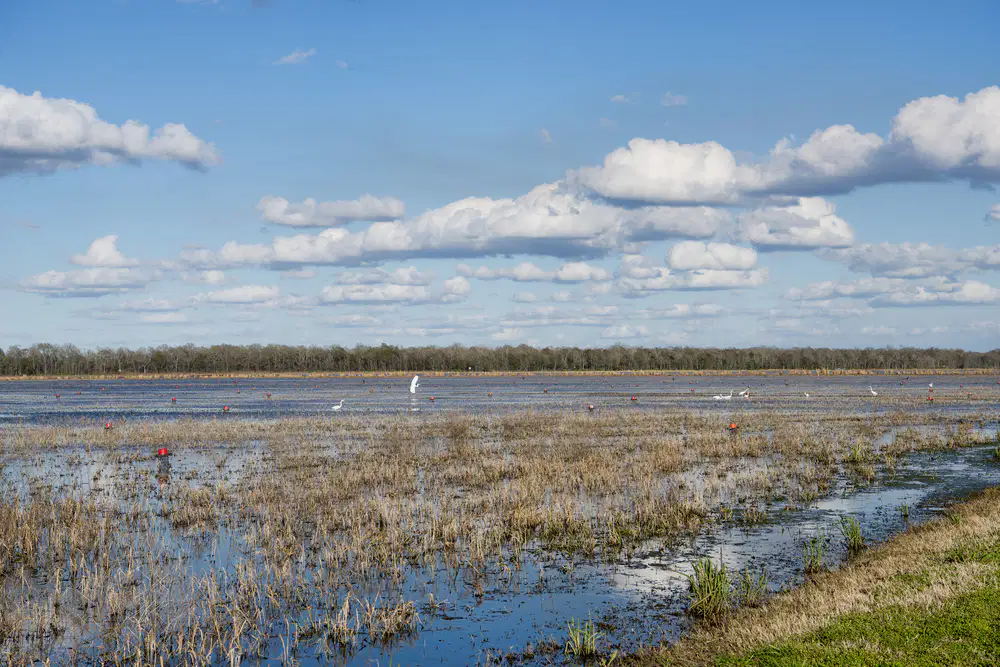
small inland body of water
What is an aquifer?
Is Lake Pontchartrain really a lake?
What happens if you consume too much salt water?