
 Worksheets
Cell Energy and Enzymes
Total questions: 46
Worksheet time: 59mins
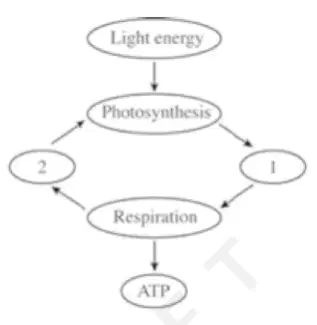
The flow of energy and materials during the production of ATP is shown in the diagram below.
What kind of energy transformation occurs during the process of photosynthesis?
Light energy is converted into chemical energy.
Chemical energy is converted into light energy.
Light energy is converted into mechanical energy.
Light energy is converted into electrical energy.
What is the green pigment responsible for capturing the light energy used by photosynthesis?
Carotene
Xanthophyll
Anthocyanin
Chlorophyll
Why do plants appear green to us?
They don't have any other colors other than green
They absorb green light
They reflect green light
Only our eyes can see green.
Which of the following are used in the overall reactions for photosynthesis?
Carbon dioxide
Water
Light
All are correct
Cramps during exercise are caused by:
alcohol fermentation
glycolysis
lactic acid fermentation
Chemiosmosis
Which type of cells in a plant normally have the MOST chlorophyll?
Leaf Cells
Root Cells
Stem Cells
Petal Cells
In what cell structure does photosynthesis take place?
Nucleus
Ribosome
Chloroplast
Mitochondria
Which of the following statements is TRUE about photosynthesis?
All organisms undergo photosynthesis
ATP is one of the final products of photosynthesis
Photosynthesis transforms light energy into chemical energy
Photosynthesis is important because it uses excess oxygen in the atmosphere
Water is a product of cellular respiration.
True
False
In what cell structure does cellular respiration take place?
Nucleus
Ribosome
Chloroplast
Mitochondria
Which of the following is considered a waste product of cellular respiration?
ATP
Oxygen
Glucose
Carbon Dioxide
What chemical(s) below are the reactants for photosynthesis? Select all that apply.
H2O
Oxygen
CO2
C6H12O6
He
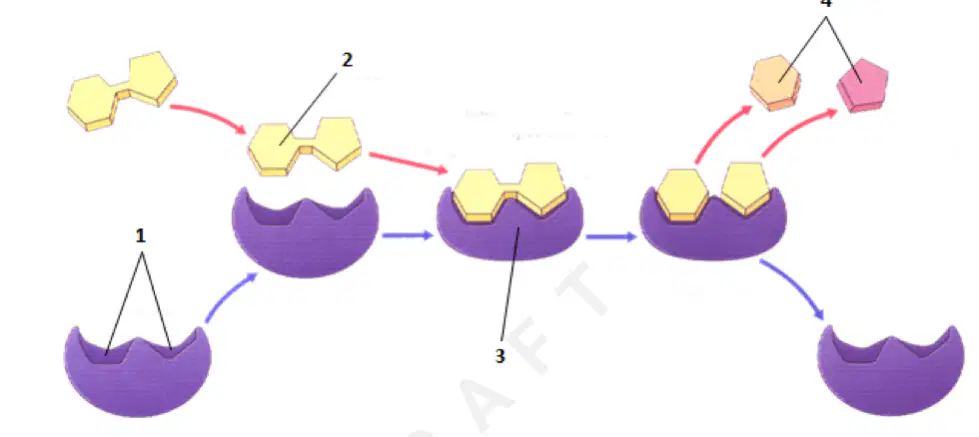
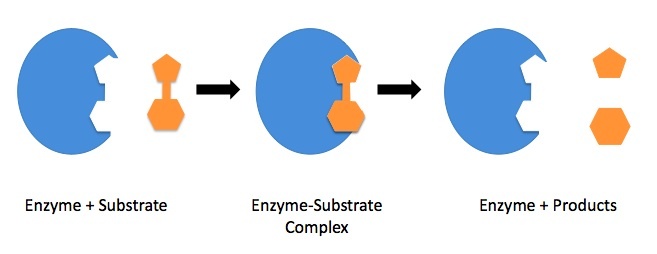
Using the diagram above, identify 1.
Products
Active Site
Substrate
Enzymes
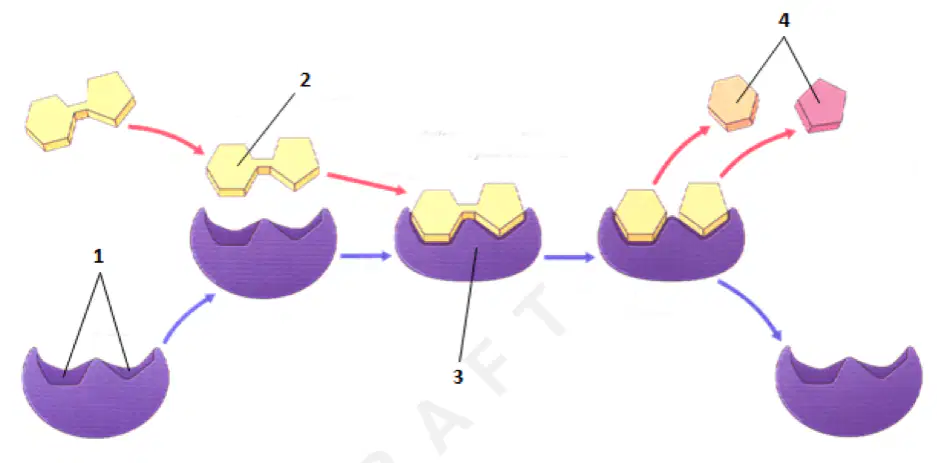
Using the diagram above, identify 2.
F. Products
G. Active Site
H. Substrate
J. Enzymes
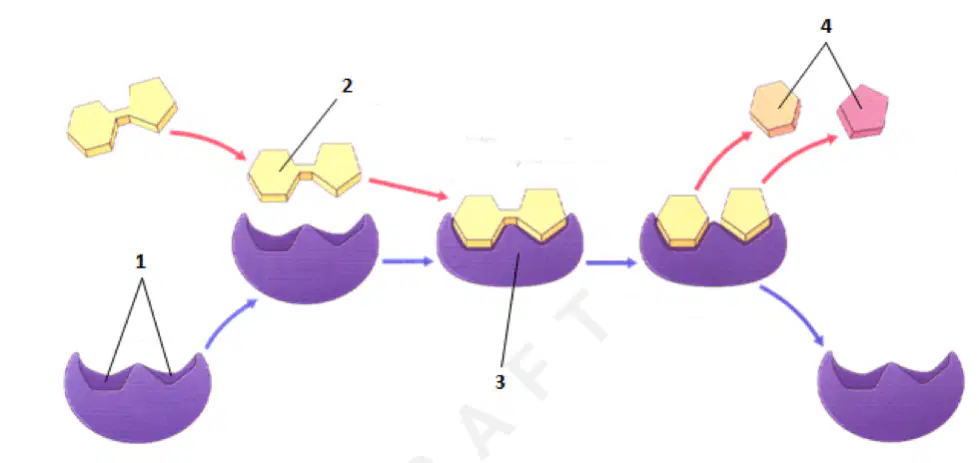
Using the diagram above, identify 3.
Products
Active Site
Substrate
Enzymes
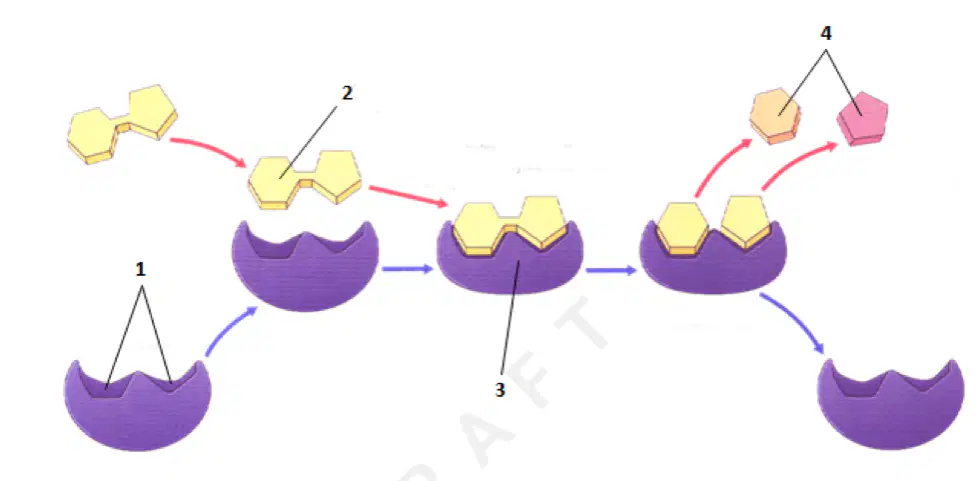
Using the diagram above, identify 4.
Products
Active Site
Substrate
Enzymes
What type of biomolecule are enzymes made of?
Carbohydrate
Lipid
Protein
Nucleic Acid
What happens to an enzyme when it is denatured?
Activation energy is raised
It loses its shape
It can catalyze more reactions
Activation energy is lowered
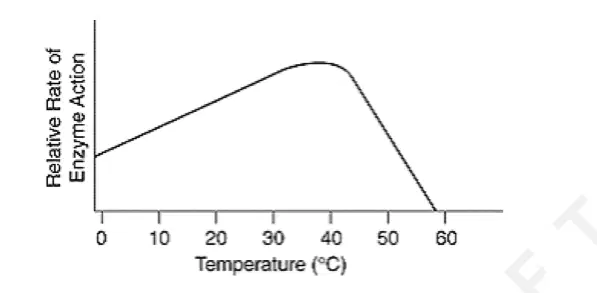
The optimum temperature for the action of this enzyme is approximately __.
15 degrees
22 degrees
37 degrees
50 degrees
The process of capturing energy from sunlight and converting it into glucose is known as ______.
Photosynthesis
Photorespiration
Aerobic Respiration
Anaerobic Respiration
Respiration without oxygen is called ____.
Aerobic
Anaerobic
De-Oxygenated
None of the these
Respiration with oxygen is known as ____.
Aerobic
Anaerobic
De-Oxygenated
None of the these
Either lactic acid or alcohol is produced as a result of ____.
Hydrolysis
Fermentation
Photosynthesis
Aerobic Cellular Respiration
Photosynthesis and cellular respiration are opposite processes, yet interdependant.
In photosynthesis, determine the two main products.
Choose the correct answer from each drop-down menu to complete the statement.
The two main products are (a) and (b) .
Organize these options into the right categories
Products are glucose and oxygen
Reactants are carbon dioxide and water
Occurs in plants, but not animals
Occurs in plants and animals
Reactants are glucose and oxygen
Uses sunlight to convert carbon dioxide and water into glucose
Occurs in chloroplasts
Involves the pigment chlorophyll
Produces glucose as a source of energy
Releases oxygen as a byproduct
Produces carbon dioxide and water as byproducts
Occurs in mitochondria
Involves glycolysis, the Krebs cycle, and the electron transport chain
Releases energy stored in glucose
Can occur aerobically or anaerobically
Involves the use of ATP (adenosine triphosphate)
Enzymes make reactions go (a) by __ (b) __ the activation energy of the reaction.
Enzyme names always end with the suffix
-ase
-ose
-ene
-ite
How would the environment change if there were fewer plants to carry out photosynthesis?
It would have more oxygen.
It would have more glucose.
It would have more ATP energy
It would have more carbon dioxide
The law of conservation of energy states that energy cannot be destroyed or created. It can only change in form and move from place to place. An ATP molecule in an animal cell is used for energy.
Explain how the energy reached the ATP molecule from its original source.
The orginal source of energy is the sun. Sunlight is absorbed by chlorophyll in a plant. The energy is used to make organic compounds, such as glucose, from carbon dioxide. Animals then eat the organic molecules in plants, directly or indirectly, for energy. In animal cell, glucose is broken down to carbon dioxide, and the chemical energy stored in it is used to produce ATP.
The orginal source of energy is the water. Water is absorbed by chlorophyll in a plant. The energy is used to make organic compounds, such as hydrogen, from oxygen. Animals then eat the organic molecules in plants, directly or indirectly, for energy. In animal cell, water is broken down to carbon dioxide, and the chemical energy stored in it is used to produce ADP.
The orginal source of energy is the soil. Soil nutrients are absorbed by chlorophyll in a plant. The energy is used to make organic compounds, such as nitrogen, from oxygen. Animals then eat the organic molecules in plants, directly or indirectly, for energy. In animal cell, soil nutrients are broken down to carbon dioxide, and the chemical energy stored in it is used to produce ADP.
What waste product of photosynthesis is released to the environment?
carbon dioxide
water
oxygen
ammonia

Four students classified the main energy conversions that occur during photosynthesis and cellular respiration. Which student best classified the energy conversions that occur in the two processes?
Student 1
Student 2
Student 3
Student 4
Plant cells use sunlight to make their own food. Which structure allows plant cells to perform this function?
nucleus
vacuole
chloroplast
mitochondrion

The diagram shows an energy transformation that typically occurs in plant cell plastids. Which statement best describes this role of plastids in the plant cell?
Chloroplasts transform light energy into chemical energy.
Mitochondria transform light energy into chemical energy.
Chloroplasts transform chemical energy into electromagnetic energy.
Mitochondria transform chemical energy into electromagnetic energy
What is the correct equation for cellular respiration?
6 O2 + C6H12O6 -> 6 CO2 + 6 H20 + Energy
6 O2 + C6H12O6 + Energy -> 6 CO2 + 6 H20
6 CO2 + 6 H20 -> 6 O2 + C6H12O6 + Energy
6 CO2 + 6 H20 + Energy -> 6 O2 + C6H12O6

Which process occurs here?
Photosynthesis
Cellular Respiration

Which process occurs here?
Photosynthesis
Cellular Respiration
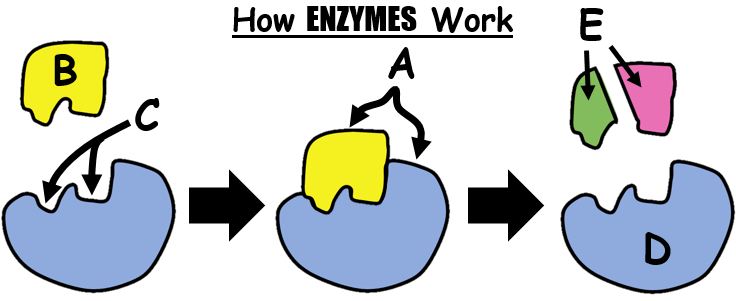
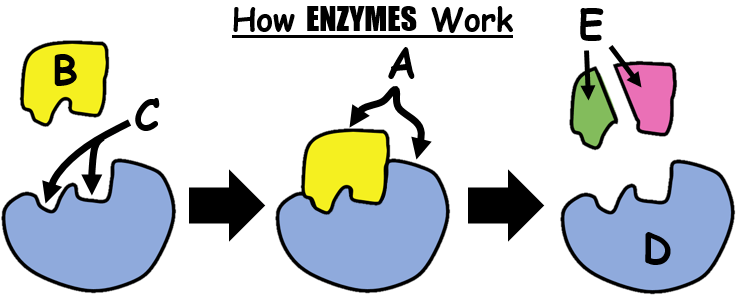
Label the following cellular processes and equations.
6CO2 + 6H2O
C6H12O6 + 6O2
Photosynthesis
Respiration

What part of the nucleotide is labled "A"
Phosphate
Nitrogenous Base
Protein
Sugar (Deoxyribose or Ribose)
What part of the nucleotide is labled "B"
Phosphate
Nitrogenous Base
Protein
Sugar (Deoxyribose or Ribose)
What part of the nucleotide is labled "C"
Phosphate
Nitrogenous Base
Protein
Sugar (Deoxyribose or Ribose)
Label the parts of the nucleotide.

