
 Worksheets
Understanding Text Features and Purpose
Total questions: 179
Worksheet time: 3hrs 25mins
Which of the following is a text feature that helps you make predictions about a story?
Table of contents
Author’s biography
Page number
Publisher’s address
What is the main purpose of a heading in a nonfiction text?
To decorate the page
To show the topic of a section
To list the author’s name
To tell the page number
Which of the following best describes the author’s purpose in a story about friendship?
To entertain
To persuade
To inform
To advertise
If an author writes a book about recycling, what is most likely their message?
Recycling is boring
Recycling helps the environment
Recycling is expensive
Recycling is only for adults
Which text structure is used when an author lists events in the order they happened?
Cause and effect
Compare and contrast
Chronological order
Problem and solution
What is the author’s purpose for using a problem and solution text structure?
To describe a setting
To explain how to solve an issue
To compare two things
To list facts
Which of the following is an example of a simile?
The sun smiled down on us.
The car zoomed by.
She was as fast as a cheetah.
The leaves whispered.
Which word is an example of onomatopoeia?
Whisper
Bang
Soft
Bright
What does the author’s “voice” in a story mean?
The way the author speaks aloud
The author’s unique style and personality in writing
The author’s favorite color
The author’s handwriting
Which of the following best shows an author’s voice?
The use of exciting words and phrases
The number of chapters
The size of the book
The font style
Read the title and headings of a passage. What prediction can you make about its content?
It will be about the author’s life
It will discuss the topic shown in the headings
It will be a poem
It will be a mystery story
After reading the first paragraph and looking at the pictures, what can you predict will happen next in the story?
The main character will go home
The main character will solve a problem
The main character will meet a new friend
The main character will get lost
How can you tell if the author’s purpose is to inform?
The text has facts and information
The text has jokes and funny stories
The text tries to sell something
The text has a lot of opinions
What message does the author give in a story about teamwork?
Working alone is best
Teamwork helps everyone succeed
Teams are confusing
Teams are only for sports
How does using a compare and contrast text structure help the author’s purpose?
It helps the author show differences and similarities
It makes the story longer
It adds more characters
It makes the text harder to read
Why might an author use a cause and effect structure in a text?
To show how one event leads to another
To list items
To describe a character
To tell a joke
How does the author’s use of a simile help the reader understand the character?
It makes the character seem more real
It confuses the reader
It makes the story shorter
It adds more characters
Why does an author use onomatopoeia in a poem?
To make the poem sound lively
To make the poem longer
To add more rhymes
To describe colors
How does the author’s choice of words contribute to the voice of a story?
It shows the author’s feelings and personality
It makes the story confusing
It adds more pages
It changes the font
What effect does using exciting language have on the author’s voice?
It makes the voice lively and interesting
It makes the voice quiet
It makes the story shorter
It makes the story harder to read
You read a story with chapter titles like “The Big Storm” and “Lost in the Woods.” What prediction can you make about the events in the story?
The characters will experience a storm and get lost
The characters will go shopping
The characters will bake a cake
The characters will play sports
After reading the introduction and looking at the illustrations, what evidence supports your prediction about the main character’s adventure?
The introduction mentions a journey and the pictures show a map
The introduction talks about food and the pictures show a kitchen
The introduction describes a party and the pictures show balloons
The introduction is about school and the pictures show desks
Explain how the author’s purpose in a story about helping others is shown through the characters’ actions.
The characters help each other, showing the importance of kindness
The characters ignore each other
The characters argue all the time
The characters play alone
What evidence from the text supports the author’s message about being brave?
The main character faces their fears and tries new things
The main character stays home and does nothing
The main character is always scared
The main character avoids challenges
Describe how the use of chronological order helps the author achieve their purpose in a biography.
It helps the reader understand the sequence of important events in the person’s life
It makes the biography confusing
It adds more characters
It makes the biography shorter
Explain how a problem and solution text structure helps the author teach a lesson.
It shows a problem and how it can be solved, teaching the reader what to do
It makes the story longer
It adds more settings
It makes the lesson unclear
Describe how the author’s use of a simile helps the reader imagine the setting.
The simile compares the setting to something familiar, making it easier to picture
The simile confuses the reader
The simile makes the setting less clear
The simile adds more characters
Explain how the author’s use of onomatopoeia in a story about a thunderstorm achieves a specific purpose.
It helps the reader hear the sounds of the storm and feel its excitement
It makes the story longer
It adds more characters
It makes the story confusing
Discuss how the author’s use of descriptive language creates a unique voice in the story.
The author’s choice of words shows their personality and makes the story interesting
The author’s words make the story boring
The author’s words are all the same
The author’s words are confusing
How does the author’s use of dialogue contribute to the voice of a character in a story?
The way the character speaks shows their personality and feelings
The dialogue makes the story longer
The dialogue adds more settings
The dialogue is always the same

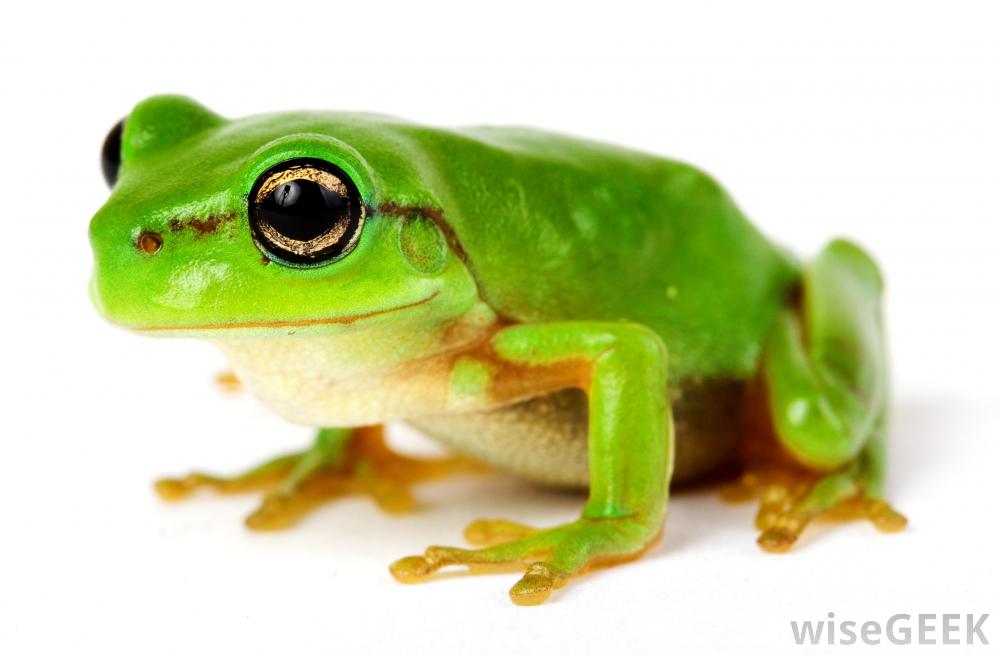
Mrs. Davis was sitting by her pond listening to the frogs croak.





I accidentally _______ some water on the floor.
roared
splashed
sizzled
fizzed

She __________ at him for being late.
fizzes
sizzles
roars
splashes


Match the following
hit in a way that made a dull sound
thumped
making a low humming sound
buzzed
a swishing or soft cracking sound
rustle
loud rattling noise
clattered
to have struck at
batted
The author described the fight with
(a)
using words like “crash” and “pow” to describe the sounds of the action.

An (a) is a word that sounds like its meaning.
(a) are words that mean their sound
Which sound matches with each image?

BEEP! BEEP!

ROAR!

Pop! Pop! Pop!

Drip!

Ring! Ring!
An example of onomatopoeia would be (a)
Which sound matches with each word/phrase?

Tweet, tweet, tweet!

Clap! Clap! Clap!

Bang!

Ding dong!

Crash!
Which sound matches with each image?

Bang, bang, bang...

BOOM!

Woof!

Ring! Ring! Ring!

Knock, knock!

Dialogue makes a story more interesting. Thinking about it is one way we can tell what (a) of characters are in a story, (b) they (c) things, and (d) they (e) .

characters
who or what the story is about
dialogue
what characters say
actions
what characters do
show us what kind of characters they are
characters' action and dialogue
Things the characters say in a story or conversation: (a)
Dialogue is when a character is (a)
That town is very (a) because few people live there now.
Maria just moved here; she and her family (a) from Mexico to join us in our wonderful school
If I had had the (a) to stretch well before I started exercising, I probably wouldn't have gotten this (b) pain in my shin. I knew stretching would help prevent injury, but I didn't know how badly this shin splint would hurt!
The (a) businessman lost everything when the stock market crashed.
Boy: Would you like some (a) ?
Girl: (b)
Boy: How about (c) ?
Girl: (d) I love lemonade. And some (e) , please.
Boy: OK.
Layla did not get an A on her vocabualry test (a) studying all night.

Which text structure does this passage use?
sequential
descriptive
8. If you have never been camping before, imagine a peaceful location surrounded by trees, a running brook, and the crunch of pine needles beneath your feet. Most camps have a fire pit, perfect for building a crackling fire and roasting marshmallows to layer with chocolate and graham crackers. Foldable camp chairs surround the fire, a comfortable place for families and friends to gather. A tent filled with sleeping bags is often set-up, ready, and waiting for sleepy campers to rest their heads. You may even see a bag of food hanging from a tree above a picnic table, safe from the reach of nosey bears and other wild animals.
Sequence/Chronological
Compare & Contrast
Problem & Solution
Description
Cause & Effect
It was the most beautiful banana split that I had ever seen. In the middle of the bowl, there were three scoops of ice-cream: chocolate, strawberry, and vanilla. On top of the ice-cream were a banana and a thick web of chocolate and caramel sauces. A huge puff of whipped cream covered the sauces and a handful of crushed nuts dappled the whipped cream. On top of it all was a cherry, but I’ve never liked the soggy squish of cherries.
Chronological
Sequence
Cause and Effect
Descriptive
There are many signs to tell when a dog is angry. For instance, it might growl and show its teeth.
compare and contrast
sequence
question and answer
description
Choose examples of descriptive text structure:
a passage explaining the way a classroom is set up
a passage explaining how a closet is organized
a passage explaining a topic and giving several examples
a passage persuading the reader to save money
The ice-cream shop around the corner from my house has the best ice-cream in the city. When you first walk inside, there is a long chrome counter with matching stools extending to alongside the far wall. Right where the counter stops, the booth seating begins. There are lots of old-timey knickknacks on the walls and chrome napkin holders on all the tables. My favorite part of the shop is behind the counter glass, where they keep all of the ice-cream flavors. A rainbow of delicious sugary flavors is kept cool and delicious behind the counter glass.
Description
Process
Compare
Argument
If you ask me, the perfect pizza has a thin crust, but not too thin. Even though I’m from Chicago, I prefer the New York style crust. Your perfect pizza might have tomato sauce on it, but mine has pesto on top of the crust. On the pesto I’d like to see lots of cheese: a full layer of shredded mozzarella and Romano cheese, and on top of the shredded mozzarella, I’d like to see some slices of fresh mozzarella. Now you might think I’m crazy for this one, but I’d really like to see some goat cheese in the crust. To top it all off, I’d like to see it polka-dotted with pepperoni slices. Now that’s what I call a pizza pie.
Sequence
Problem/Solution
Cause/Effect
Descriptive
At 4,160 miles (6,670 km), the Nile River in Africa is the longest river in the world. It begins in Lake Victoria in Central Africa and flows through five countries before emptying into the Mediterranean Sea. The Nile is an important source of water for the people who live near its banks.
Problem and Solution
Description
Question/Answer
The Space Needle was built in 1962 in Seattle, Washington for the World's Fair. It is 605 feet tall (184 m) from the ground to the aircraft warning beacon at the very top. Visitors can ride and elevator to the observation deck at 520 (158 m) feet. They can also dine in a revolving restaurant near the top of the needle.
Problem and Solution
Description
Question/Answer
Marsupials are a kind of mammal. Most female marsupials have a pouch to carry their babies. A newborn marsupial is very small and underdeveloped. It will spend the first part of its life in its mother's pouch. Kangaroos, wombats, and koalas are all marsupials.
Problem and Solution
Description
Question/ Answer
The Loggerhead turtle is easily distinguishable due to its unique characteristics. It possesses a carapace that is reddish-brown and a plastron that ranges from dull brown to yellowish. The carapace and plastron are covered with keratinized scutes, and the number and arrangement of these scutes are crucial for identifying the specific subspecies of Loggerhead. What type of text structure is used in this description?
Cause & Effect
Chronological Order
Descriptive
Problem & Solution
Compare & Contrast
Words typed in a darker color to show their importance
Bold Print
A small dot symbol used to mark items in a list
Bullet Point
words beneath or next to an illustration or photo to explain what it is about
Caption
a drawing or picture that shares all the parts of something or explains how it works
Diagram
words and their definitions found at the end of a book
Glossary
Match the Following: Text Features to their definition.
Title
Text at the beginning of a book that gives the book's title
Glossary
List of difficult words and their meanings
Index
List of topics and page numbers at the beginning of a book
Table of Contents
List of chapters and page numbers at the beginning of a book
Heading
Heading at the top of a page or section
Match the text feature and definition:
caption
A short description/information of a photograph or illustration.
chart/graph
A visual tool that is used to represent information and data, often times numerical data.
diagram
A photograph/ illustrations that has labels to provide a complete representation of a topic.

The picture shows me the...
Caption
Heading
Subheading
Title


What text feature is this?
Chart
Diagram
Heading

The title of a page or article is what text feature
Label
Heading

This text feature gives us extra information that is not included in the main text. What is it?
Facts Box
Label


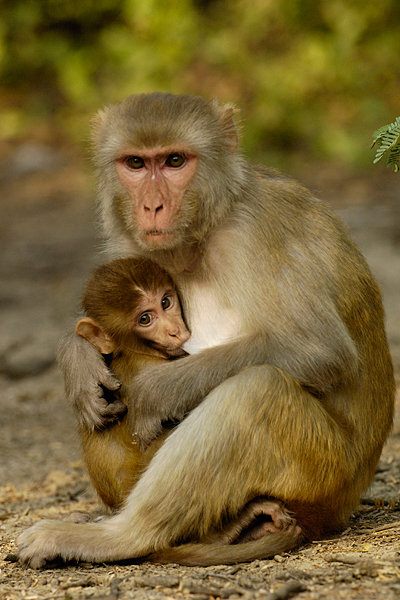
Which of the following passages has a description text structure?
Rhesus monkeys and baboons are part of a group called Old World monkeys. Like rhesus monkeys, baboons have tails. However, baboons usually weigh more than rhesus monkeys. Baboons live in Africa and Arabia, while rhesus monkeys live in Asia.
Scientists were preparing to send the first humans into outer space. However, they didn’t yet understand the effects that space would have on the human body. They didn’t want to put humans in danger. As a solution, they started by sending rhesus monkeys into space and studying the effects on them.
Rhesus monkeys are primates with brown bodies and red faces. They come from Asian countries, such as Afghanistan, Pakistan and India. They are very intelligent, and some have even adapted to live near humans. Rhesus monkeys are good climbers and swimmers.
In 1947, scientists first discovered the Zika virus in a rhesus monkey in Uganda. A year later, they learned that Zika was spread by mosquitoes. In 1952, the first cases of Zika in humans were found. The virus did not make people very sick.


caption
glossary
keywords
timeline


On December 5, police were called to the local convenience store when the owner reported someone had drawn graffiti on the side of the building. After viewing the surveillance footage, officers are confident they will locate the vandals.





caption
photograph
illustration
label

What text feature is being shown?
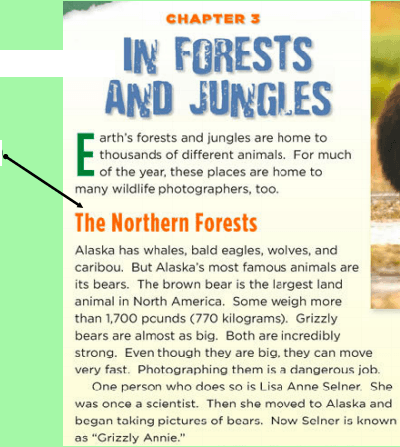
sub-heading
bold word
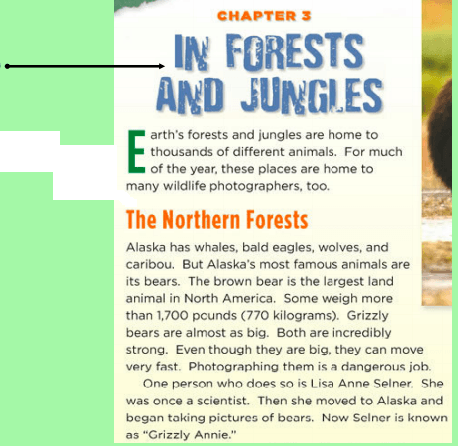
title or heading

What is the primary purpose of using headings in a text?
To make the text look more appealing
To indicate the start of a new topic or section
To provide definitions of difficult words
To summarize the text at the end

Bold and Italicized words are similar because they both...
tell what words can be found in the glossary
tell what words are in another language
can be defined in the footnote
emphasize words that are important

This is considered a
caption
glossary
title
timeline

Read the short passage and decide what text structure did the author used.
Cause and Effect
Sequential
Problem and Solution
Compare and Contrast

Identify the text structure:
Problem solution
spatial / description
compare contrast
chronological

Identify the text structure:
Sequence
Compare contrast
cause effect
problem solution

Descriptive
Cause and Effect
Sequence/Chronological Order

Which structure: To explain air pollution and ways scientists are trying to reduce it.
Description
Cause and Effect
Problem and Solution
Compare and Contrast


Description
Sequence
Compare and Contrast
Cause & Effect
Problem & Solution


Description
Sequence
Compare and Contrast
Cause & Effect
Problem & Solution

Description
Sequence
Compare and Contrast
Cause & Effect
Problem & Solution

NAME THE CORRECT TEXT STRUCTURE.
The Magic Kingdom is the first built
of four theme parks at Walt Disney
World. It opened on October 1971,
and the park features rides and shows
related to major Disney characters
and fairy tales. Symbols of The Magic
Kingdom include Cinderella’s Castle,
Main Street USA, and rides like the
famous Space Mountain coaster.
description
cause and effect
compare and contrast
chronological order / sequence
problem - solution

Description
Sequence
Compare and Contrast
Cause & Effect
Problem & Solution


I plan to (a)
Label each diagram with its matching Text Structure
Compare/Contrast
Sequential
Cause/Effect
Description
Chronological

What is this text feature is circled? (a)
Dewi is reading a science article about the Sun. What is this text feature that is circled? (a)
heading
bold print
italics
subheading
What text feature is circled? (a)
heading
italics
subheading
bold print

The text feature shown is a (a) .
photograph
heading
table
timeline
What is this text feature is circled? (a)
heading
bold print
italics
subheading
Click on the bold word of this text.
The image is an example of what type of figurative language?
This image along with the short poem is a _____.
Match

Which form of figurative language is this?
Your voice is music to my ears. (a)

Match the examples that best match the different types of figurative language: personification, hyperbole, alliteration, metaphor & simile
Personification
The sun happily smiled down at us
Hyperbole
Her smile was a mile wide
Alliteration
Busy as a bee
Metaphor
He has a heart of gold
Simile
Her eyes sparkled like diamonds

(a)
alliteration
personification
simile
analogy

Match the following to complete the definition:
Simile
comparison of two unlike things using "like" or "as".
Metaphor
comparison of two unlike things that share something in common without using "like" or "as".
personification
when an idea or object is given human attributes and/or feelings.
Hyperbole
overly exaggerated statement or claim.
Irony
contradictory statement or situations reveal a reality that is different of what appears to be true.

Read the passage. Match the sentence to the correct figurative language.
Alliteration
Brave blue creatures
Simile
They are busy like bees
Metaphor
Happiness is friendship, wisdom and faith
Hyperbole
The smallest village on the planet
Personification
Each day brings adventure and joy
Match the correct figurative language to the text message it appears in (some texts may have more than one).
personification
onomatopoeia
metaphor
alliteration

Match the definition of the different types of figurative language: personification, hyperbole, alliteration, metaphor & onomatopoeia
Personification
Giving human qualities to non-human things
Hyperbole
Exaggerated statements or claims not meant to be taken literally
Alliteration
Repetition of initial consonant sounds
Metaphor
Implied comparison between two unlike things
Onomatopoeia
Words that imitate natural sounds
This image along with the short poem is a _____.
metaphor
hyperbole
personification
simile
The (a) is the feeling created by the writer.
(a) is something, usually, an object, that represents something to give it a different meaning that is more complex, deeper, and more significant.
Figurative language means not (a) or not actually a fact.
metaphor
a comparison of two things that do not use like or as
simile
a comparison of two things that uses like or as
alliteration
words with same beginning sounds
hyperbole
extreme exaggeration of truth
onomatopeia
a word that means a sound
The use of words to imitate sounds (pow!) (bang!) (a) is
A (a) is a comparison between two unlike things using the words (b) or (c) .
Which form of figurative language is this? Your voice is music to my ears. (a)
metaphor
simile
hyperbole
Match the examples that best match the different types of figurative language: personification, hyperbole, alliteration, metaphor & onomatopoeia
Personification
A whispering wind danced through the trees
Hyperbole
His backpack weighed a ton
Alliteration
Sally sells seashells by the seashore
Metaphor
The world's a stage & we're all players
Onomatopoeia
The bees buzzed around the flowers
Match
l could sleep all week
The cloud cried all morning
I am as slow as a snail.
Bears bake bodacious brownies
She was a stinky pig
Eeek I screamed
The image is an example of what type of figurative language?
metaphor
simile
hyperbole
personification

This picture is an example of (a)

Match the following examples of figurative language to their names:
Verbal Irony
"Yeah I REALLY want to do more homework on a Friday!!"
hyperbole
"I am so hungry I could eat a horse."
idiom
"I spilled the beans."
personification
"The stars danced in the night sky."
allusion
"It will take forever to build that new school; you know Rome wasn't built in a day!"

Match the following examples of figurative language, to their matching type.
"It's raining cats and dogs"
Idiom
"His head was as big as a watermelon"
Simile
"Whoose-Whoosh" went the wind.
Onomatopoeia

AUTHOR'S PURPOSE
The author used CAPITAL LETTERS
because...
the caps lock
was on
it was not important to read that information
it was part of bad dialogue
it draws attention to the the information


"She threw the paper airplane. It looped through the trees, under the dogs belly, up into the sky and landed in the hot air balloon."

A short story about a boy who never cleans his room and the horrible mess that accumulates

The author wants to give you information.
Entertain
Persuade
Inform

First, you get the bread. Then, you get the jelly and peanut butter. Then, you get a butter knife and spread the jelly and peanut butter on separate pieces of bread. Lastly, put the two slices of bread together and BOOM! You got a peanut butter and jelly sandwich.


Match the following
persuade
make the reader think a certain way
instruct
teach the reader about a subject
describe
author uses details 2 describe an object
explain
make clear how something works
inform
give the reader info about a topic
Match the purpose with the correct definition.
persuade
to convince the reader to do something or change their mind
inform
to provide facts, details, and examples
entertain
a story that readers will enjoy
explain
how something works or how do do something
describe
help the reader imagine something using the 5 senses
The most likely reason that the author includes paragraph 1 is to
(a)
Clara Barton’s childhood and adolescence.
Todd was in his basement. He was searching everywhere for his sled. Across town, Benny was in his attic. He was searching, too. It was time for one more of Todd and Benny’s contests. This time the winner would be the first to make sled tracks down the big hill. Todd planned to be first. So did Benny.
The author wants to (a) .

Match the following "author's purpose" to its definition...
The author gives facts and information about a topic
To INFORM the reader
The author tells an interesting story
To Entertain the reader
The author states his/her opinion with supporting reasons to
To PERSUADE the reader

The purpose of the excerpt is to: (a)
explain.
inform.
Blue - Author's purpose is to PERSUADE
Green - Author's purpose is to INFORM
Red - Author's purpose is to ENTERTAIN
Purple - Author's purpose is to EXPLAIN
Yellow - Author's purpose is to DESCRIBE
to describe something in detail
to EXPLAIN how to do something
to tell an entertaining story
to argue a point/convince the reader
to give facts about a topic

The purpose of the excerpt is to: (a)
Match the following "author's purpose" to its definition...
The author gives facts and information about a topic
To INFORM the reader
The author tells an interesting story
To Entertain the reader
The author states his/her opinion with supporting reasons to
To PERSUADE the reader
The author gives directions, or tells how to do something
To EXPLAIN to the reader
The author goes into detail about how something looks, feels, smells, tastes, feels, etc...
To DESCRIBE something to the reader
The purpose of the excerpt is to: (a)

The excerpt is an example of which purpose: (a)
Why the author wrote the text-
text structure
theme
author's purpse
main idea

