
 Worksheets
M2.1 PRINTMAKING & PHOTOGRAPHY
Total questions: 10
Worksheet time: 5mins
Which of the following is NOT a type of relief printing?
Woodcut
Linocut
Reduction print
Oil painting
What is the purpose of applying pressure in relief printing?
To create an exact copy of the design
To produce a mirror image of the design
To break the block of material
To dry the ink faster
Which of the following is used in creating digital artwork for digital printing?
Microsoft Word and Excel
Adobe Photoshop and Illustrator
CorelDRAW and PowerPoint
Canva and Google Docs
Which of the following is NOT a type of planographic printmaking?
Lithography
Offset lithography
Monotype
Relief printing
What is the main difference between planographic printmaking compared to relief or intaglio printing?
The printing surface remains flat
The ink is applied to the engraved part
The ink is applied to the raised part of the surface
The image is created using engravings on metal

What is the main requirement to create a "reflection" in photography?
Using a dark background
Shooting against the light
Finding a reflective surface
Using silhouettes
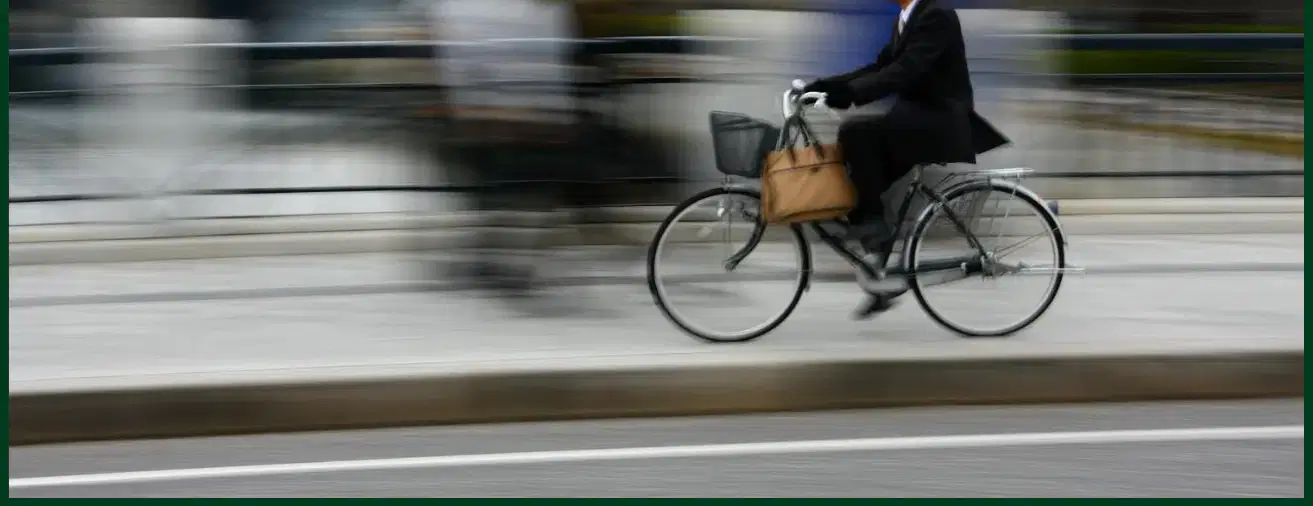
What is the main purpose of the "Panning" technique in photography?
To provide a dramatic effect through the position of the camera.
To create a sense of movement and speed by synchronizing the movement of the camera with the subject.
To focus on the smallest details of the image.
To provide brighter lighting in the photo.
Which of the following can be used as part of the "framing" technique?
Doors, windows, or branches
Filters and lenses
Lights and reflectors
Colors and textures
Why is repetition considered a powerful compositional tool in photography?
It draws the viewer’s eye through rhythmic patterns and harmony
It creates contrast between subject and background
It emphasizes symmetry and evokes emotional depth
It enhances lighting effects in low exposure
What is the key visual strategy when capturing silhouettes effectively?
Use of reflective surfaces to mirror the subject
Ensuring the subject is brighter than the background
Positioning the subject in front of a light source to create contrast
Applying filters to darken the subject

