
 Worksheets
WWI Review
Total questions: 26
Worksheet time: 34mins

Zimmerman Note
A form of warfare in which opposing armies fight each other from trenches dug in the battlefield.
A situation in which no progress can be made or no advancement is possible
1917 - Germany sent this to Mexico instructing an ambassador to convince Mexico to go to war with the U.S.
British passenger liner sunk in 1915 that helped sway American opinion of the war.
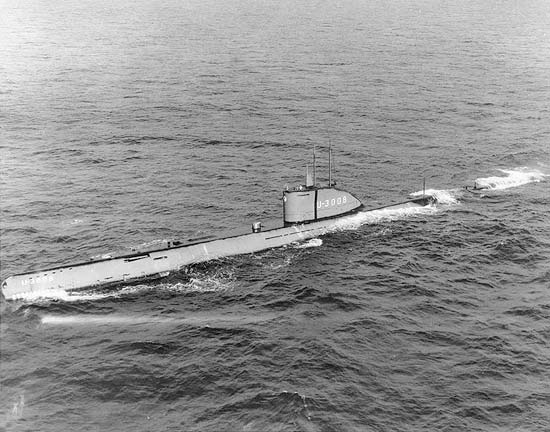
U-boats
German submarines
to prepare for war
Agreement to stop fighting
an increase in the importance of the military of a country

Luisitania
British passenger liner sunk in 1915 that helped sway American opinion of the war.
American citizens were lending money to the government to pay for the war.
Agreement to stop fighting
Treaty that ended WW I. It blamed Germany for WW I and handed down harsh punishment.

Trench Warfare
to prepare for war
A form of warfare where soldiers fight from trees.
Britain, France, Russia, Italy and the United States
A form of warfare in which opposing armies fight each other from trenches dug in the battlefield.
mobilize
A form of warfare in which opposing armies fight each other from trenches dug in the battlefield.
A situation in which no progress can be made or no advancement is possible
to prepare for war
an increase in the importance of the military of a country
Stalemate
A form of warfare in which opposing armies fight each other from trenches dug in the battlefield.
A situation in which no progress can be made or no advancement is possible
German submarines
British passenger liner sunk in 1915 that helped sway American opinion of the war.

Central Powers
Britain, France, Russia, Italy and the United States
Mexico
Australia
Austria-Hungary, Germany, Ottoman Empire
Militarism
Austria-Hungary, Germany, Ottoman Empire
an increase in the importance of the military of a country
to prepare for war
A form of warfare in which opposing armies fight each other from trenches dug in the battlefield.

Treaty of Versailles
Treaty that ended WW I. It blamed Germany for WW I and handed down harsh punishment.
Law passed by Congress in 1917 that required all men from ages 21 to 30 to register for the military draft
American citizens were lending money to the government to pay for the war.
British passenger liner sunk in 1915 that helped sway American opinion of the war.

The German invasion of Belgium brought which country into the war?
Britain
Russia
Italy
Serbia
Which of the following best defines 'The belief that a country should maintain a strong military capability and be prepared to use it aggressively to defend or promote national interests.'?
Militarism
Alliances
Imperialism
Nationalism
The term that relates to one country taking over another during the later half of the Ninetenth Century was?
Militarism
Alliances
Imperialism
nationalism
Nationalism is defined as what?
When a country increases their power and wealth by bringing additional territories under their control.
The development of armed forces and their use as a tool of diplomacy.
A devotion to the interests and culture of one’s nation.
What THREE countries made up the Triple Alliance?
Russia
Germany
Austria-Hungary
Italy
What THREE countries made up the Triple Entente?
France
Great Britain
Russia
Germany

