
 Worksheets
Learning Targets
Total questions: 73
Worksheet time: 37mins
The importance of light and its relationship with color is best described by which of the following statements?
Light is essential for color to be perceived, as color is a result of the way objects reflect or emit light.
Color exists independently of light and can be seen in complete darkness.
Light only affects the brightness of objects, not their color.
The relationship between light and color is insignificant in visual perception.
Evaluate the difference between natural light and artificial light.
Natural light comes from the sun, while artificial light is produced by man-made sources.
Natural light is always brighter than artificial light.
Artificial light is only used outdoors, while natural light is used indoors.
Natural light is blue, while artificial light is red.
Which of the following best describes the elements of lighting, including types of lamps and types of lighting fixtures?
They refer to the different sources of light and the devices used to house and distribute light.
They are only about the color of light in a room.
They focus solely on the energy consumption of lighting systems.
They describe the placement of furniture in relation to windows.
Without light, ______ cannot exist.
color
sound
shape
weight
Color and light affect each other significantly.
True
False
It is important to study what influences perception of color, especially for a client, because:
it helps ensure the client's needs and preferences are met effectively.
it guarantees all colors will look the same to everyone.
it eliminates the need for client feedback.
it makes color selection purely a technical process.
Light is a science and an art.
True
False
What are the two types of lighting?
Natural and Artificial
Direct and Indirect
Bright and Dim
Soft and Harsh

Lighting can influence the perception of ______ and spaciousness.
safety
color
temperature
height

Different levels and layers of light mimic ______.
nature
technology
artificial intelligence
machinery
Seasonal affective disorder (SAD) occurs in people who need more ______ to reduce depression.
light
sleep
exercise
food
What are the two components of daylight?
Sunlight and Moonlight
Sunlight and Skylight
Skylight and Artificial Light
Sunlight and Artificial Light
Daylight is free but requires control to avoid ______ and discomfort.
glare
noise
humidity
vibration
Which of the following is NOT a strategy to consider for daylighting?
A) Orientation of home or building
B) Glazing (windows)
C) Using only artificial lights
D) Skylights
Sunlight is defined as ______ beams emitted by the sun.
directional
scattered
diffused
reflected
Which of the following are strategies to consider for daylighting? Select all that apply.
Glazing (windows)
Location and size of windows
Light shelves
All of the above

The sunlight that enters the room after bouncing off another surface is called _________.
Reflected light
Direct light
Transmitted light
Absorbed light

What is the term used for sunlight that enters the room through the cloud cover?
Direct sunlight
Skylight
Reflected light
Artificial light
Which of the following is an example of artificial light?
Sun
Light bulb
Moon
What does general (ambient) lighting provide for a space?
Uniform, overall light
Focused task lighting
Decorative accent lighting
Emergency exit lighting
General (ambient) lighting lets you see and move clearly.
True
False
Which of the following is a characteristic of ambient light?
Harsh and focused
Soft and diffused
Only used outdoors
None of the above
Ambient light sets the ______ of a space.
tone
temperature
size
shape
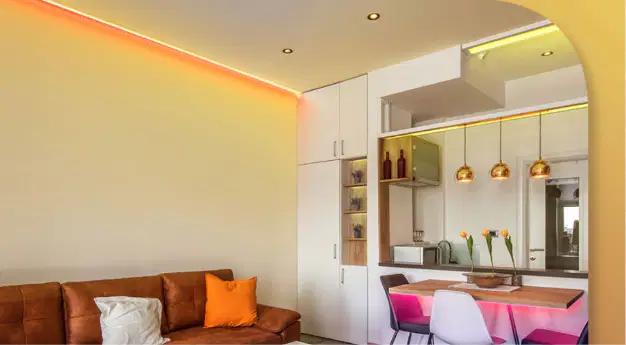
What type of lighting is shown in both rooms?
General (ambient) lighting
Task lighting
Accent lighting
Decorative lighting
What is task lighting?
A direct form of light that usually provides three times the level of light as ambient lighting
A type of decorative lighting
A form of natural light
A dim light used for ambiance
Which of the following tasks may require additional light according to the information about task lighting?
Sleeping
Preparing meals
Watching TV
Listening to music
Fill in the blank: Task lights are directive and create a ______ center.
bright
dark
cold
silent
Which of the following is NOT a function of task lights?
Focus the viewer’s eyes on the task
Offer additional light to alleviate eye strain
Create a dark environment
Are directive and create a bright center
Task lighting usually provides three times the level of light as ambient lighting.
True
False
What is the main purpose of accent lighting?
To provide general illumination
To bring attention to an object or highlight design elements within a space
To reduce energy consumption
To cool down a room
Which of the following is NOT a benefit of accent lighting?
Stimulates interest
Creates feelings of aliveness
Offers sparkle or glitter to any space
Reduces electricity bills
Fill in the blank: Accent lighting offers ______ or glitter to any space.
sparkle
shade
warmth
shadow
Which of the following does accent lighting do? Select all that apply.
Stimulates interest
Creates feelings of aliveness
Offers sparkle or glitter to any space
Makes a room colder
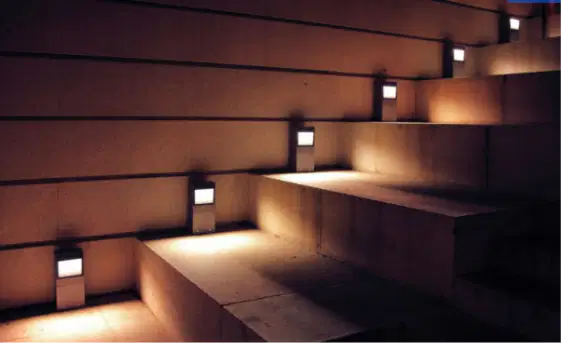
What type of lighting is being used in these spaces?
Accent lighting
Ambient lighting
Task lighting
Natural lighting
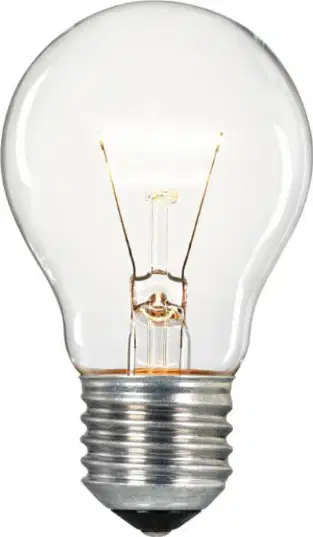
What is the oldest electrical light source developed around 1879?
Fluorescent lamp
Incandescent lamp
LED lamp
Halogen lamp
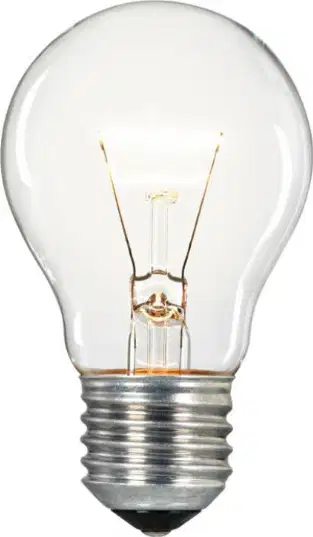
Incandescent lamps provide which of the following?
A) A warm glow and flexibility of use
B) Only a warm glow
C) Only flexibility of use
D) None of the above
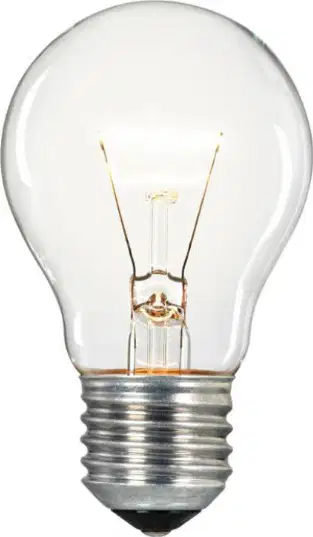
Incandescent lamps are preferable in modern residencies.
True
False
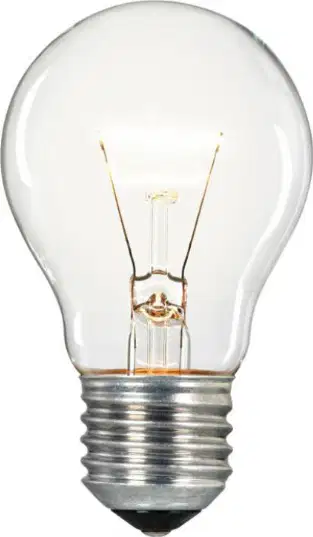
Which of the following is an advantage of incandescent lamps?
Low initial cost
High efficacy
Long life
Does not produce heat
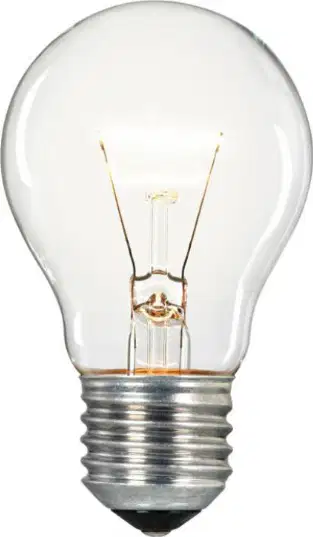
Fill in the blank: Incandescent lamps have a _______ initial cost.
low
high
moderate
variable
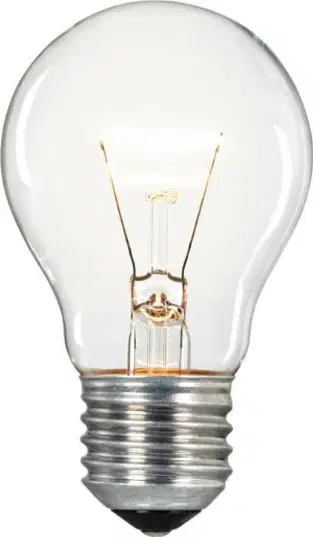
Which of the following is NOT an advantage of incandescent lamps?
A) High CRI
B) Adds glitter and sparkle
C) Short life
D) Enhances texture and luster
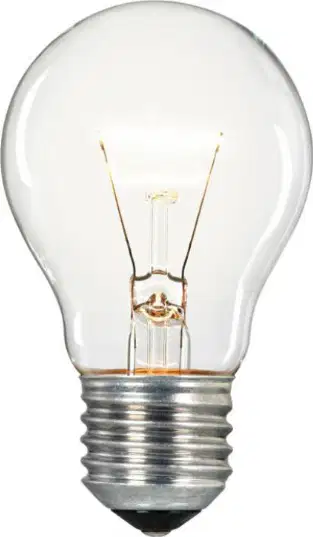
Which of the following is a disadvantage of incandescent lamps?
High efficacy
Produces heat
Long life
Low CRI
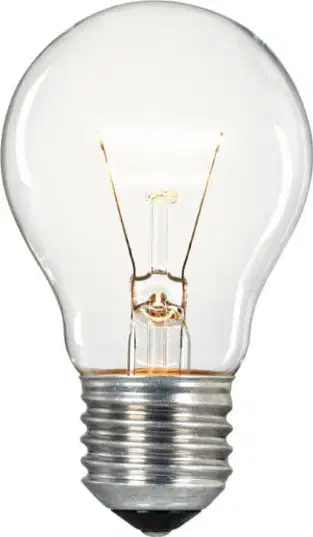
Incandescent lamps have a short life.
True
False
What type of light is a fluorescent lamp?
Incandescent light
Electric discharge light that does not need a filament to produce light
LED light
Halogen light
Compact fluorescent lamps (CFLs) can yield ____% energy savings.
75
30
50
60
Which of the following is NOT an advantage of fluorescent lamps?
A) High efficiency
B) Good CRI
C) High initial cost
D) Long life
Which of the following is a disadvantage of fluorescent lamps?
Cold light—no heat generation
High initial cost
Good CRI
Long life
Fluorescent lamps are available in which forms?
Only linear
Only compact
Linear or compact
Only circular
Fluorescent lamps generate heat when producing light.
True
False
Why must fluorescent lamps be disposed of carefully?
Because they contain mercury
Because they are made of plastic
Because they are very expensive
Because they are too bright
Because they use a lot of electricity
Which of the following is NOT a disadvantage of fluorescent lamps?
Inappropriate for cold temperatures
High initial cost
Good CRI
Careful disposal because they contain mercury
What does LED stand for?
Light-emitting diodes
Low-energy devices
Light-enhanced display
Luminescent electrical device
How do LED lamps operate?
By heating a filament
By an interaction between an electrical field and phosphor (a luminescent substance that emits light with electricity exposure)
By chemical reaction
By solar energy
Fill in the blank: One advantage of LED lamps is their ________ size.
smaller
larger
heavier
brighter
Which of the following is NOT an advantage of LED lamps?
A) Smaller size
B) Energy efficiency
C) Longer life
D) Color consistency
Fill in the blank: A disadvantage of LED lamps is ________ consistency.
color
energy
size
brightness
LED lamps offer significant energy savings and enhance the quality of the built environment.
True
False
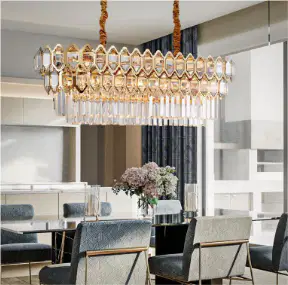
Which of the following is a type of ceiling mount surface lighting?
Sconces
Uplighting
Suspended pendant light
Vanity or strip lights
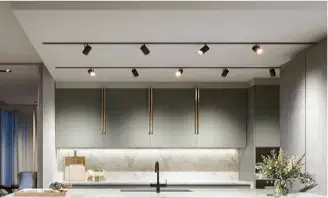
Track lights are a type of _______ mount surface lighting.
Ceiling
Wall
Floor
Table
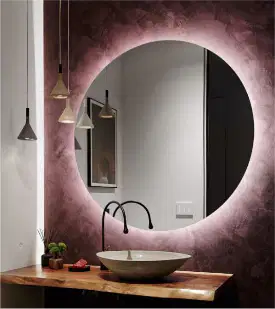
Vanity or strip lights are typically located where?
Behind sofas
Above or adjacent to a mirror
On the ceiling
Under shelves

Sconces are ornamental wall fixtures.
True
False

Uplighting is a type of _______ mount surface lighting that uplights behind sofas or under shelves.
Floor
Ceiling
Wall
Table
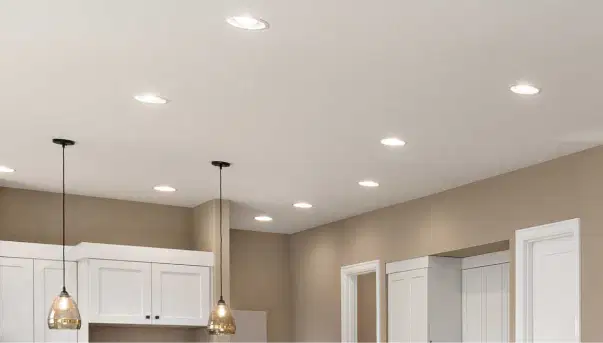
Fill in the blank: Recessed lighting is put into spaces cut in the ________.
ceiling
wall
floor
door
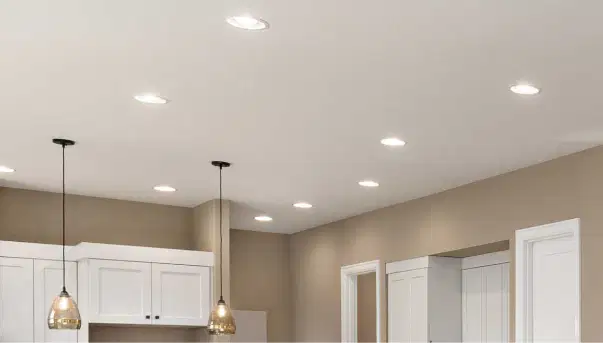
In recessed cans, the fixture is built into the ________.
ceiling
wall
floor
door
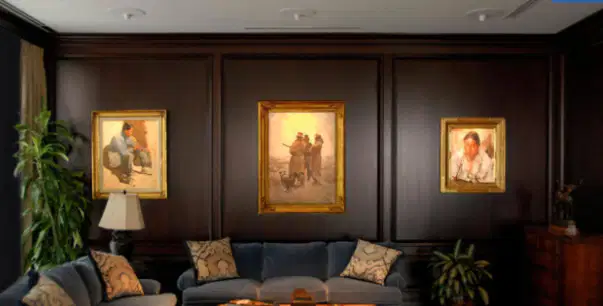
What are spotlights used for in downlighting? Fill in the blank: Spotlights are used for decoration such as emphasizing ________.
artwork
windows
flooring
ceiling fans
What is structural lighting?
Fixtures are a part of an architectural element.
Lighting that uses only natural sunlight.
Lighting that is always portable and movable.
Lighting that is only used outdoors.
Which type of lighting is a form of indirect lighting, concealed from view by a trough-like structure?
Wall washers
Cove lighting
Wall grazers
Soffit lighting
Soffit lighting is built into a soffit, such as a roof heave or hollow trim above a kitchen sink.
True
False
Wall-slot lighting is ______ into slots in drywall.
imbedded
removed
painted
hung
Wall washers are perfect for art galleries because they are imbedded into surface with no texture.
True
False
Wall grazers reveal the texture of materials on the wall, such as brick, stone, or fabric panels.
True
False
What are portable lighting fixtures?
Fixtures that are built into the wall
Table and floor fixtures that are plugged into a wall and easy to move
Fixtures that use batteries only
Fixtures that cannot be moved
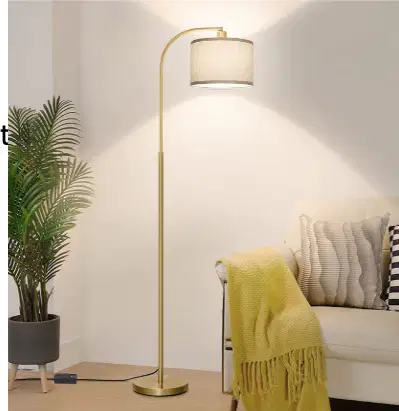
Look at the image. Is the lamp shown an example of a portable lighting fixture?
True
False
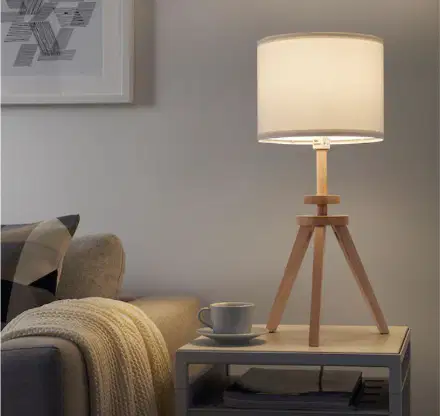
Look at the image. Is the lamp shown an example of a portable lighting fixture?
True
False

