
 Worksheets
JAPANESE PAGODA AND TEMPLES - HOA03
Total questions: 15
Worksheet time: 11mins

A Japanese shrine, known as _____ ( 神 社 ), is a place of worship in the Shinto religion.
GINJA
JINJA
JENGA
JINJIN
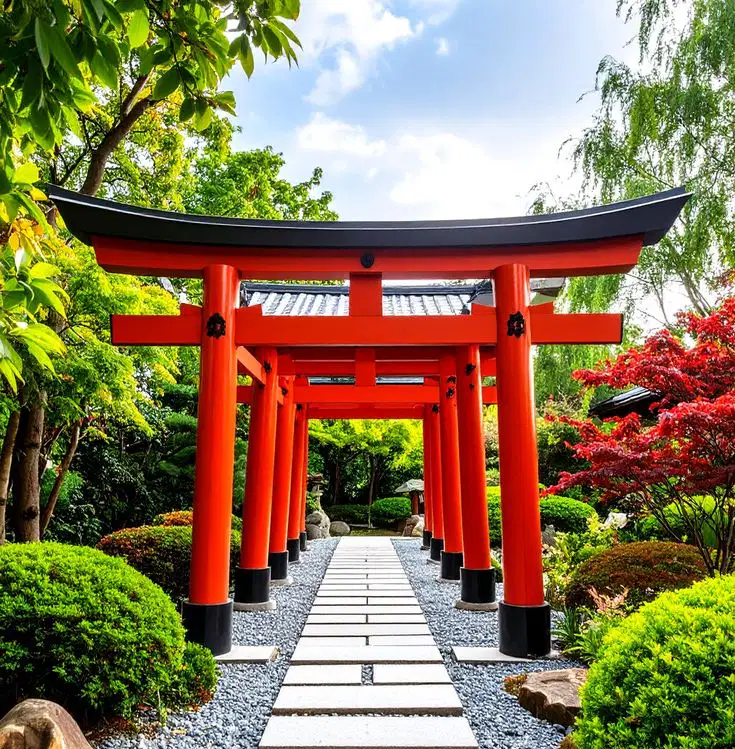
A Japanese _____ ( ⿃ 居 ) is a traditional gate most commonly found at the entrance of or within a Shinto shrine, where it symbolically marks the transition from the mundane to the sacred world
TORIE
JINJIA
TORII
SAMDO
Marked the early adoption of Chinese construction techniques. This period saw the establishment of organized temple and palace spaces, notably the introduction of pagodas.
Asuka Period
Tori Period
Muromachi Period
Japan Period

Japanese tea house, or _________, is a specially designed space for conducting tea ceremonies.
Tantanmen
Shoyu
Shio
Chashitsu
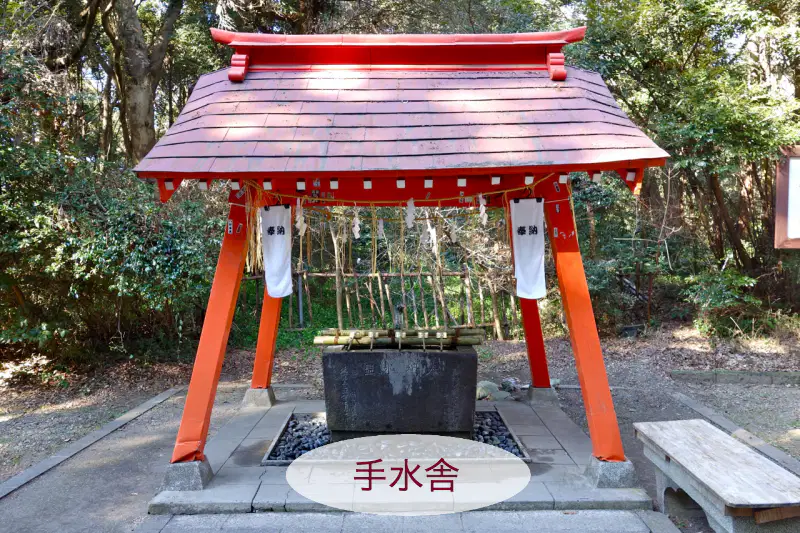
A water pavilion where visitors wash their hands and mouth before praying. Cleansing oneself physically and spiritually before approaching the ‘kami”
Chōzuya (⼿⽔舎)
Kazuya
Temizuya (⼿⽔)
Inuyashara
______ refers to the pathway used for visiting a shrine or temple in Japan. It is often described as the "worshipper's path" leading from the outermost torii entrance to the shrine itself.
Chozuya
Sandō
Tori
Fu
__________often called liondogs in English, are statue pairs of lion-like creatures, which traditionally guard the entrance or gate of the shrine.
Shih tzu
Fuo
Komainu
Zuya
__________was a significant civil war in Japan between the Taira and Minamoto clans during the late Heian period.
Trojan War
The Genpei War
Genshin War
Matcha War
The pagoda has many roof levels, usually an ____ number
ODD
EVEN
(a) originated from the Indian stupa, blending Buddhist architecture from China and Korea with Japanese design during the Asuka Period (538–710 CE).
When the ground shakes, the pagoda moves, and the Shinbashira moves the other way. This opposite movement reduces the shaking, like a counterweight in modern buildings.
Tuned Mass Damper Effect
Balancing Toy Effect

Three-story structure beside Kyokochi Pond; top two floors covered in gold leaf; each level reflects a different architectural style: Shinden, Bukke, and Zen
Genko-an Temple Kita-ku, Kyoto
Kiyomizu-dera Temple Higashiyama, Kyoto
Kinkaku-ji (Golden Pavilion)
Genko-an Temple Kita-ku, Kyoto
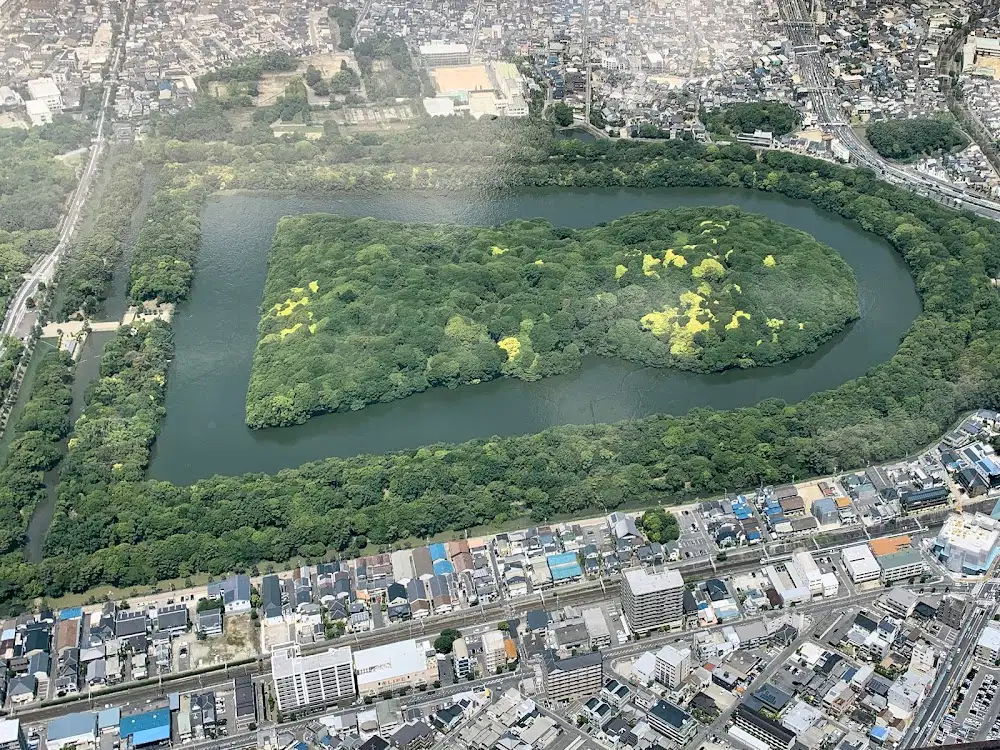
Mozu-Furuichi Kofun - Osaka Prefecture (Sakai, Habikino, and Fujiidera Cities) The area of the Mozu-Furuichi Kofun Group (the nominated UNESCO property) is ______ hectares
166.66 hectares
199.66 hectares
199.99 hectares
106.60 hectares
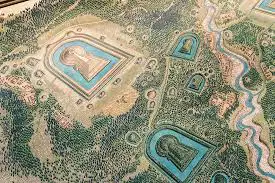
_______ in Japanses which literally means “old mound.” These were massive burial mounds for emperors, empresses, and elite warriors.
Kapon
Coupon
Coffin
Kofun
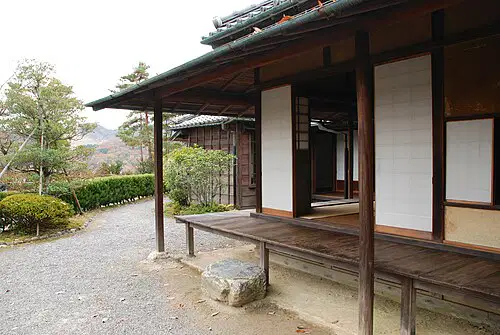
In Japan, verandas are called ______ (縁側). They are narrow wooden platforms along the edge of a house, usually facing a garden.
Engawa
Haru
Ponyo
Totoro

