
NEW
Font size
 Worksheets
2G2 SS MATERIAL NON-MATERIAL
Total questions: 63
Worksheet time: 32mins
Which of the following is an example of material culture?
Food
Language
Beliefs
Practices
Which of the following is an example of non-material culture?
Clothing
Food
Language
Furniture
Where can examples of material and non-material culture be found?
In books
In their local community
In museums
In other countries only
What does non-material culture include?
Food and clothing
Language, beliefs, and practices
Furniture and tools
Houses and buildings
What can students describe about their local community according to the learning material?
How to cook food
How certain traditions, celebrations, and community practices are followed
How to build houses
How to make clothes

What is the main idea of the text shown in the image?
Thinking about our community and what makes it special.
Learning about different countries.
Discussing global weather patterns.
Exploring outer space.
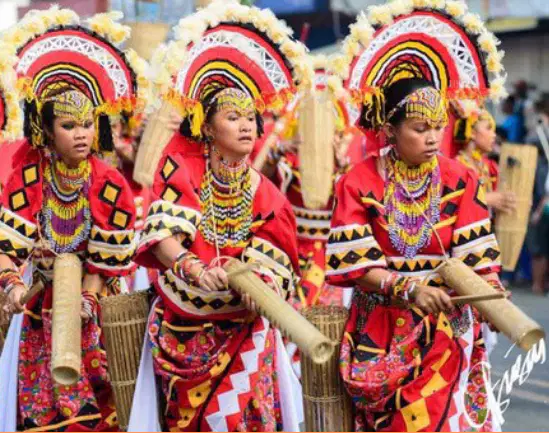
Which of the following is an example of something that can make a community special?
Traditional clothing and dances.
The size of the community.
The number of cars in the community.
The amount of money people have.

What question does the text ask about our community?
What makes our community special?
How many people live in our community?
What is the weather like in our community?
What animals live in our community?
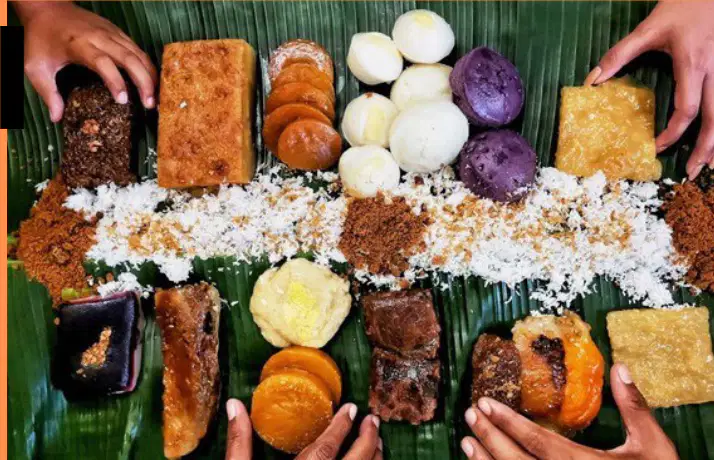
Why is it important to think about the things or habits we share in our community?
To understand what makes us unique and connected.
To find out who has the most money.
To compare ourselves to other communities.
To decide who is the best in the community.

Which of the following can you physically touch?
A traditional house
A belief or value
A cultural dance
A story passed down through generations
Which of the following shows what people believe or value?
A traditional house
A cultural dance
A belief or value
A plate of food

Which of the following is an example of cultural expression?
Wearing traditional clothing
Eating fast food
Watching television
Playing video games
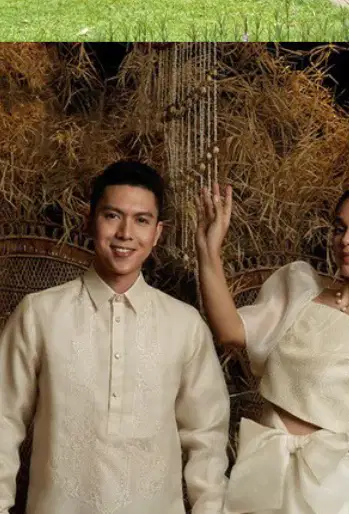
What is one way people show their traditions?
By building modern skyscrapers
By wearing traditional attire
By using technology
By driving cars
What does the word "culture" mean?
The way people in our community live
The food we eat only
The clothes we wear only
The language we speak only
What does culture tell us about?
What is important to people, their traditions, and who they are
Only the food people eat
Only the clothes people wear
Only the games people play
Why is every group of people special and different from others?
Because of their culture
Because of their height
Because of their favorite color
Because of their pets
What is material culture?
Things we can see and touch
Things we can only imagine
Things we can hear and smell
Things we cannot see or touch

Which of the following is an example of material culture?
Clothes
Dreams
Feelings
Sounds
Which of these is NOT an example of material culture?
Houses
Tools
Emotions
Food
What is material culture?
Things we can see and touch
Things we can only imagine
Things we can hear and smell
Things we cannot see or touch

Which of the following is an example of material culture?
Clothes
Dreams
Music
Feelings
Which of the following is NOT an example of material culture?
Tools
Houses
Food
Thoughts
Why is food considered part of material culture?
Because we can see and touch it
Because it is invisible
Because it is only imagined
Because it is a feeling
What is non-material culture?
Things we can touch like objects and tools
Things we cannot touch like ideas, beliefs, and values
Things related to food and clothing
Things related to physical buildings and monuments

Which of the following is an example of non-material culture?
A chair
Respect
A car
A house

Which of the following is NOT a part of non-material culture?
Beliefs
Language
Values
Furniture
Why is non-material culture important?
It helps us build houses and tools
It represents our ideas, beliefs, and values
It is used to create physical objects
It is only about food and clothing
Which of the following is an example of material culture?
Saying "po" and "opo"
Barong T-shirt
Respect for elders
Helping others
Which of the following is an example of non-material culture?
Nipa hut
Local dish
Celebrating fiestas
School uniforms
What does "po" and "opo" represent in non-material culture?
Respect for elders
A type of clothing
A local dish
A traditional house
Which of the following is NOT an example of material culture?
Nipa hut
Praying together
School uniforms
Local dish
What is an example of helping others in non-material culture?
Wearing a Barong T-shirt
Saying "po" and "opo"
Building a nipa hut
Cooking a local dish
Which of the following is an example of a non-material tradition?
Eating rice
Saying "po" and "opo"
Wearing barong
Celebrating town fiesta
What is an example of a material tradition?
Helping neighbors
Saying "po" and "opo"
Wearing barong
Celebrating town fiesta
Which of the following is an example of helping others in the community?
Eating rice
Helping neighbors
Wearing barong
Saying "po" and "opo"
What activity is commonly done during a town celebration?
Eating rice
Wearing barong
Celebrating town fiesta
Saying "po" and "opo"
Which of the following is a Filipino cultural practice that shows respect?
Saying "po" and "opo"
Eating rice
Wearing barong
Celebrating town fiesta

Which of the following is an example of a non-material activity?
Wearing a uniform to school
Singing the national anthem
Sharing food with others
Praying before eating

What is an example of a material activity?
Respecting elders
Wearing a uniform to school
Singing the national anthem
Sharing food with others

Which activity shows respect for others?
Singing the national anthem
Sharing food with others
Wearing a uniform to school
Praying before eating
What is an example of showing respect for elders?
Wearing a uniform to school
Singing the national anthem
Respecting elders
Sharing food with others
Which activity is commonly done in schools to show unity and pride?
Praying before eating
Singing the national anthem
Sharing food with others
Respecting elders
What does national culture describe?
The weather of a country
The customs and traditions of a country
The population of a country
The geography of a country
Which of the following is NOT a part of national culture?
National symbols
Literature
Arts and music
Sports teams
What elements express a country’s identity according to the text?
National symbols, literature, arts, and music
Food, weather, and geography
Population, economy, and politics
Language, history, and science

What is the name of the famous hills located in the Philippines?
Chocolate Hills
Rocky Mountains
Green Valley Hills
Coconut Hills

Which traditional Filipino vehicle is brightly colored and used for public transportation?
Jeepney
Motorized Tricycle
Bus
Carriage
What is the name of the flower that is considered the national flower of the Philippines?
Sampaguita
Rose
Tulip
Jasmine

Which Filipino dish is a soup made with milkfish and vegetables?
Sinigang na Bangus Soup
Kare Kare
Nilagang Bulalo
Sisig
What is the name of the Filipino dessert made with crushed ice, milk, and various sweet toppings?
Halo Halo
Pancit Palabok
Chicharron
Sizzling Boneless Bangus

Which church is known as one of the oldest churches in the Philippines?
Baclayon Church
San Agustin Church
Manila Cathedral
Cebu Church

What is the name of the Filipino dish made with oxtail, peanut sauce, and vegetables?
Kare Kare
Nilagang Bulalo
Sisig
Pancit Palabok

Which Filipino dish is a sizzling plate of chopped pork, often served with an egg on top?
Sisig
Chicharron
Sizzling Boneless Bangus
Nilagang Bulalo
What does "local culture" refer to?
The traditions and customs of a particular region, province, or community.
The global traditions shared by all countries.
The history of ancient civilizations.
The study of animals and plants in a region.
What might local culture include?
Local rituals, festivals, and beliefs that show a unique identity.
The weather patterns of a region.
The types of food grown in a region.
The languages spoken worldwide.
Why is local culture important?
It shows a unique identity of a region or community.
It helps people learn about global history.
It explains how animals live in a region.
It teaches people about science and technology.
What is the Cañao Dance of Ifugao a form of?
Celebration of victory
Form of thanksgiving
Ritual for rain
Dance for entertainment
What does "subcultural culture" refer to?
Groups of people who share the same language and food.
Groups of people who have their own customs, clothing styles, music, and views.
Groups of people who live in the same city.
Groups of people who follow the same religion.
Which of the following is NOT a characteristic of subcultural culture?
Having their own clothing styles.
Sharing their own music.
Following the same interests and identity.
Living in the same house.
What is one way subcultural culture is different from the main culture?
It has its own unique customs and views.
It has the same customs as everyone else.
It does not include music or clothing styles.
It is only about food preferences.
What is the term used to describe people who dress up as characters from movies, games, or comics?
K-pop
Hip-hopper
Cosplayer
Dancer
Which group is known for performing in stylish outfits and singing popular songs, often from South Korea?
Cosplayer
K-pop
Hip-hopper
Rock band
What is the term for performers who use rhythmic movements and music, often associated with street culture?
K-pop
Cosplayer
Hip-hopper
Jazz dancer

