
Font size
 Worksheets
Cardiovascular System
Total questions: 35
Worksheet time: 19mins
What is the main function of the cardiovascular system?
Transports oxygen, nutrients, hormones, and waste throughout the body.
Produces hormones for the body.
Controls movement and balance.
Regulates body temperature only.
Which of the following is NOT a component of the cardiovascular system?
Lungs
Heart
Blood vessels
Blood
What does cardiovascular health refer to?
How well your heart and blood vessels function together.
How fast your muscles grow.
How much oxygen you breathe in.
How quickly you digest food.
A healthy cardiovascular system maintains all of the following EXCEPT:
High blood sugar levels
Normal heart rate and rhythm
Stable blood pressure
Clear, flexible arteries
What can disrupt circulation in the body?
Blocked, reduced, or irregular blood flow
Increased bone density
Improved muscle strength
Faster digestion
Which condition is caused by fatty deposits building up in arteries?
Atherosclerosis
Stroke
Hypertension
Heart attack
What is the effect of a heart attack (myocardial infarction) on the body?
Part of the heart is damaged or dies.
Brain cells die due to lack of oxygen.
Blood pressure becomes too low.
Bones become weaker.
What happens during a stroke?
Blood flow to the brain is blocked or leaks, causing brain cells to die.
Fatty deposits build up in arteries.
The heart beats too quickly.
The lungs fill with fluid.
What is a possible effect of hypertension (high blood pressure)?
Damages arteries and strains the heart.
Improves blood flow to the brain.
Strengthens the heart muscle.
Reduces risk of heart attack.
What is anemia?
Low red blood cell count or hemoglobin.
High blood pressure.
Irregular heartbeat.
Excess cholesterol in the blood.
Which of the following is a symptom of anemia?
Cells receive less oxygen, leading to fatigue and weakness.
Chest pain or pressure.
Irregular heartbeat.
High cholesterol.
What is arrhythmia?
Irregular heartbeat.
Low red blood cell count.
High blood pressure.
Chest pain or pressure.
Which of the following is a controllable risk factor for cardiovascular disease?
Smoking
Age
Family history
Genetic conditions
Which of the following is an uncontrollable risk factor for cardiovascular disease?
Age
Poor diet
Lack of exercise
Stress
Which of the following is recommended for maintaining cardiovascular health?
Exercise 30 minutes daily
Eat high fat foods
Avoid regular check-ups
Increase stress
Which is an early warning sign of poor circulation?
Chest pain or pressure
High cholesterol
Irregular heartbeat
Fatigue and weakness
Which of the following is NOT a symptom that may signal a serious cardiovascular problem?
Dizziness or fainting
Numbness or tingling in extremities
Swelling in legs or ankles
Increased appetite
Healthy blood flow supports all of the following EXCEPT:
Oxygen delivery to tissues
Waste removal (CO₂, urea)
Body temperature regulation
Production of hormones
What is one function of healthy circulation in the body?
Transport of immune cells to fight infection
Production of red blood cells
Digestion of food
Formation of bones
When circulation is disrupted, the body cannot maintain:
Homeostasis
Digestion
Respiration
Growth
What is the main cause of atherosclerosis?
Fatty buildup in arteries
Low red blood cell count
Blockage of blood flow to the brain
High blood pressure damages arteries
Which condition is characterized by high blood pressure that damages arteries?
Stroke
Hypertension
Anemia
Atherosclerosis
What is the result of blockage of blood flow to the brain?
Anemia
Stroke
Hypertension
Atherosclerosis
Which condition is caused by a low red blood cell count?
Hypertension
Stroke
Anemia
Atherosclerosis
Which of the following is a part of the cardiovascular system?
Right atrium
Liver
Stomach
Kidney
Which vessel carries blood away from the heart?
Arteries
Veins
Capillaries
Lymph nodes
Which chamber of the heart receives oxygen-poor blood from the body?
Right atrium
Left ventricle
Left atrium
Right ventricle
Which part of the heart pumps oxygenated blood to the body?
Left ventricle
Right atrium
Right ventricle
Veins
Which of the following is NOT a chamber of the heart?
Arteries
Left atrium
Right ventricle
Left ventricle
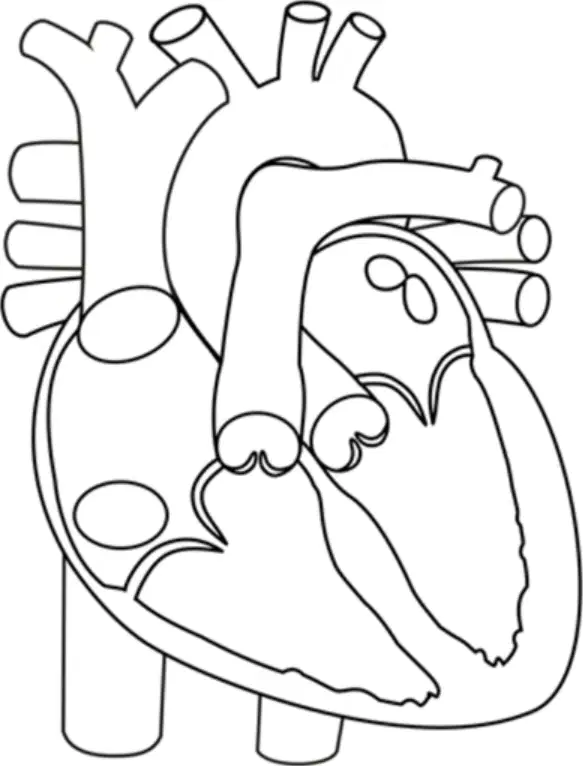
Where might a blockage disrupt circulation in the cardiovascular system?
Arteries
Muscles
Bones
Skin
Blockage of Blood Flow
Myocardial infarction (heart attack)
The body has several organ systems. Which organ system is pictured here?
muscular system
skeletal system
digestive system
circulatory system
respiratory system
nervous system
Select the artery that pumps red blood cells carrying carbon dioxide into the lungs.
Which part of the heart if the "left atrium"?
Which vessel brings blood from the brain to the heart?

