
 Worksheets
The Pathway of Blood Flow Through the Heart
Total questions: 20
Worksheet time: 10mins
Recall the correct sequential pathway of deoxygenated blood entering the heart and reaching the lungs. Which option best describes the flow?
Superior and inferior vena cava → right atrium → right ventricle → pulmonary arteries → lungs
Pulmonary veins → left atrium → left ventricle → aorta → body
Right atrium → pulmonary veins → lungs → right ventricle
Aorta → right ventricle → pulmonary arteries → lungs
Strategic application: A thrombus obstructs blood flow leaving the left ventricle. Which downstream vessel is most directly affected first according to the systemic circulation pathway?
Pulmonary arteries
Aorta
Pulmonary veins
Superior vena cava
Which change is listed as increasing in heart failure according to the material?
Contraction
Ventricular pressure
Systolic pressure
Diastolic volume
Digitalis glycosides (e.g., digoxin) are described as having three structural components. Which option correctly matches those components?
Steroid nucleus, sugar at the C-3 position, and 5 or 6 lactone rings at the C17 position
Aromatic ring, phosphate group, and amide linkage
Peptide backbone, disulfide bridge, and terminal carboxyl group
Pyrimidine base, ribose sugar, and triphosphate chain
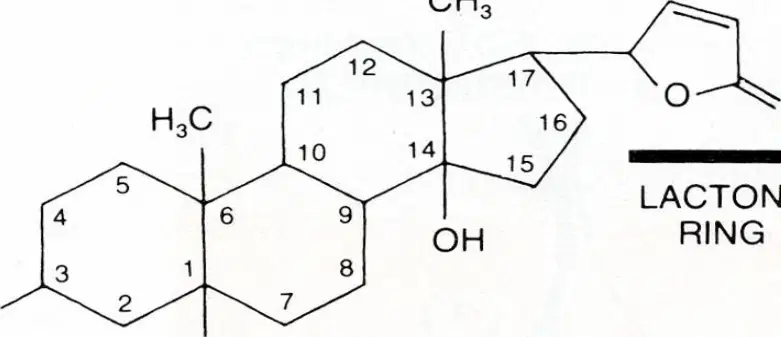
Which structural components together form the genin (aglycone) portion of a digitalis glycoside responsible for the cardiotonic effect?
Sugar moiety and hydroxyl group
Steroid core and lactone ring
Lactone ring and multiple digitoxose sugars
Steroid core and rhamnose
In the typical structure of a cardiac glycoside like digoxin, which component is the non-sugar portion responsible for pharmacologic activity?
Genin (Aglycone) with a steroid nucleus and lactone ring
Disaccharide side chain only
Phenylpropanoid ring system
Peptide backbone
Purine base
Which statement best explains how Digitalis increases cardiac output?
It inhibits Na+/K+-ATPase, raises intracellular Na+, reduces Na+/Ca++ exchange, increases Ca++ binding to troponin-C, and enhances inotropy
It activates Na+/K+-ATPase, lowers intracellular Na+, increases Na+/Ca++ exchange, decreasing Ca++ and contractility
It blocks calcium channels, decreases Ca++ binding to troponin-C, and reduces inotropy
It stimulates beta-adrenergic receptors to raise heart rate and output
It opens potassium channels to hyperpolarize the myocardium and reduce contractility
Which statement best explains how digitalis glycosides can increase blood pressure?
They stimulate AV node impulses, shortening the resting period and reducing ventricular filling.
They inhibit AV node impulses, lengthening the resting period and increasing ventricular filling, which lengthens muscle fibers and strengthens heart contraction.
They dilate coronary arteries, decreasing preload and reducing the force of contraction.
They increase atrial contractility while decreasing ventricular filling.
Which statement best describes the main effect of Digitalis on the heart?
Decrease myocardial contractility
Improve myocardial contractility (positive inotropic effect)
Increase heart rate (positive chronotropic effect)
Block sympathetic reflexes only
Digitalis slows chronotropic action primarily because it inhibits impulses from which cardiac structure to the AV node?
Purkinje fibers
Bundle of His
SA node
Left ventricle
A patient receiving Digitalis develops reduced AV node conduction. Which outcome is most directly expected?
Heart rate increases
Heart rate decreases
No change in heart rate
Stroke volume decreases
Which clinical finding is most consistent with digitalis poisoning as described for glycoside toxicity?
Bradycardia with normal EKG
GI tract disorders
Polyuria without other symptoms
Skin rash only
Which digitalization method administers 1/5 of the estimated total dose for 48 hours until the effect appears?
Slow digitalization
Fast digitalization
Intensive digitalization
Maintenance dosing
A clinician aims to rapidly achieve therapeutic levels while minimizing digitalis poisoning. According to the outlined methods, which dosing schedule best fits this goal?
1/3 of the estimated total dose at 6-hour intervals
1/5 of the estimated total dose over 48 hours
1/2 of the estimated dose, then 1/4 after 6 hours, then 1/8 at 4–6 hours
Single full estimated dose
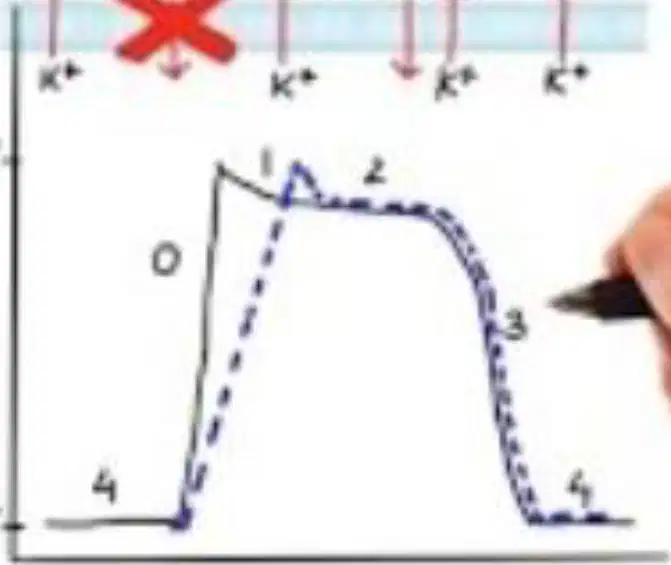
Which measure is specifically indicated to counteract Digitalis glycoside poisoning by antagonizing its effects on myocardial cells?
Administration of potassium chloride
Use of chloramine disinfectant
Slow digitalization protocol
Intensive digitalization protocol
Which statement best distinguishes Class 1b antiarrhythmic drugs from Class 1c based on their predominant effects?
Class 1b slightly slows conduction with no refractory changes, whereas Class 1c markedly slows conduction and slightly extends the refractory phase.
Class 1b strongly blocks Na+ and minimally affects K+, whereas Class 1c weakly blocks Na+ without affecting K+.
Class 1b blocks calcium entry and reduces phase slope 4, whereas Class 1c blocks beta adreno receptors.
Class 1b extends the action potential and refractory phase, whereas Class 1c reduces phase 4 slope.
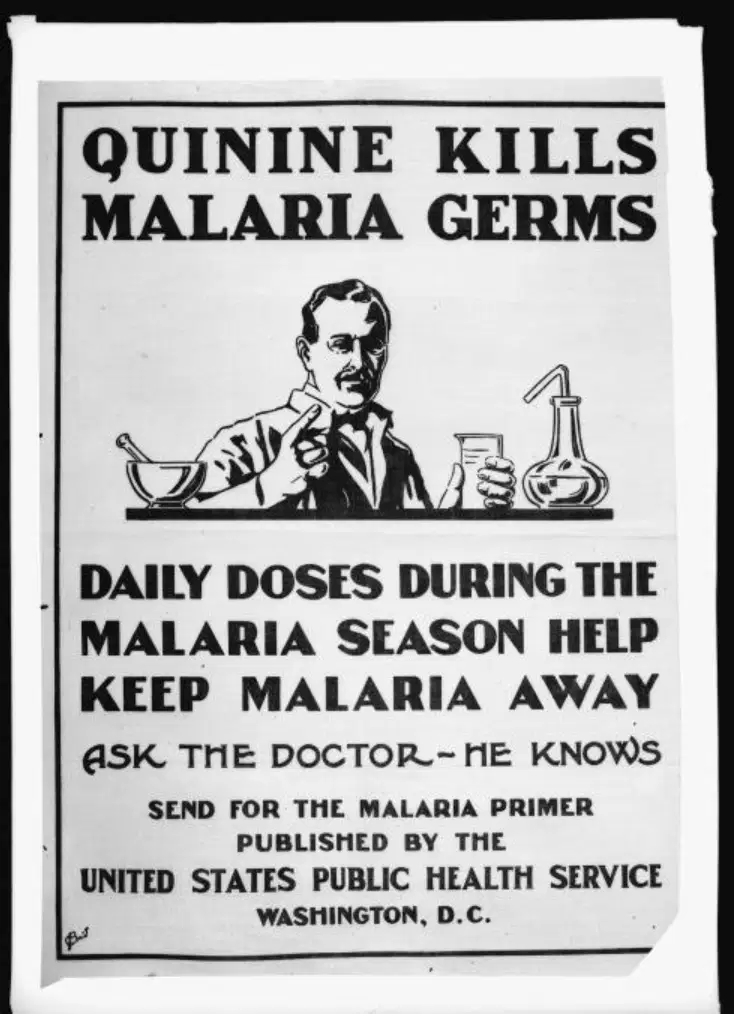
Which statement best describes how quinidine (quinidine sulfate) has been historically characterized in terms of therapeutic uses?
An antibiotic used primarily for respiratory infections
An antimalarial that also treats irregular pulse rate in atrial conditions
A diuretic used to reduce preload in heart failure
A calcium supplement that enhances myocardial contractility
An anticoagulant that prevents venous thrombosis

A veterinarian plans to administer quinidine to a dog for effects on cardiac rhythmicity observed on ECG as a change in the spontaneous slope of depolarization. Which dosing plan aligns with the provided guidance?
50–100 mg orally once daily
2–6 mg/kg every 8 hours
5–10 g per day
0.5 mg/kg IV every hour
100–200 mg IM once weekly
Which statement best describes procainamide hydrochloride as presented?
A Class 1b antiarrhythmic derived from lidocaine
A Class 1a antiarrhythmic, a procaine derivative containing an amide group with a mechanism similar to quinidine
A Class 1c antiarrhythmic that primarily blocks potassium channels
A beta-blocker used for supraventricular tachycardia
Phenytoin sodium is classified under which antiarrhythmic class and is indicated for which condition according to the material?
Class 1a; atrial fibrillation
Class 1b; ventricular arrhythmias and digitalis poisoning
Class 1c; Wolff-Parkinson-White syndrome
Class 2; bradyarrhythmias