
 Worksheets
Quiz on Electronic Money
Total questions: 79
Worksheet time: 40mins
What is the definition of electronic money according to the European Central Bank (2022)?
A physical store of monetary value used for payments to the e-money issuer.
An electronic store of monetary value on a technical device used for payments to entities other than the e-money issuer.
A digital currency used exclusively for online transactions.
A form of cryptocurrency used for decentralized payments.
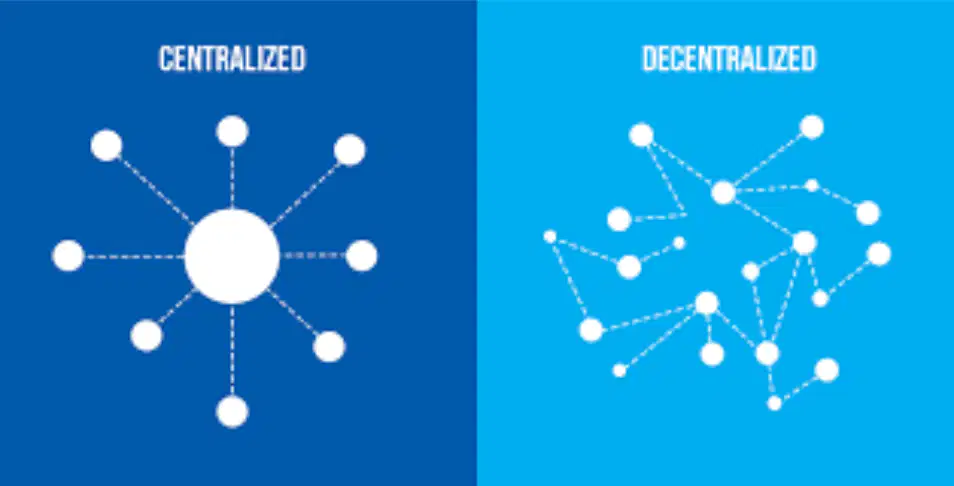
What is one of the key characteristics of digital currency?
Exists in physical form only
Can be centralized or decentralized
Cannot transfer value
Only exists in paper form

Which of the following is true about digital currency?
It can only exist in physical form
It cannot transfer value
It exists in digital form only
It is always decentralized

What is a feature of digital currency that differentiates it from traditional currency?
It can transfer value
It is always centralized
It exists in both physical and digital forms
It cannot be decentralized
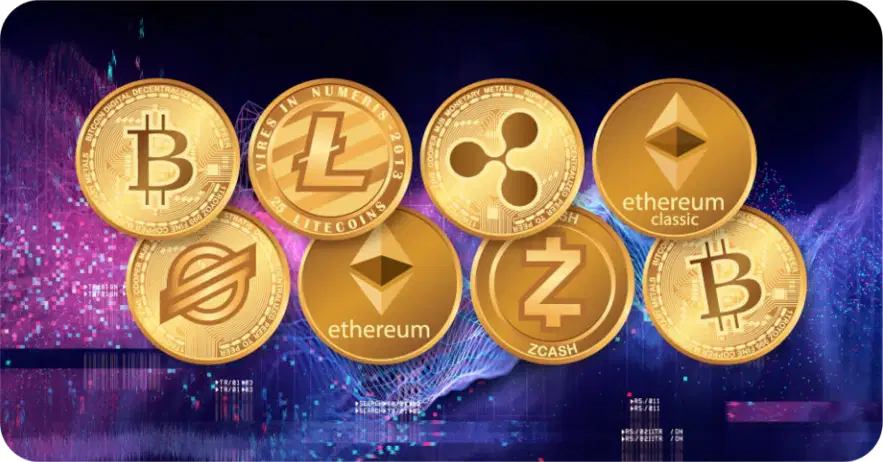
What are cryptocurrencies?
Physical coins used for online transactions
Digital currencies that use cryptography to secure and verify transactions in a network
Paper money used in digital wallets
Tokens used exclusively for gaming platforms

Which of the following is an example of a cryptocurrency?
Bitcoin
PayPal
Credit Card
Bank Transfer
What is the primary purpose of cryptography in cryptocurrencies?
To create physical coins
To secure and verify transactions in a network
To convert digital currencies into paper money
To track the location of users

What is a virtual currency?
A type of regulated physical money issued by governments.
A type of unregulated digital money controlled by developers and used within specific virtual communities.
A type of cryptocurrency used for international transactions.
A type of digital money backed by gold reserves.
Which organization provided the definition of virtual currency in 2012?
World Bank
European Central Bank (ECB)
International Monetary Fund (IMF)
United Nations
What is one characteristic of virtual currencies?
They are regulated by central banks.
They are controlled by their developers.
They are backed by physical assets.
They are used exclusively for international trade.
In what type of community are virtual currencies typically used and accepted?
Global financial markets.
Specific virtual communities.
National economies.
Physical retail stores.
What does CBDC stand for?
Central Bank Digital Currency
Cryptocurrency Blockchain Digital Currency
Centralized Banking Digital Coin
Cryptographic Banking Digital Coin
Which institution issues CBDCs?
Commercial banks
Central bank of a country
Private financial institutions
Cryptocurrency exchanges
What are the characteristics of CBDCs?
Only fiat money
Only cryptocurrencies
Both cryptocurrencies and fiat money
Neither cryptocurrencies nor fiat money
CBDCs are a combination of which two types of money?
Fiat money and gold reserves
Digital money and fiat money
Cryptocurrencies and digital money
Banknotes and gold reserves
Placeholder for "CBDC tracker (2022)" map showing global CBDC status.
Map showing global CBDC status in 2022
Map showing global GDP status in 2022
Map showing global population status in 2022
Map showing global internet usage in 2022
Placeholder for Venn diagram illustrating CBDC as a combination of digital money and fiat money.
CBDC is both digital money and fiat money.
CBDC is only digital money, not fiat money.
CBDC is only fiat money, not digital money.
CBDC is neither digital money nor fiat money.
Placeholder for diagram explaining the flow of Central Bank Digital Currencies (CBDC) between banks, wallets, and the central bank.
Diagram showing the movement of CBDC between banks, wallets, and the central bank.
Diagram showing the flow of physical cash between banks and customers.
Diagram explaining the process of loan approval in commercial banks.
Diagram illustrating the exchange of foreign currencies between banks.

Which of the following is an advantage of e-currency?
Scalability issues
Fast transfer
Cybersecurity issues
Regulation issues
What is one disadvantage of e-currency?
Fraud protection
Decentralised & Autonomous
Price volatility and lack of inherent value
Peer-to-Peer Transactions
Which of the following is NOT an advantage of e-currency?
Low cost
Scalability issues
Discrete & Confidential
Peer-to-Peer Transactions

What does decentralised and autonomous mean in the context of e-currency?
It requires physical manufacturing facilities.
It operates without a central authority.
It is prone to cybersecurity issues.
It has high regulation issues.
Which of the following is a cybersecurity issue related to e-currency?
Fraud protection
Peer-to-Peer Transactions
Scalability issues
Cybersecurity issues
What is a digital wallet (or e-wallet)?
A physical wallet used to store cash and cards
A financial transaction application that runs on mobile devices
A type of bank account used for savings
A device used to withdraw money from ATMs
What is one of the primary functions of a digital wallet?
To store physical cash
To securely store payment information and passwords
To print receipts for transactions
To convert currencies

Which of the following technologies is used by digital wallets to store information in matrix bar codes?
Near Field Communication (NFC)
Magnetic Secure Transmission (MST)
QR codes
Bluetooth
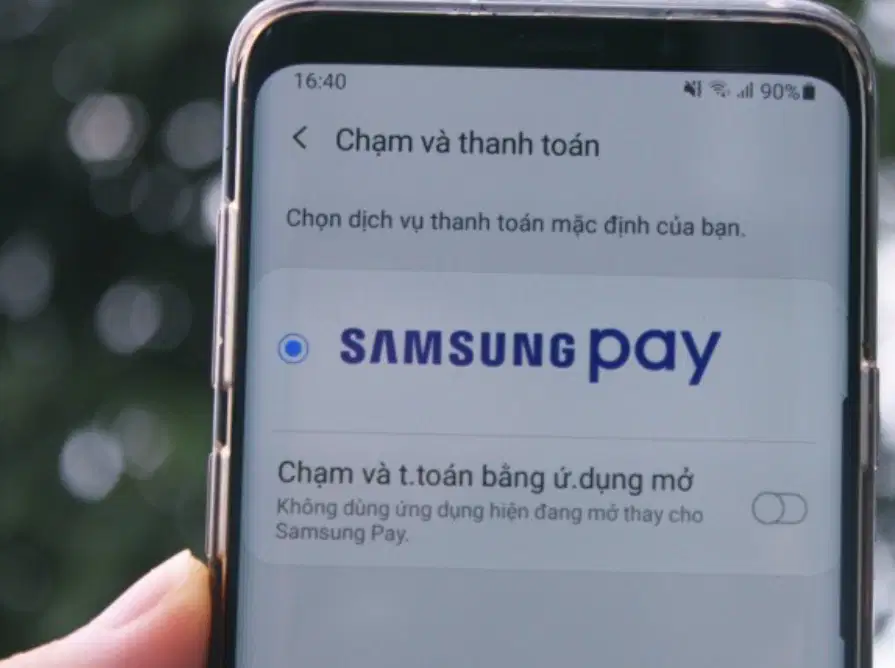
What does Near Field Communication (NFC) technology allow smart devices to do?
Store information in matrix bar codes
Connect and transfer information using electromagnetic signals
Read magnetic cards at a point of sale
Communicate using infrared signals
Which technology is used by magnetic card readers to read cards when swiped through a slot at a point of sale?
QR codes
Near Field Communication (NFC)
Magnetic Secure Transmission (MST)
Radio Frequency Identification (RFID)
Which of the following is NOT a technology used by digital wallets?
QR codes
Near Field Communication (NFC)
Magnetic Secure Transmission (MST)
Infrared Communication
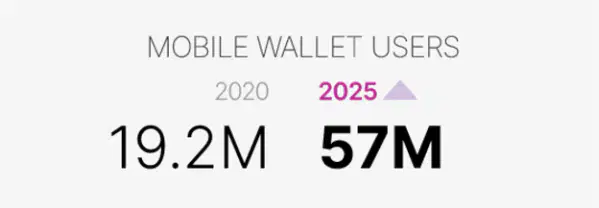
What is the projected number of mobile wallet users in Vietnam by 2025?
19.2M
57M
674M
5B

Which mobile wallet holds the largest market share in Vietnam?
ViettelPay
ZaloPay
MoMo
GrabPay

What percentage of the mobile wallet market share does MoMo hold in Vietnam?
25.2%
53.0%
10.6%
5.3%
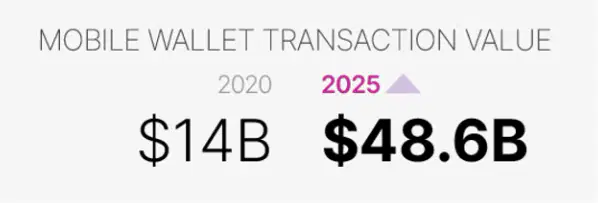
What is the projected mobile wallet transaction value in Vietnam by 2025?
$14B
$48.6B
$5B
$3.9K
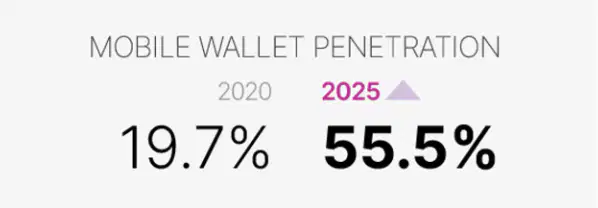
What is the expected mobile wallet penetration rate in Vietnam by 2025?
19.7%
55.5%
29.6%
23.7%
How much venture capital was raised by MoMo as of 2021?
$230 million
$48.6 billion
$14 billion
$3.9 billion
What is the main focus of the section titled "Related Management of E-Banking Products and Services"?
Management of physical banking branches
Management of e-banking products and services
Management of customer complaints
Management of financial investments

Which of the following is NOT depicted in the diagram related to management concepts?
Leadership
Organize
Marketing
Control
What does the term "coordinate" in the context of management likely refer to?
Ensuring all parts of a process work together effectively
Assigning tasks to employees
Monitoring financial transactions
Developing new e-banking products
Which university is associated with the document on "E-Banking Management"?
Harvard University
Vietnam National University
Oxford University
Stanford University
What is the definition of money laundering?
The process of legally earning money through investments.
The illegal process of making large amounts of money generated by criminal activity appear to have come from a legitimate source.
The process of laundering money to clean it physically.
The legal process of transferring money across borders.
Which of the following is an example of criminal activity that can lead to money laundering?
Drug trafficking.
Legal business investments.
Charitable donations.
Stock market trading.
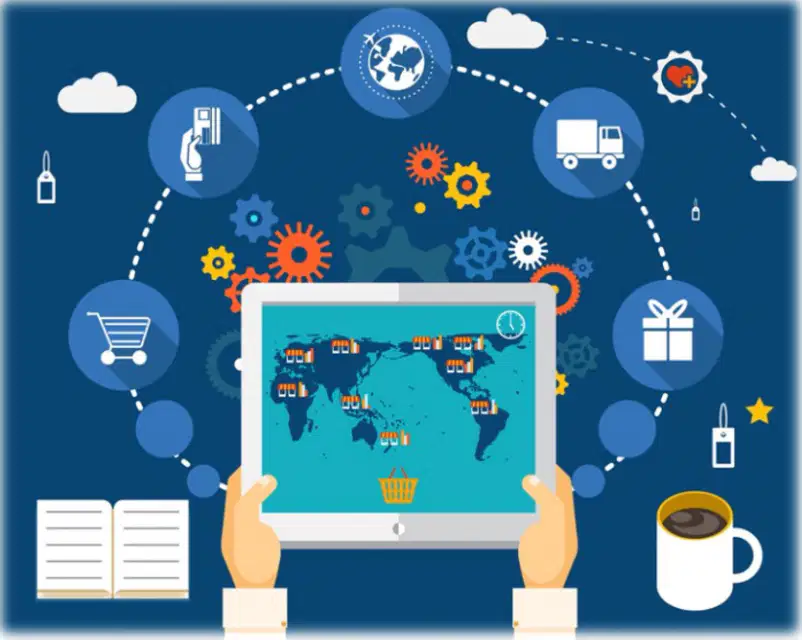
What is the focus of managing and supervising cross-border electronic banking activities?
To promote illegal transactions.
To ensure the security and regulation of international banking activities.
To encourage unregulated financial activities.
To avoid the use of technology in banking.
What is the primary goal of cybersecurity in the context of finance and banking?
To protect financial data and prevent cyber threats.
To promote the use of unsecure networks.
To encourage the sharing of sensitive information.
To eliminate the use of technology in banking.

What is the first stage of the money laundering process?
Integration
Placement
Layering
Concealment

Which stage of the money laundering process involves concealing the source of money through transactions and bookkeeping tricks?
Placement
Layering
Integration
Withdrawal

What happens during the integration stage of the money laundering process?
Dirty money is injected into the financial system.
The source of money is concealed through transactions.
Laundered money is withdrawn from a legitimate account for use.
Money is hidden in offshore accounts.
Which of the following is NOT a stage in the money laundering process?
Placement
Layering
Integration
Distribution

What is the primary goal of the layering stage in money laundering?
To inject dirty money into the financial system.
To conceal the source of the money.
To withdraw laundered money for use.
To transfer money to offshore accounts.
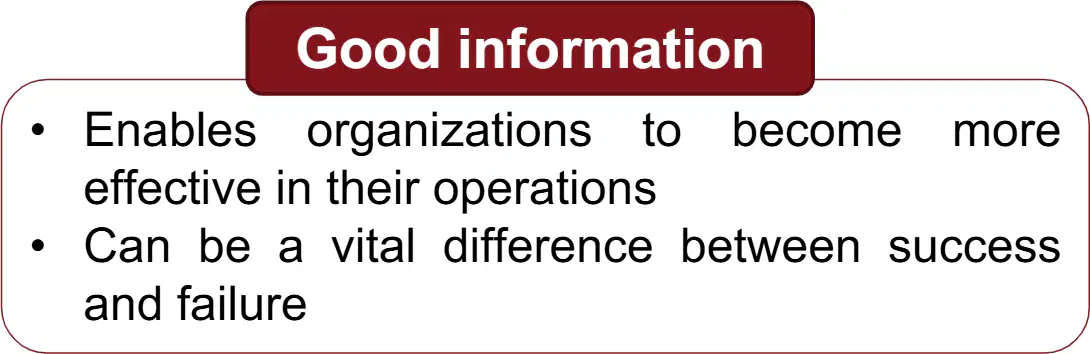
What is one of the benefits of good information for organizations?
It increases the number of employees.
It enables organizations to become more effective in their operations.
It reduces the need for technology.
It eliminates the need for management.
Why is managing information a challenge for organizations across many industries?
Because information is always outdated.
Because information management requirements are usually huge.
Because organizations do not use technology.
Because employees do not understand information.
What is required for effective e-banking management?
A large number of employees.
Up-to-date and timely information in an understandable format.
A reduction in operational costs.
Elimination of customer service.
What can good information be a vital difference between?
Profit and loss.
Success and failure.
Growth and stagnation.
Innovation and tradition.
What is e-currency primarily managed, stored, or exchanged on?
Physical banks
Digital computer systems
Paper-based systems
Physical currency exchanges
Which of the following statements is true about digital currencies?
Digital currencies exist in both physical and digital forms.
Digital currencies are primarily physical assets.
Digital currencies only exist in digital form and do not have a physical equivalent.
Digital currencies are stored in physical vaults.
In which decade did banks start using mainframe computers to track transactions between branches and other banks, marking the first uses of electronic money?
1960s
1970s
1980s
1990s
What significant development in e-currency occurred in 2008?
Introduction of Minitel terminals in France
Creation of PayPal for electronic money transfers
Satoshi produced the white paper for Bitcoin, the world’s first decentralized digital currency
Banks started using mainframe computers for transactions
What was the purpose of Minitel terminals introduced in France in the 1980s?
To enable anonymous transfers of funds
To allow customers to pay for products from home using dial-up connections
To create the first decentralized digital currency
To track transactions between banks
According to Regulation No. 80/2016/ND-CP in Vietnam, which of the following is true about electronic money (e-money)?
E-money is considered a legal means of payment like checks and bank cards.
E-money can be used as a substitute for common payment in commercial transactions.
E-money is not on the list of legal means of payment in Vietnam.
Vietnam has clear regulations prohibiting the use of e-money.
What does Regulation No. 80/2016/ND-CP state about the use of e-money in commercial transactions in Vietnam?
E-money is encouraged for use in all commercial transactions.
E-money cannot be used as a substitute for common payment in commercial transactions.
E-money is the primary method of payment in Vietnam.
E-money is only allowed for international transactions.
What is the current reality regarding the regulation of e-money in Vietnam?
Vietnam has strict regulations prohibiting the use of e-money.
Vietnam has no clear regulation on the prohibition of e-money.
E-money is fully legalized and regulated in Vietnam.
E-money is banned in Vietnam.

What is the current reality regarding the regulation of e-money in Vietnam?
E-money is strictly regulated with comprehensive legal frameworks in place.
There is currently no specific legal framework regulating e-money in Vietnam.
E-money is only allowed for government transactions in Vietnam.
E-money is banned in Vietnam.
Which of the following is an advantage of outsourcing in system development?
Development of in-house expertise
Low risk
High risk strategy
High training expenses
What is a disadvantage of in-house system development?
High external consultancy costs
High dependency on vendors
High costs
Known costs
Which of the following is a unique advantage of in-house system development?
Expert support from vendors
Flexibility
Ability to focus on core business issues
Unique processes may lead to competitive advantage
What is a disadvantage of outsourcing in system development?
High risk strategy
Possible inflexibility
Less changes may be required in business processes
Development of in-house expertise
Which of the following is NOT an advantage of outsourcing?
Known costs
Easier upgrades
High risk strategy
Ability to focus on core business issues
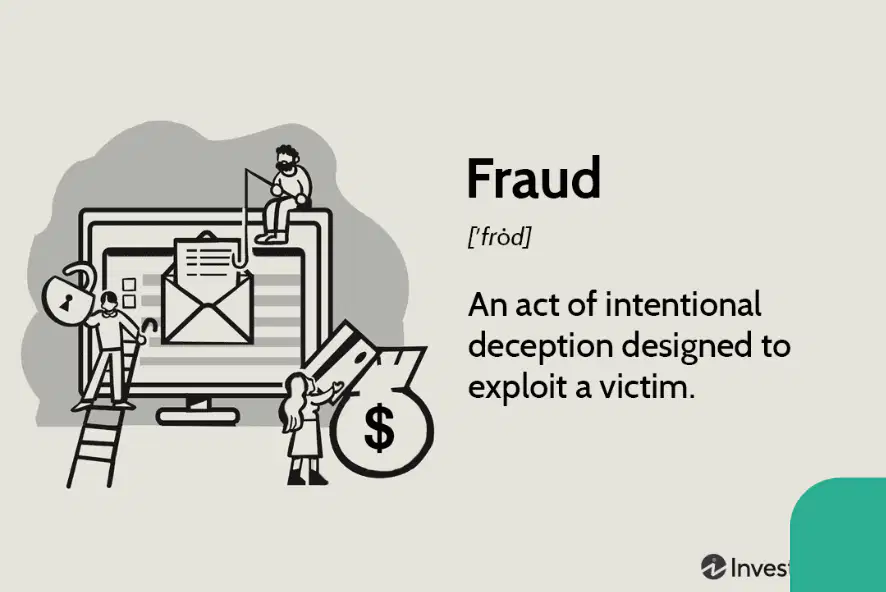
What is the definition of fraud in the context of security problems?
An accidental error in a system causing security breaches
An act of intentional deception designed to exploit a victim
A harmless prank performed by casual hackers
A system upgrade to improve security
Which type of hacking is associated with criminal intent?
Ethical hacking
Hacking by casual hackers
Hacking with criminal intent
System debugging

What is a common cause of security breaches in systems?
Flaws in systems providing opportunities for security breaches
Regular system updates
Ethical hacking practices
Strong encryption methods
What term is used to describe hacking performed by individuals without malicious intent but for exploration or curiosity?
Hacking with criminal intent
Hacking by 'casual hackers'
Ethical hacking
System debugging
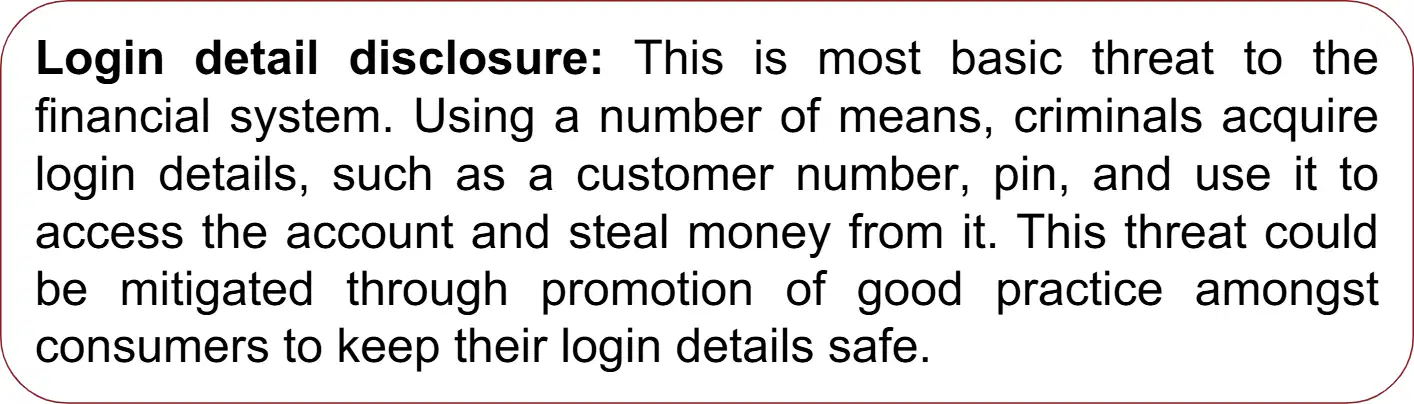
What is the most basic threat to the financial system mentioned in the text?
Computer spy viruses
Dummy sites
Login detail disclosure
Phishing emails
How can the threat of login detail disclosure be mitigated according to the text?
By installing antivirus software
By promoting good practice among consumers to keep their login details safe
By avoiding online banking altogether
By using dummy sites for transactions
What is the primary method through which computer spy viruses are spread?
Through physical USB drives
Through malicious emails
Through social media platforms
Through dummy websites
What type of criminal activities can computer spy viruses facilitate?
Credit card cloning and unauthorized funds transfer
Physical theft of computers
Creation of dummy websites
Promotion of good practices among consumers
What is the purpose of dummy sites as described in the text?
To provide secure banking services
To lure customers and steal their login details for criminal activities
To promote cybersecurity awareness
To act as backup websites for banks

What is one of the key approaches to addressing security problems in online banking?
A reactive approach to security
A strategic approach to security
Ignoring security risks
Reducing staff responsibilities
Which of the following is essential for managing security in online banking?
Sufficient staff with security expertise and responsibilities
Eliminating monitoring tools
Reducing the use of system-based security
Avoiding continuity plans
What is the purpose of continuity plans in online banking security?
To ignore security breaches
To deal with the aftermaths of any security breaches
To reduce the use of security tools
To eliminate staff responsibilities

Why is the regular use of system-based security and monitoring tools important in online banking?
To ensure proactive security measures
To reduce security risks
To eliminate the need for staff expertise
To ignore potential threats

