wayground logo

Free Printable Worksheets

Font size

S
M
L
XL
Worksheets

Test Review Topic 2b Test 25-26

Total questions: 22

Worksheet time: 12mins
Name
Class
Date
1.
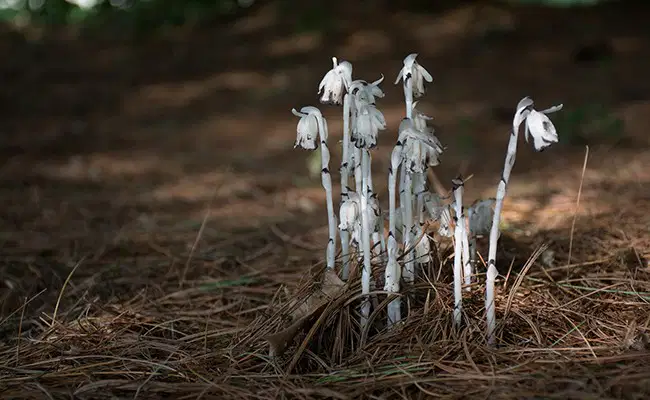
1. The ghost plant is white with a single stalk. The ghost plant is a parasite that feeds on fungi under the ground. Ghost plant cells have all the usual plant organelles except for a _________________.
a)
mitochondria
b)
chloroplast
c)
large vacuole
d)
nucleus
2.
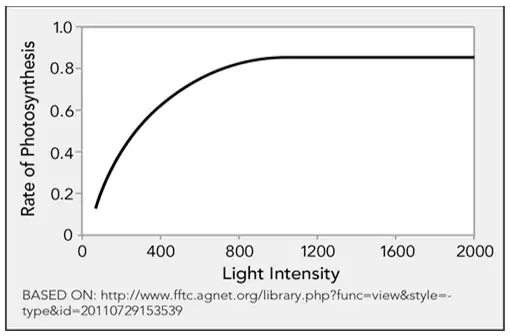
2. Susie conducted an experiment to see how light affects grass growth. The first group of grass is exposed to a light intensity of 400. The second group is exposed to a light intensity of 1200. The graph below shows the results of Susan’s experiment. According to the graph, which of the following should be expected from Susie’s two groups of plants?
a)
The plants at a light intensity of 1200 will produce more oxygen than the plants at 400.
b)
The plants at a light intensity of 1200 will perform only stage 1 of photosynthesis.
c)
The plants at a light intensity of 400 will produce more glucose than the plants at 1200.
d)
The plants at a light intensity of 400 will grow more quickly than the plants at 1200.
3.
3. Which two sentences describe Stage 1 of photosynthesis?
a)
Sunlight splits water molecules into hydrogen and oxygen.
b)
Glucose, a type of sugar, is produced.
c)
Oxygen is released into the environment.
d)
Chlorophyll, the green pigment found in chloroplasts, is required.
4.
4. Which two sentences describe Stage 2 of photosynthesis?
a)
Sunlight splits water molecules into hydrogen and oxygen.
b)
Glucose, a type of sugar, is produced.
c)
Oxygen is released into the environment.
d)
Chlorophyll, the green pigment found in chloroplasts, is required.
5.
5. A plant releases 600 molecules of oxygen (O2). If this is correct, how many molecules of glucose did the Venus flytrap create?
a)
50
b)
100
c)
300
d)
600
6.
6. What happens first in your body cells as you run?
a)
Oxygen is used to break down smaller molecules.
b)
A glucose molecule enters the body cell.
c)
A large amount of energy is released.
d)
Smaller molecules enter the mitochondrion.
e)
A glucose molecule is broken down in the cytoplasm.
7.
7. What happens next?
a)
oxygen is used to break down smaller molecules.
b)
a glucose molecule enters the body cell.
c)
a large amount of energy is released.
d)
smaller molecules enter the mitochondrion.
e)
a glucose molecule is broken down in the cytoplasm.
8.
8. Then what happens?
a)
Oxygen is used to break down smaller molecules.
b)
A glucose molecule enters the body cell.
c)
A large amount of energy is released.
d)
Smaller molecules enter the mitochondrion.
e)
A glucose molecule is broken down in the cytoplasm.
9.
9. Near the end of cellular respiration,
a)
oxygen is used to break down smaller molecules.
b)
a glucose molecule enters the body cell.
c)
a large amount of energy is released.
d)
smaller molecules enter the mitochondrion.
e)
a glucose molecule is broken down in the cytoplasm.
10.
10. What happens last in your body cells as you run?
a)
oxygen is used to break down smaller molecules.
b)
a glucose molecule enters the body cell.
c)
a large amount of energy is released.
d)
smaller molecules enter the mitochondrion.
e)
a glucose molecule is broken down in the cytoplasm.
11.
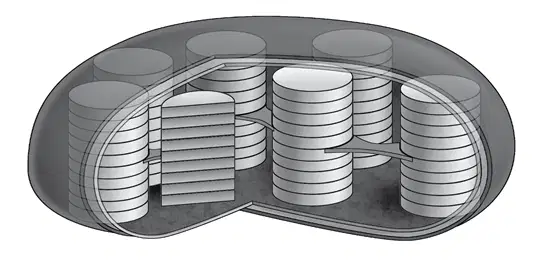
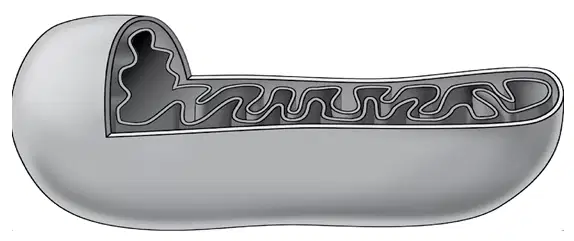
11. Which image represents a cell organelle that would release carbon dioxide as a waste product?
a)
Option 1
b)
Option 2
12.
12. Which of the following actions would potentially increase the rate of cellular respiration of fish in a fish tank?
a)
Reducing the amount of food placed in the tank.
b)
Increasing the amount of carbon dioxide in the tank.
c)
Increasing the amount of oxygen in the tank.
d)
Reducing the amount of sunlight that hits the tank.
13.

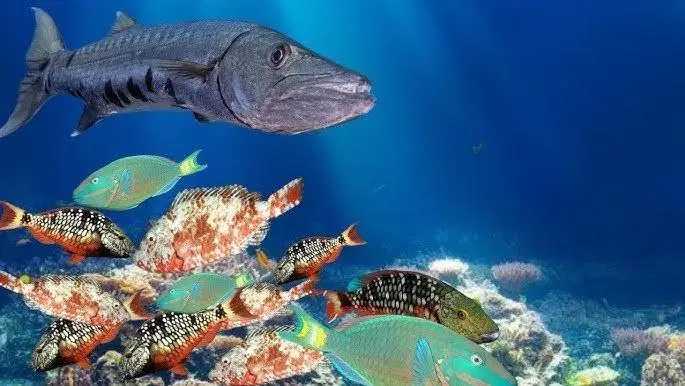
The coral reef ecosystem is full of interactions among organisms. Large fish called barracuda feed on smaller fish called parrot fish. The parrot fish feed on algae. Which of these living things would be responsible for releasing oxygen from the process of photosynthesis?

a)

parrot fish

b)

algae

c)

barracuda

d)

large fish

14.

Where do plants get the carbon needed to make glucose molecules during the process of photosynthesis?

a)

from the ground

b)

from the air

c)

from the water

d)

from the sun

15.

Which 2 of the compounds would the plant require as inputs for photosynthesis? 

a)

carbon dioxide

b)

sugar

c)

oxygen

d)

water

16.

Which of the 2 compounds would the plant release as outputs from photosynthesis? 

a)

carbon dioxide

b)

sugar

c)

oxygen

d)

water

17.

As an Arizona poppy plant carries out photosynthesis, which of the following would not occur during stage 1 of the process?

a)

Chlorophyll absorbs light energy.

b)

Oxygen is released as waste.

c)

Water splits into hydrogen and oxygen.

d)

Carbon dioxide is used to make glucose.

18.

All plants and animals use the process of (1)_______________ to obtain energy from food. This process begins in the (2)_________________, where glucose is broken down into smaller molecules to produce energy. The second part of the process takes place in the (3)_______________. Here the molecules are broken down further and produce (4)_______________ as a waste product.

a)

lactic acid formation • mitochondria • cytoplasm • lactic acid

b)

photosynthesis • muscles • cytoplasm • water

c)

cellular respiration • cytoplasm • mitochondria • carbon dioxide

d)

alcoholic fermentation • intestines • muscles • glucose

19.

How is lactic acid fermentation different from the process of cellular respiration that usually takes place in our cells?

a)

Fermentation does not produce carbon dioxide.

b)

Fermentation does not take place in human cells.

c)

Fermentation produces more energy than respiration.

d)

Fermentation does not require oxygen.

20.

Maria owns a bakery and bakes many different types of yeast breads. One day she notices that the bread she baked is flat and does not contain the air bubbles that are usually present. Which of the following would be a good explanation for what has happened to her yeast?

a)

The yeast did not produce the carbon dioxide needed for the bread to rise.

b)

The yeast did not produce the alcohol needed for the bread to rise.

c)

The yeast were very active and produced too much energy.

d)

The yeast produced too much carbon dioxide.
21.

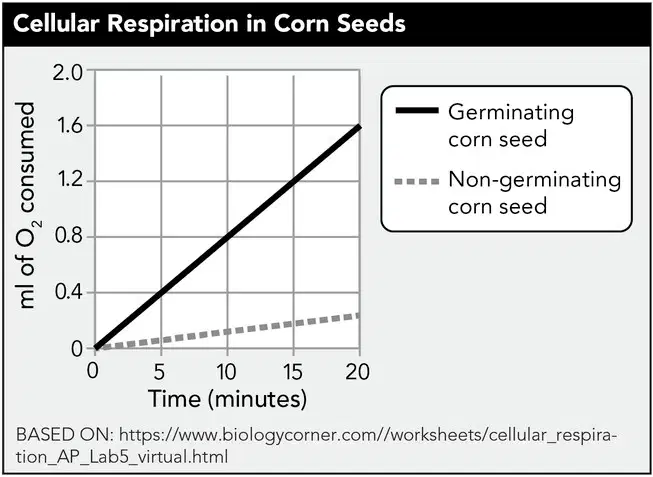
Callie did a lab during which she investigated the difference in cellular respiration rates between two different types of corn: germinating and non-germinating. A germinating seed is one from which a plant has started to grow. A non-germinating seed is usually dry, and a new plant has not yet emerged. The data that she gathered are displayed in this graph:

Which of the following statements are true concerning the data that Callie gathered during the lab?

a)

The germinating corn seed consumed more oxygen than the non-germinating corn seed.

b)

The non-germinating corn seed produced more carbon dioxide than the germinating corn seed.

c)

The non-germinating corn seed performed cellular respiration and the germinating corn seed performed fermentation.

22.

In addition to carbon dioxide, which of the following should Callie expect the seeds to give off as a waste product from performing cellular respiration?

a)

glucose

b)

energy

c)

water

d)

oxygen