
 Worksheets
Plant Reproduction Quiz
Total questions: 100
Worksheet time: 50mins
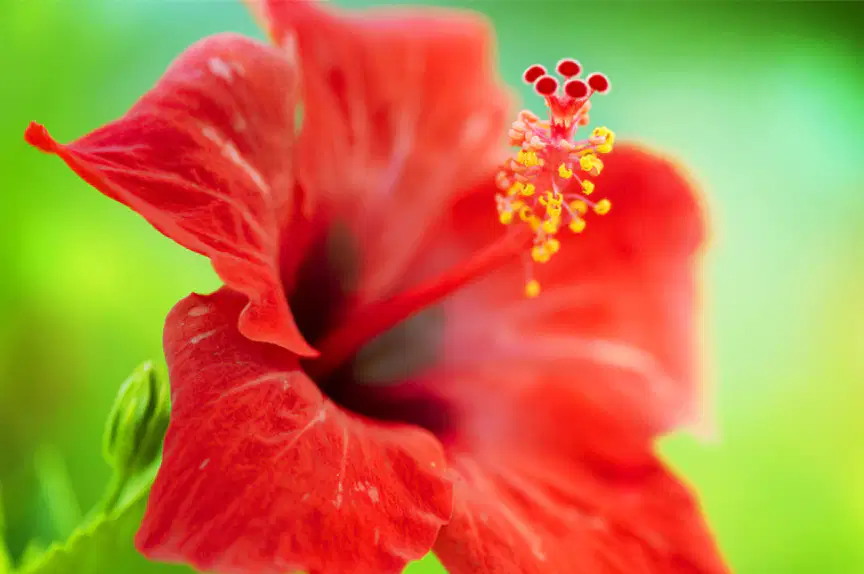
¿Qué parte de una planta se utiliza principalmente para la reproducción?
Flor
Hoja
Raíz
Tallo
¿Por qué son importantes las flores para las plantas?
Ayudan a las plantas a reproducirse
Producen alimento para la planta
Absorben agua del suelo
Protegen a la planta de los animales
Si una planta no tuviera flores, ¿qué podría pasar con su capacidad de reproducirse?
Tendría problemas para producir semillas
Crecería más rápido
Tendría más hojas
Necesitaría menos luz solar
¿Cuál de las siguientes es una estructura que se encuentra en las flores donde se forman las semillas?
Ovario
Hoja
Raíz
Tallo
¿Qué producen muchas plantas para reproducirse?
Semillas
Hojas
Ramas
Espinas
¿Cuál es el propósito principal de las estructuras en las flores y las piñas?
Ayudar a las plantas a reproducirse
Ayudar a las plantas a absorber agua
Ayudar a las plantas a producir alimento
Ayudar a las plantas a crecer más altas
Tanto las semillas como las esporas pueden dispersarse lejos de la planta madre. ¿Por qué es esto importante para las plantas?
Permite que los descendientes crezcan en nuevas áreas
Ayuda a que las plantas permanezcan juntas
Hace que las plantas crezcan más rápido
Evita que las plantas produzcan flores
¿Qué palabra del vocabulario científico se refiere al polvo que ayuda a las plantas a reproducirse?
Polen
Ovario
Pistilo
Cono
Algunas plantas se reproducen usando esporas en lugar de semillas. ¿Cuál es una diferencia entre las esporas y las semillas?
Las esporas no son semillas
Las esporas siempre son más grandes que las semillas
Las esporas crecen en los animales
Las esporas están hechas de metal
¿Cómo se llama el proceso cuando un ser vivo crea más miembros de su propia especie?
Fotosíntesis
Respiración
Reproducción
Digestión
¿Cuál de los siguientes es un ejemplo de un organismo?
Una roca
Una planta de margarita
Una silla
Agua
¿Qué producen las plantas de margarita cuando se reproducen?
Árboles de pino
Dientes de león
Más plantas de margarita
Rosas
¿Por qué ves más plantas de margarita en un jardín cada año?
Las personas las plantan cada año
Las plantas de margarita se reproducen y crean nuevas plantas de margarita
Los animales las traen de otros lugares
Se transforman en otros tipos de plantas
¿Cómo están relacionadas las nuevas plantas con la planta original?
Se llaman ancestros
Se llaman depredadores
Se llaman descendientes o, en plantas, brotes
Se llaman raíces
¿Qué tienen la mayoría de las plantas para ayudarlas a reproducirse?
Raíces para el agua
Diferentes grupos de estructuras
Hojas para sombra
Tallos para soporte
¿Cuál es el primer paso en la reproducción de plantas como las margaritas?
Germinación
Polinización
Fertilización
Fotosíntesis
¿Qué estructuras deben combinarse dentro de una planta para que ocurra la fertilización?
Raíces y hojas
Estructuras masculinas y femeninas
Pétalos y tallos
Semillas y suelo
¿Qué tienen la mayoría de las flores para ayudar con la reproducción?
Raíces, tallos y hojas
Estambres, pistilos y pétalos
Semillas, suelo y agua
Ramas, corteza y espinas
¿Dónde se forma el polen en una flor?
En la base del pistilo
En los pétalos
En la punta de los estambres
Dentro del ovario
¿Cómo se reproducen las margaritas y muchos otros tipos de plantas?
Creciendo nuevas raíces
Produciendo flores
Extendiendo hojas
Formando frutos
¿Por qué deben combinarse las estructuras masculinas y femeninas de una margarita?
Para que la planta crezca más alta
Para producir semillas para nuevas plantas
Para ayudar a la planta a fotosintetizar
Para atraer insectos
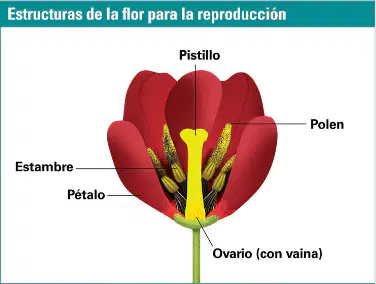
¿El diagrama muestra qué partes de una planta?
El diagrama muestra las partes de una hoja.
El diagrama muestra las partes de una flor para la reproducción.
El diagrama muestra las partes de una raíz.
El diagrama muestra las partes de una semilla.
¿Cuál es el nombre de la estructura masculina de una flor?
Pistilo
Pétalo
Ovario
Estambre
¿Qué material produce el estambre que es similar al polvo?
Néctar
Polen
Semilla
Fruta
¿Cuál es el nombre de la parte femenina de una flor?
Pétalo
Estambre
Pistilo
Ovario
¿Dónde se encuentran las semillas en una flor?
En los pétalos
En el ovario
En el estambre
En el polen
¿Por qué son importantes los pétalos para las flores?
Producen polen
Atraen insectos
Producen semillas
Son la parte femenina
Explica cómo viaja el polen desde el estambre hasta el pistilo.
El viento lo sopla directamente
Los insectos lo llevan en sus cuerpos después de tocar el estambre
La flor lo lanza al pistilo
La lluvia lo arrastra
¿Cómo se llama el primer paso de la reproducción en las flores cuando el polen llega al pistilo?
Germinación
Fertilización
Polinización
Crecimiento
Compara las estructuras reproductivas de las flores con las de la mayoría de los animales. ¿Cuál es una diferencia clave?
Las flores solo tienen estructuras masculinas
Las flores tienen estructuras masculinas y femeninas, a diferencia de la mayoría de los animales
Los animales tienen pétalos, las flores no
Los animales usan polen para la reproducción
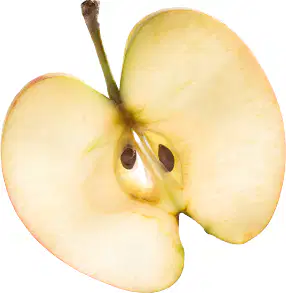
¿Cuál es la función principal del fruto en una planta?
Proteger y rodear las semillas
Hacer que la planta sea más alta
Ayudar a la planta a crecer hojas
Proporcionar agua a la planta
¿Dónde se forma una semilla en una planta?
En el ovario
En el tallo
En la hoja
En la raíz
¿Por qué algunas frutas atraen a los animales?
Porque son dulces y jugosas
Porque son duras y secas
Porque son verdes y frondosas
Porque están bajo tierra
¿Cómo llegan las semillas a nuevos lugares?
Los animales comen el fruto y las semillas, luego depositan las semillas en un lugar nuevo
Las semillas vuelan por sí solas
Las semillas crecen patas y se alejan caminando
Las semillas se disuelven en el agua y flotan lejos
¿Por qué la pequeña planta dentro de una semilla necesita el alimento almacenado en la semilla?
Porque aún no puede hacer la fotosíntesis
Porque necesita crecer hojas primero
Porque ya es una planta grande
Porque vive en el suelo
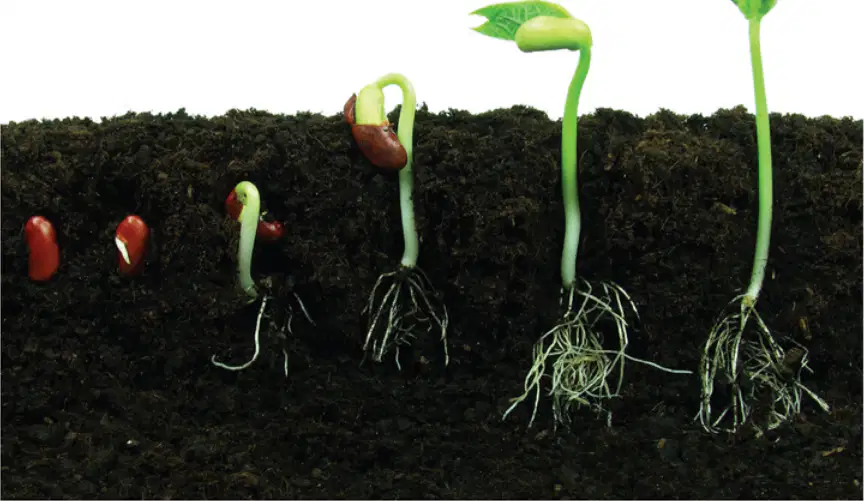
¿Cuál es la razón principal por la que la dispersión de semillas es importante para las plantas?
Ayuda a las plantas a obtener más espacio, agua y nutrientes.
Hace que las semillas crezcan más rápido.
Mantiene las semillas calientes.
Ayuda a que las semillas permanezcan cerca de la planta madre.
¿Qué sucede primero cuando una semilla cae en un suelo cálido y húmedo?
Desarrolla raíces que la anclan al suelo.
Produce flores.
Se vuelve verde inmediatamente.
Comienza a producir frutos.
¿Qué parte de la planta comienza a crecer hacia arriba desde la semilla después de que se forman las raíces?
El tallo
La flor
El fruto
La hoja
¿Qué hacen las nuevas hojas cuando aparecen en la planta?
Comienzan a producir alimento mediante la fotosíntesis.
Se caen rápidamente.
Se vuelven marrones y se secan.
Crecen bajo tierra.
¿Por qué las raíces de una nueva planta crecen hacia abajo en el suelo?
Para absorber agua del suelo
Para encontrar la luz del sol
Para hacer flores
Para producir semillas
Imagina que estás plantando semillas en un jardín. ¿Qué pasaría si todas las semillas se plantaran muy cerca de la planta madre?
Las nuevas plantas tendrían menos espacio, agua y nutrientes.
Las nuevas plantas crecerían más rápido.
Las nuevas plantas producirían más flores.
Las nuevas plantas serían más saludables.
¿Qué producen los pinos en lugar de flores?
Conos
Frutas
Hojas
Semillas
¿Cuál de los siguientes NO es parte de una piña (cono)?
Pétalos
Ninguno
Estambres
Ovarios
¿Cómo se llaman los árboles que se reproducen usando conos?
Coníferas
Caducifolios
Helechos
Musgos
¿Por qué los pinos no tienen flores?
Porque se reproducen usando conos
Porque viven en el agua
Porque son demasiado altos
Porque tienen hojas grandes
Explica cómo los coníferos son diferentes de las plantas con flores en términos de reproducción.
Los coníferos se reproducen usando conos, no flores, mientras que las plantas con flores usan flores para reproducirse.
Los coníferos usan frutos para reproducirse, mientras que las plantas con flores usan semillas.
Los coníferos usan raíces para reproducirse, mientras que las plantas con flores usan tallos.
Los coníferos usan agua para reproducirse, mientras que las plantas con flores usan aire.

¿Qué sucede cuando el polen llega al cono femenino?
Ocurre la fecundación.
El cono se cae del árbol.
El cono cambia de color.
El cono produce fruto.
¿Qué tipo de escamas tiene el cono femenino?
Escamas leñosas
Escamas lisas
Escamas foliosas
Escamas pegajosas
¿Por qué son importantes las escamas leñosas del cono femenino para la reproducción de la planta?
Protegen las semillas y ayudan en la fertilización cuando llega el polen.
Ayudan a que el cono flote en el agua.
Hacen que el cono tenga un sabor dulce.
Ayudan a que el cono crezca más rápido.
¿Qué utilizan los pinos, abetos y abetos rojos para reproducirse en lugar de flores con pistilos y estambres?
Conos (masculinos y femeninos)
Raíces y tallos
Hojas y ramas
Frutos y semillas
How is pollen usually transported from male cones to female cones in most conifers?
By wind
By water
By insects
By animals
What happens after fertilization in conifers?
Seeds are formed in the cone
The cone falls off the tree
The tree grows new leaves
The pollen disappears
Which of the following best explains why male cones are different from female cones in conifers?
Male cones are smaller with soft scales, while female cones are larger with hard scales.
Male cones are larger with hard scales, while female cones are smaller with soft scales.
Both male and female cones are the same size and have the same type of scales.
Male cones have flowers, while female cones have fruits.
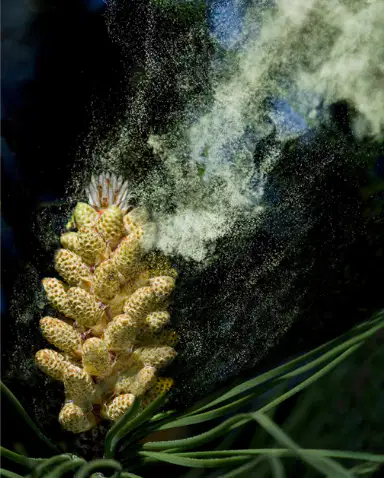
Why is wind important for the reproduction of most conifers?
It carries pollen from male cones to female cones for fertilization.
It helps the tree grow taller.
It brings water to the roots.
It protects the cones from insects.
Why do many types of plants need to disperse their seeds away from the parent plant?
To help the seeds grow in new places
To keep the seeds close to the parent plant
To make the seeds heavier
To stop the seeds from growing
What is one way that seeds can move away from the parent plant?
By floating on water
By staying in the soil
By growing roots immediately
By turning into fruit
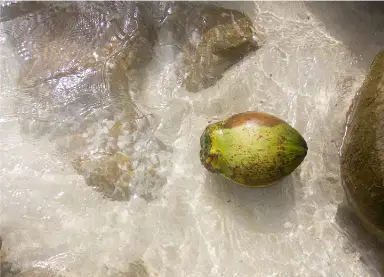
Which of the following is an example of a seed that can float for several days before reaching land?
Coconut
Apple
Pinecone
Sunflower
How do the structures of some seeds help them?
They help seeds move away from the parent plant
They make seeds taste better
They help seeds grow faster
They make seeds change color
Imagine you see a dandelion seed floating in the air. Why is it important for the seed to travel away from the parent plant?
So it can find a good place to grow without too much competition
So it can stay close to its parent
So it can become a fruit
So it can get more sunlight than the parent plant
Which structure helps maple seeds travel by wind?
Wings
Hooks
Water-filled sacs
Roots
How do dandelion seeds move from one place to another?
They float on water
They are carried by animals
They have fluff that floats in the air
They roll on the ground
What allows water lily seeds to float in a lagoon?
Structures that help them float
Hooks that attach to animals
Wings that catch the wind
Roots that anchor them
Why is it important for seeds to travel to new places?
To find more sunlight, water, or nutrients
To stay close to the parent plant
To avoid being eaten by animals
To grow bigger leaves
A coconut can float for a long time because:
It has a large, hollow structure inside
It has hooks to attach to animals
It has wings to catch the wind
It is very small and light
If you see seeds stuck in a dog's fur, what structure do those seeds likely have?
Hooks
Wings
Fluff
Roots
Explain how seeds with hooks can travel far from their parent plant. (DoK Level 2)
They attach to animals or people's clothing and are carried away
They float on water to new places
They are blown by the wind
They grow roots that move them
Imagine a seed lands in a place with more sunlight and water than its parent plant's location. What might happen to the seed? (DoK Level 3)
It may grow better and stronger
It will not grow at all
It will turn into an animal
It will disappear
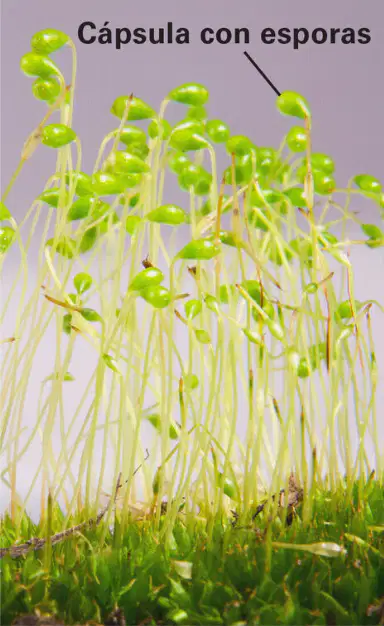
What do moss plants produce to reproduce?
Capsules with spores
Flowers
Cones
Seeds
How do spores help mosses and ferns reproduce?
By growing into new plants
By attracting insects
By making fruit
By producing flowers
Which of the following is NOT produced by moss?
Flowers
Capsules with spores
Spores
New moss plants
Explain how mosses reproduce without flowers, cones, or seeds. Use evidence from what you know about spores.
Mosses use spores that float in the wind and grow into new moss plants.
Mosses use flowers to attract bees for pollination.
Mosses use cones to drop seeds on the ground.
Mosses use roots to spread underground.
What is one main difference between mosses and ferns?
Mosses have a vascular system, but ferns do not.
Ferns have a vascular system, but mosses do not.
Both mosses and ferns have vascular systems.
Neither mosses nor ferns have vascular systems.
How do mosses reproduce?
By producing flowers and seeds.
By producing spores in a capsule at the tip of a tall stalk.
By growing roots underground.
By making fruit.
What helps moss spores spread to new places?
Animals only
Water and wind
Sunlight
Soil movement
Why do mosses need to take water and nutrients directly from the environment?
Because they have deep roots
Because they do not have a vascular system
Because they live in dry places
Because they have thick leaves
What happens when a group of fern spores dries out?
The spores turn into seeds.
The spores are released and carried by wind and water.
The spores stay on the leaf.
The spores become flowers.
Explain how the reproduction process of mosses and ferns is similar.
Both use seeds to reproduce.
Both use spores that are carried by wind and water to new places.
Both use flowers to attract pollinators.
Both use fruit to spread their offspring.
If a moss spore lands on dry soil, what is most likely to happen?
It will grow into a new moss plant.
It will not grow into a new moss plant.
It will turn into a fern.
It will become a flower.
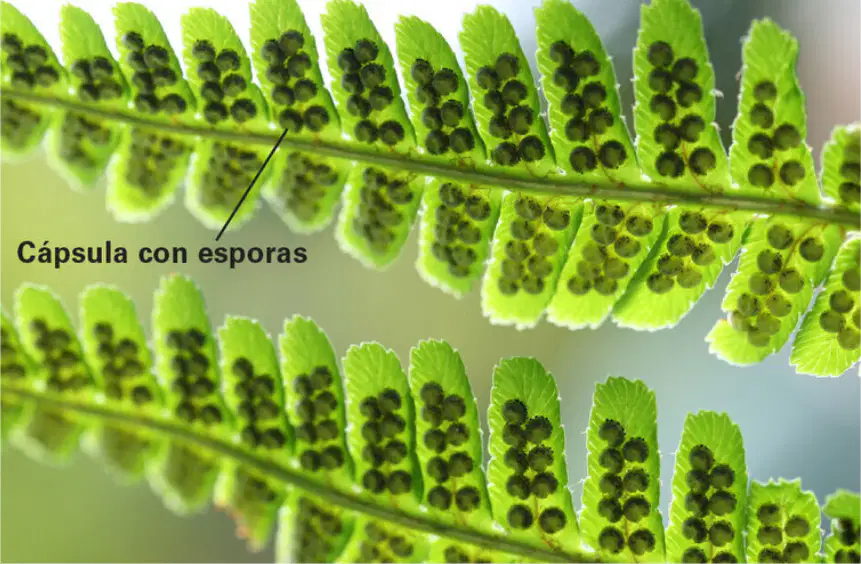
What is the main function of the spore capsules found on the underside of fern leaves?
To help the plant reproduce
To store water for the plant
To attract insects for pollination
To protect the plant from animals
When the clusters of spores on a fern leaf open, what happens to the spores?
They are carried away by the wind
They turn into flowers
They become seeds inside the leaf
They dissolve in water
Why do ferns produce clusters of spores on the underside of their leaves instead of on the top?
To protect the spores from sunlight and rain
Because the top of the leaf is too smooth
To make the leaves look more attractive
Because insects only visit the underside
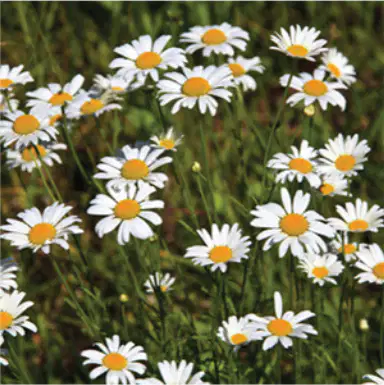
What is the process called when plants make more plants of the same type?
Photosynthesis
Germination
Reproduction
Pollination
What do we call the new organisms produced by plants?
Ancestors
Descendants
Pollinators
Roots
Why do plants have different structures?
To help them grow taller
To help with reproduction
To protect them from animals
To make them colorful
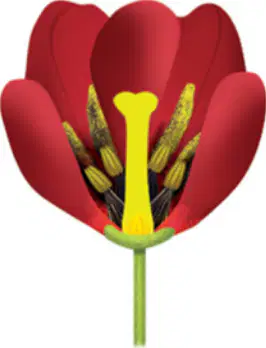
What do many types of plants produce to help with reproduction?
Leaves
Roots
Flowers
Stems
What structures do flowers have that are used in reproduction?
Only masculine structures
Only feminine structures
Both masculine and feminine structures
No special structures
What can a plant produce after it is fertilized?
Roots
Seeds surrounded by fruit
Leaves
Stems
Imagine you are a scientist studying plants. How would you identify if a plant can reproduce using flowers? What would you look for?
The color of the leaves
The presence of flowers with both masculine and feminine structures
The height of the plant
The number of roots
What do plants use seeds for?
To reproduce
To make food
To grow leaves
To attract animals
Some plants, like pines, produce cones instead of flowers. What do the male cones produce?
Pollen
Seeds
Fruit
Leaves
How is pollen transported from male cones to female cones in plants like pines?
By wind
By water
By insects
By animals
After fertilization in cone-producing plants, where are the seeds formed?
Inside the female cone
Inside the male cone
On the leaves
On the roots
Why is it important for seeds to disperse away from the parent plant?
To reduce competition and help new plants grow
To make the parent plant stronger
To keep seeds close to the parent plant
To prevent seeds from growing
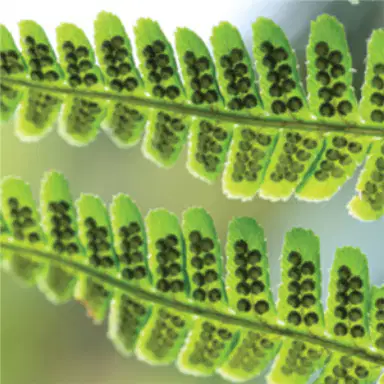
Which of the following is a way seeds can move away from the parent plant?
By flying with the wind
By staying on the plant
By growing roots immediately
By turning into flowers
Which types of plants reproduce with spores instead of seeds?
Mosses and ferns
Roses and tulips
Pine trees and oaks
Cacti and sunflowers
What is a main difference between spores and seeds?
Spores are usually much smaller than seeds
Spores are always bigger than seeds
Spores can only grow in water
Spores are used only by animals
Imagine a natural disaster destroys all the crops on Earth. What problem would people face?
They would not be able to get seeds for planting
They would have too many seeds
They would have extra food
They would have more flowers
If seeds are carried away by water, what is the purpose of this movement?
To help the seed move away from the parent plant
To make the seed grow faster
To keep the seed dry
To turn the seed into a flower
Why did scientists start creating seed banks?
To protect crops for the future
To sell seeds to farmers
To make plants grow faster
To decorate gardens
Who created the first large seed bank?
Nicolay Vavilov
Albert Einstein
Marie Curie
Isaac Newton

