
 Worksheets
Properties of Water
Total questions: 12
Worksheet time: 6mins
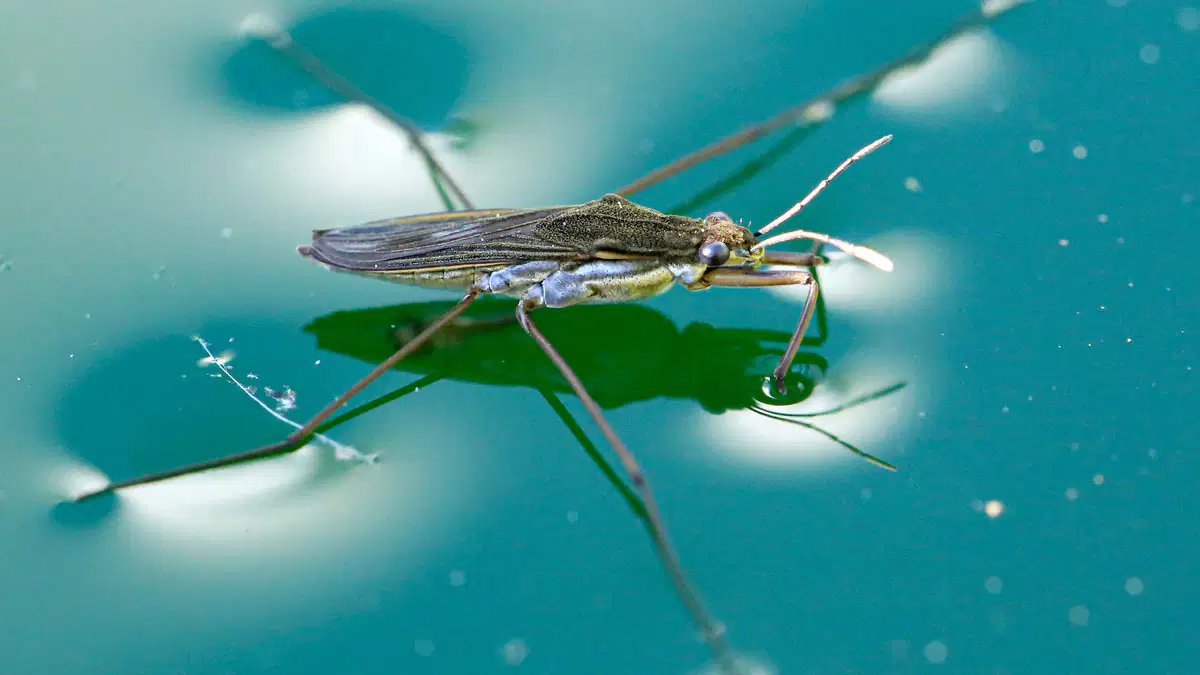
Surface Tension
A phenomenon where water molecules stick together due to cohesion and hydrogen bonding, creating a 'skin' on the surface.
The ability of a liquid to resist external force due to cohesive forces between its molecules.
The process by which water evaporates from a surface, leading to cooling.
A measure of how much water can be held in a container before spilling.
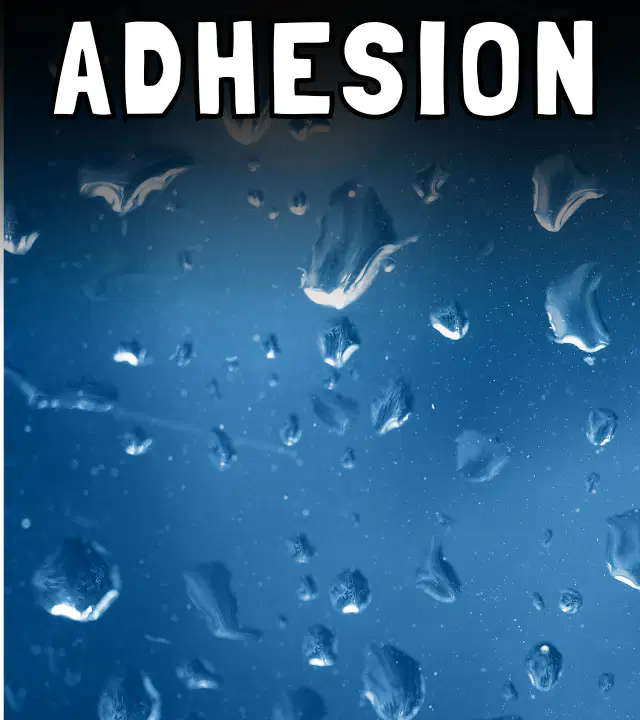
Adhesion
Water is attracted to molecules other than water.
Water repels other substances.
Water only sticks to itself.
Water evaporates quickly in sunlight.
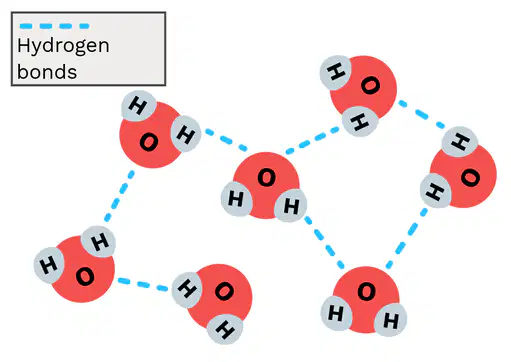
Hydrogen Bonding
Bond which forms between two molecules of water; allows water molecules to 'stick' to each other.
A strong bond formed between hydrogen and oxygen in a water molecule.
A type of bond that occurs between two non-polar molecules.
A bond that is responsible for the high boiling point of metals.
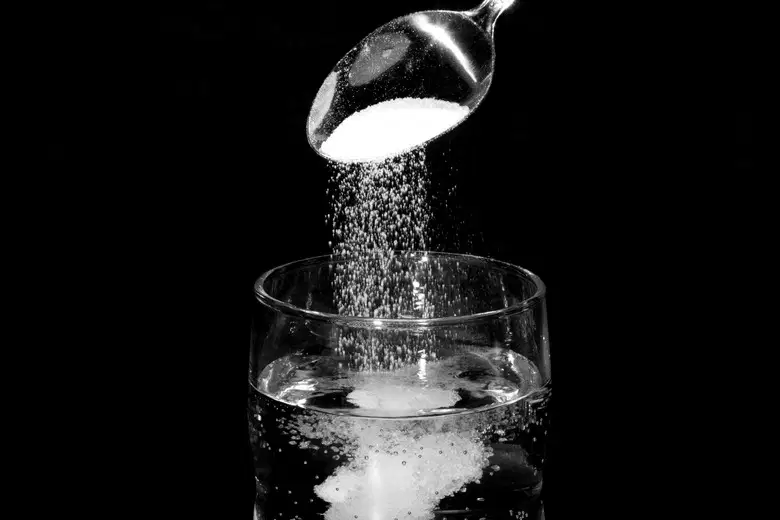
Universal Solvent
Water can dissolve almost anything over time.
Water is the only liquid that can exist in three states.
Water is a poor conductor of electricity.
Water has a high boiling point compared to other liquids.
Polarity
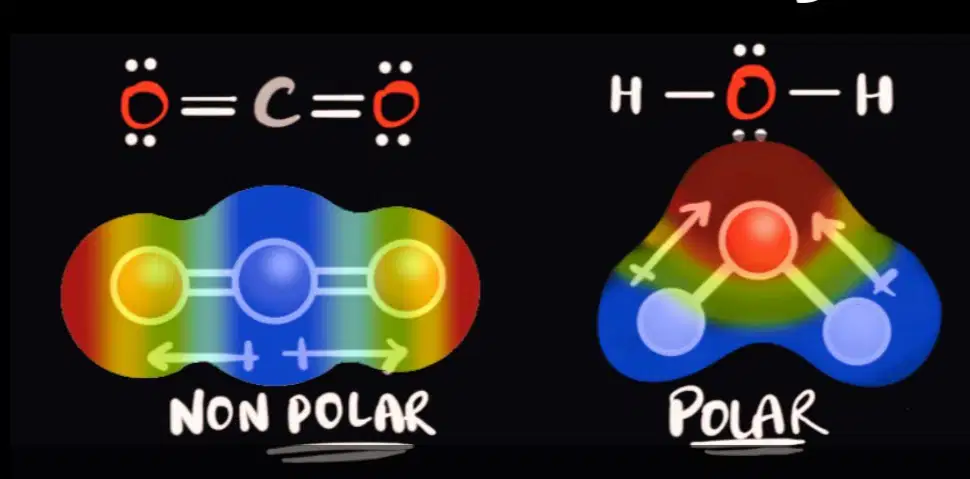
An even distribution of electrons causing no charge difference.
An uneven distribution of electrons causing one end to carry a (-) charge & the other a (+).
A phenomenon where electrons are completely absent from an atom.
A state where all charges are neutral and balanced.

High Heat of Vaporization
Water evaporates easily due to low energy requirements.
Water resists evaporation because lots of hydrogen bonds must be broken to transition from a liquid to a gas.
Water has a high boiling point due to low atmospheric pressure.
Water transitions from a gas to a liquid with minimal energy input.
Low Density as Solid
Ice sinks in water because it is denser than liquid water.
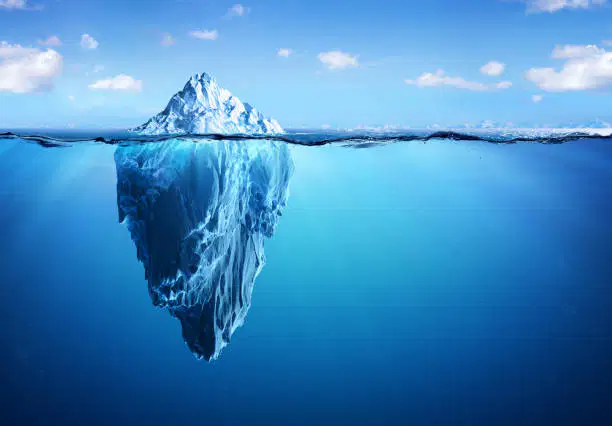
Ice floats because it is less dense than liquid water.
Ice and water have the same density, so ice neither sinks nor floats.
Ice is denser than water, which is why it floats.

pH
A scale that measures how acidic or basic a substance is, ranging from 0 to 14.
A measure of the temperature of a substance.
A scale that measures the density of a liquid.
A method to determine the color of a solution.
Cohesion
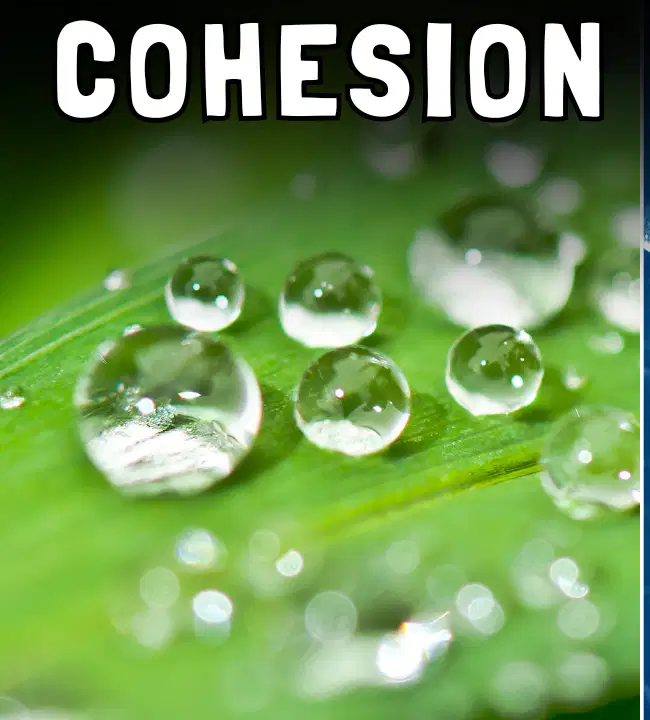
Water is attracted to other molecules of water. (Examples: Water sticking together to make a sphere/circle.)
Water molecules repel each other, causing them to spread apart.
Water has a high boiling point due to its cohesive properties.
Cohesion refers to the attraction between water and other substances.

Capillary Action
Ability of water to move in narrow spaces against gravity, occurs because of adhesion and cohesion.
The process by which water evaporates from the surface of leaves.
The movement of water through soil due to gravity.
The ability of water to dissolve various substances.
Atomic Structure
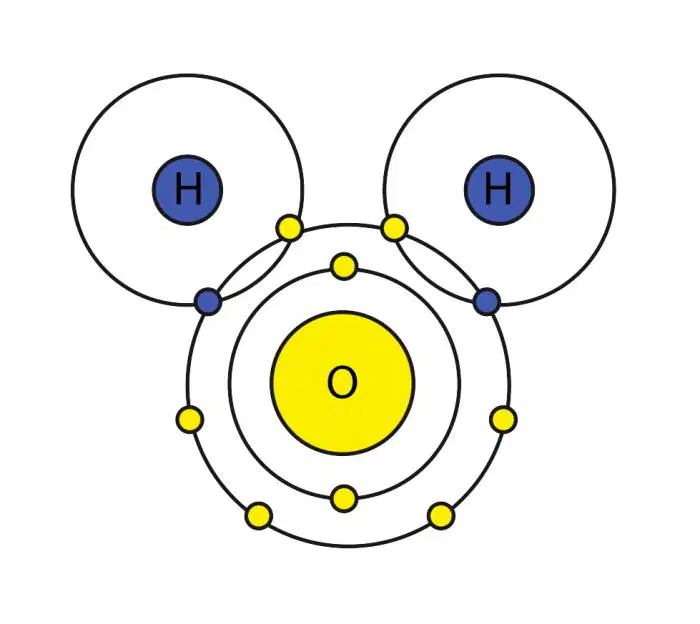
2 atoms of hydrogen connected to 1 atom of oxygen via covalent bonds.
1 atom of hydrogen connected to 2 atoms of oxygen via ionic bonds.
3 atoms of hydrogen connected to 1 atom of oxygen via hydrogen bonds.
2 atoms of oxygen connected to 1 atom of hydrogen via covalent bonds.
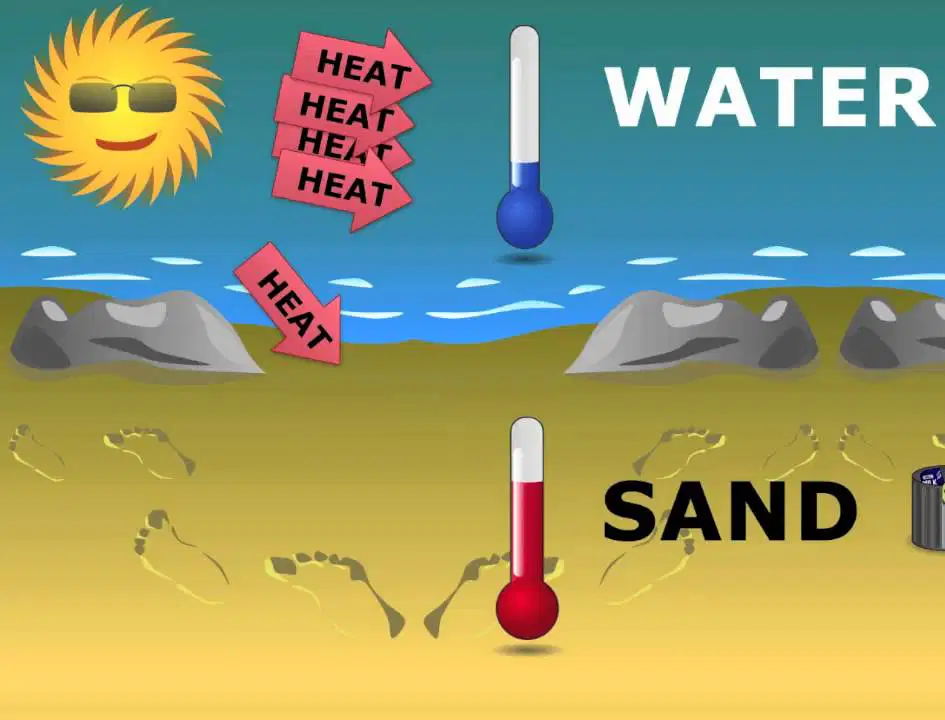
High Specific Heat
Ability of water to absorb a lot of heat; why it takes water so long to boil.
The temperature at which water freezes and boils.
The measure of how quickly water can evaporate.
The ability of water to conduct electricity.

