
 Worksheets
67.History Unit 1 Midterm Review
Total questions: 68
Worksheet time: 34hrs 0mins
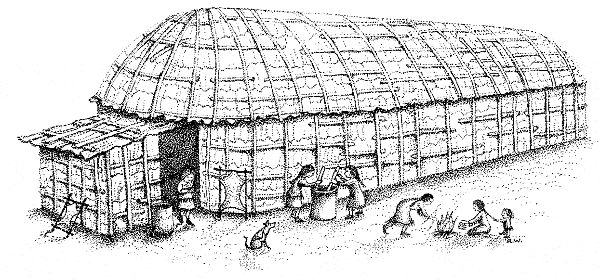
Where did the Iroquois settle in North America?
Florida
California
New York
New Jersey
Why was the Iroquois Confederacy formed?
to establish treaties with white colonial governments
to create a system of free trade
to establish peace between the five Iroquois tribes
to establish common rules and regulations for all tribes
Which is an example of how the Iroquois used their environment for their survival
using mud bricks to build pueblos
using ice to build igloos
using trees to build longhouses
using palm leaves to build roofs
Choosing leaders by voting is an example of
representative democracy
federalism
checks and balances
habeus corpus

What were chinampas?
the name for Aztec city-states
people who lived in Tenochtitlan
farmlands built in the swamps where the Aztec settled
walls of skulls at temples
The Aztec civilization had a class structure
True
False
What's the name of the Aztec Capital?
Texcoco
Chinapa
Templo Mayor
Tenochtitlan
The Aztecs
spoke Nahuatl
spoke Spanish
spoke English
spoke Quechua
We know the Aztec were ____ because they worshipped over 1,000 gods.
monotheistic
polytheistic
atheistic
Catholic
"They traded and gave everything they had with good will, but it seems to be that they have very little and are poor in everything." -Christopher Columbus
What can be concluded about the European point of view of the indigenous people?
They did not see a new culture but a group that was similar to those in Europe.
The thought their homes and weapons were weak in comparison to theirs.
They felt pity for them and offered jobs to the natives.
They were very curious to learn more about their culture.
How did European diseases effect the indigenous population?
The indigenous population grew.
The indigenous population was not affected.
The indigenous population decreased.
Hernán Cortés came to the Americas as a ______.
scientist
conquistador
viceroy
priest
What was the motivation for Europeans to explore?
The opportunity to gain wealth through the lucrative spice trade.
Winning converts to Christianity and growing the church's population.
The urge to gain fame and leave a legacy.
All of these.
Who conquered the Aztecs?
Hernando de Soto
Francisco Pizarro
Hernan Cortez
Christopher Columbus
Which best describes the factors that enabled Cortes to defeat the Aztecs?
larger forces, better weapons
metal armor, guns, horses, disease
stone weapons
disease and more men
What is a conquistador?
15th Century Spanish soldier, explorer and adventurer
An indigenous person of Mexico
15th Century British Explorer
A man on a conquest

What caused the most indigenous deaths in Mexico after the arrival of Cortés?
Spanish weapons
starvation
smallpox
poisoned water


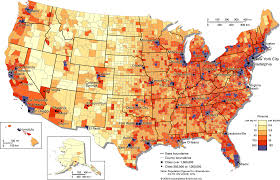
Identify this map.
Population density map
Physical Map
Road map

What type of map is this?
Political
Physical
Economic Activity
tells what the map is about
map key
map title
symbol
North, South, East, West
intermediate directions
symbols
cardinal directions
Northeast, Northwest, Southeast, Southwest
cardinal directions
map key
intermediate directions
an explanation of what the symbols on a map stand for
map symbols
map key/legend
compass rose

This map is an example of a . . .
Population Map
Thematic Map
Climate Map
Road Map
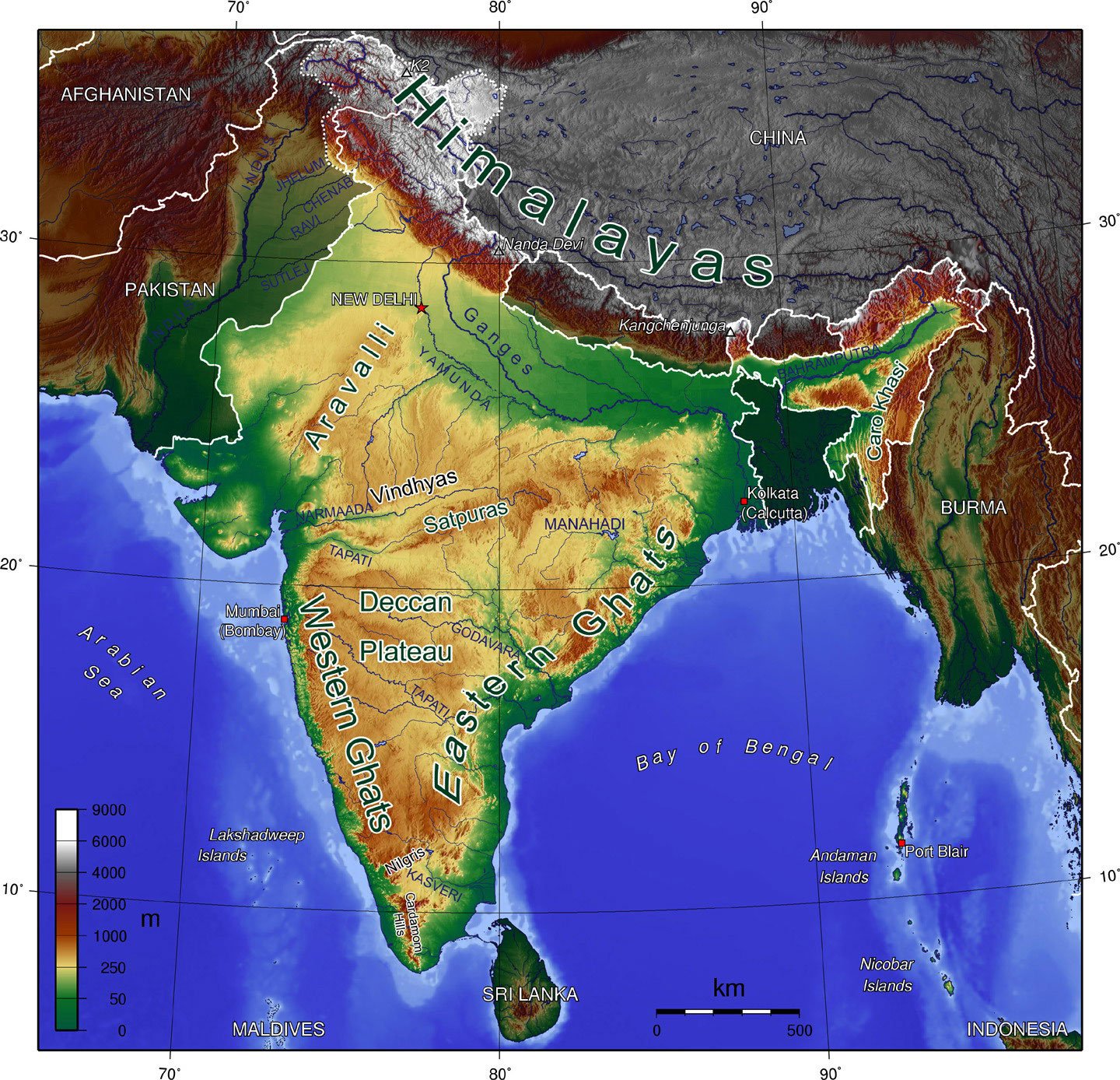
This map is an example of a . . .
Political Map
Physical Map
Population Map
Road Map
A map showing boundaries of countries is what type of map?
Political
Physical
Population
Climate

What type of map is this?
Physical
Political
Resource
Topographic
Which type of map shows natural features such as coal , trees and natural gas?
Population Map
Natural Resource Map
Physical Map
Political Map

According to the map, which resources are abundant in the Middle East? (can choose more than one)
Natural Gas
Oil
Uranium
Coal

According to the map, which resources are abundant in USA (can choose more than one!)
Gold
Coal
Fertile Land
Biodiversity
Humans tend to settle...
where fossil fuels are abundant
in regions of high biodiversity
in regions rich in resources we need to survive (ex: fertile land, water)
where it is hot and dry throughout the year
Which of the following is NOT a natural resource?
Clothing
Cotton
Water
Rocks
What is a natural resource?
A nonliving substance found in the environment
A living thing found on Earth
A living or nonliving thing that exists "naturally" in the world
A material that is not normally found in the environment
Why is Christopher Columbus such an important historical figure?
he proved that the earth was round
his discovery led to the colonization of the Americas
he opened up a new trade route th Asia
he was a great mapmaker
Who sponsored the voyages of Christopher Columbus?
Queen Elizabeth of England
Sir Walter Raleigh of England
King Ferdinand & Queen Isabella of Spain
King Charles II of England
Who were the native people that Columbus encountered on San Salvador?
the Taino
the Cherokee
the Iroquois
the Huron

Which is true about the map?
Europeans introduced livestock to the Americas.
Native Americans brought diseases to Europe.
Europeans taught Native Americans how to grow potatoes and squash.
Native Americans, or indigenous people, did not have horses until horses were brought to the new world by Spanish and European explorers.
True
False
Identify the source type:
A textbook describing the civil rights movement.
Primary
Secondary
What is a secondary source?
A source created by someone who was there at the time of an event.
A source created by someone who was NOT there at the time of an event.
What is a primary source?
A source created by someone who was there at the time of an event.
A source created by someone who was NOT there at the time of an event.
Which of these is NOT an example of a primary source?
Original uniforms worn by soldiers
Diaries written at the time of an event
video of a historical event
A poem about a famous person from your classmate
What do we call the original people of the Americas?
Taínos
Indigenous
Tribe
Spanish

Iroquois used the _ around them in order to live.
Environment
Factories
Machines
Plastic
Which Native American region had mostly nomadic tribes?
The Plains
The Northeast
The Southeast
The Southwes
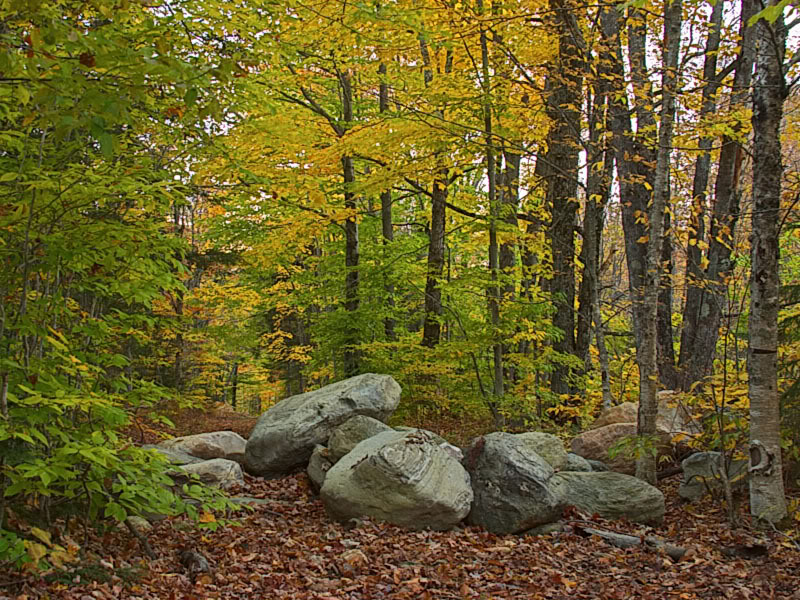

Which type of house did Inuits use in the winter when it was EXTRA cold?

The way of life of a group of people...
Civilization
Culture
Which of the following describes human migration?
Movement of people from one place to another.
People staying in their own country.
People hunting only mammoths.
Changing to fit the environment.
This theory proposed that people entering the Americas followed the Pacific coastline, hunter-gatherer-fishers traveling in boats or along the shoreline and subsisting primarily on marine resources.
Land Bridge Theory
Pacific Coastal Migration Theory
Salutrean Theory
Human Migration Theory
Which term means the widespread transfer of animals, plants, culture, human populations, technology, and ideas between the eastern and western hemispheres?
Columbian Exchange
Silk Road
Mercantilism Economy
What name did the Native Americans give to their staple crop of corn, squash, and beans?
Three Sisters
Three Amigos
Three Staples
What are the America's two migration theories?
World Systems and Out of Africa
Great Migration and Neoclassical
Land Bridge and Coastal Route
An object made by a human being of cultural or historical interest
Fossils
Artifact
Extinct
Glaciers
In the Pacific Coastal Route Theory, explorers from Southeast (SE) Asia may have traveled the Pacific Coast
by Woolly Mammoths
in hot air balloons
by Uber
in small boats
Explain how the landbridge theory and coastal migration theory differ in terms of the routes early humans might have taken.
Both theories suggest the same route.
The landbridge theory suggests a land route, while the coastal migration theory suggests a sea route.
The landbridge theory suggests a sea route, while the coastal migration theory suggests a land route.
Both theories suggest a sea route.
Which of the following is NOT an example of geography affecting culture?
Native Americans of the Great Plains (ex: Cree) lived in Tepees because they were easy to pack up and move around so that they could follow herds of animals for food.
Native Americans of the Far North (ex: Inuit) lived in Igloos and dressed warmly because they lived in areas covered in ice and snow
The Iroquois lived in longhouses that they built using the wood from forests around them
The Aztecs had a structured social system with an emperor at the top
Which of these is NOT a shared belief among many Native American cultures
Respect for nature and elders
Less emphasis on posessions
Caring for groups more than individuals
Cultures should be nomadic (move around a lot)

