
 Worksheets
Preschool Growth Development
Total questions: 56
Worksheet time: 29mins
Fill in the blank: The word for the stage before kindergarten is ________.
Preschool
High school
College
Daycare
Fill in the blank: The process of increasing in size is called ________.
Growth
Decay
Division
Movement
Fill in the blank: The process of improvement or advancement is called ________.
Development
Regression
Stagnation
Decline
Preschool Growth Characteristics: Physical growth ______ greatly.
slows down greatly
increases rapidly
remains constant
stops completely
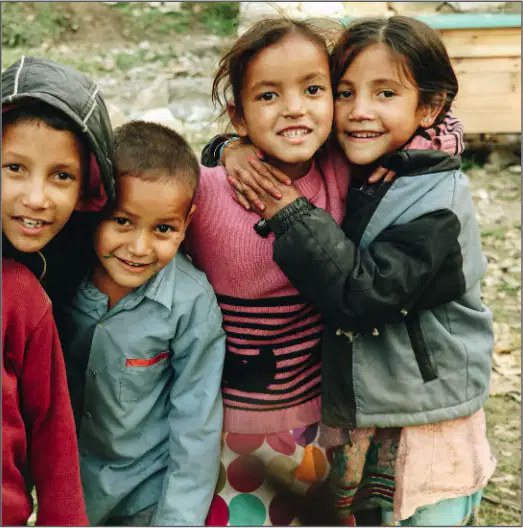
Growth Characteristics: Preschool children are very ______ and ______.
active, energetic
quiet, lazy
slow, tired
calm, passive
Preschool Growth Characteristics: Skills are ______ by participating in the action again and again. (Fill in the blank)
practiced
forgotten
ignored
avoided
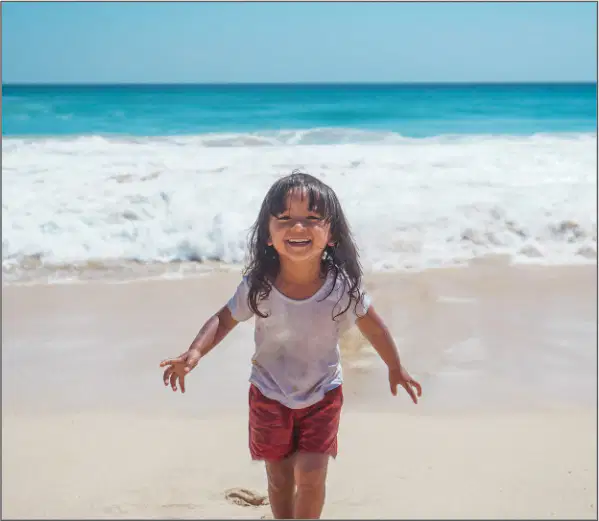
According to preschool growth characteristics, bodies have become ______ and slimmer.
straighter
shorter
rounder
heavier
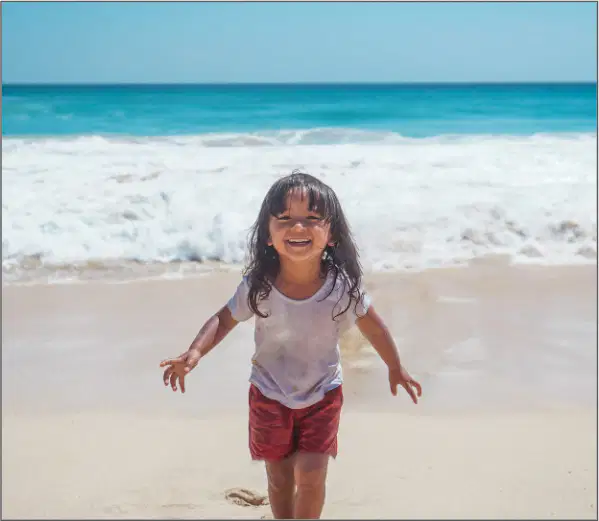
According to preschool growth characteristics, the protruding stomach from babyhood ______.
flattens
enlarges
remains the same
becomes rounder
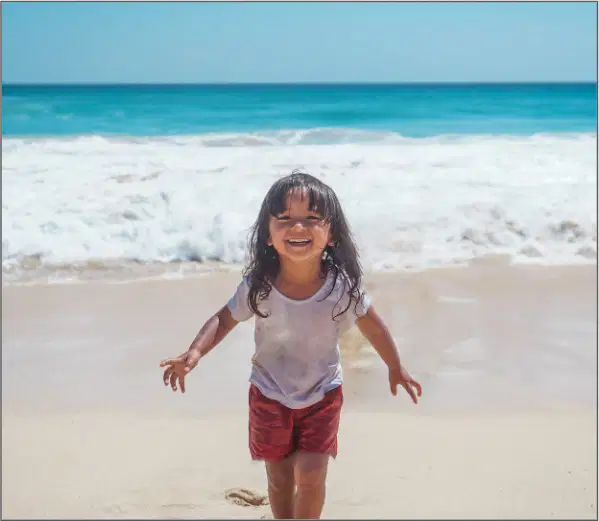
According to preschool growth characteristics, the neck becomes ______.
longer
shorter
thicker
wider
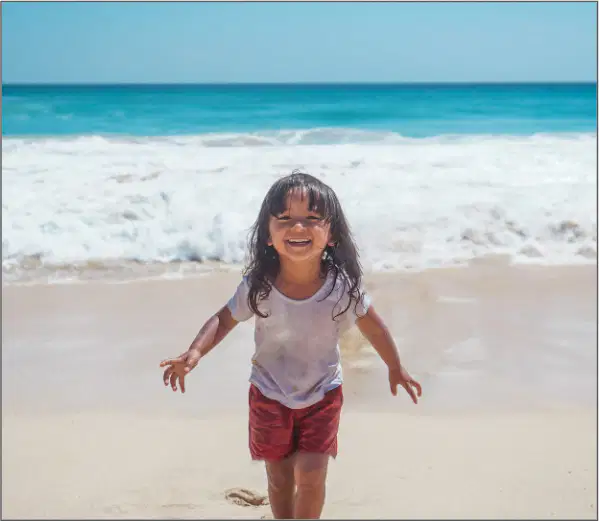
According to the growth characteristics, the legs lengthen and grow ______ and ______.
straighter and firmer
shorter and weaker
curved and softer
thicker and looser
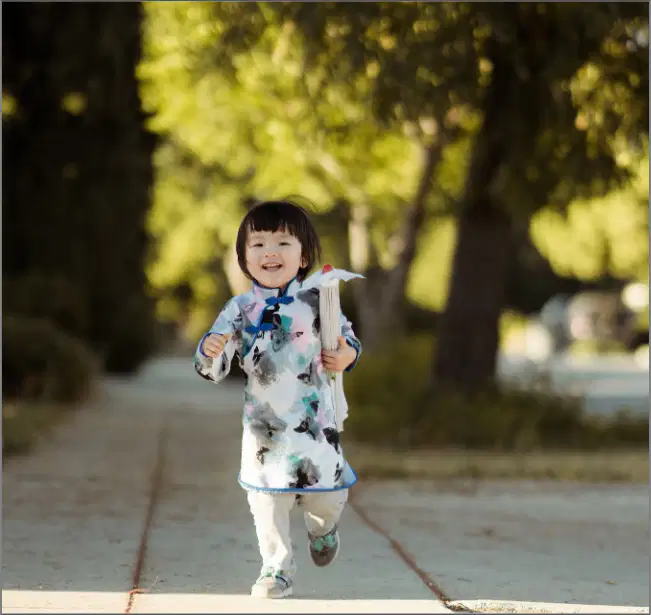
Gross Motor Development: Becoming more skilled at ________, jumping, early throwing, and kicking, catching a bounced ball is a sign of gross motor development.
running
reading
drawing
singing
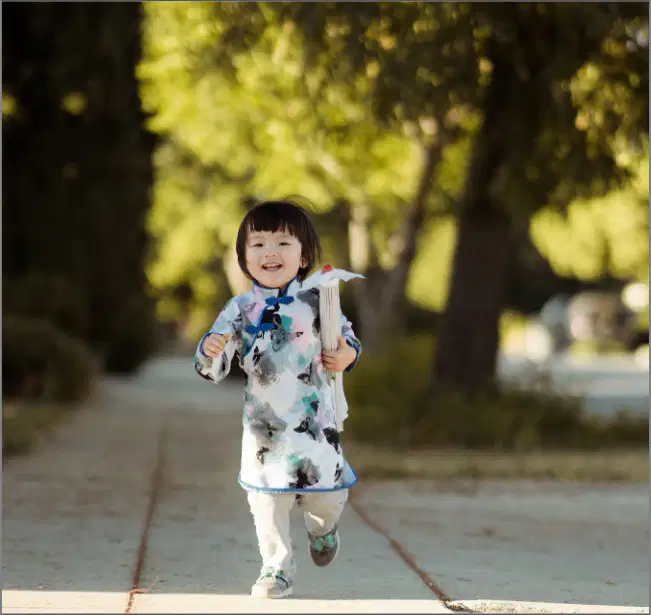
Gross Motor Development: By the end of this stage, around age ____, children can skip.
5
3
7
9
Fill in the blank: A child with developed gross motor skills can ________.
gallop
recite poems
draw detailed pictures
solve algebraic equations
Fill in the blank: A child with developed gross motor skills jumps off platform and lands on ________.
both feet
one hand
knees
elbows
Fill in the blank: A child with developed gross motor skills can walk up and down stairs by ________ feet.
alternating
jumping
dragging
sliding
Fill in the blank: A child with developed gross motor skills can ________ and pull.
push
read
sing
draw
A child who has developed gross motor skills is able to steer a ________ or ________ with training wheels much better.
tricycle, bicycle
car, scooter
skateboard, rollerblade
bus, truck
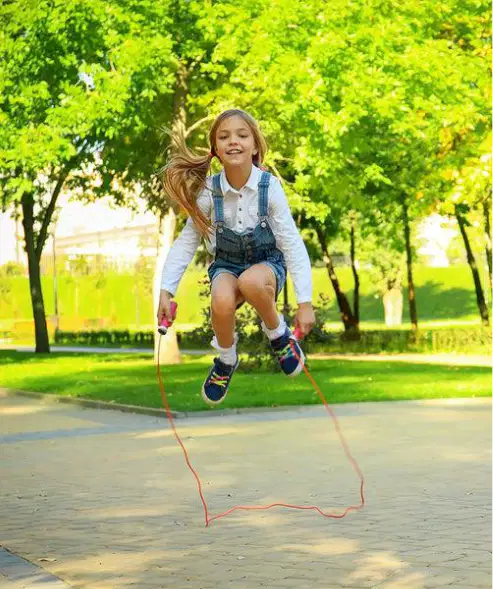
A child who has developed gross motor skills can ________ on one foot.
hop
crawl
sit
clap
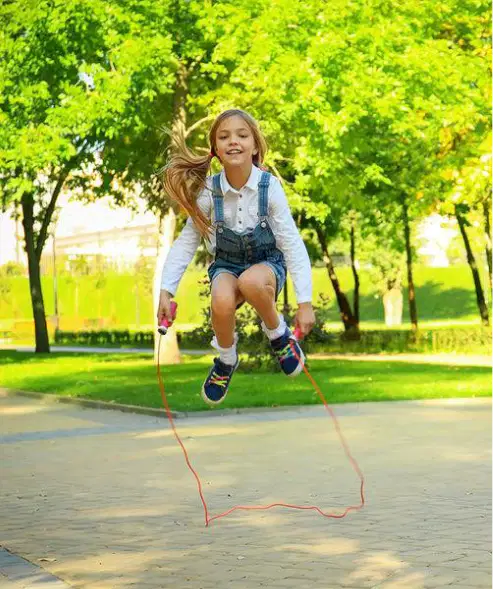
A child who has developed gross motor skills can balance on one foot for up to ________ seconds.
5
2
10
15

A child who has developed gross motor skills does a ________ walk.
heel-to-toe
sideways
tiptoe
backward
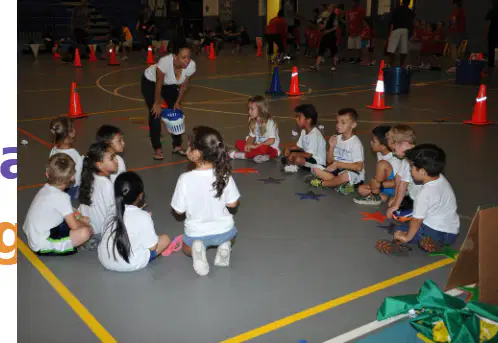
More Gross Motor Milestones: Preschoolers can catch a ball (big and small size)?
True
False
More Gross Motor Milestones: Preschoolers can crab walk
True
False
More Gross Motor Milestones: Preschoolers can walk on a balance beam?
True
False
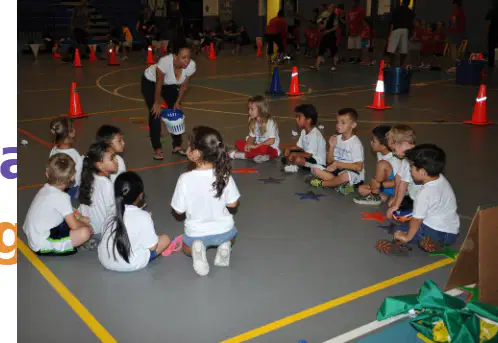
More Gross Motor Milestones: Preschoolers can throw things at a target
True
False
Fill in the blank: Dancing activities for preschoolers can include ________.
dance freely
reading books
solving math problems
playing video games
drawing pictures
Fill in the blank: Using playground equipment helps preschoolers practice climbing, jumping, and ________.
swinging
reading
painting
singing
Fill in the blank: Playing with ________ is an activity that helps develop gross motor skills in preschoolers.
Balls
Books
Puzzles
Crayons
Fill in the blank: A fine motor development milestone is when a child draws _______ picture.
recognizable
random
abstract
unusual
Fill in the blank: A fine motor development milestone is when a child colors in the _______ some.
lines
shapes
letters
pictures
Fill in the blank: A fine motor development milestone is when a child puts on _______ properly.
clothes
shoes
hats
gloves
Fill in the blank: A fine motor development milestone is when a child cuts on a _______ using scissors.
line
circle
triangle
square
Why is it important to engage preschoolers in writing activities?
To help them use their fine motor skills.
To make them sleep longer hours.
To teach them advanced mathematics.
To prepare them for high school exams.
Name an activity for preschoolers' fine motor skills that uses different materials such as pencils, markers, and crayons.
Drawing
Jumping
Singing
Running
Name an activity for preschoolers' fine motor skills that involves solving challenges or fitting pieces together.
Puzzles
Running
Singing
Jumping
Name an activity for preschoolers' fine motor skills that involves scooping, pouring, pressing, feeling, and exploring.
Sensory table
Running races
Singing songs
Building blocks
Preschoolers need to eat ________ that include protein, carbohydrates, fruits, vegetables and dairy.
well balanced meals
junk food
sugary snacks
fried foods
Preschoolers should drink MOSTLY what?
Juice
Soda
Water
Milk
Caregivers should model healthy eating and drinking habits.
True
False
Which of the following are included in a well balanced meal for preschoolers?
Protein
Carbohydrates
Fruits
Vegetables
All of the above

According to the 'Preschool Health Needs', why should preschoolers visit the dentist? Fill in the blank: Preschoolers should visit the dentist since they now have most all their _________?
baby teeth
adult teeth
wisdom teeth
permanent teeth
According to the 'Preschool Health Needs', who should preschoolers visit for illnesses and well care check ups? Fill in the blank: Preschoolers should visit the ________ for illnesses as well as well care check ups.
pediatrician
dentist
optometrist
nutritionist
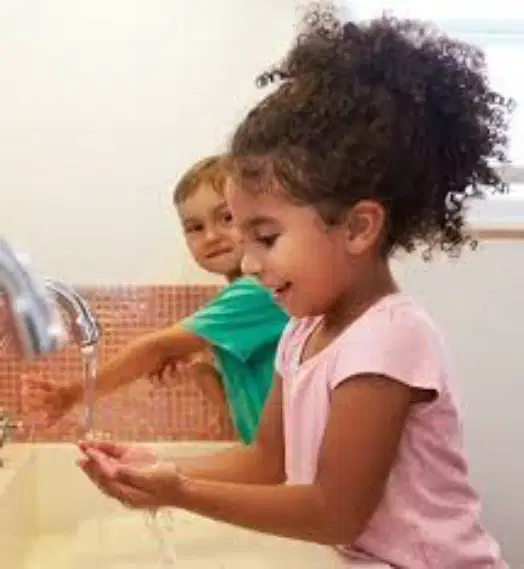
Preschoolers should learn how to properly wash their hands, brush their teeth, cover their mouths, blow their nose, and take care of their own _______.
hygiene
homework
toys
clothes
Preschoolers should engage in daily physical activity.
True
False
_______ that model physical activity as a routine can help preschoolers develop healthy habits.
Caregivers
Strangers
Celebrities
Neighbors
Preschool Safety: Why should preschoolers always have proper supervision?
Because they are very curious
Because they are very quiet
Because they are always careful
Because they do not need help
Preschoolers should ride in car seats if under ____ lbs.
80
60
100
40
An example of a fine motor skill is _____.
handwriting
jumping
Hitting a baseball is an example of ____.
gross motor skills
fine motor skills
Ability to integrate movements of the body and different parts of the body
Power
Speed
Balance
Coordination
Agility
What term is used to describe the ability to perform tasks involving large muscle groups, such as walking or jumping?
Fine motor skills
Gross motor skills
Cognitive skills
Sensory skills
Which of the following is a fine motor skill?
Jumping
Walking
Tying shoes
Skipping
Which of the following is NOT a gross motor skill as described in the learning material?
Balancing
Rotating the body to throw a ball
Shifting weight from back leg to front leg
Writing with a pencil
Which of the following activities would most effectively promote fine motor skills development in a 4-year-old child?
Running around the playground
Drawing shapes with crayons
Listening to a storybook
Kicking a soccer ball
Identify the activity that does NOT directly support the development of fine motor skills in children aged 3 to 6 years.
Using playdough to create shapes
Assembling a large puzzle
Tying shoelaces
Running in a relay race
Which activity is most likely to improve a child's hand-eye coordination?
Listening to an audiobook
Playing catch with a soft ball
Running in a straight line
Watching a movie
Which of the following activities would best support the development of gross motor skills in a 6-year-old child?
Solving puzzles
Playing a musical instrument
Participating in a team sport
Reading books

