
 Worksheets
atomszerkezetek
Total questions: 21
Worksheet time: 16mins
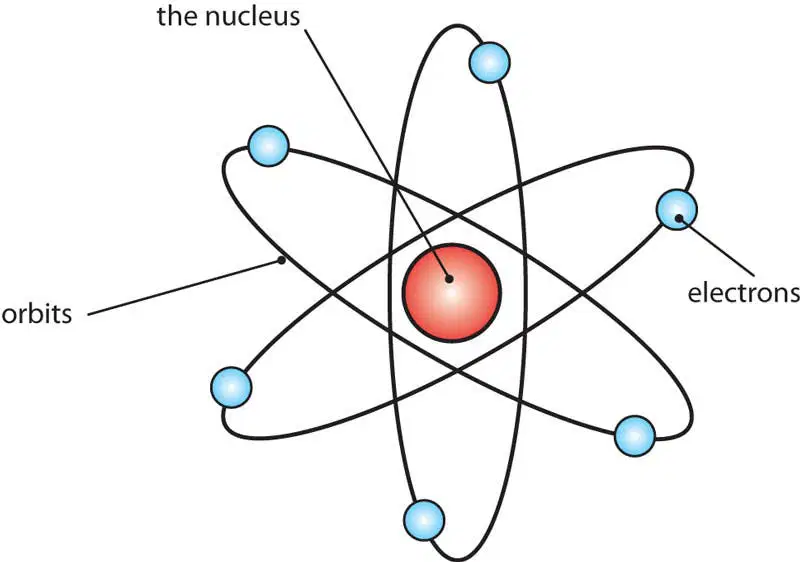
Ki vezette be először az „atom” fogalmát? / Who first introduced the concept of the atom?
Arisztotelész / Aristotle
Démokritosz / Democritus
Dalton / Dalton
Bohr / Bohr

Mit jelent a „atomosz” szó görögül? / What does the Greek word 'atomos' mean?
Oszthatatlan / Indivisible
Kicsi / Small
Kerek / Round
Üres / Empty
Melyik tudós fedezte fel az elektront? / Who discovered the electron?
J. J. Thomson
Rutherford
Curie
Dalton
Mi volt Rutherford aranyfólia‑kísérletének eredménye? / What did Rutherford’s gold foil experiment prove?
Az atom közepén sűrű, pozitív mag van. / The atom has a dense, positive nucleus.
Az elektronok nem léteznek. / Electrons don’t exist.
Az atom tömör. / The atom is solid.
Az atom csak negatív részecskéket tartalmaz. / The atom has only negative particles.
Igaz vagy hamis: Az elektronok negatív töltésűek. / True or False: Electrons are negatively charged.
Igaz / True
Hamis / False

Ki alkotta meg az elektronhéjak modelljét? / Who created the electron shell model?
Niels Bohr
Thomson
Dalton
Curie
Melyik részecske semleges töltésű? / Which particle has no charge?
Proton / Proton
Neutron / Neutron
Elektron / Electron
Ion / Ion
Töltsd ki: Az elektron az atommag ____ található. / Fill in: The electron is located ____ the nucleus.
(a)
Az elektronok az atommag körül meghatározott ____ keringenek. / Electrons move around the nucleus in fixed ____.
1 oxigén atom hány elektront tartalmaz? (Rendszám = 8) / How many electrons does an oxygen atom have?
4
6
8
16
Melyik állítás igaz az elektronhéjakról? / Which statement about electron shells is true?
Belülről kifelé töltődnek fel. / They fill from inside out.
Egyszerre telnek meg. / They fill simultaneously.
Mind azonos energiájú. / They have equal energy.
Csak egy van. / There’s only one.
Mi a vegyértékelektron? / What is a valence electron?
A legkülső héjon lévő elektron. / Electron on the outermost shell.
A magban lévő proton. / Proton in the nucleus.
Az első héjon lévő elektron. / Electron on the first shell.
A neutron másik neve. / Another name for neutron.

Ki hozta létre a periódusos rendszert? / Who created the periodic table?
Mengyelejev / Mendeleev
Bohr
Dalton
Curie
A periódusos rendszer vízszintes sorait minek nevezzük? / What are the horizontal rows in the periodic table called?
Periódusok / Periods
Csoportok / Groups
Atomok / Atoms
Héjak / Shells
Melyik elem van a 3. periódus 1. csoportjában? / Which element is in period 3, group 1?
Nátrium / Sodium
Kálium / Potassium
Oxigén / Oxygen
Klór / Chlorine
Igaz vagy hamis: A periódusos rendszerben a rendszám a protonok számát jelzi. / True or False: The atomic number shows the number of protons.
Igaz / True
Hamis / False
Több helyes válasz! Melyek az elemi részecskék? / Multiple answers! Which are the subatomic particles?
Elektron / Electron
Proton / Proton
Neutron / Neutron
neutrínó/ neutrino
Milyen kapcsolat van a periódusos rendszer és az atom szerkezete között? / What is the connection between the periodic table and atomic structure?
A periódusok az elektronhéjak számát mutatják. / Periods show the number of shells.
A főcsoport a vegyértékelektronok számát mutatja. / Groups show the number of valence electrons.
A tömeg a neutronokat mutatja. / Mass shows neutrons.
Nincs kapcsolat. / No connection.
Szavazás / Poll: Melyik tudós munkája tűnt számodra a legérdekesebbnek? / Poll: Which scientist’s work did you find most interesting?
Niels Bohr nemcsak híres fizikus volt, hanem fiatalon… / Niels Bohr was not only a famous physicist but also…
…sakkmester volt. / …a chess master.
…labdarúgó volt. / …a football player.
…színész volt. / …an actor.
…zeneszerző volt. / …a composer.
Ha az elektronok egyszer csak nem vonzódnának a protonokhoz… / If electrons suddenly stopped being attracted to protons…
Semmi sem történne. / Nothing would happen.
Az atomok még stabilabbá válnának. / Atoms would become more stable.
Minden anyag szétesne. / Everything would fall apart!
A Föld könnyebb lenne. / Earth would get lighter.

