
 Worksheets
Unit 102 PPT3
Total questions: 30
Worksheet time: 15mins
What is the main focus of Unit 102 in the Foundation in Construction and Building Services Engineering course?
Introduction to the trades in the construction and built environment sector
Advanced electrical engineering concepts
Modern architecture design
Environmental sustainability in construction
What is the title of PowerPoint 3 in Unit 102?
Traditional skills used in the construction and building services
Modern construction technologies
Health and safety in construction
Project management in building services
What does a tolerance of +/- 2mm mean for a door frame required to be 900mm wide?
The door frame can be between 898mm and 902mm wide.
The door frame must be exactly 900mm wide.
The door frame can be between 890mm and 910mm wide.
The door frame can be any width.
Which of the following is a metric unit for measuring length?
millimetre (mm)
inch (in)
pint (pt)
pound (lb)
What is the imperial unit equivalent to a litre (l) for measuring liquid?
pint (pt)
gramme (g)
kilometre (km)
metre (m)
Which of the following is a metric unit for measuring weight?
kilogramme (kg)
foot (ft)
inch (in)
pint (pt)
Which of the following is an imperial unit for measuring weight?
pound (lb)
kilometre (km)
millilitre (ml)
gramme (g)
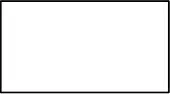
Which formula is used to calculate the area of a rectangle?
a × b
(a × b)/2
pi × r × r
a × b × c
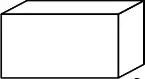
What is the formula for the volume of a brick?
a × b × c
a × b
pi × r × r × h
(a × b)/2

What is the formula for the volume of a sphere?
(pi × r³) × 4/3
pi × r × r × h
(pi × r² × h)/3
a × b × c

How do you calculate the volume of a cylinder?
pi × r² × h
(pi × r² × h)/3
(a × b)/2
a × b × c
What does the term "linear metres" refer to in construction measurements?
The total of an individual component’s measurements added together
The area covered by a component
The weight of a component
The volume of a component
Which of the following is NOT typically measured in linear metres?
Wallpaper
Skirting board
Building line
Paint coverage
If a wall has a length of 3.3 meters and a width of 3.3 meters, what is its area?
6.6 m²
10.89 m²
9.9 m²
3.3 m²
If a cube has sides of 3.3 metres, what is its volume?
10.89 m³
35.937 m³
9.9 m³
29.7 m³
The volume of an object represents:
The total weight of the object
The total space the object takes up
The surface area of the object
The length of the object
What is the purpose of a temporary benchmark (TBM) on a building site?
To provide a reference point set up from the OBM
To mark the location of utilities
To indicate the completion of construction
To measure the height of buildings
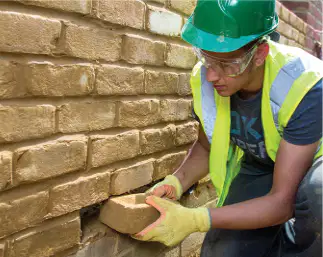
Which skill involves placing bricks or stones to form a wall or structure?
Installing masonry
Painting masonry
Removing masonry
Polishing masonry
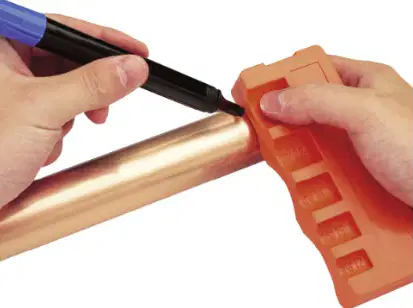
Which of the following is an example of a traditional skill used in Construction and Building Services Engineering (BSE) trades?
Measuring and marking out
Painting walls
Designing blueprints
Operating heavy machinery
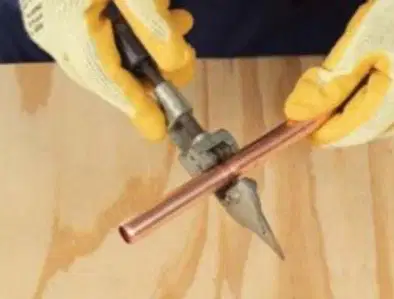
What is a traditional skill in BSE trades that involves using tools to separate materials?
Cutting pipes
Installing windows
Mixing cement
Surveying land
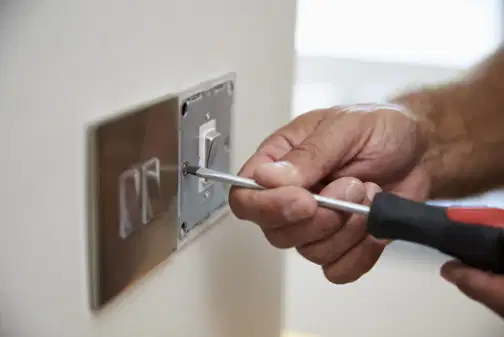
Which activity is considered a traditional skill in BSE trades related to electrical work?
Installing electrical components
Laying bricks
Welding steel beams
Painting ceilings
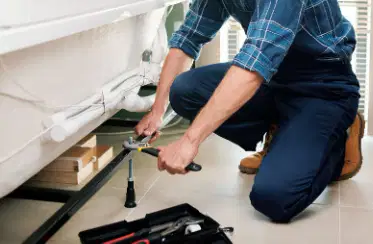
In BSE trades, what does installing plumbing components refer to?
Fitting and connecting pipes and fixtures
Painting bathroom tiles
Designing kitchen layouts
Surveying building sites
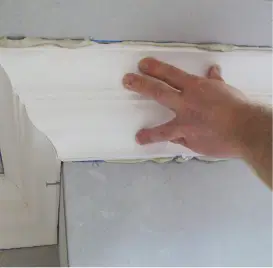
Which skill is demonstrated by attaching decorative mouldings to walls?
Installing cornice/beads
Measuring and marking out
Finishing floor screeds
Cutting plasterboard
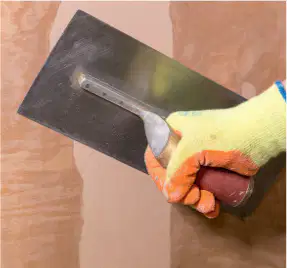
What is the purpose of finishing floor screeds and plaster?
To create a smooth and even surface
To install electrical outlets
To paint the surface
To measure the area
Which of the following is a benefit of being able to measure accurately according to the material?
It increases material waste
It makes the most economic use of materials
It slows down the construction process
It reduces the need for tools
What does the term 'marking tools' refer to in construction and building services engineering?
Tools used to mark the required measurements, such as string or chalk lines.
Tools used for cutting materials.
Tools used for mixing cement.
Tools used for painting surfaces.
What are squares used for in construction and building services engineering?
Marking out and checking angles and corners.
Mixing paint.
Cutting tiles.
Measuring temperature.
Which of the following is a hand tool used for cutting and shaping materials?
Chisel
Trowel
Paint brush
Jointer
Which of the following is NOT a finishing tool?
Spatula
Pipe cutter
Trowel
Paint brush
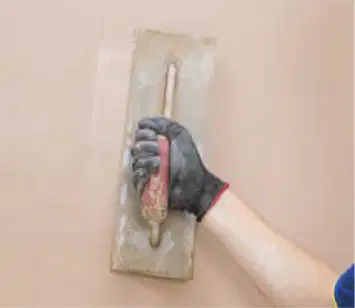
Which of the following is used for finishing rather than cutting?
Trowel
Bolster
Hand saw
Chisel

