
 Worksheets
What is Research? Definitions
Total questions: 27
Worksheet time: 14mins
According to Aquino, which statement best defines research?
A casual exploration of any topic without rules
The systematic search for pertinent information on a specific topic or problem
An artistic interpretation of societal trends
Collecting opinions from friends and family
Which option aligns with Manuel and Medel’s definition of research?
An unstructured brainstorming session to generate ideas
A process of gathering data or information to solve a specific problem in a scientific manner
A historical overview of previous studies without collecting data
An artistic critique based on personal impressions

Which statement best captures the first purpose of research shown: discovering new facts about known phenomena?
Research aims to confirm existing beliefs without change.
Research seeks new facts and deeper understanding of phenomena already observed.
Research only focuses on creating products, not knowledge.
Research avoids studying known phenomena.
In the context of research, what does it mean to find answers to problems that are only partially solved by existing methods and information?
Repeating the same methods to maintain tradition
Identifying gaps in current solutions and developing improved approaches
Discarding all prior information and starting from scratch
Limiting inquiry to historical studies only
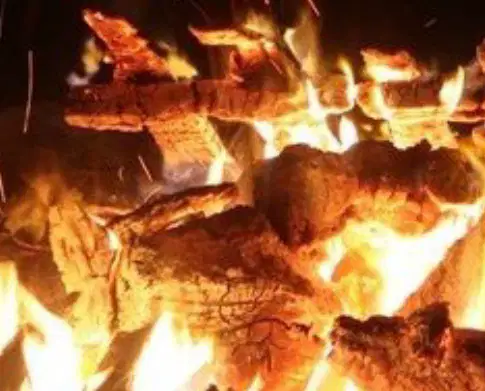
Choose the example that most directly illustrates the purpose: improve existing techniques and develop new instruments or products.
Documenting the discovery of fire without change
Designing safer, more efficient stoves based on understanding of combustion
Writing a biography of a scientist
Cataloging artworks in a museum
Which purpose of research is illustrated by adding newly identified elements to the Periodic Table of Elements?
To satisfy the researcher’s curiosity
To preserve historical records
To discover previously unrecognized substances or elements
To market existing technologies

In the context of research purposes, the evolution-style sequence leading to a robot primarily suggests which outcome of research?
Random artistic experimentation with no application
Structured evidence that informs choices across sectors like industry and government
A celebration of past traditions
A focus on individual expression only
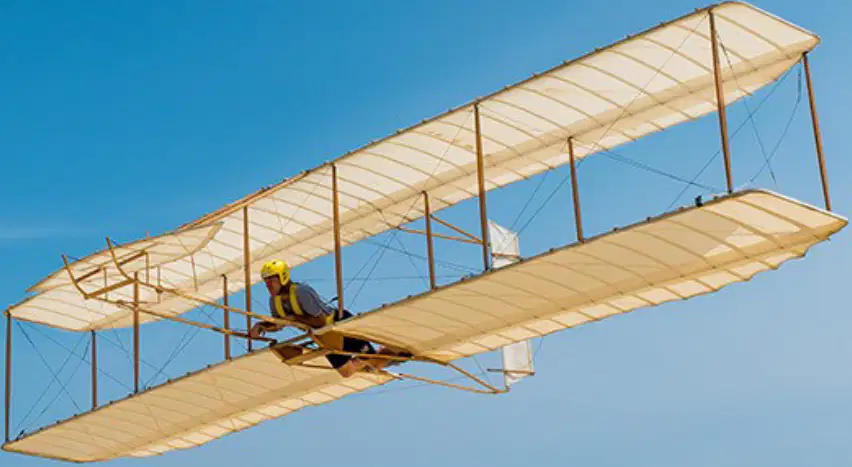
A pioneer tests a lightweight glider simply to learn whether human flight can be achieved. Which stated purpose of research does this scenario best represent?
To satisfy the researcher’s curiosity
To ensure regulatory compliance
To commercialize a patented device
To archive museum artifacts

Which statement best captures a core purpose of research depicted in the graphic with people climbing bar charts?
To entertain audiences through artistic performances
To find answers to queries by means of scientific methods
To preserve traditional crafts without change
To reduce the need for critical thinking in society
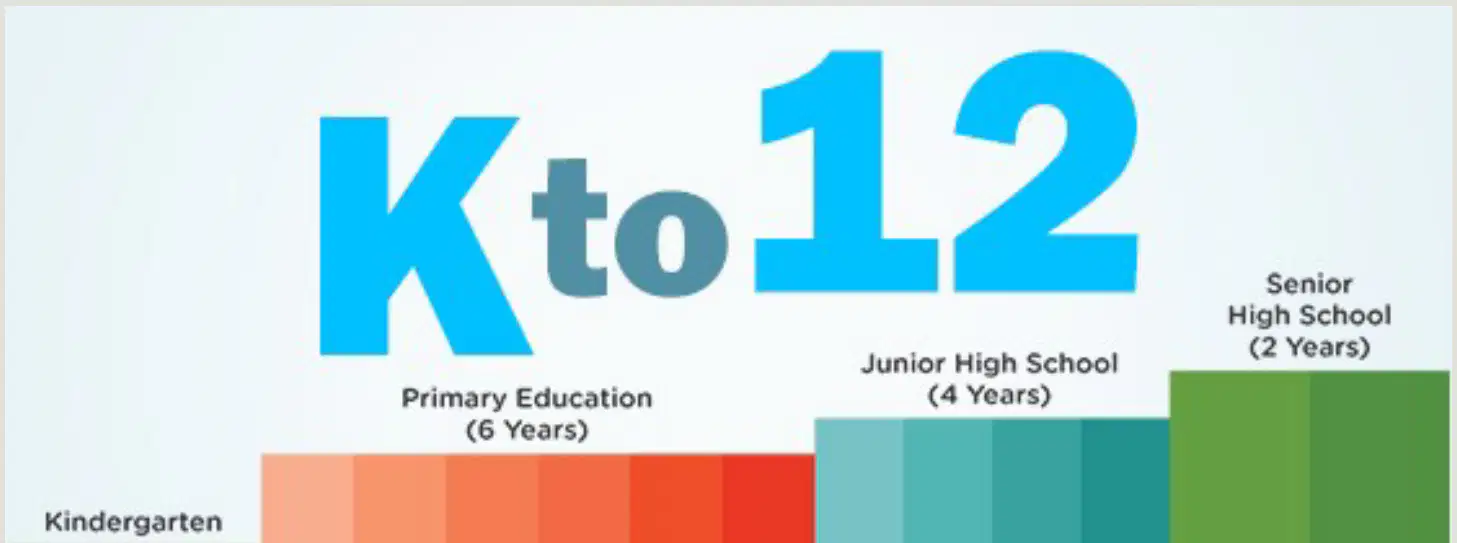
In the context of basic education shown (K to 12), research primarily serves to do which of the following?
Eliminate primary education
Improve educational practices for raising the quality of school products
Shorten junior high school to one year
Replace teachers with automated systems

The image of a prescription bottle spilling pills supports which stated purpose of research?
To increase the number of art museums
To promote health and prolong life
To restrict access to education
To decrease global collaboration

Which level in Maslow's Hierarchy of Needs focuses on basic survival requirements such as air, water, food, shelter, sleep, clothing, and reproduction?
Physiological needs
Safety needs
Love and belonging
Esteem
Self-actualization
Based on the images contrasting an early car and a modern electric vehicle at a charging station, what purpose of research is being illustrated?
Making work, travel, and communication faster, easier, and more comfortable
Preserving traditional transportation methods
Reducing human social connections
Eliminating the need for energy sources
Which classification under PURPOSE focuses on forecasting outcomes or trends?
Directive Research
Illuminative Research
Predictive or Prognostic Research
Exploratory Research
Evaluation Research
Basic or Pure Research and Applied Research belong to which classification category?
Purpose
Goal
Levels of Investigation
Type of Analysis
Scope
Within LEVELS OF INVESTIGATION, which option emphasizes testing causal relationships through controlled procedures?
Descriptive Research
Experimental Research
Exploratory Research
Developmental Research
Illuminative Research
Which pair correctly aligns an item with TYPE OF ANALYSIS?
Exploratory Research — Type of Analysis
Analytic Approach — Type of Analysis
Action Research — Type of Analysis
Predictive Research — Type of Analysis
Evaluation Research — Type of Analysis
Under SCOPE, which type of research is highlighted?
Action Research
Quantitative Research
Basic Research
Descriptive Research
Illuminative Research
Which classification category lists Quantitative Research and Non-quantitative Research?
Purpose
Goal
Levels of Investigation
Statistical Content
Time Element
Which term refers to favoring established practices that may resist new evidence in scientific investigation?
Authority
Tradition
Dogmatism
Mystification
Which hindrance involves holding rigid beliefs and refusing to consider alternative explanations?
Dogmatism
Ego-involvement in understanding
To err is human
Made-up information
A researcher disregards contradictory results and only highlights the data that confirm the hypothesis. Which hindrance is illustrated?
Mystification
Selective observation
Illogical reasoning
Tradition
Which option best captures the idea of "To err is human" as a hindrance?
The tendency to hide methods in mysterious terms
The inevitability of mistakes affecting research
Obedience to authoritative directives
Relying on fabricated data
Which step of the scientific method involves identifying what issue or question the study will address?
Forming a hypothesis
Determining the problem
Analyzing the data
Making recommendations
In the listed sequence, which step immediately follows 'Doing the library search'?
Designing the study
Developing instruments for collecting data
Forming a hypothesis
Analyzing the data
Which step is most focused on creating surveys, interview guides, or measurement tools to gather information?
Doing the library search
Developing the instruments for collecting data
Determining implication and conclusion from the findings
Making recommendations for further research
Which of the following best describes the purpose of the final step, 'Making recommendations for further research'?
To collect additional data for the current study
To propose future directions or improvements based on findings
To restate the hypothesis in new wording
To design the sampling frame

