
 Worksheets
Il Ciclo dell'Acqua
Total questions: 23
Worksheet time: 35mins
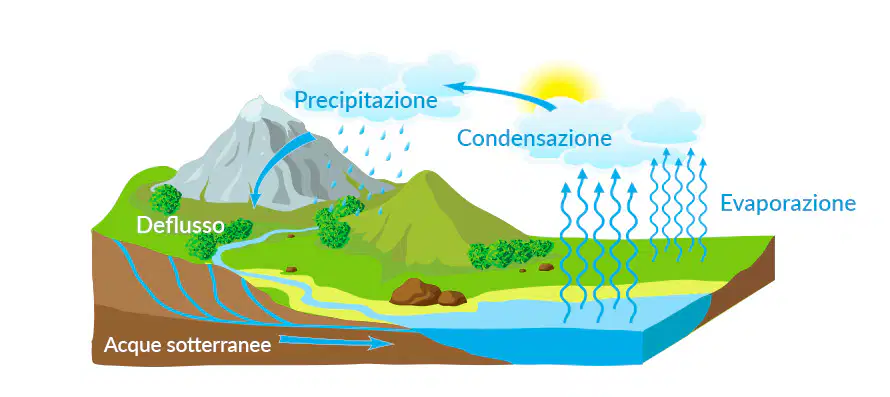
Which statement correctly describes the purpose of the water cycle?
It repeats to create snow and hail.
It repeats continuously and sustains life on Earth.
It only serves to fill rivers.
It occurs only in winter.

What transformation occurs during evaporation?
From solid to liquid
From liquid to gas
From gas to solid
From liquid to solid

During transpiration, where are the openings that allow droplets to escape?
On the roots of the plants
On the leaves, in the stomata
On the bark
In the soil next to the plants
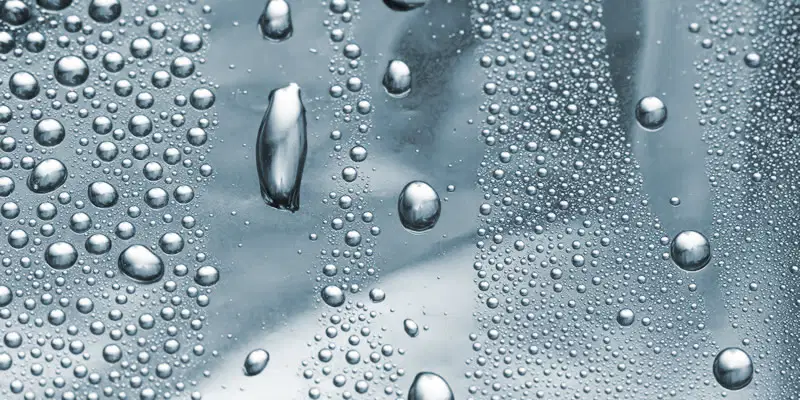
What condition favors the condensation of water vapor into small droplets?
Increase in temperature
Strong wind
Decrease in temperature
Intense light

Clouds are mainly formed thanks to:
Evaporation of water in the sea
Condensation of droplets in the atmosphere
Solidification of ice in the air
Melting of snow on the ground
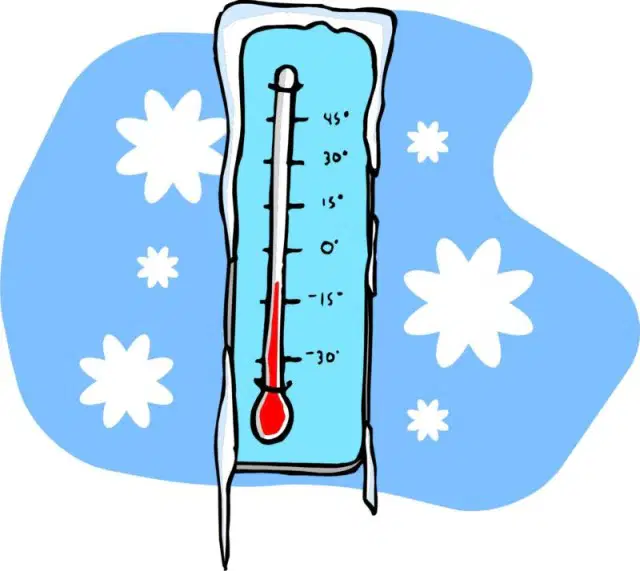
When the air becomes very cold at 0 °C or below, what state change can occur to the raindrops?
Melting: from solid to liquid
Evaporation: from liquid to gas
Solidification: from liquid to solid
Condensation: from gas to liquid

What type of precipitation occurs in the atmosphere when water vapor solidifies?
Hail and snow
Rain and frost
Snow and fog
Dew and rain
The melting of water is the transition:
From liquid to gas
From solid to liquid
From gas to solid
From liquid to solid
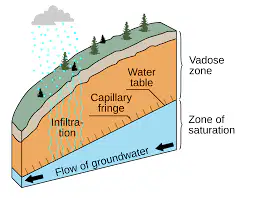
In infiltration, the water that stagnates in the soil can infiltrate and form:
Invisible underground rivers
Aquifers useful for irrigation and generating springs
Salty lakes
Low clouds

What happens to water after atmospheric precipitation?
Water remains in the soil forever.
Water flows into the seas, rivers, and lakes, starting a new cycle.
Water evaporates only from lakes.
Water turns entirely into ice.
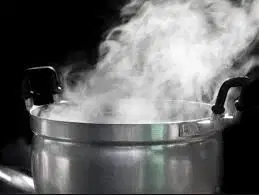
Why does water vapor rise during evaporation?
It is heavier than air
It is a light gas that diffuses into the atmosphere
It is pushed by the wind
It is attracted by the clouds
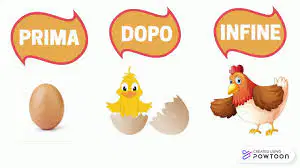
Which combination of phases puts in the correct order the changes that lead to rain?
Evaporation → Condensation → Precipitation
Condensation → Evaporation → Precipitation
Precipitation → Evaporation → Condensation
Evaporation → Precipitation → Condensation
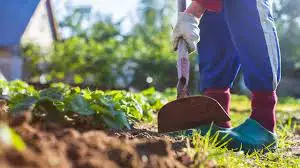
What allows a farmer to keep his plants healthy?
Condensation
Precipitation
Evaporation
Infiltration that feeds the aquifers

If the temperature drops below 0 °C, which event is more likely among these?
Warm rain
Formation of hail or snow due to solidification
Intense evaporation
Rapid melting
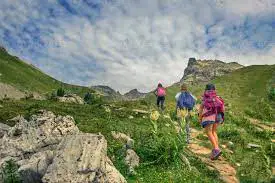
To plan a hike, a group wants to avoid sudden rain. What natural signal indicates that precipitation may arrive soon?
Increase in evaporation from the ground
Large, heavy clouds due to condensation
Absence of wind
Melting snow on the mountains
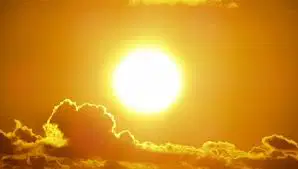
What does the sun do?
It evaporates water
It cools water
It does nothing
It freezes water

Which phase of the water cycle is shown in the image?
Precipitation
Condensation
Evaporation
In che stato si trova l'acqua nel mare?


Which phase of the water cycle is shown in the image?
Precipitation
Evaporation
Condensation

The water cycle is called that because
it rides a bicycle
it always starts over
the drops are round
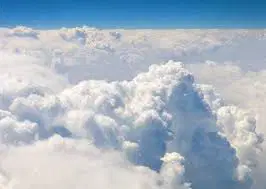
The clouds we see in the sky are made of:
Water in solid form.
Condensed water vapor in droplets.
Warm and dry air.
Dust and sand suspended in the air.

Rain is...
Sea water.
Made up of heavy drops of water that fall to the ground.
Made up of transparent ice crystals.
A very low cloud that touches the surface of the earth.

What is capillarity?
the ability of water to rise inside thin tubes
a hairstyle
the ability of water to descend into the ground
a song

