
 Worksheets
Turfgrass CDE Mock Contest #1
Total questions: 55
Worksheet time: 28mins
Name
Class
Date
1.
Many fungal disease problems surface during periods of __________________________________________.
a)
cool temperatures and high humidity
b)
cool temperatures and low humidity
c)
warm temperatures and high humidity
d)
warm temperatures and low humidity
2.
A horticulturist has identified evidence of insects devouring the leaves of a tree along with a number of gypsy moth larvae. What would be the most effective means of control?
a)
a contact insecticide
b)
a respiratory insecticide
c)
a stomach insecticide
d)
a systemic insecticide
3.
What are the two most important characteristics of turfgrasses selected for athletic fields?
a)
bunch - type growth and rapid seed germination
b)
disease resistance and tolerant to low cutting heights
c)
good wear tolerance and recuperative abilities
d)
heat tolerance and adaptable to many soil types
4.
What part of a pesticide kills the pest
a)
inert ingredients
b)
the fluid
c)
active ingredient
d)
the icide
5.
What is the supplying of water to land through artificial means?
a)
sprinkling
b)
irrigation
c)
evapotranspiration
d)
natural rainfall
6.
What is the the function of a backflow prevention device?
a)
It ensures a steady flow rate.
b)
It keeps the irrigation system safe from dirty water.
c)
It prevents contamination of drinking water by not allowing the irrigation water to flow backward into the water supply.
d)
It regulates the recycling of water in ornamental pools.
7.
When should cool - season turfgrass lawns be fertilized?
a)
fall and summer
b)
spring and fall
c)
summer and winter
d)
winter and spring
8.
Why is the middle of a football field 12 to 18 inches higher than the perimeter?
a)
for better viewing
b)
for improved footing
c)
for natural drainage
d)
for traffic resistance
9.
What are the base paths and warning tracks of baseball and softball fields that lack turfgrass called?
a)
border zones
b)
maintained pathways
c)
natural areas
d)
skinned areas
10.
What is the causal agent of most common turfgrass diseases?
a)
viruses
b)
bacteria
c)
fungi
d)
mycorrhizae
11.
Which task would most likely fall under the responsibilities of a sports turf manager?
a)
maintain irrigation systems
b)
paint turf with team logos
c)
plant of grass seed
d)
prepare cost estimates
12.
What are used to control annual weeds and are applied before the weed seeds germinate?
a)
non - selective herbicides
b)
pre - emergence herbicides
c)
post - emergence herbicides
d)
selective herbicides
13.
In laying out a baseball field, it is best to begin with the placement of the _____________________.
a)
second base
b)
pitching rubber
c)
foul lines
d)
home plate
14.
A pesticide used to control fungus disease is called _______________________.
a)
a nematocide
b)
a miticide
c)
a herbicide
d)
a fungicide
15.
What kills all plants regardless of species?
a)
selective herbicide
b)
non - selective herbicide
c)
contact herbicide
d)
growth regulator
16.
What is an insecticide that is absorbed through the skin or exterior of an insect?
a)
contact insecticide
b)
stomach insecticide
c)
respiratory insecticide
d)
edible insecticide
17.
What makes up the largest portion of golf course acreage?
a)
fairways
b)
greens
c)
roughs
d)
tees
18.
What is the most widely used cool - season grass for football, soccer, and baseball fields?
a)
Bermudagrass
b)
Creeping Bentgrass
c)
Kentucky Bluegrass
d)
Tall Fescue
19.
Which part of a golf course has the highest mowing height and receives the least fertilization?
a)
fairway
b)
fringe
c)
rough
d)
tee box
20.
What is the most popular turfgrass for athletic fields in the southern and transition zones?
a)
Bermudagrass
b)
Creeping Bentgrass
c)
Kentucky Bluegrass
d)
Zoysiagrass
21.
What is an advantage of perennial ryegrass on athletic fields?
a)
It has excellent wear tolerance.
b)
It produces strong rhizomes.
c)
It tolerates low mowing.
d)
It is a warm - season turfgrass.
22.
Who are in supervisory positions and have the responsibility of maintaining and managing sports turf?
a)
golf course superintendents
b)
groundskeeper
c)
sports turf managers
d)
sports turf technicians
23.
What refers to the non - seed material in a bag of seed such as sand, stones, sticks, dirt, chaff, broken seeds, and vegetative materials?
a)
certified seed
b)
inert material
c)
germination percentage
d)
seed mixture
24.
What is the most effective means of aerification for reducing soil compaction?
a)
core
b)
deep tine
c)
solid tine
d)
topdress tine
25.
A greenskeeper wants to eliminate weedy dandelions that have appeared in the fairway. What type of herbicide should she use?
a)
a contact insecticide
b)
a nonselective herbicide
c)
a preemergence herbicide
d)
a selective herbicide
26.
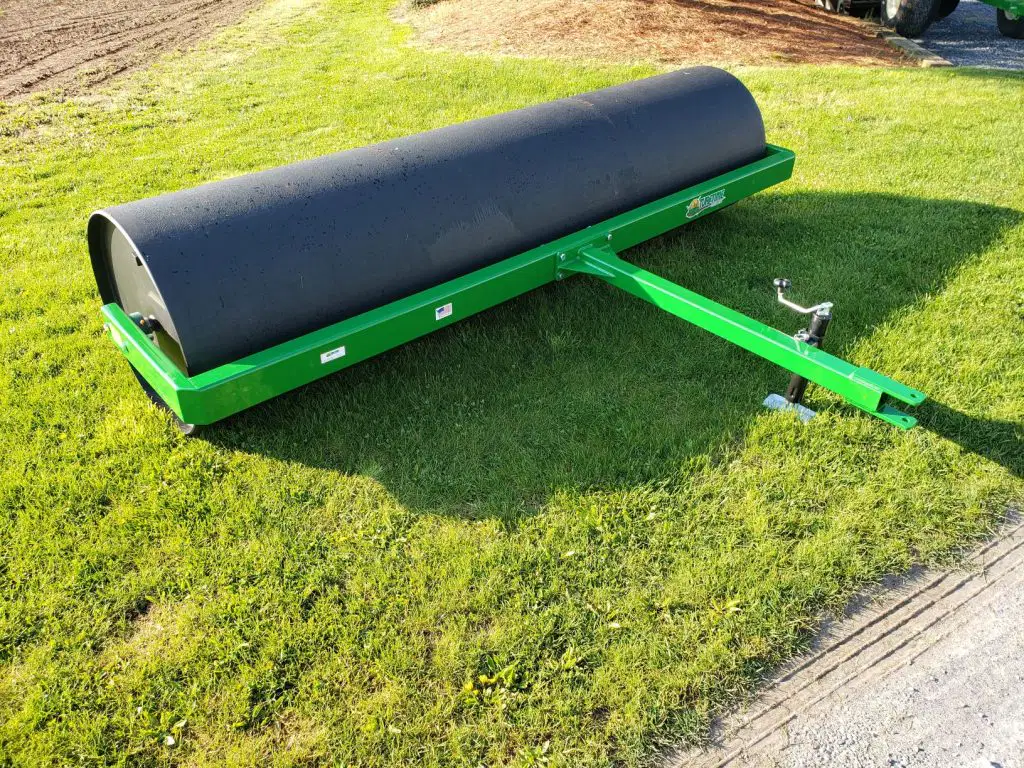
Identify the following tool.
a)
drum roller
b)
reel mower
c)
rotary mower
d)
flail mower
e)
stringed trimmer / weedeater
27.
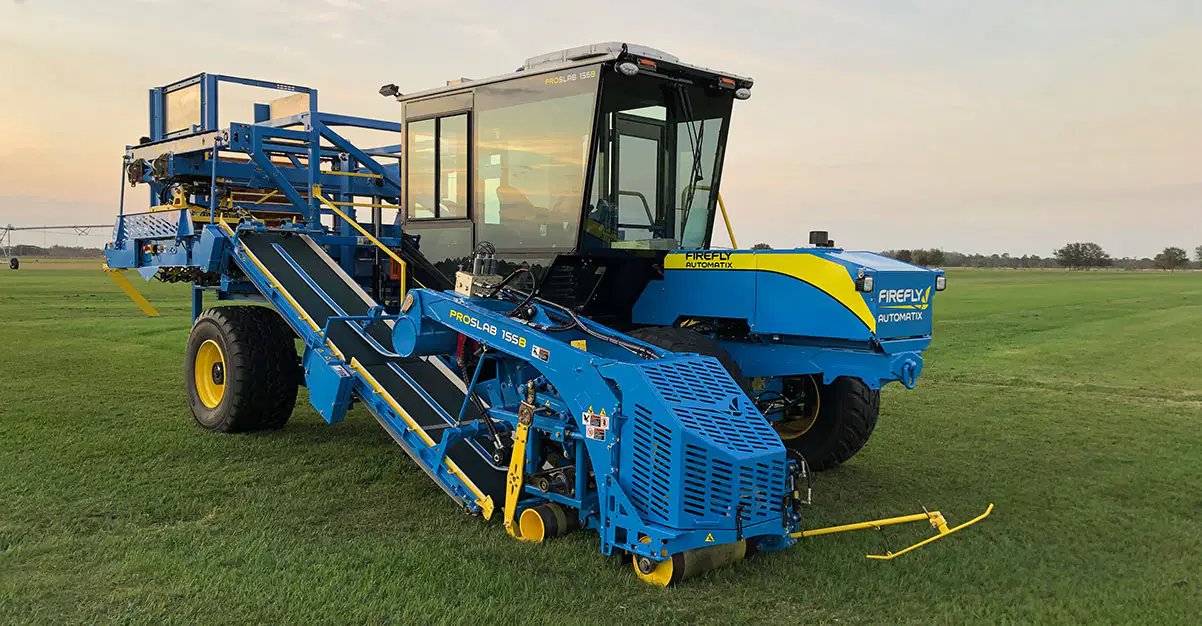
Identify the following tool.
a)
sod harvester
b)
reel mower
c)
rotary mower
d)
flail mower
e)
stringed trimmer / weedeater
28.
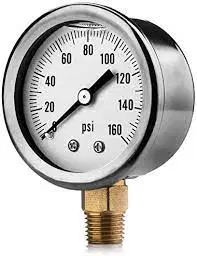
Identify the following tool.
a)
pressure gauge
b)
reel mower
c)
rotary mower
d)
flail mower
e)
stringed trimmer / weedeater
29.
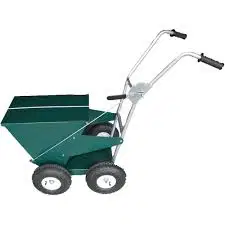
Identify the following tool.
a)
field marking machine
b)
reel mower
c)
rotary mower
d)
flail mower
e)
stringed trimmer / weedeater
30.
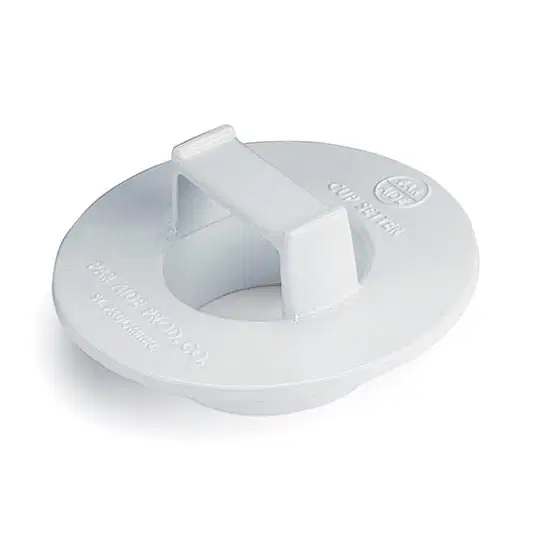
Identify the following tool.
a)
cup setter
b)
reel mower
c)
rotary mower
d)
flail mower
e)
stringed trimmer / weedeater
31.

Identify the following tool.
a)
reel mower
b)
rotary mower
c)
flail mower
d)
stringed trimmer / weedeater
e)
edger
32.
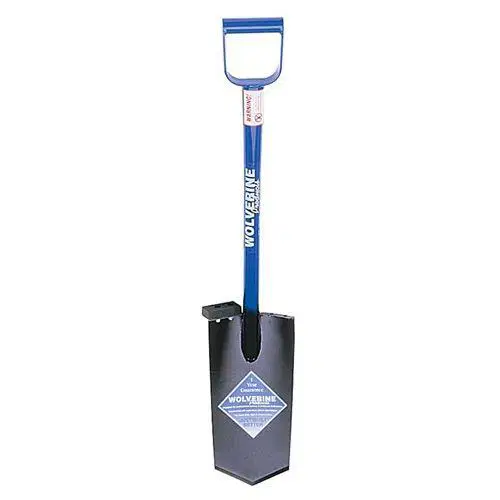
Identify the following tool.
a)
spade shovel
b)
reel mower
c)
rotary mower
d)
flail mower
e)
stringed trimmer / weedeater
33.

Identify the following tool.
a)
soil probe
b)
reel mower
c)
rotary mower
d)
flail mower
e)
stringed trimmer / weedeater
34.
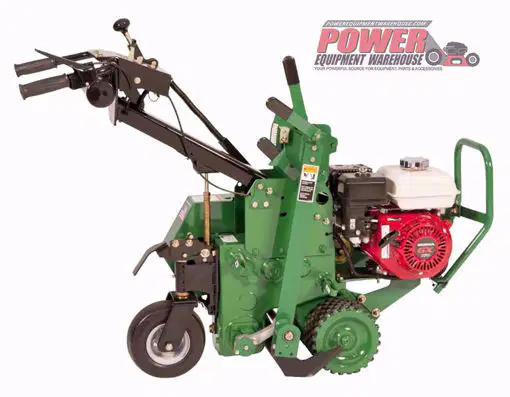
Identify the following tool.
a)
sodcutter
b)
reel mower
c)
rotary mower
d)
flail mower
e)
stringed trimmer / weedeater
35.
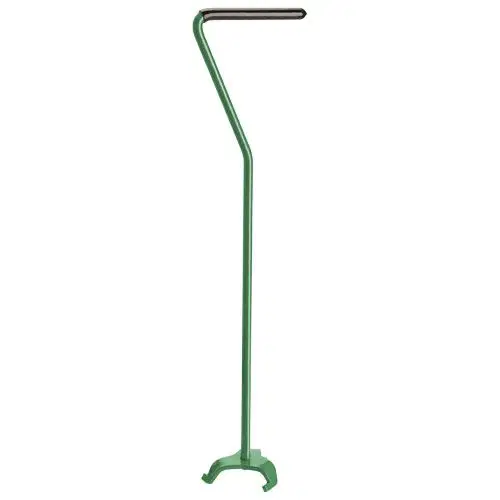
Identify the following tool.
a)
cup puller
b)
reel mower
c)
rotary mower
d)
flail mower
e)
stringed trimmer / weedeater
36.
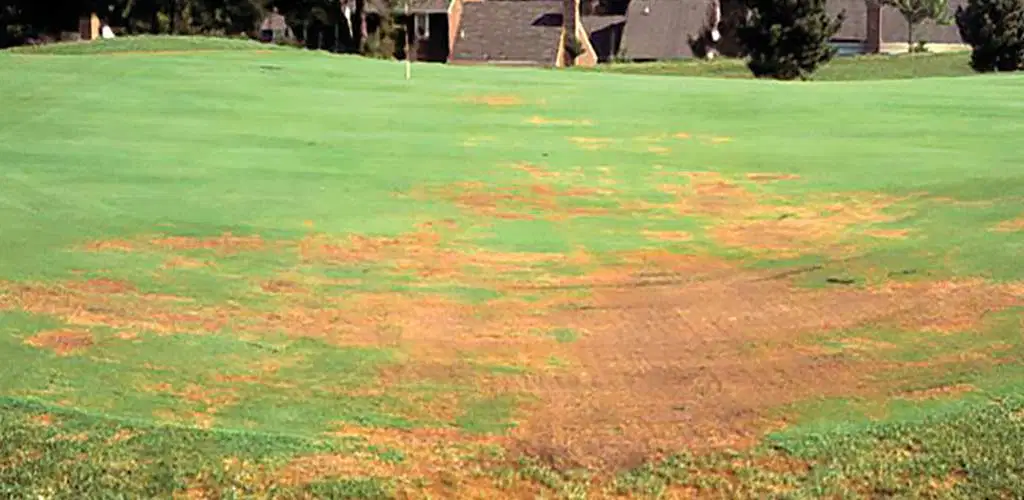
Identify the following turf disorder.
a)
pythium
b)
ant mounds
c)
armyworm damage
d)
brown patch
e)
cicada killer damage
37.

Identify the following turf disorder.
a)
red thread
b)
ant mounds
c)
armyworm damage
d)
brown patch
e)
cicada killer damage
38.
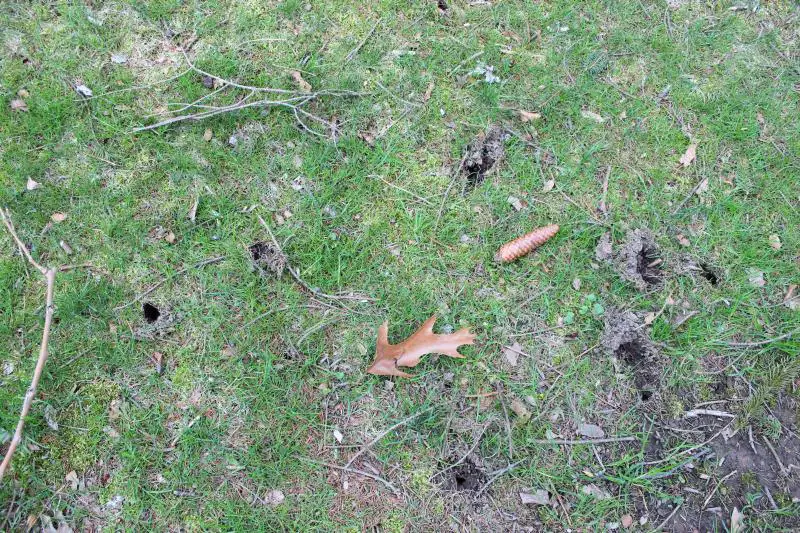
Identify the following turf disorder.
a)
cicada killer damage
b)
ant mounds
c)
armyworm damage
d)
brown patch
e)
compaction
39.
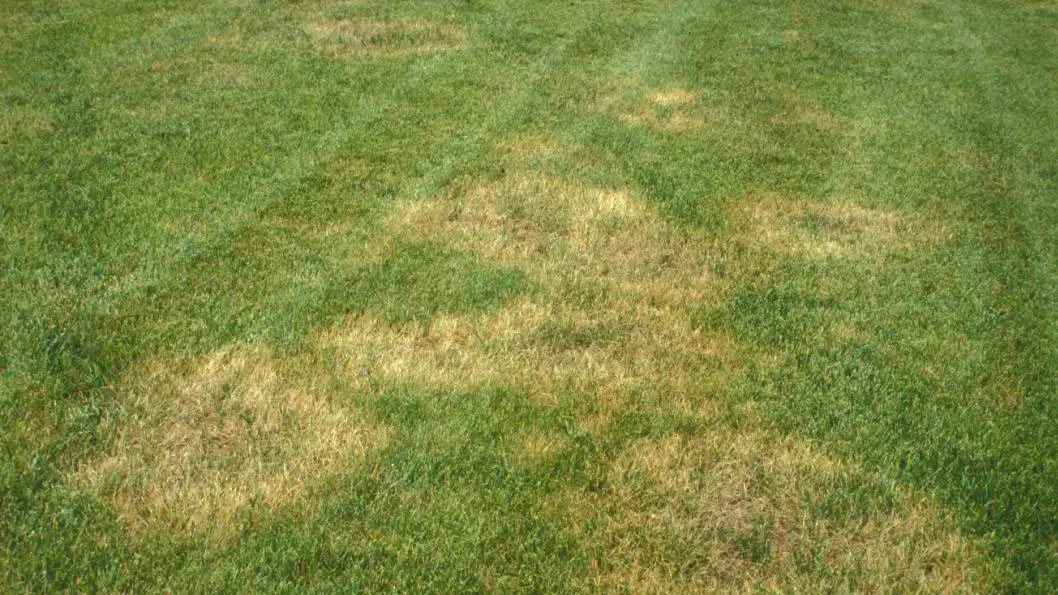
Identify the following turf disorder.
a)
brown patch
b)
ant mounds
c)
armyworm damage
d)
cicada killer damage
e)
compaction
40.

Identify the following turf disorder.
a)
fairy ring
b)
ant mounds
c)
armyworm damage
d)
brown patch
e)
cicada killer damage
41.
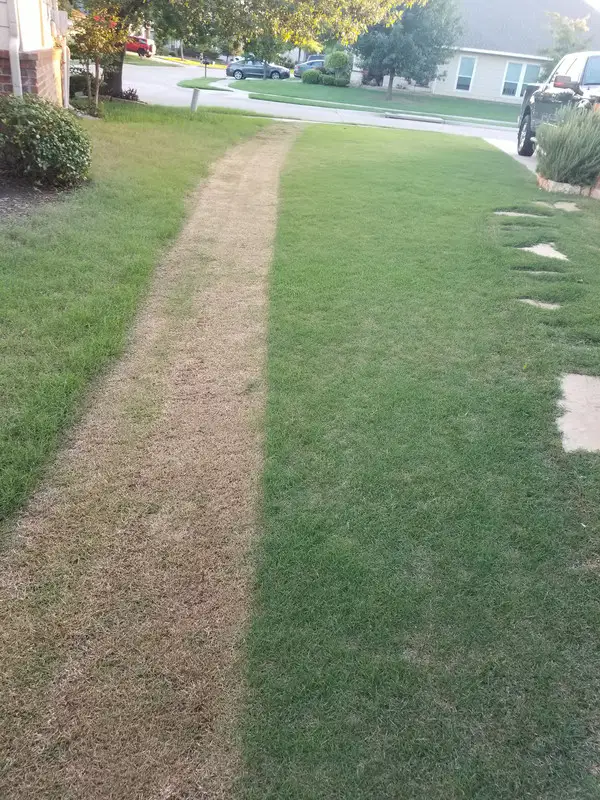
Identify the following turf disorder.
a)
scalping
b)
ant mounds
c)
armyworm damage
d)
brown patch
e)
cicada killer damage
42.
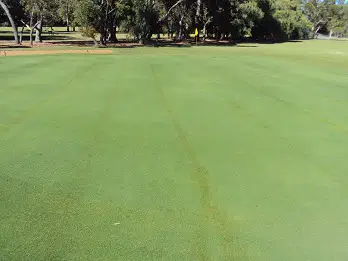
Identify the following turf disorder.
a)
fluid leak
b)
ant mounds
c)
armyworm damage
d)
brown patch
e)
cicada killer damage
43.
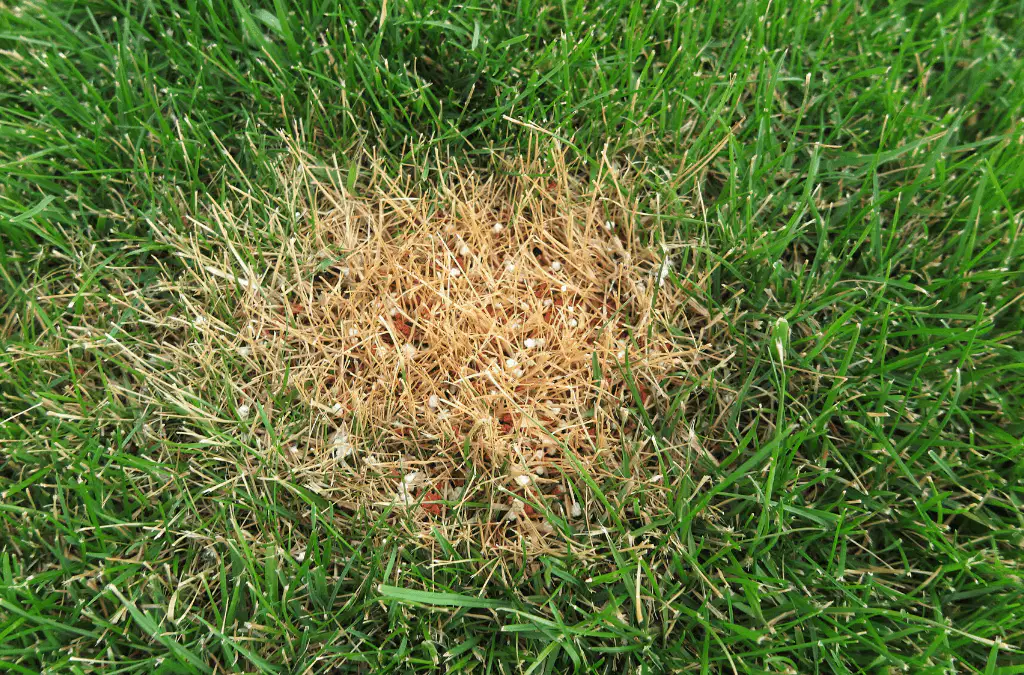
Identify the following turf disorder.
a)
fertilizer dump
b)
ant mounds
c)
armyworm damage
d)
brown patch
e)
cicada killer damage
44.
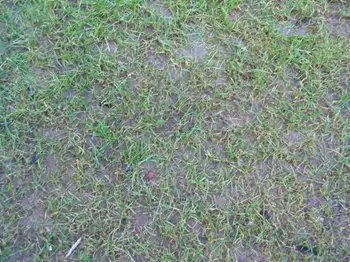
Identify the following turf disorder.
a)
compaction
b)
ant mounds
c)
armyworm damage
d)
brown patch
e)
cicada killer damage
45.
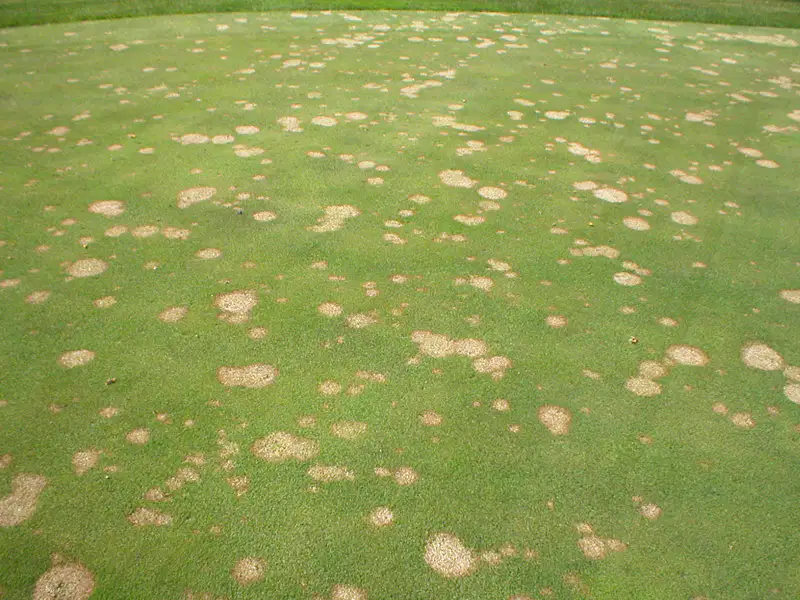
Identify the following turf disorder.
a)
microdochium patch
b)
ant mounds
c)
armyworm damage
d)
brown patch
e)
cicada killer damage
46.

Identify the following weed.
a)
Goosegrass
b)
Wild Garlic
c)
Alligatorweed
d)
Pigweed
e)
Broomsedge
47.
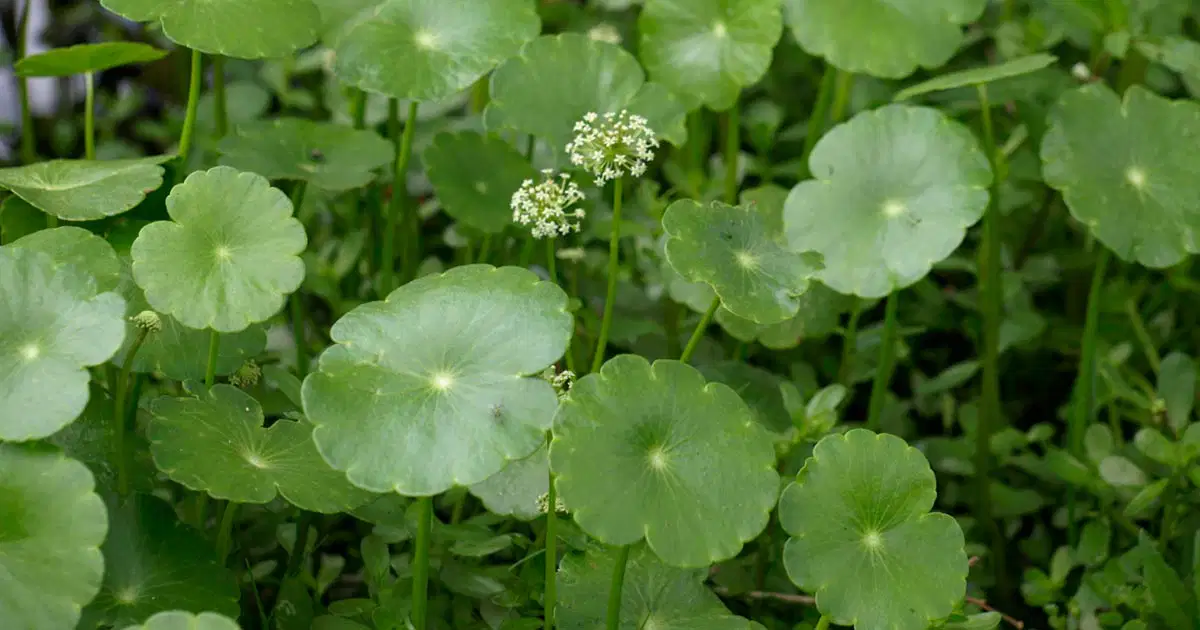
Identify the following weed.
a)
Dollarweed
b)
Wild Garlic
c)
Alligatorweed
d)
Pigweed
e)
Broomsedge
48.

Identify the following weed.
a)
White Clover
b)
Wild Garlic
c)
Alligatorweed
d)
Pigweed
e)
Broomsedge
49.
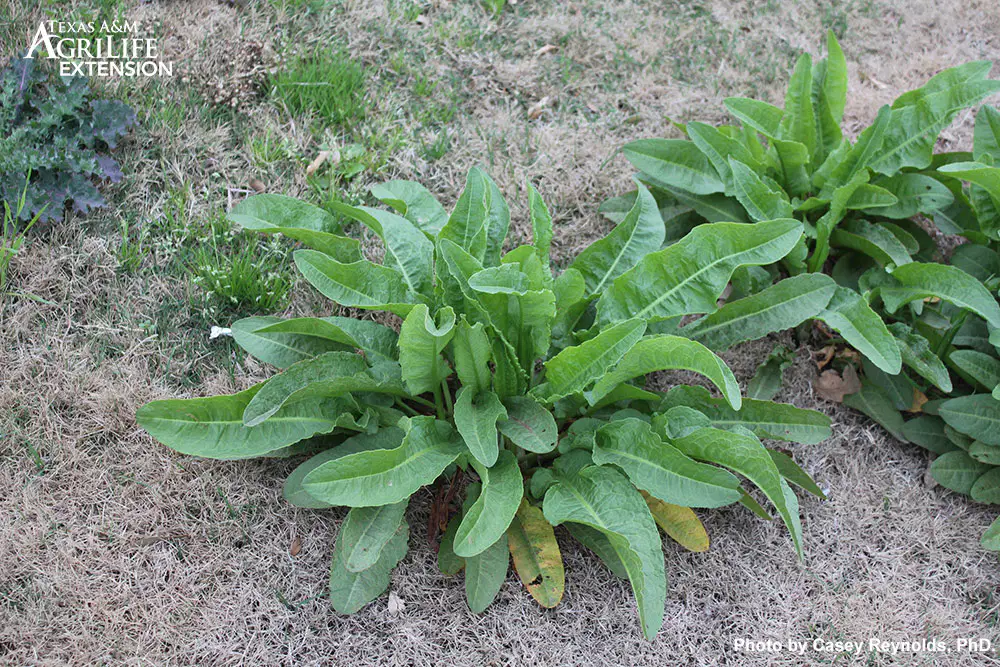
Identify the following weed.
a)
Curly Dock
b)
Wild Garlic
c)
Alligatorweed
d)
Pigweed
e)
Broomsedge
50.
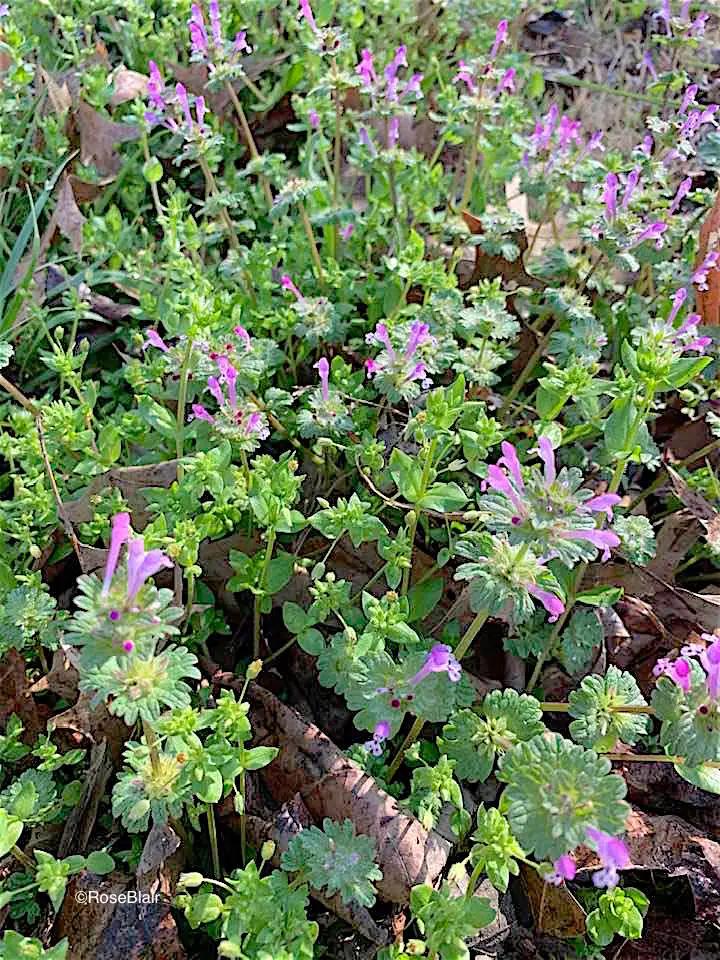
Identify the following weed.
a)
Henbit
b)
Wild Garlic
c)
Alligatorweed
d)
Pigweed
e)
Broomsedge
51.
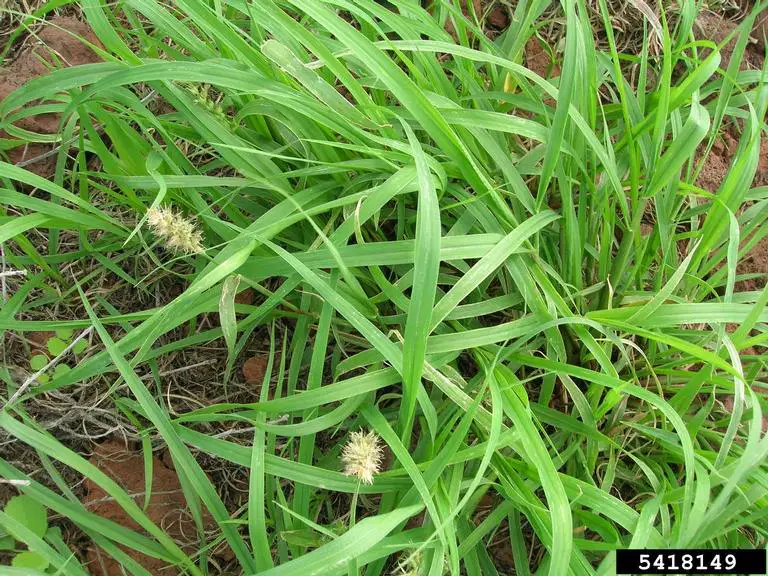
Identify the following weed.
a)
Southern Sandbur
b)
Wild Garlic
c)
Alligatorweed
d)
Pigweed
e)
Broomsedge
52.
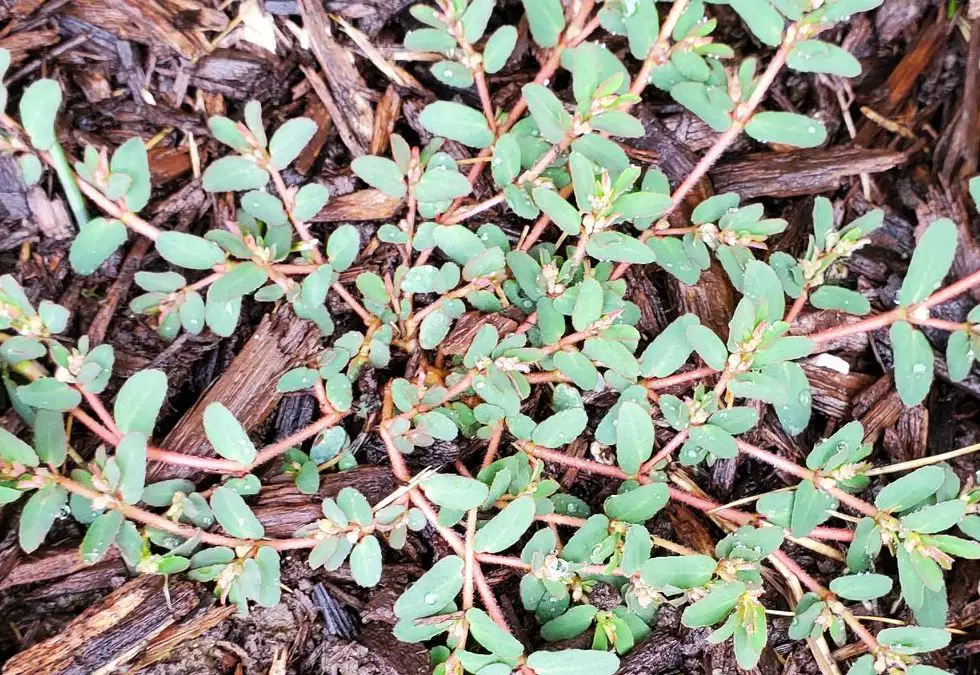
Identify the following weed.
a)
Spotted Spurge
b)
Wild Garlic
c)
Alligatorweed
d)
Pigweed
e)
Broomsedge
53.

Identify the following weed.
a)
Johnsongrass
b)
Wild Garlic
c)
Alligatorweed
d)
Pigweed
e)
Broomsedge
54.

Identify the following weed.
a)
Dogfennel
b)
Wild Garlic
c)
Alligatorweed
d)
Pigweed
e)
Broomsedge
55.

Identify the following weed.
a)
Carolina Geranium
b)
Wild Garlic
c)
Alligatorweed
d)
Pigweed
e)
Broomsedge
100 %