
 Worksheets
Unit 3: The Copper Age & River Valley Civilizations
Total questions: 45
Worksheet time: 23mins

_________ are areas near large rivers where the soil was rich and good for farming.
River Valleys
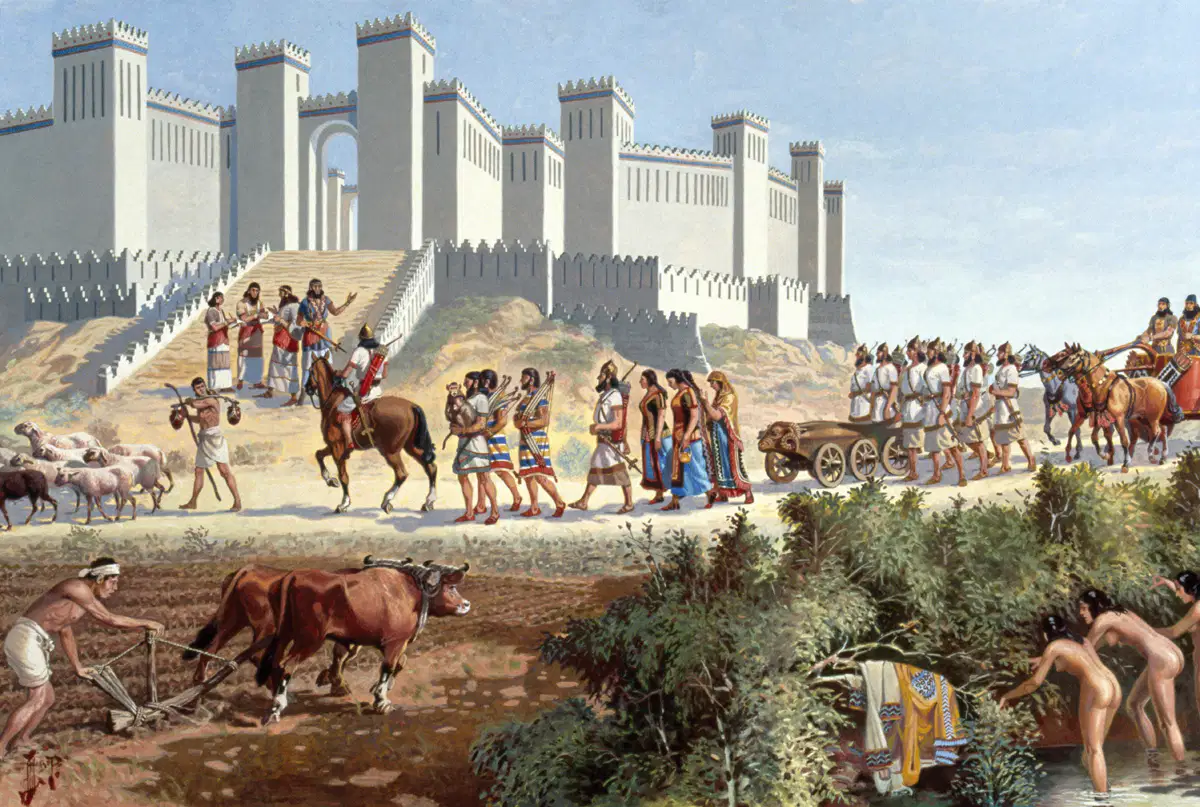
A __________ is a community of people with a shared identity and government
sovereign
civilization

Independent cities that ruled the land around them and had their own laws are called ___________.

The _____________ was an area of land in the Middle East & Africa, known for having good conditions for farming.

________ is a system of faith and beliefs about the world, usually involving a god or multiple gods.
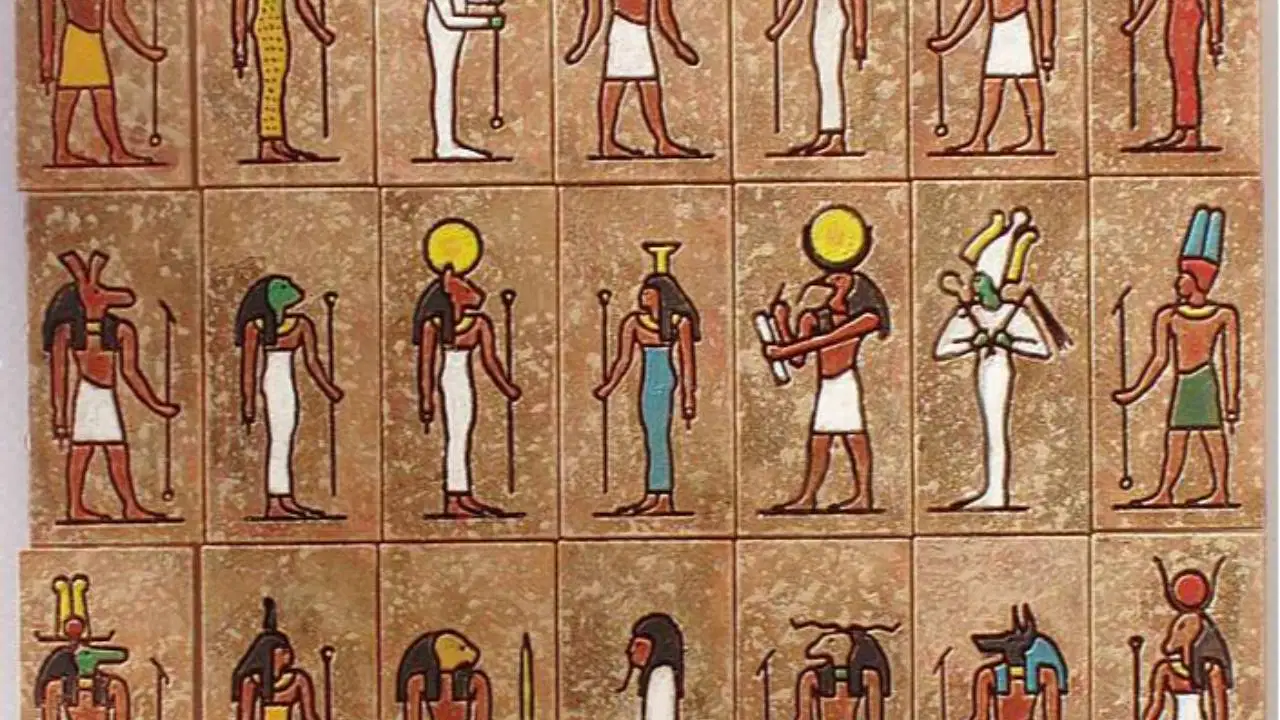
__________ is the belief in many different gods.
democracy
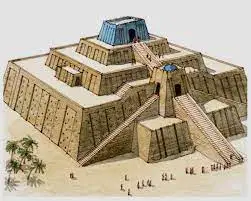
Found in Mesopotamia, a _________ was a big pyramid-like tower, built to honor the gods
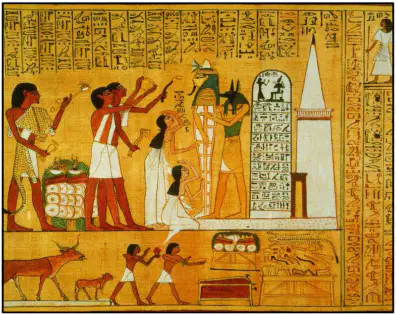
__________ is a government based on religion in which decisions are made by religious leaders

A ________ is a government in which decisions are made by a single leader, usually called a king or a queen.
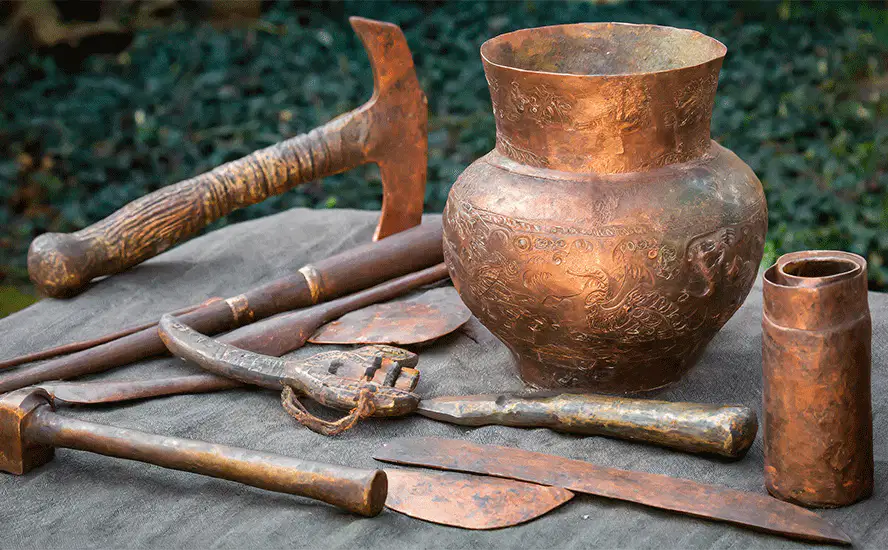
The ________ Age came after the Neolithic Age, and was defined by the use of the first metal tools.
The Copper Age began at the end of the Neolithic Age, around the year _______.
1000 CE
1000 BCE
500 BCE
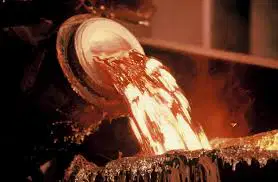
In order for copper to be made into tools, it had to be melted down and then cooled through a process called ______.
basing

The first civilizations in human history are called ____________________, due to how close they are to major river systems.

The first river valley civilization began in the region of ______, in southern Mesopotamia.
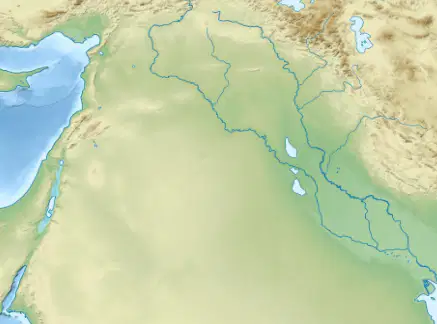
What two rivers surrounded Mesopotamia?
Mesopotamia is a Greek word that means ______________.
land between rivers

Which of these is NOT a reason that civilizations began near large rivers?
Fresh water supply
Fertile soil

How did people living in Mesopotamia deal with the unpredictable flooding from the Tigris & Euphrates rivers?
They built irrigation systems to manage flooding.

Which of these is NOT a major development from the Neolithic Age to the Copper Age?
People begin making metal tools
The first civilizations begin near major rivers
People start using iron weapons
People develop written languages

The first system of writing, created in the Sumer region of Mesopotamia, was called _________.

Historians believe the first ever city-state in Sumer was called _____.
Euphrates
Mesopotamia
Uruk
Akkadia

Sumerians wrote on tablets made of ____.

Which of these is NOT a reason that the Sumerians developed writing?
To communicate with people far away through the mail
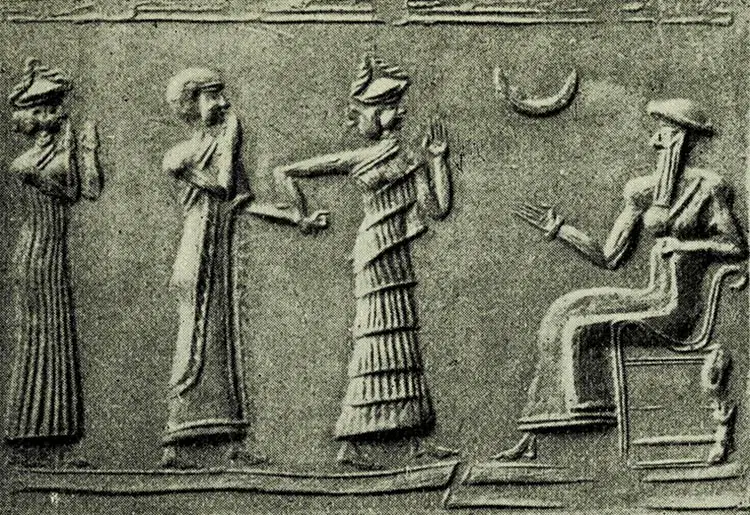
The Sumerians were polytheistic, meaning they believed in _________.
Many gods
One god
No gods
Nothing

Which of these was NOT a Sumerian god or a goddess?
Anu - God of the sky & heavens
Ki - Goddess of the Earth & fertility
Ares - God of war & bravery
Enki - God of water, creation, & wisdom

Which letter on the map shows the location of Mesopotamia?
A
B
C
D
Which letter on the map shows the location of Egypt?
A
B
C
D
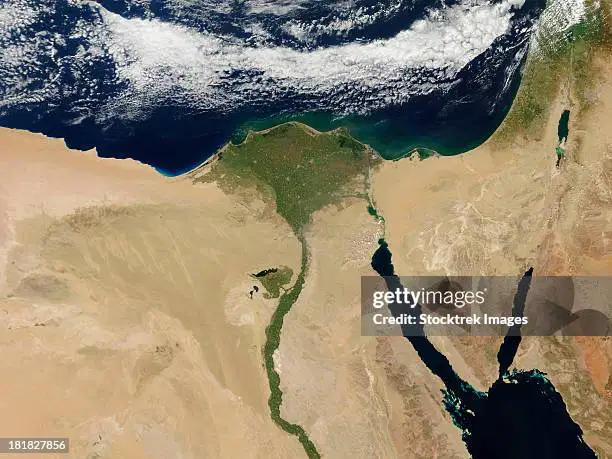
What river did Ancient Egyptians depend on?

In what continent are Egypt & the Nile river located in?

_________ were the rulers of Ancient Egypt
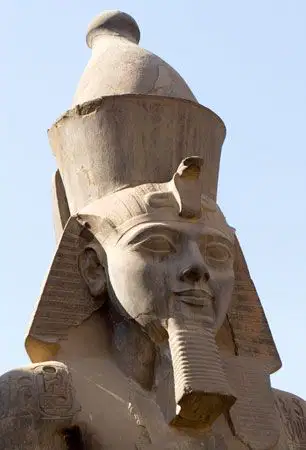
What was the role of the Pharaoh in Ancient Egypt? (Select all that apply)
King
God
Religious Leader

The writing system invented by the Ancient Egyptians is called _____________.
hieroglyphics

Which of these is not something that is a part of Ancient Egyptian culture?
Mummification
Pyramids
Ziggurats
Sphinx
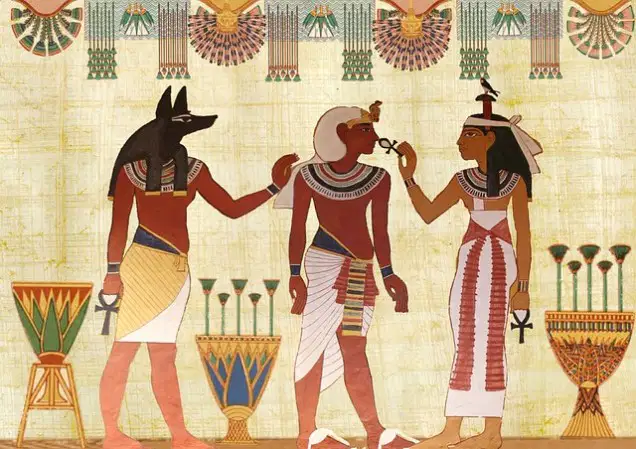
Egypt's government was a Theocracy. A Theocracy is a government based on __________.
religious beliefs
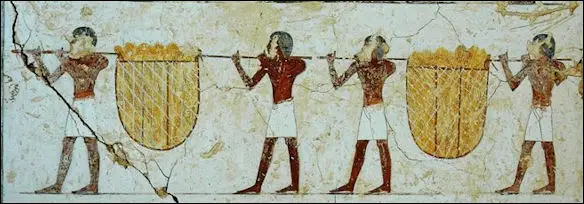
Which of the following groups was at the BOTTOM of the Egyptian social structure?
Craftsmen/Artisans
Farmers
Nobles/Priests
Slaves/Laborers

In Ancient Egypt, the ______ helped the Pharaoh by collecting taxes, supervising workers, and keeping records
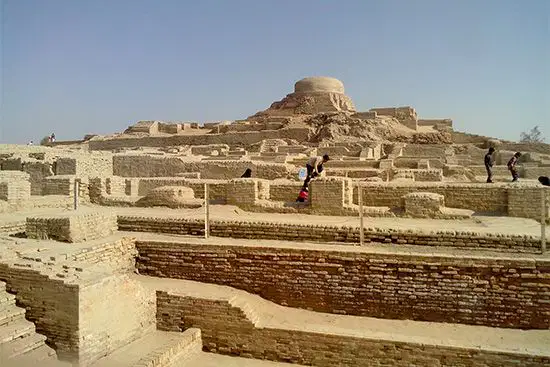
The ___________________ Civilization was one of the 4 major river valley civilizations that appeared in South Asia.

The Indus Valley Civilization depended on the _______ River.

What is the name of the advanced, large city in the Indus Valley Civilization that was one day mysteriously abandoned?
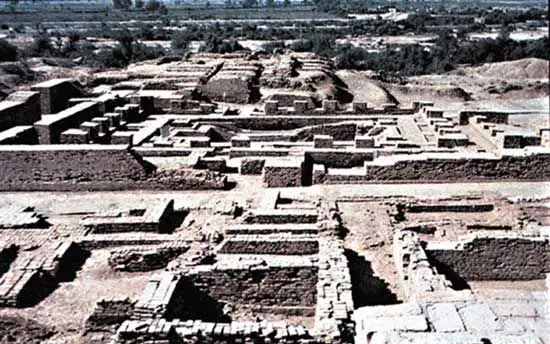
Which of these is NOT a theory about why the city of Mohenjo-Daro may have been abandoned?
Volcano Eruption
Economic Decline
Climate Change
Invasion
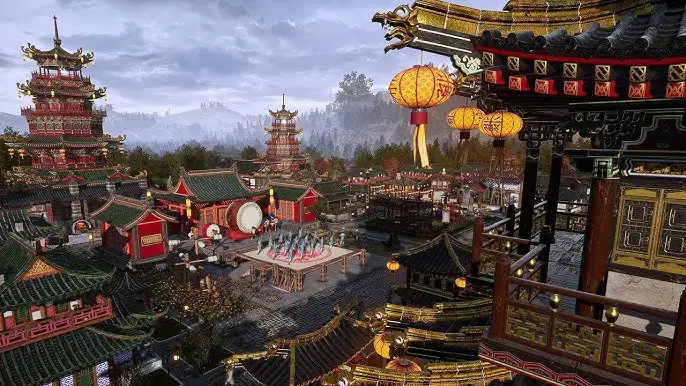
_____________ was one of the 4 major river valley civilizations that appeared in East Asia
Sumer
Ancient China
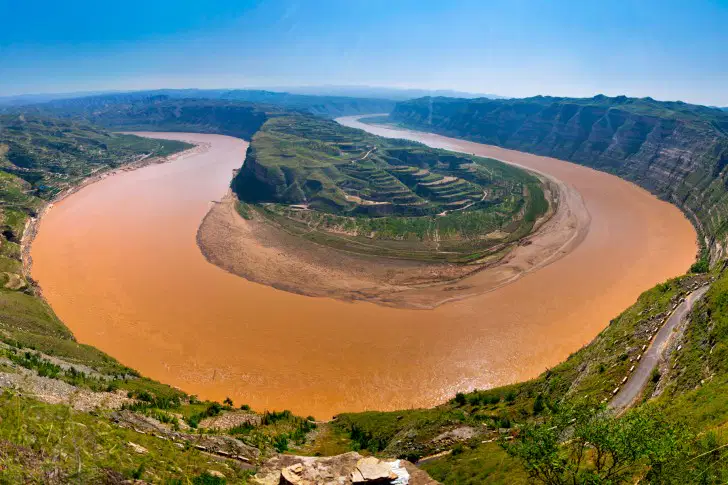
Ancient China depended on the _______ River
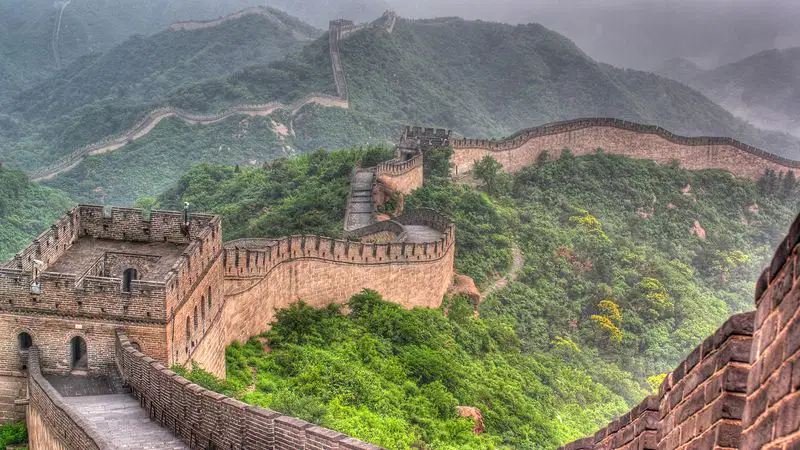
The ________________________ was built by Chinese Emperor Qin Shi Huang to protect China from attacks

China kept how ____ was made a secret for over 2,000 years!

The trade routes connecting China to the rest of the world were called the __________

