
NEW
Font size
 Worksheets
Spanish-American War and U.S. Imperialism Quiz
Total questions: 20
Worksheet time: 20mins

Why did President William McKinley declare war on Spain in 1898?
The USS Maine exploded while in Cuba under Spanish rule.
Spain attacked the United States directly.
The U.S. wanted to take over Spain.
The U.S. was allies with Spain.
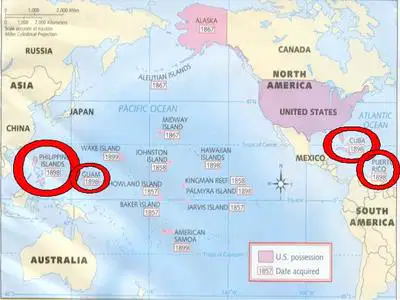
Which territories did the United States gain as a result of the Spanish-American War?
Philippines, Puerto Rico, and Guam
Cuba, Mexico, and Canada
Hawaii, Alaska, and Puerto Rico
Jamaica, Bahamas, and Cuba

What is "yellow journalism"?
Exaggerated news stories that encouraged anger toward Spain
Honest and factual reporting
Stories about the color yellow
News about agriculture

What was the effect of the USS Maine explosion?
The U.S. entered the Spanish-American War
Spain became a world power
The U.S. lost its navy
Cuba gained independence from the U.S.
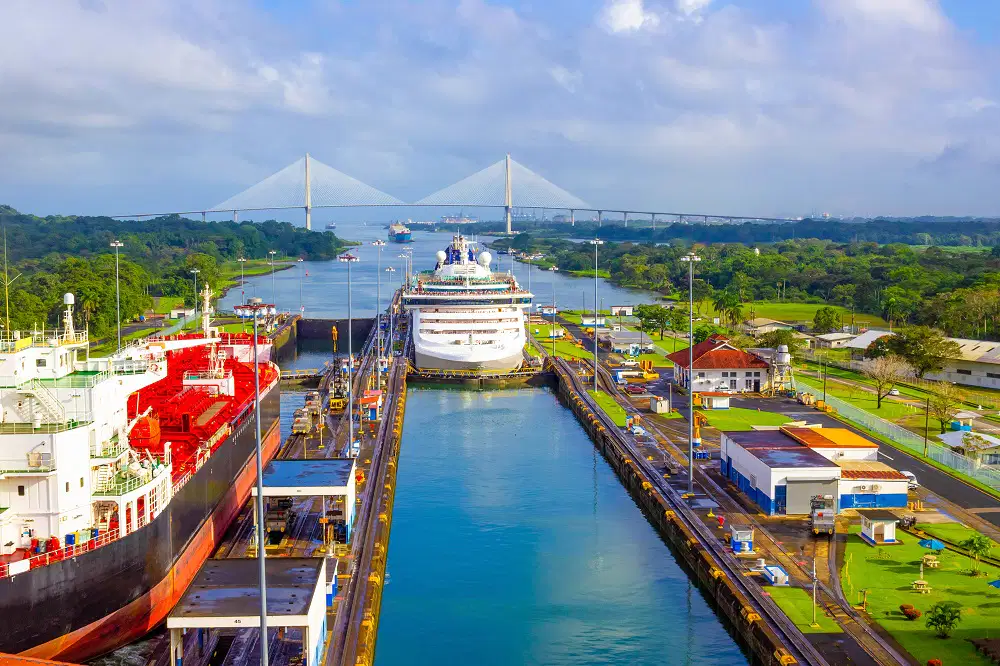
What was the main purpose of building the Panama Canal?
To connect the Atlantic and Pacific Oceans for faster trade and naval movement.
To create a tourist attraction in Panama.
To separate Panama from Colombia.
To provide fresh water to Panama.
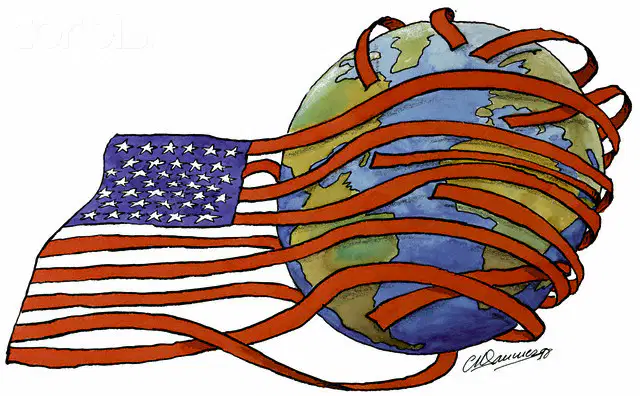
What does "imperialism" mean?
Expanding a country's power through acquiring new lands or influence
Making peace with other countries
Trading goods with other nations
Building large armies for defense only
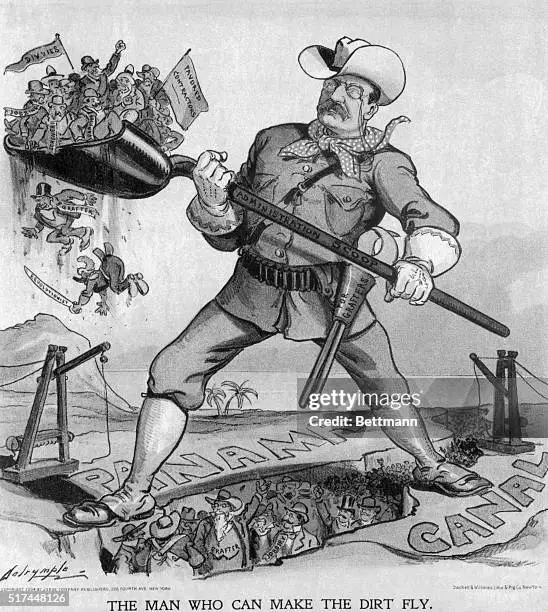
How did Theodore Roosevelt succeed in building the Panama Canal?
He sent warships to pressure Colombia to allow construction.
He built the canal by himself.
He asked France to build the canal.
He waited for Colombia to build it.
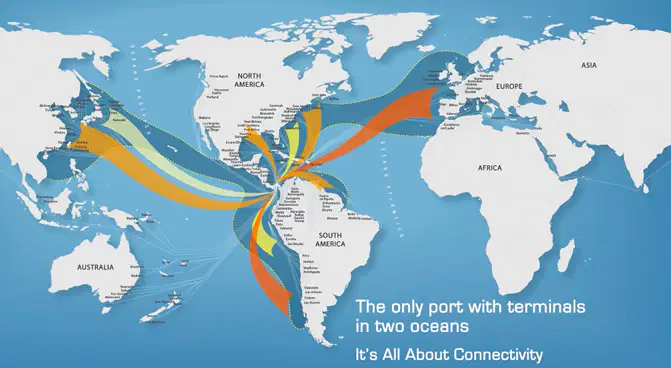
What was one economic benefit of the Panama Canal for the United States?
Increased trade between the East and West coasts of the U.S.
It provided gold to the U.S.
It created new farmland in Panama.
It allowed the U.S. to control all of South America.
How did the Panama Canal help expand U.S. power?
It allowed the U.S. Navy to move ships quickly between oceans.
It made the U.S. the largest country in the world.
It gave the U.S. control over all trade in South America.
It allowed the U.S. to build more railroads.
What would likely happen if the Panama Canal closed?
Trade would slow down between the Atlantic and Pacific coasts.
The U.S. would become a world leader.
Panama would become part of Colombia again.
The U.S. Navy would get more ships.
Why did many immigrants come to America between the 1880s and 1920s?
To escape famine, poverty, or unrest and start a new life.
To go on vacation.
To become famous actors.
To visit family for a short time.
Which continent did most immigrants to America come from during the 1880s–1920s?
Europe
Africa
Australia
South America
What did immigrants want when they came to America?
Freedom and success
To become kings and queens
To learn a new language
To buy new clothes
Which immigration station did most Europeans pass through when arriving in America?
Ellis Island
Angel Island
Liberty Island
Alcatraz Island
What challenge did many immigrants face after arriving in America?
Discrimination
Winning the lottery
Becoming movie stars
Owning a mansion
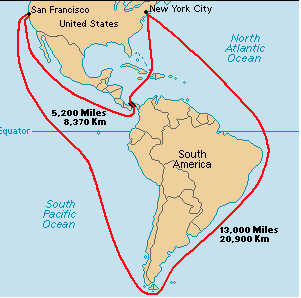
The US fought the Spanish Navy in the Atlantic and Pacific.
The Spanish-American War led to new US territories.
America became a colonial power in South America by surrounding it.
The Panama Canal is critical to US trade.
Why is the Spanish American War of 1898 often considered a major turning point in US history?
It revealed the US had become a world power.
It marked the first American victory over a European country.
It demonstrated the need for better communications in wartime.
It showed American support for European economic interests in East Asia.
Powerful countries controlling weaker countries.
Imperialism
Isolation
Divest
Open Door Policy
What was one significant impact of the opening of the Panama Canal?
it helped reduce the spread of communism and socialism in Latin America
it resulted in the signing of the North American Free Trade Agreement
it increased trade by reducing travel times between the Pacific and the Atlantic Oceans
it created tension between the U.S. and Latin American countries over immigration policy

