
 Worksheets
Urinary System
Total questions: 100
Worksheet time: 50mins
According to the passage, what organs make up the urinary system?
Two kidneys, two ureters, a bladder, and a urethra
Two lungs, a heart, and a liver
One kidney, one ureter, and a stomach
Two kidneys, one ureter, and a bladder
What is the main function of the kidneys in the urinary system according to the passage?
The kidneys filter plasma and remove undesirable substances, helping maintain homeostasis.
The kidneys produce digestive enzymes to break down food.
The kidneys store urine until it is excreted from the body.
The kidneys regulate the heartbeat and blood pressure directly.
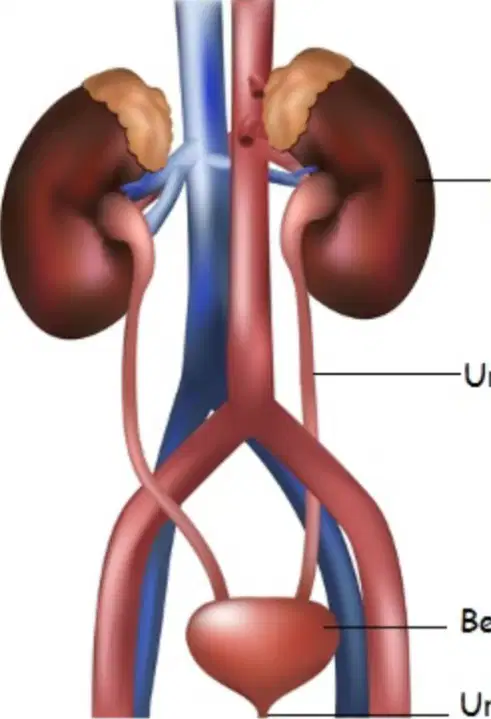
In the diagram, which part is labeled as 'Bexiga'?
Bladder
Kidney
Liver
Stomach
The urinary system helps maintain homeostasis by filtering plasma and removing undesirable substances.
True
False
Fill in the blank: The urinary system is responsible for removing ________ substances, whether ingested or produced by metabolism.
undesirable
nutritious
beneficial
essential
What is the main function of the kidneys?
Regulation of blood sugar
Maintain the appropriate balance of water and minerals (including electrolytes) in the body
Production of red blood cells
Digestion of proteins
Fill in the blank: The kidneys help in the ___
filtration and excretion of residues from the processing of food, medications, and harmful substances (toxins)
digestion of carbohydrates and fats
production of red blood cells in the bone marrow
regulation of body temperature
Fill in the blank: The kidneys help ___ .
regulate blood pressure
digest proteins
produce insulin
control body temperature
Fill in the blank: The kidneys ___ .
secrete certain hormones
produce bile for digestion
store oxygen for the body
control voluntary muscle movement
absorb nutrients from food
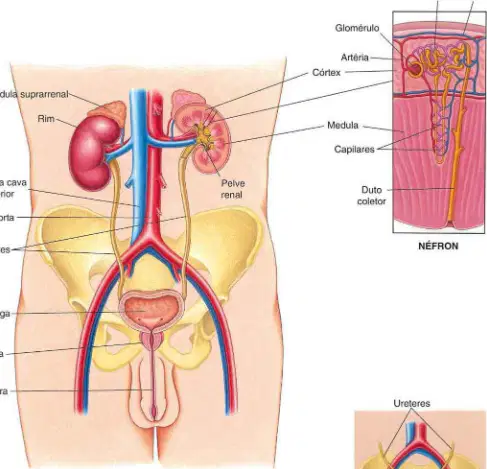
Match the following anatomical parts with their correct labels as shown in the diagram:
Kidney
Rim
Bladder
Bexiga
Ureters
Ureteres
Prostate
Próstata
According to the passage, what is the main function of the kidneys?
A) Digestion
B) Blood circulation
C) Filtration of blood and formation of urine
D) Production of hormones
Where are the kidneys located in the human body according to the passage?
On each side of the vertebral column, just behind the abdominal cavity where the digestive organs are located.
Inside the rib cage, above the heart.
In the lower part of the legs, near the knees.
At the base of the skull, behind the eyes.
Each kidney receives blood through a branch of the aorta called the _________
renal artery
hepatic vein
pulmonary artery
carotid artery
The glomeruli are bundles of microscopic blood vessels called capillaries.
True
False
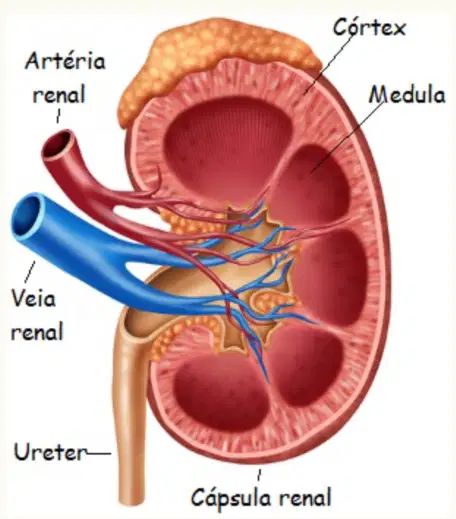
Match the following kidney parts with their correct labels from the diagram:
Capsule
Cápsula renal
Renal vein
Veia renal
Ureter
Ureter
Renal artery
Artéria renal
According to the passage, which organ produces urine constantly?
Bladder
Ureter
Kidney
Urethra
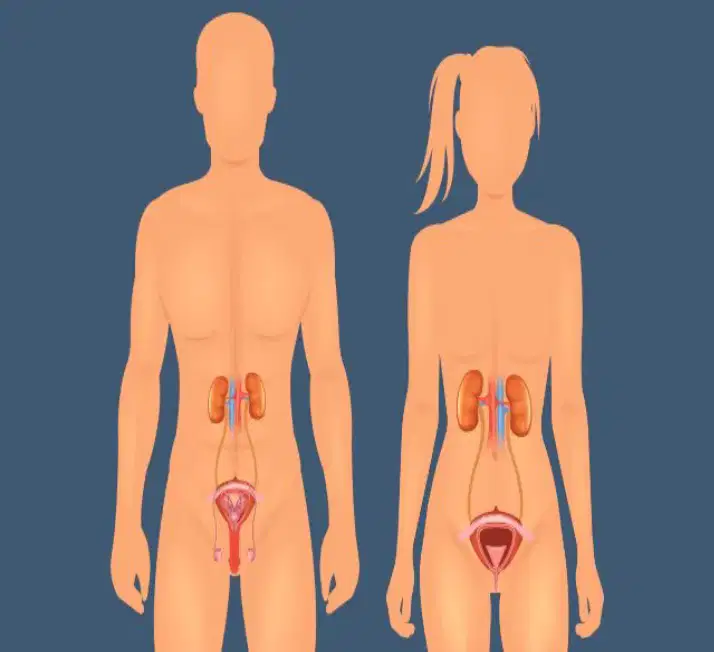
Fill in the blank: Urine is drained from the kidneys to the bladder through the ________ at low pressure.
ureter
artery
vein
nephron
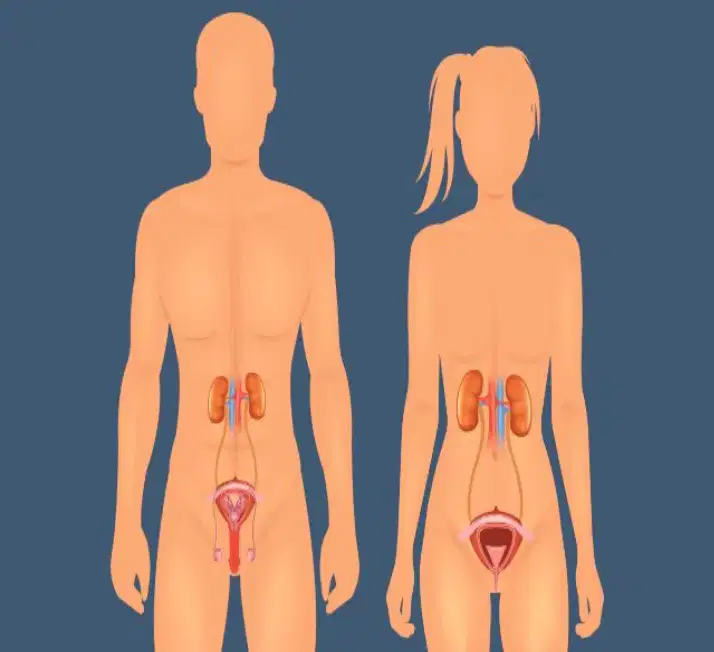
In males, urine is expelled from the body through the ________, while in females, it is expelled through the ________.
penis; vulva
urethra; vagina
scrotum; uterus
anus; cervix
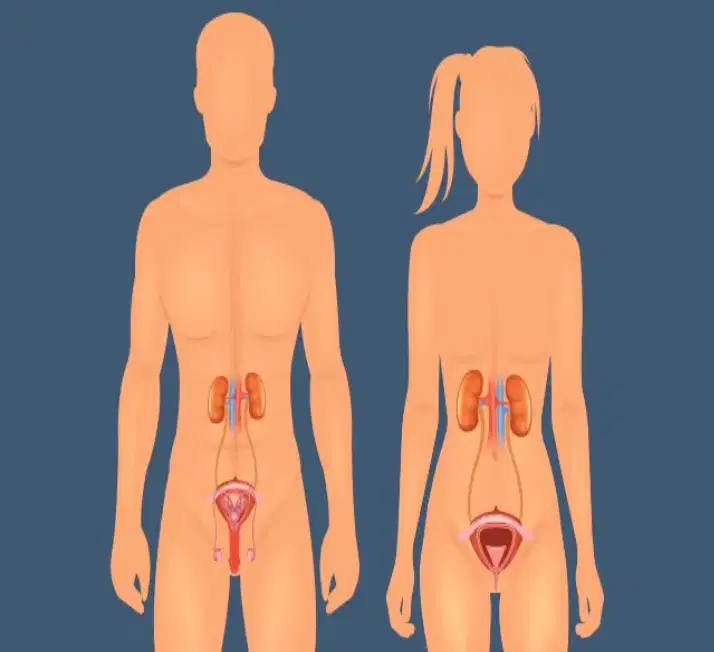
Normally, urine contains bacteria and other infectious organisms.
True
False
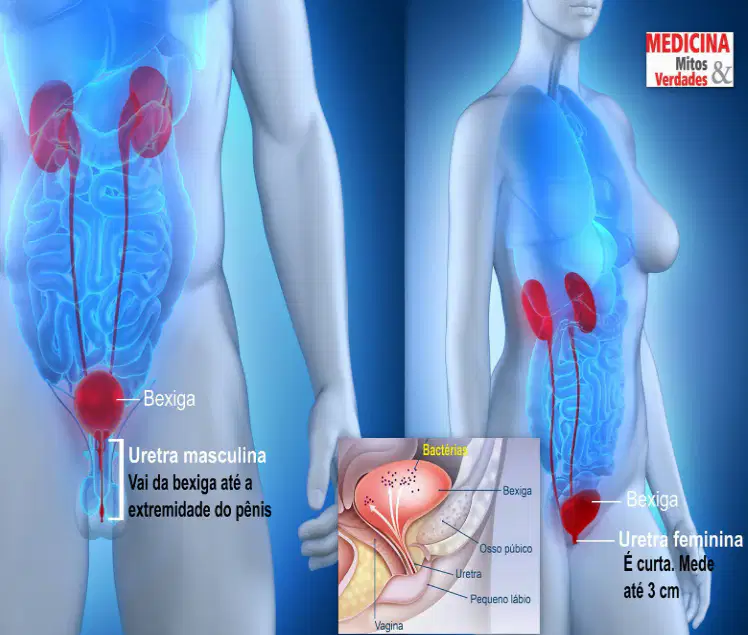
What is the main function of the urethra in both males and females?
To transport urine from the bladder to the outside of the body
To produce urine
To filter blood
To store urine
Fill in the blank: The male urethra is about ____ cm long.
20
5
10
30
Fill in the blank: The female urethra is a short tube located in the vulva that transports urine from the bladder to the _____?
outside of the body
uterus
rectum
ovaries
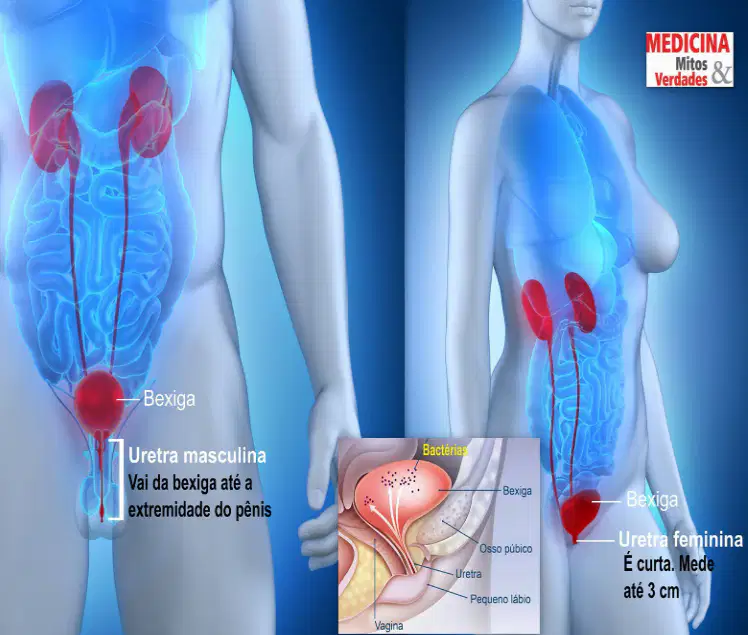
Which of the following is true about the female urethra?
It is about 20 cm long
It is located in the vulva and is about 4 cm long
It also transports seminal fluid
It has the same length as the male urethra
The male urethra has both urinary and reproductive functions, while the female urethra only has a urinary function.
True
False
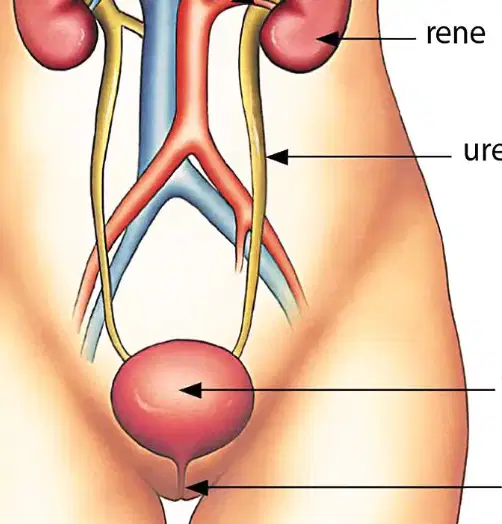
According to the passage, what are ureters?
Ureters are muscular tubes, about 40 cm (16 inches) long, whose upper end joins the kidneys and lower end joins the bladder.
Ureters are small sacs that store urine before it is excreted from the body.
Ureters are glands that produce hormones to regulate kidney function.
Ureters are blood vessels that carry oxygenated blood to the kidneys.
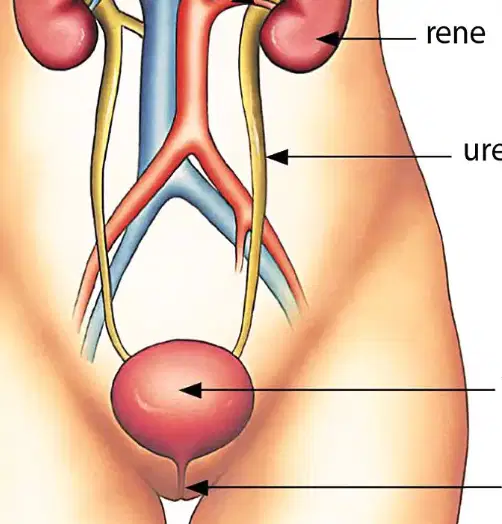
Fill in the blank: The upper end of each ureter joins the ______, and the lower end joins the ______.
kidneys, bladder
bladder, kidneys
lungs, heart
liver, stomach

What is the function of the ureters as described in the passage?
The ureters push small amounts of urine in the form of contraction waves, at low pressure, from the kidneys to the bladder.
The ureters filter blood to form urine before it enters the bladder.
The ureters store urine until it is ready to be expelled from the body.
The ureters absorb nutrients from urine before it reaches the bladder.
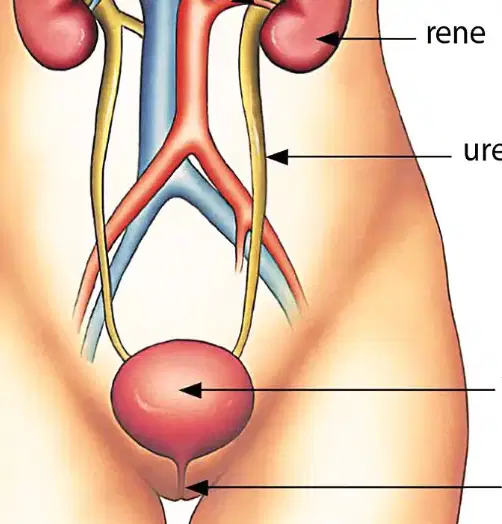
Match the anatomical terms in Italian to their English equivalents as shown in the diagram:
ureter
kidney
bladder
ureter
kidney
bladder
urethra
urethra
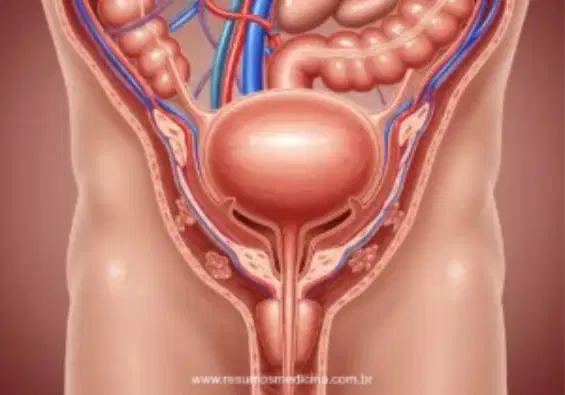
The function of the bladder as described in the passage is:
to store urine until it is excreted
to filter blood
to produce digestive enzymes
to absorb nutrients
Fill in the blank: The bladder increases in size to accommodate the increase in the volume of _____
urine
blood
saliva
sweat
The voluntary contraction of the abdominal wall muscles helps provide additional pressure for urination.
True
False
The ureters are located in relation to the bladder as:
They enter the bladder from the back (posterior side)
They exit from the top of the bladder
They are located above the bladder
They are attached to the front (anterior side) of the bladder
When the bladder is full, what happens?
A signal is sent to the brain to urinate.
The bladder stops producing urine.
The kidneys stop filtering blood.
The bladder shrinks in size.
What is the definition of 'Diurese'?
Volume urinário (Urinary volume)
Pressão arterial (Blood pressure)
Frequência cardíaca (Heart rate)
Temperatura corporal (Body temperature)
What is the definition of 'Micção'?
Ato de urinar (Act of urinating)
Ato de respirar (Act of breathing)
Ato de comer (Act of eating)
Ato de dormir (Act of sleeping)
What is the definition of 'Anúria'?
Ausência de urina (Absence of urine)
Excesso de urina (Excess of urine)
Urina com sangue (Urine with blood)
Urina espumosa (Foamy urine)
What is the definition of 'Oligúria'?
Diminuição da frequência urinária (diurese <400ml/dia) (Decrease in urinary frequency, diuresis <400ml/day)
Aumento da frequência urinária (diurese >2500ml/dia) (Increase in urinary frequency, diuresis >2500ml/day)
Presença de sangue na urina (Presence of blood in urine)
Ausência total de urina (Total absence of urine)
What is the definition of 'Enurese'?
Incontinência urinária (Urinary incontinence)
Infecção do trato urinário (Urinary tract infection)
Retenção urinária (Urinary retention)
Disúria (Dysuria)
What is the definition of 'Hematúria'?
Sangue na urina (Blood in urine)
Dor ao urinar (Pain when urinating)
Urina espumosa (Foamy urine)
Urina com odor forte (Strong-smelling urine)
What is the definition of 'Nictúria'?
Eliminação de urina durante a noite (Elimination of urine during the night)
Aumento da pressão arterial (Increase in blood pressure)
Dificuldade para respirar durante o sono (Difficulty breathing during sleep)
Perda de apetite (Loss of appetite)
What is the definition of 'Poliúria'?
Aumento do volume urinário (Increase in urinary volume)
Diminuição da frequência urinária (Decrease in urinary frequency)
Presença de sangue na urina (Presence of blood in urine)
Dor ao urinar (Pain when urinating)
What is the definition of 'Polaciúria'?
Aumento da frequência urinária (Increase in urinary frequency)
Diminuição do volume urinário (Decrease in urinary volume)
Presença de sangue na urina (Presence of blood in urine)
Dor ao urinar (Pain during urination)
What is the definition of 'Disúria'?
Dor e dificuldade de urinar (Pain and difficulty urinating)
Aumento do apetite (Increased appetite)
Perda de visão (Loss of vision)
Dificuldade para respirar (Difficulty breathing)
What is the definition of 'Piúria'?
Pus na urina (Pus in urine)
Sangue na urina (Blood in urine)
Dor ao urinar (Pain when urinating)
Aumento da frequência urinária (Increased urinary frequency)
What is the term for 'aumento do volume urinário (Em 24 horas)'?
Poliúria
Oligúria
Anúria
Nictúria
What is the term for 'volume de urina excretada menor do que as necessidades para a eliminação de catabólitos (Em 24 horas)'?
Oligúria
Poliúria
Anúria
Nictúria
What is the term for 'volume aumentado de urina durante a noite'?
Nictúria
Poliúria
Disúria
Oligúria
What is the term for 'Presença de Pus na urina'?
Piúria
Proteinúria
Hematuria
Glicosúria
What is the term for 'Presença de sangue na urina'?
Hematúria
Proteinúria
Glicosúria
Piúria
What is the term for 'Presença de bilirrubina na urina (cor de coca-cola)'?
Colúria
Proteinúria
Glicosúria
Hemoglobinúria
What is the term for 'diminuição ou ausência de eliminação de urina durante um período (Em 24 horas)'?
Anúria
Poliúria
Oligúria
Nictúria
What is the term for 'Dor ao urinar'?
Disúria
Poliúria
Hematuria
Nictúria
What is the term for 'Incontinência urinária à noite'?
Enurese
Disúria
Polaciúria
Nictúria
What is the term for 'Eliminações involuntárias de urina'?
Incontinência urinária
Cistite
Nefrite
Disúria
What is the term for 'Aumento de micções'?
Polaciúria
Anúria
Oligúria
Nictúria
What is the term for 'Acúmulo de urina na bexiga'?
Retenção urinária
Incontinência urinária
Disúria
Polaciúria
What is the main function of the urinary system?
To produce, store, and eliminate urine, ensuring the removal of excess substances and metabolic waste from the body.
To digest food.
To pump blood.
To control movement.
How many kidneys are found in the human body and what is their main function?
One, to digest food
Two, to produce urine
Three, to pump blood
Four, to control movement
Fill in the blank: The functional units of the kidneys are called ________, which are made up of the renal corpuscle and renal tubules.
nephrons
glomeruli
ureters
calyces
What is the function of the ureters?
They connect the kidneys to the bladder.
They produce urine.
They filter blood.
They digest food.
Fill in the blank: The urinary bladder is a(n) ________ organ capable of storing about 300 mL to 500 mL of urine.
elastic muscular
rigid bony
fibrous connective
cartilaginous
Which of the following is NOT a disease of the urinary system?
Urinary infection
Renal insufficiency
Chronic kidney disease
Diabetes
Match the following organs with their functions:
Produce urine
1-A
Connect kidneys to bladder
2-B
Store urine
3-C
Name two diseases of the urinary system listed in the image.
Urinary infection, Renal insufficiency (other possible answers: Chronic kidney disease, Kidney stones, Urinary incontinence, Cancer)
Diabetes and Hypertension
Asthma and Bronchitis
Arthritis and Osteoporosis
What is a urinary tract infection (UTI)?
An infection in any part of the urinary tract
An infection only in the kidneys
An infection only in the bladder
An infection only in the urethra
Fill in the blank: In healthy people, urine in the bladder is ________ – it does not have bacteria or other infectious microorganisms.
sterile
cloudy
acidic
salty
Which of the following is considered a lower urinary tract infection (ITU inferior)?
Cystitis (infection of the bladder)
Pyelonephritis (infection of the kidneys)
Both A and B
None of the above
Pyelonephritis is an infection of the kidneys and is classified as an upper urinary tract infection (ITU superior).
True
False
Fill in the blank: Some doctors also consider infections in the ________ and ________ as lower urinary tract infections.
urethra, prostate
kidney, bladder
liver, spleen
stomach, pancreas
In double organs (such as the kidneys), can the infection occur in one or both organs?
Yes, the infection can occur in one or both organs.
No, infection can only occur in both organs at the same time.
No, infection can only occur in one organ at a time.
Infection cannot occur in double organs.
UTIs can occur in both children and adults.
True
False
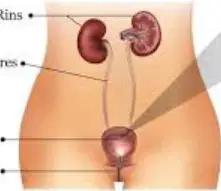
What is cystitis?
An infection of the bladder
An infection of the urethra
An infection of the kidneys
An infection of the liver
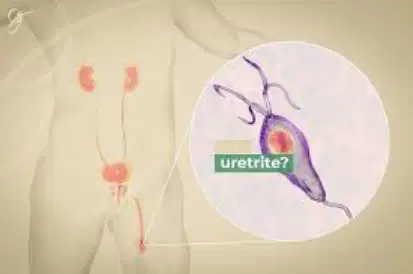
What is urethritis?
An infection of the bladder
An infection of the urethra, the canal that carries urine from the bladder to the outside of the body
An infection of the kidneys
An infection of the lungs
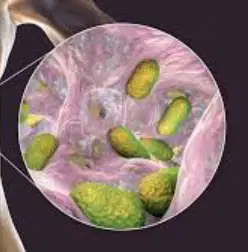
What is pyelonephritis?
A) A bacterial infection of one or both kidneys
B) An infection of the bladder
C) An infection of the urethra
D) A viral infection of the kidneys
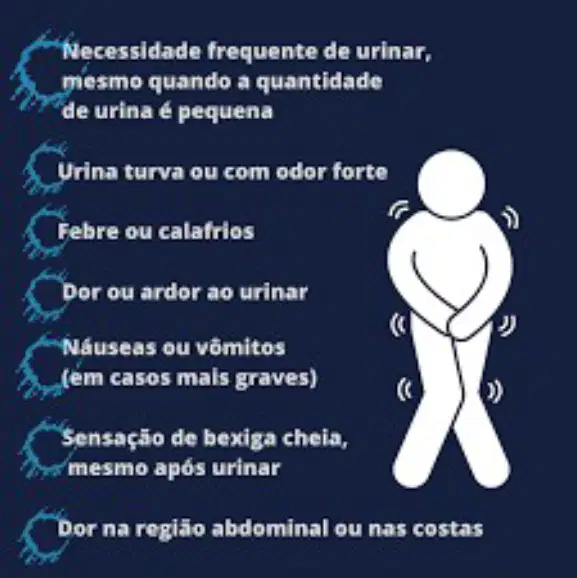
Which of the following is a common symptom of urinary tract infection (UTI)?
Frequent need to urinate, even when the amount of urine is small
Headache
Rash
Sore throat
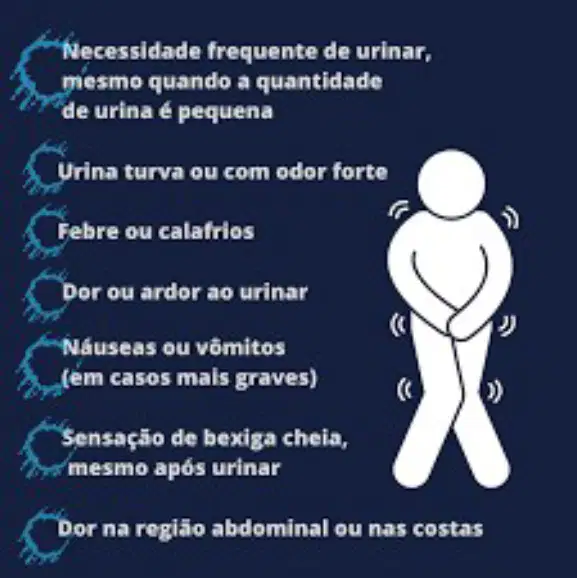
Which of the following is a symptom of UTI?
Cloudy or strong-smelling urine
Sneezing
Coughing
Itchy eyes
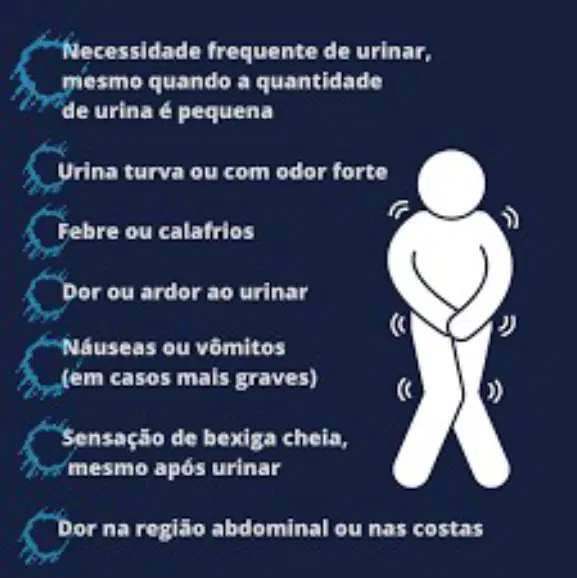
Fill in the blank: A common sign of UTI is ______ or chills.
fever
rash
headache
nausea
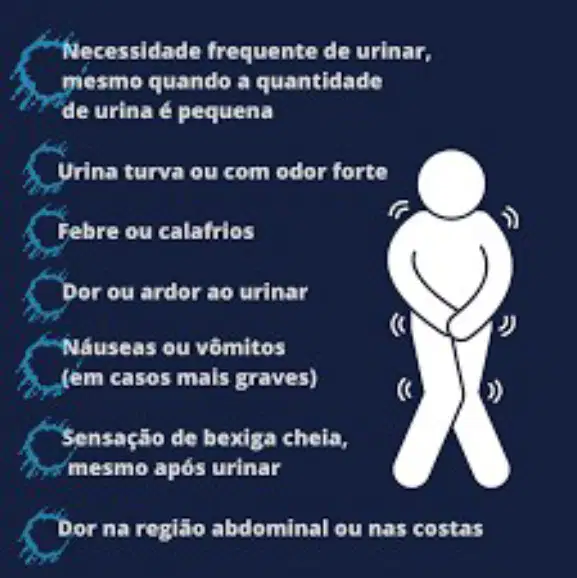
Fill in the blank: Pain or burning during ______ is a symptom of UTI.
urination
eating
sleeping
breathing
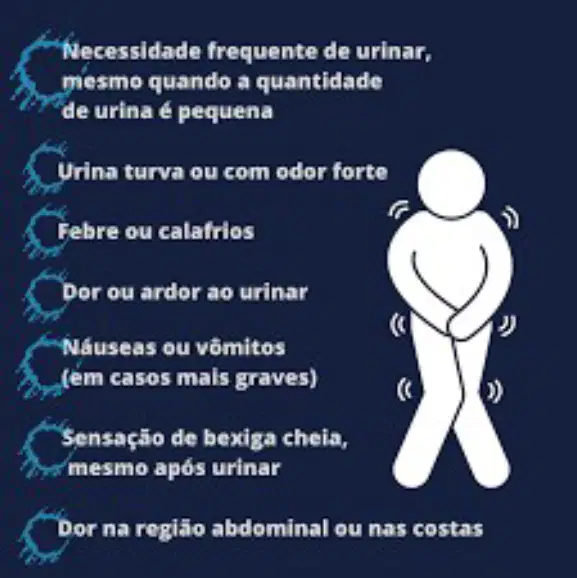
Nausea or vomiting can occur in more severe cases of UTI.
True
False
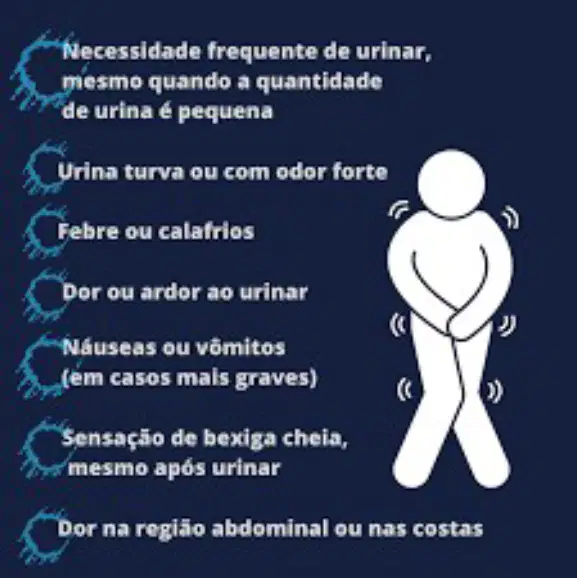
Fill in the blank: A person with UTI may feel a sensation of a full ______ even after urinating.
bladder
stomach
lung
heart
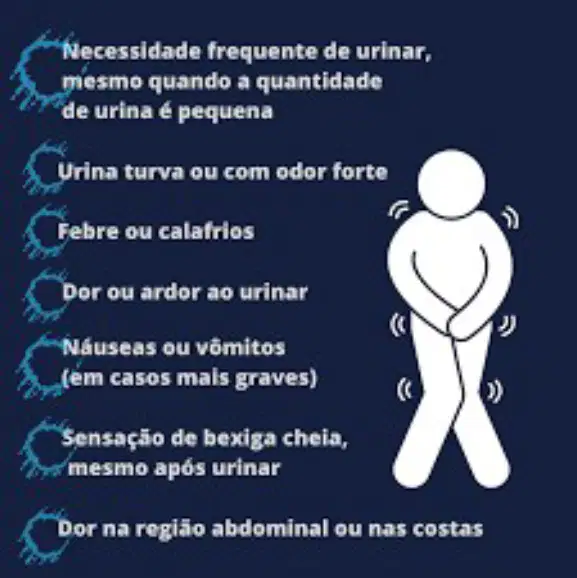
Which of the following is a possible symptom of UTI?
Abdominal or back pain
Earache
Sore throat
Runny nose

Which of the following medications can be used to treat UTI?
Cefuroxime
Paracetamol
Ibuprofen
Aspirin

Norfloxacin is a medication used in the treatment of UTI.
True
False

Fill in the blank: ______ is an antibiotic that can be prescribed for UTI treatment.
Nitrofurantoin
Paracetamol
Ibuprofen
Cetirizine

Which of the following is NOT listed as a treatment for UTI?
Sulfamethoxazole
Trimetoprim
Amoxicillin
Cefalexin

Fill in the blank: ______ and Trimetoprim are both used to treat UTI.
Sulfamethoxazole
Amoxicillin
Ciprofloxacin
Nitrofurantoin

Which of the following is a step in the diagnosis of urinary tract infection (UTI)?
Urine tests (such as EAS and urine culture)
Blood pressure measurement
Eye examination
Hearing test
Fill in the blank: The diagnosis of UTI generally involves clinical examination, urine tests, and in some cases, ______ tests.
imaging
blood pressure
hearing
vision
One of the risk factors for urinary tract infection is chronic _________.
constipation
cough
headache
insomnia
Fill in the blank: Low ________ intake is a risk factor for urinary tract infection.
water
protein
fiber
sugar
Fill in the blank: An active ________ life is considered a risk factor for urinary tract infection.
sexual
academic
vegetarian
sedentary
Fill in the blank: Hypoestrogenism is a risk factor for ________ tract infection.
urinary
respiratory
digestive
reproductive
Fill in the blank: Delaying urination for too long can increase the risk of ________ tract infection.
urinary
digestive
respiratory
circulatory
Genital dystopias such as cystocele and enterocele are risk factors for ________ tract infection.
urinary
respiratory
digestive
reproductive
Fill in the blank: Lithiasis is a risk factor for ________ tract infection.
urinary
digestive
respiratory
reproductive
Fill in the blank: Having a new ________ partner can be a risk factor for urinary tract infection.
sexual
business
study
travel
Fill in the blank: Urinary tract infection can occur when the bladder does not function properly due to damage or dysfunction in the ________ that control it.
nerves
muscles
bones
arteries
One of the risk factors for complicated urinary tract infection (ITU Complicada) is:
Diabetes Mellitus
Regular exercise
Young age
Low salt diet
One of the risk factors for complicated urinary tract infection (ITU Complicada) is _________.
Gravidez
Idade < 10 anos
Consumo moderado de água
Exercício físico regular
One of the risk factors for complicated urinary tract infection (ITU Complicada) is _________.
Nefrolitíase
Hipotireoidismo
Dermatite atópica
Enxaqueca