
 Worksheets
The Cardiovascular (Circulatory) System WG Lesson Quiz
Total questions: 19
Worksheet time: 12mins
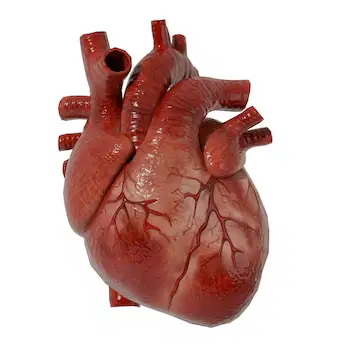
Which statement best describes the size of the human heart?
About the size of your fist
About the size of your head
About the size of your foot
About the size of a grain of rice
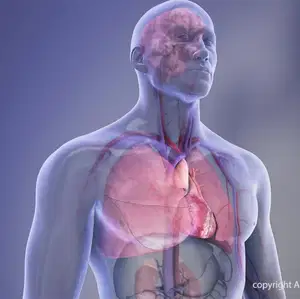
Approximately how many times does the human heart beat in a single day?
1,000 times
10,000 times
100,000 times
1,000,000 times
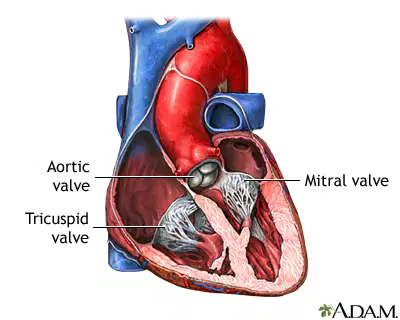
What is the primary purpose of heart valves in the circulatory system?
To add oxygen to blood
To create new blood cells
To prevent the backward flow of blood
To increase blood pressure

Which chamber pumps oxygen-poor blood from the right atrium to the lungs?
Left atrium
Right ventricle
Left ventricle
Right atrium

Which pair correctly matches the valve with the destination it sends blood toward?
Aortic valve → lungs
Pulmonary valve → body
Mitral valve → from ventricles to atria
Aortic valve → body
Label the heart
right atrium
left atrium
left ventricle
right ventricle

Which function is part of how the heart supports the body’s internal balance?
Producing digestive enzymes
Helping maintain blood pressure
Storing minerals for bones
Filtering urine
A student claims: “The left side of the heart handles oxygen-rich blood.” Which detail best supports this claim?
Right atrium receives oxygen-poor blood from the body
Left ventricle pumps oxygen-rich blood to the body
Right ventricle pumps blood to the lungs
Valves move blood from atria to ventricles

How many chambers does the heart have?
1
2
3
4
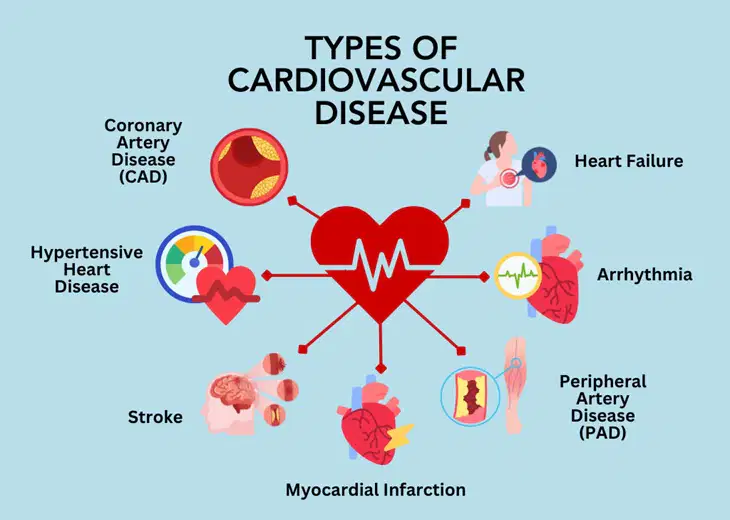
What is cardiovascular disease (CVD)?
What are the common types of cardiovascular disease?
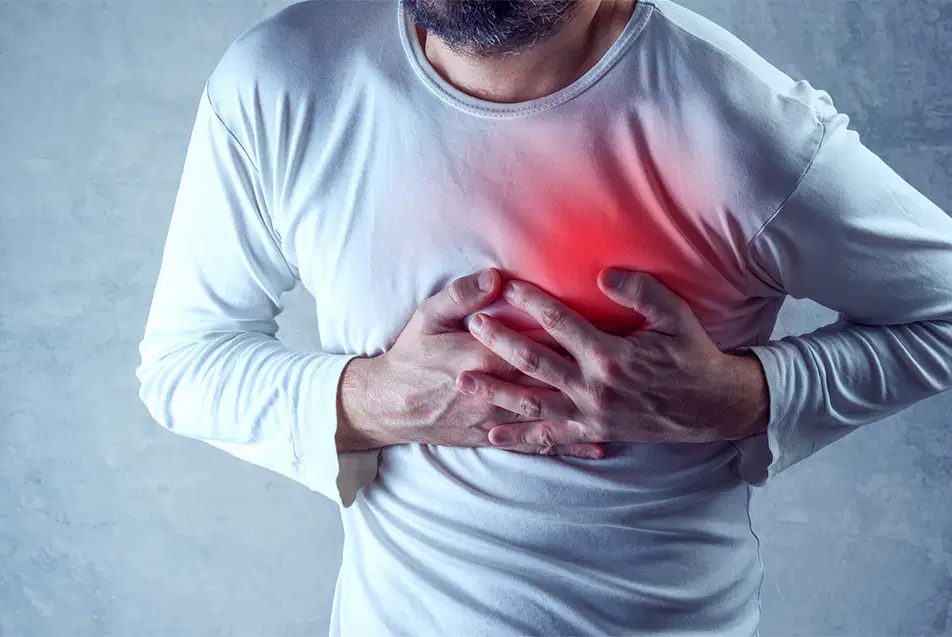
What is a heart attack, and what are its symptoms?
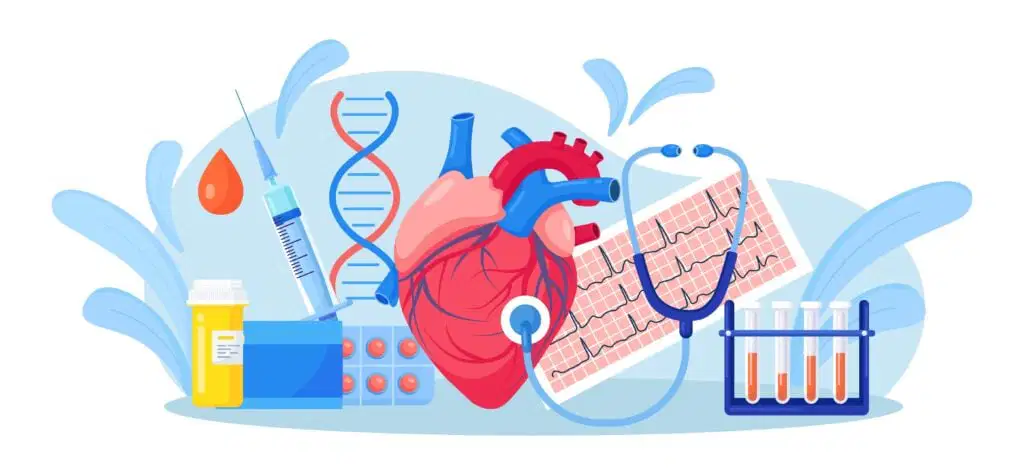
How are heart attacks treated?
What are the differences in heart attack symptoms between men and women?

What are heart muscle cells called, and how long can they live?
What is the role of heart valves?
What is the primary function of the heart in the circulatory system?
To filter blood
To produce blood cells
To pump blood throughout the body
To store blood
Which part of the heart if the "left atrium"?
The body has several organ systems. Which organ system is pictured here?
muscular system
skeletal system
digestive system
circulatory system
respiratory system
nervous system

