
 Worksheets
Chapter 9.1 and 9.2 F1 KSSM Science
Total questions: 17
Worksheet time: 34mins
The following are the four components of the Earth system except for which one?
Geosphere
Hydrosphere
Biosphere
Stratosphere

An air zone that covers the surface of the Earth is described. Which component of the Earth system is this?
Geosphere
Hydrosphere
Biosphere
Atmosphere
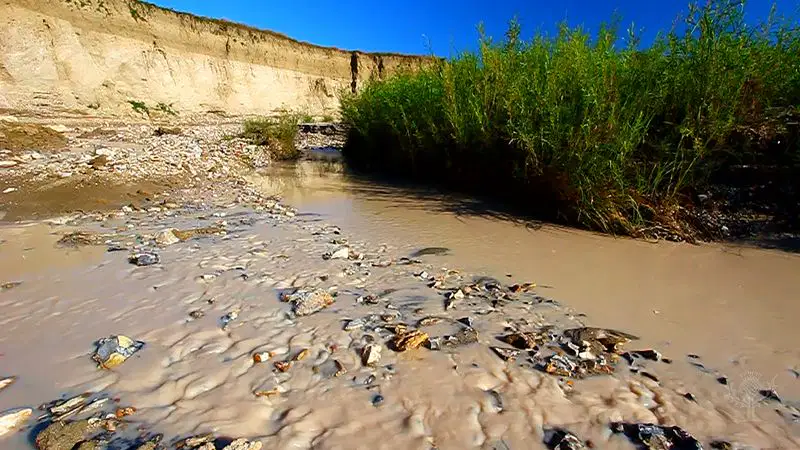
Which statement is true about the geosphere?
The water zone that covers rivers, ponds, and seas.
The air zone that covers the Earth.
The rock and land zone on top of the Earth's surface.
The living zone that consists of a variety of life.
There is an atmospheric layer also known as the ionosphere because it has ions that can reflect radio waves. What is the name of this layer?
Troposphere
Stratosphere
Mesosphere
Thermosphere
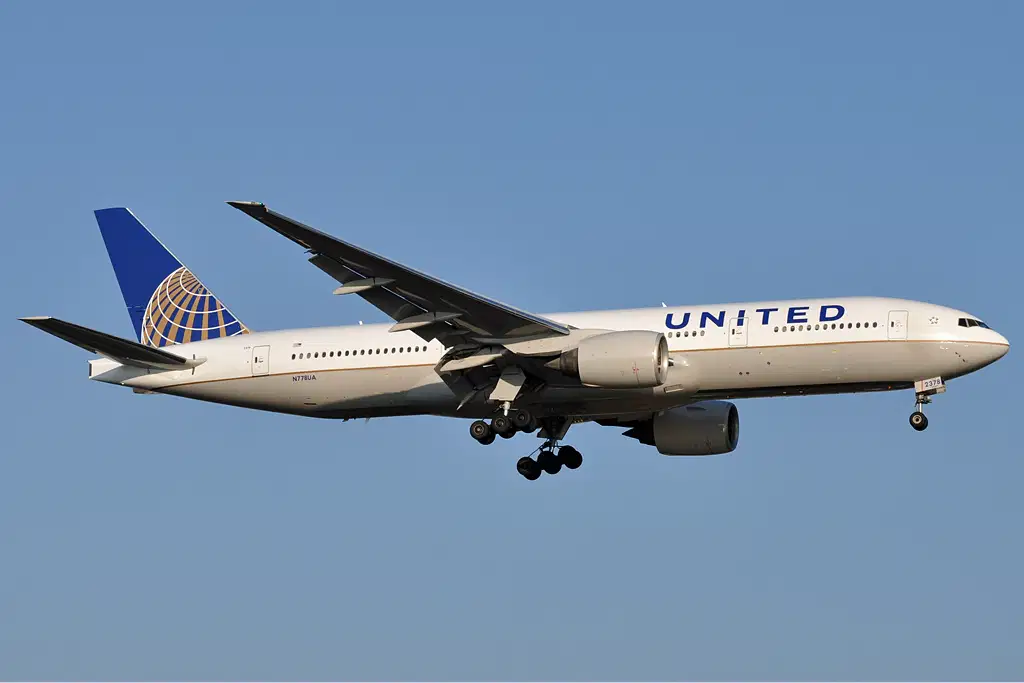
Which of the following is the most suitable atmospheric layer for airplanes to fly in?
Troposphere
Stratosphere
Mesosphere
Thermosphere
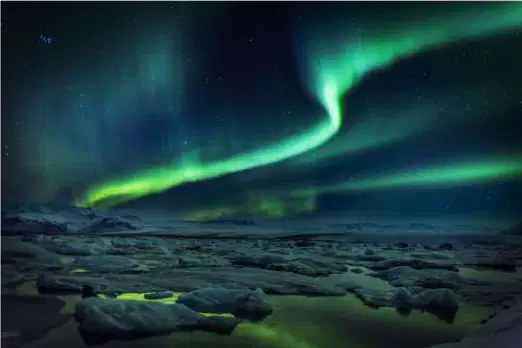
The image shows the aurora phenomenon. In which atmospheric layer does this phenomenon occur?
Troposphere
Stratosphere
Mesosphere
Thermosphere

The sea is divided into three zones. In which zone do sea animals with shiny and illuminating bodies live?
Surface zone
Dawn zone
Dark zone
Bright zone
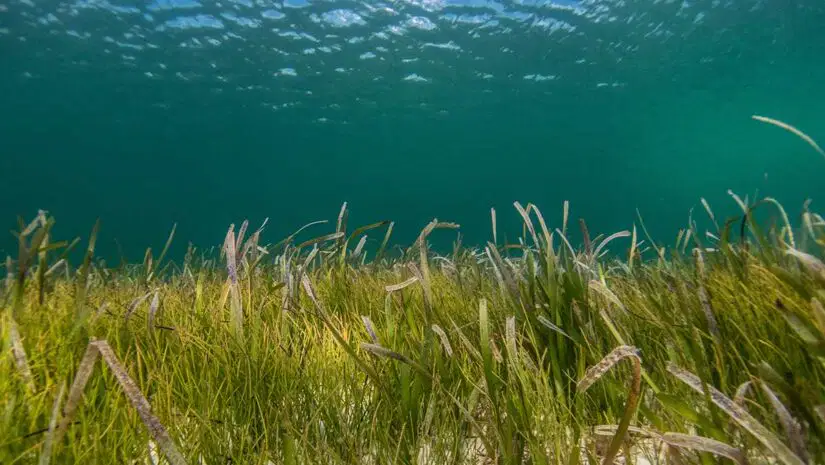
The surface zone is suitable for plant habitats. Which statement best explains this?
Plants need sunlight to do photosynthesis.
Plants lack oxygen to breathe.
Plants cannot withstand the high pressure of the deep sea.
Plants will die if they do not get carbon dioxide.
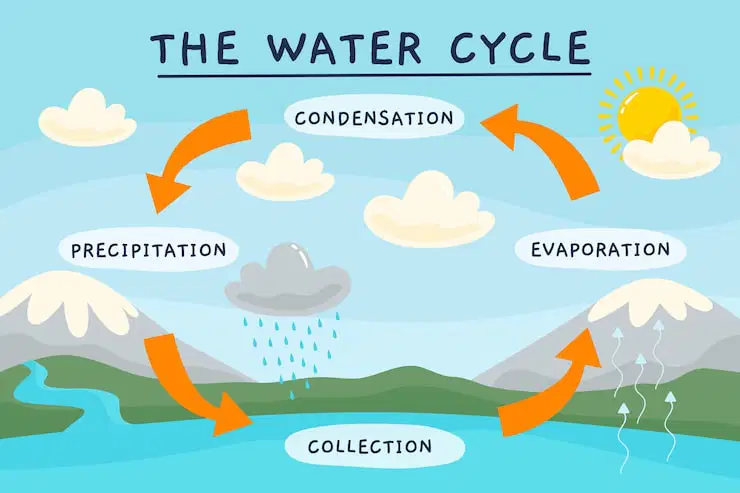
Which pair lists processes that are involved in the water cycle?
I—Evaporation, II—Condensation, III—Freezing, IV—Boiling
I and II
II and III
I and IV
II and IV
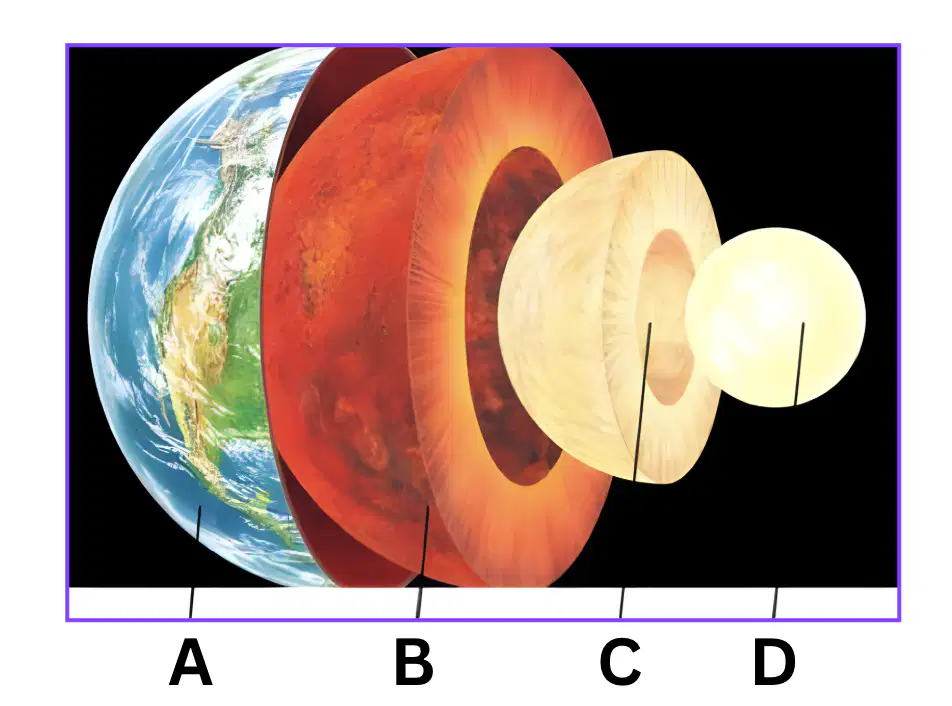
The figure shows the main layers of the Earth labeled A, B, C, and D. Which label indicates the mantle?
A
B
C
D

Which of the following is the main function of the ozone layer in the atmosphere?
To protect the earth from the meteor
To protect the earth from the ultraviolet rays
To ensure the temperature of the earth does not get too hot
As the radio wave reflector
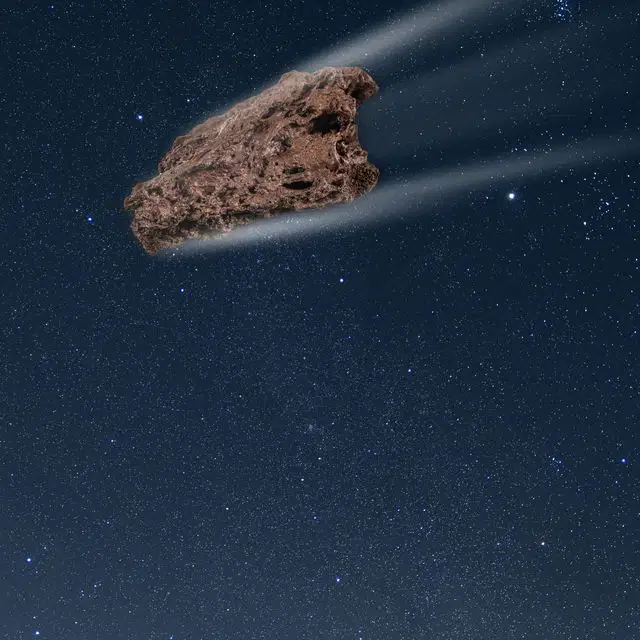
The burning of meteorites happens in which atmospheric layer?
Exosphere
Thermosphere
Mesosphere
Stratosphere
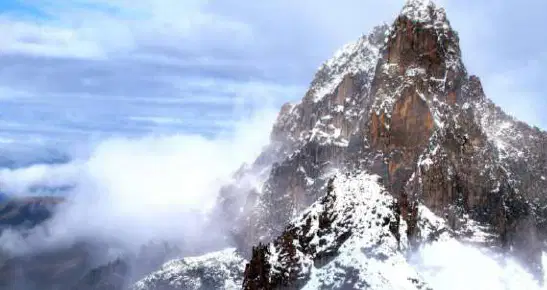
The figure shows a snowy mountain at high altitude. Which statement best describes the condition at high altitude?
The higher the altitude, the higher the air pressure
The higher the altitude, the lower the temperature
The lower the air pressure, the higher the temperature
The lower the altitude, the lower the air pressure
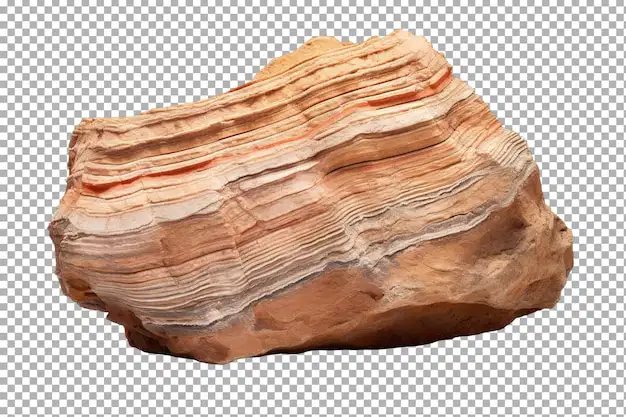
A rock is described as being formed by compression of deposited materials carried by rivers, glaciers, or wind. Which rock type best matches this description?
Igneous
Sedimentary
Metamorphic
Erosion
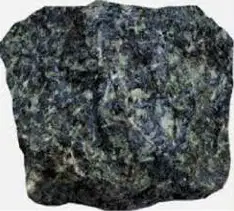
The images show gabbro, diorite, and granite as examples of one rock family. These rocks are formed mainly by which process?
Compression of deposited materials carried by the river
Cooling and freezing of magma that flows out of the mantle
Erosion under very high pressure and temperature
Formation of hollow layers that contain deposited fossils
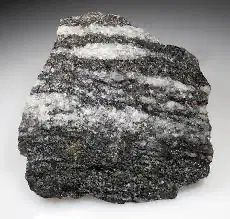
Metamorphic rock is the type of rock that is formed when sediments are exposed to very high temperature and pressure. Which option identifies this correctly?
Formed from compression of deposited materials
Formed when sediments are exposed to very high pressure and temperature
Formed when magma cools down
Contains various minerals
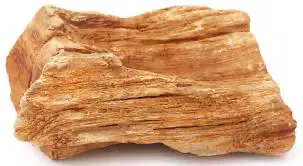
Which pair of statements correctly describes sedimentary rocks? I: Formed from the compression of deposited materials. II: Formed when exposed to very high temperature and pressure. III: Carried by the rivers, glaciers and wind. IV: Flow out of the mantle.
I and II
I and III
II and III
I and IV

