
 Worksheets
Key Vocabulary
Total questions: 90
Worksheet time: 48mins
Fill in the blank: A Spanish explorer and conqueror is called a ________.
Conquistador
Samurai
Viking
Pharaoh
Fill in the blank: The reason for doing something is called ________.
Motivation
Decoration
Celebration
Imagination
Fill in the blank: Land ruled by another country is called a ________.
Colony
Republic
Continent
Province
Fill in the blank: Materials from Earth like wood, water, or gold are called ________.
Natural Resource
Artificial Intelligence
Synthetic Material
Man-made Object
Fill in the blank: A journey for a special purpose is called an ________.
Expedition
Excursion
Migration
Vacation
Who searched for a new way to Asia, sailed west of Europe, and found North America?
Ferdinand Magellan
Christopher Columbus
Marco Polo
Vasco da Gama
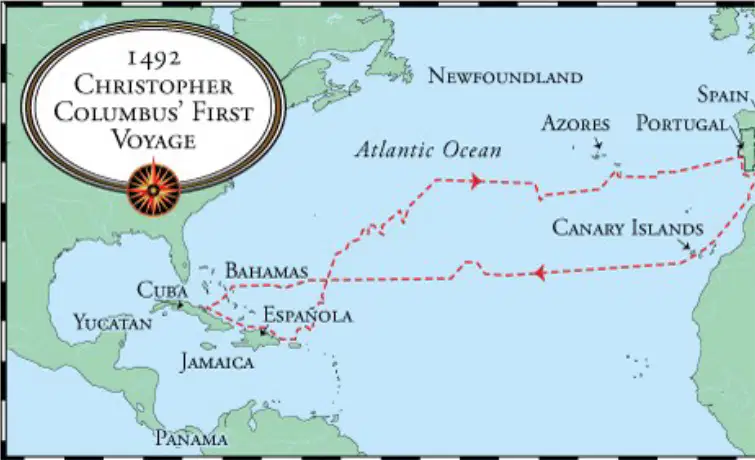
In what year did Christopher Columbus make his first voyage across the Atlantic Ocean?
1492
1501
1485
1512
Christopher Columbus found North America during his voyage.
True
False
Who was the first Spanish explorer to reach Florida?
Christopher Columbus
Hernán Cortés
Juan Ponce de León
Francisco Pizarro
Juan Ponce de León named Florida because of its _______.
blooming plants
long coastline
tall mountains
rich gold mines
What does the name 'Florida' mean?
Land of gold
Land of flowers
Land of mountains
Land of rivers
Which of the following was NOT one of Juan Ponce de León's main goals?
Find gold
Explore new areas
Start a colony
Build a railroad
One of Juan Ponce de León's main goals was to spread Christianity.
True
False
Which explorer is known for exploring both Florida coasts?
Juan Ponce de León explored the Florida Keys.
True
False
Who did Juan Ponce de León meet during his journey?
Native Americans
Spanish Conquistadors
French Explorers
Pirates
Juan Ponce de León claimed ______ for Spain.
Florida
California
Texas
Cuba
Who injured Juan Ponce de León during his journey?
Calusa Native Americans
Spanish Conquistadors
French Explorers
English Settlers
Juan Ponce de León succeeded in starting a colony.
True
False
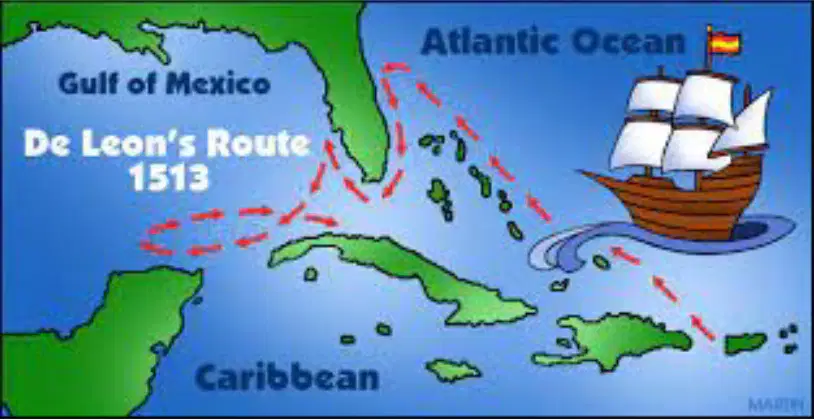
In what year did De Leon's route, as shown on the map, take place?
1513
1492
1521
1507
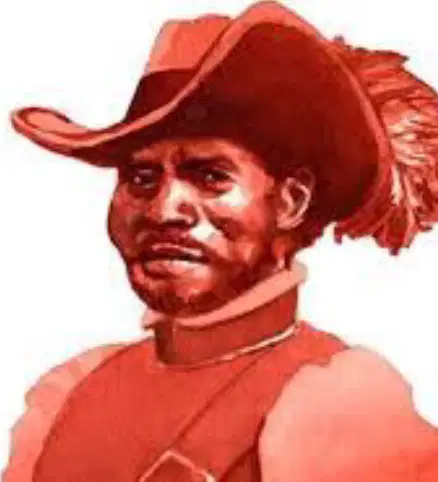
Who was the first free African person in North America?
Juan Garrido
Ponce de León
Christopher Columbus
Hernán Cortés
Juan Garrido explored Florida with which famous explorer?
Hernán Cortés
Ponce de León
Francisco Pizarro
Vasco Núñez de Balboa
Juan Garrido later explored _______.
Mexico
Peru
Brazil
Cuba
What important achievement is Juan Garrido known for?
First person to grow wheat in the Americas
First person to discover gold in Mexico
First person to map Florida
First person to build a ship in the Americas
Juan Garrido wanted to find riches but died poor.
True
False
What were the goals of Pánfilo de Narváez?
Start a colony and find gold
Conquer the Aztecs
Map the Mississippi River
Trade with Native Americans
Which areas did Pánfilo de Narváez explore?
Western coast and Florida panhandle
Great Plains and Rocky Mountains
Mississippi River and Great Lakes
California and Oregon coast
Pánfilo de Narváez split his group into two teams: land force and water force.
True
False
What happened to Pánfilo de Narváez while trying to reach Mexico?
He was lost in a storm.
He discovered gold.
He became the governor of Mexico.
He defeated Hernán Cortés.
How did Pánfilo de Narváez die?
He died in a storm.
He was executed by his crew.
He died of old age.
He was killed in battle.
Álvar Núñez Cabeza de Vaca was part of which expedition?
Columbus's expedition
Narváez's expedition
Magellan's expedition
Cortés's expedition
How many survivors were there from Narváez's expedition, including Álvar Núñez Cabeza de Vaca?
Four
Ten
Seven
Two
Álvar Núñez Cabeza de Vaca searched for a colony and ________.
gold
spices
slaves
silk
Which region did Álvar Núñez Cabeza de Vaca explore?
Southeast Asia
Southwest North America
South America
Australia
Álvar Núñez Cabeza de Vaca learned about Native American cultures during his explorations.
True
False
Where did Álvar Núñez Cabeza de Vaca write about his journey?
France
Spain
England
Portugal
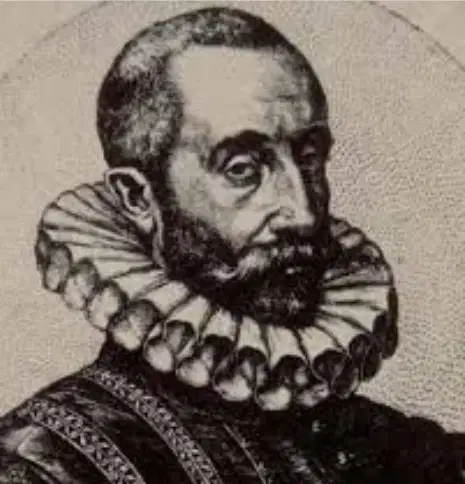
What does the name 'Cabeza de Vaca' mean?
Head of a cow
Foot of a mountain
Tail of a horse
Eye of a needle
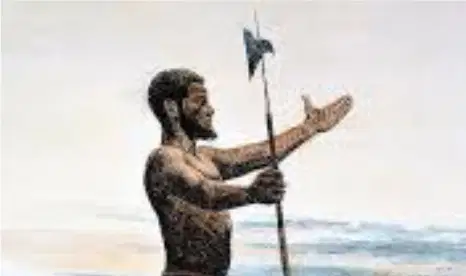
Who searched for a colony and gold?
Esteban Dorantes
Christopher Columbus
Hernán Cortés
Francisco Pizarro
Where was Esteban Dorantes born?
Europe
Africa
Asia
South America
Esteban Dorantes was a slave for _______.
de Narvaez
Cortez
Pizarro
Columbus
How many survivors were there, including Esteban Dorantes?
One
Two
Four
Ten
Esteban Dorantes explored Mexico and parts of southwest North America.
True
False
What was Hernando de Soto's main goal?
Find gold
Teach Christianity
Start a colony
Find Juan Ortiz
Which of the following was NOT one of Hernando de Soto's other goals?
Start a colony
Teach Christianity
Find gold
Build a railroad
Hernando de Soto was the first European to cross the ________ River.
Mississippi
Amazon
Nile
Danube
Hernando de Soto had conflicts with Native Americans.
True
False
Who did Hernando de Soto find that was a survivor from Narváez's expedition?
Juan Ortiz
Francisco Pizarro
Pedro Menéndez
Vasco Núñez
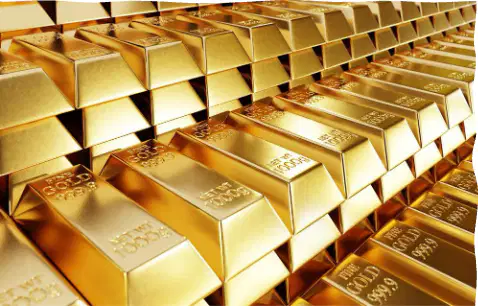
What was one of the main motivations for exploration? (Fill in the blank: Find ______ and silver)
gold
copper
diamonds
coal
Which country did explorers claim land for as one of their main motivations? (Fill in the blank: Claim land for ______)
Spain
France
Italy
Germany
What was one of the main motivations for exploration? (Fill in the blank: Start new ______)
colonies
wars
religions
languages
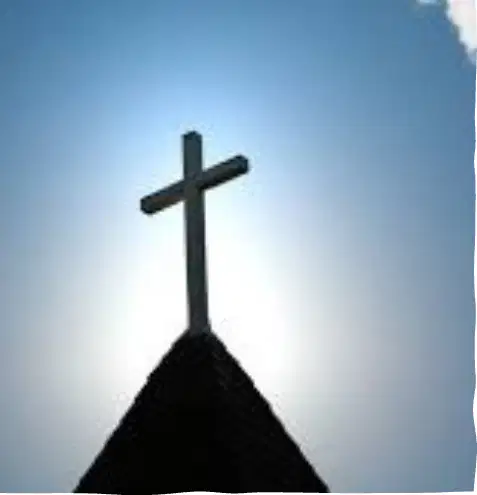
What was one of the main motivations for exploration? (Fill in the blank: Spread ______)
Christianity
Democracy
Wealth
Technology
What was one of the main motivations for exploration? (Fill in the blank: Find natural ______)
resources
languages
cities
leaders
Fill in the blank: A colony is land controlled by another _______.
country
city
continent
village
Which of the following is a reason Spain wanted colonies?
To get wealth from trade
To avoid natural resources
To reduce their territory
To decrease their power
Which of the following is a reason Spain wanted colonies?
To use natural resources
To avoid trade
To lose territory
To weaken their power
Which of the following is a reason Spain wanted colonies?
To expand their territory
To shrink their territory
To lose power
To avoid resources
Which of the following is a reason Spain wanted colonies?
To increase their power
To decrease their power
To avoid trade
To lose resources
Spain wanted colonies for which two main reasons?
To gain wealth and spread Christianity
To escape from Europe and avoid trade
To find new spices and build pyramids
To create alliances with Native Americans and learn their languages
Fill in the blank: One of the natural resources the explorers found in Florida was ______ from forests.
wood
gold
oil
diamonds
Fill in the blank: Explorers in Florida found ______ as a natural resource, which could be used for food and other purposes.
animals
gold
diamonds
oil
Fill in the blank: Among the resources found by explorers in Florida were various ______, which could be used for food, medicine, and building materials.
plants
metals
animals
minerals
Fill in the blank: Good ______ for crops was one of the important resources found by explorers in Florida.
soil
water
gold
timber
Fill in the blank: Explorers in Florida found important ______ sources, which were necessary for survival.
water
gold
spice
timber
Which of the following was a challenge faced by explorers?
Getting lost
Building skyscrapers
Inventing the telephone
Writing novels
Which of the following was a challenge faced by explorers?
Storms at sea
Flying airplanes
Making movies
Painting portraits
Which of the following was a challenge faced by explorers?
Conflicts with Native Americans
Playing video games
Cooking gourmet meals
Designing cars
Which of the following was a challenge faced by explorers?
Not finding gold
Building rockets
Composing music
Acting in plays
Which of the following was a challenge faced by explorers?
Failed colonies
Hosting TV shows
Playing sports
Writing poetry
Which of the following was a challenge faced by explorers?
Disease
Filming documentaries
Drawing cartoons
Baking cakes
Which of the following was a challenge faced by explorers?
Hunger
Driving cars
Swimming races
Building bridges
Fill in the blank: One impact on Native Americans was the spread of ________ diseases to them.
European
African
Asian
Australian
Fill in the blank: There were conflicts between ________ and natives as an impact on Native Americans.
explorers
farmers
merchants
scientists
Fill in the blank: Changes to Native American ________ of life were an impact of European contact.
way
color
height
weather
Fill in the blank: Spanish missions were built to teach ________ to Native Americans.
Christianity
Mathematics
Farming
Spanish cuisine
Fill in the blank: Some natives were ________ as a result of European contact.
enslaved
rewarded
ignored
elected
Fill in the blank: One important location related to explorer routes is _________.
St. Augustine
Los Angeles
Chicago
Seattle
Fill in the blank: One important location related to explorer routes is _________
Caribbean Islands
Sahara Desert
Himalayan Mountains
Gobi Desert
Fill in the blank: One important location related to explorer routes is _________.
Gulf of Mexico
Sahara Desert
Mount Everest
Amazon Rainforest
Fill in the blank: One important location related to explorer routes is _________.
Atlantic Ocean
Sahara Desert
Himalayan Mountains
Amazon Rainforest
Fill in the blank: One important location related to explorer routes is _________.
Mississippi River
Sahara Desert
Mount Everest
Great Barrier Reef

Spanish missions were built to teach ________.
Christianity
Mathematics
Farming
Spanish cuisine

Spanish missions were made of which materials?
Stone and wood
Glass and steel
Plastic and aluminum
Brick and concrete

Spanish missions were places where ________ and Native Americans met.
Spanish
French
British
Portuguese

Some Spanish missions still exist today in Florida.
True
False

Spanish missions are considered important ________ sites.
historical
musical
technological
fictional
What is Florida's Spanish name?
La Florida
El Dorado
San Juan
Nueva España
Costa Verde
What were the first European settlements in Florida?
St. Augustine
Jamestown
Plymouth
New Orleans
Name a feature of Spanish architecture introduced to Florida.
Stucco walls, red tile roofs, or courtyards
Glass skyscrapers
Thatched bamboo huts
Igloo-shaped houses
Give an example of cultural exchange between the Spanish and Native Americans in Florida.
Introduction of new crops, animals, or language influences
Building skyscrapers together
Inventing the telephone
Establishing internet cafes
What did early maps of Florida created by the Spanish show?
The coastline, settlements, and native territories
Only the locations of gold mines
Modern highways and cities
The locations of European castles

