
 Worksheets
Cardiology Quiz
Total questions: 72
Worksheet time: 35mins
What is the medical specialty that studies the anatomy and physiology of the cardiovascular system?
Neurology
Cardiology
Dermatology
Oncology
What does the prefix "Cardi/o-" refer to in medical terminology?
Blood vessel
Heart
Circular
Movement
Which system is also known as the Circulatory System?
Respiratory System
Digestive System
Cardiovascular System
Nervous System
What is the primary function of the cardiovascular system?
Digest food
Transport oxygen, carbon dioxide, nutrients, and wastes
Produce hormones
Control body temperature
What is the primary function of the heart in the cardiovascular system?
To filter blood
To store blood
To pump blood through the body
To produce blood cells
What system in the heart initiates and coordinates its contractions?
Respiratory system
Digestive system
Electrical system
Nervous system
How many chambers does the heart contain?
Two
Three
Four
Five
What is the function of the septum in the heart?
Pumps blood
Divides the heart into right and left halves
Connects the atria and ventricles
Regulates heartbeat
Which part of the heart is referred to as the "apex"?
The upper chambers
The lower chambers
The center wall
The inferior tip
What does the prefix "Tri-" mean in medical terminology?
Two
Three
Four
One
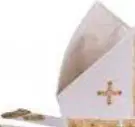
Which valve is located between the atria and ventricles and is also known as the bicuspid valve?
Tricuspid
Mitral
Pulmonary
Aortic
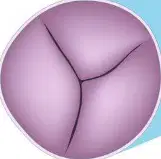
Which heart valve is located between the atria and ventricles?
Pulmonary valve
Tricuspid valve
Aortic valve
Mitral valve
Which valve is found between the ventricles and arteries?
Mitral valve
Tricuspid valve
Pulmonary valve
Bicuspid valve
What does the prefix "my/o-" refer to in medical terminology?
Heart
Muscle
Structure
Node
What is the primary function of the myocardium?
To store blood
To generate electrical impulses
To contract and pump blood
To protect the heart
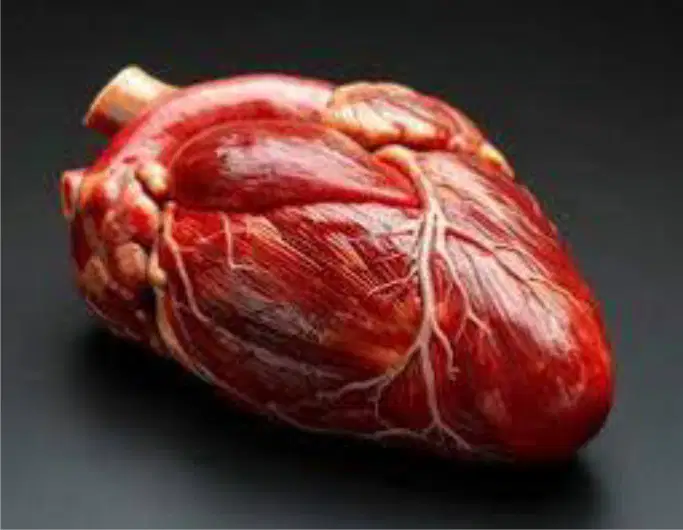
Where is the myocardium thickest in the heart?
Right side
Left side
Top side
Bottom side
Which layer of the heart is muscular?
Endocardium
Myocardium
Pericardium
Epicardium
What is the function of pericardial fluid?
To provide nutrients to the heart
To allow membranes to slide past each other
To pump blood through the heart
To protect the heart from infections
What does the prefix "Peri-" mean?
Within
Upon
Around
Above
What does the prefix "Thorac/o-" refer to?
Heart
Thorax
Lungs
Abdomen
What does the prefix "Mediastin/o-" refer to?
Heart
Lungs
Mediastinum
Thorax
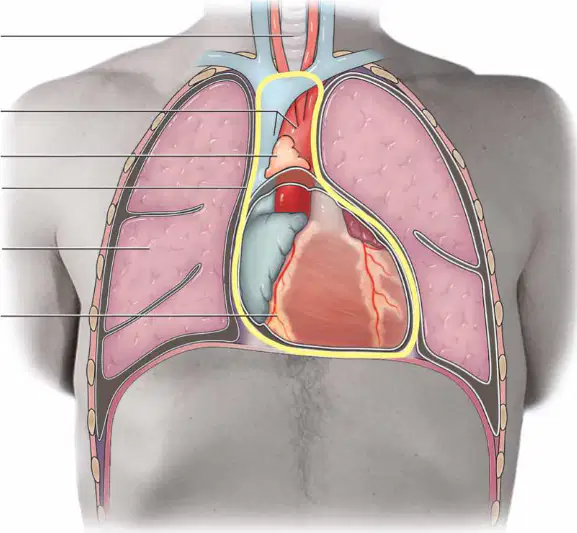
What does the mediastinum contain?
Only the heart
The heart and parts of the great vessels
Only the trachea and esophagus
Only the lungs
Which of the following is NOT part of the mediastinum?
Thymus
Lungs
Trachea
Esophagus
What does the prefix "vascul/o-" refer to in medical terminology?
Heart
Blood vessel
Muscle
Nerve
What is the meaning of the term "lumen" in the context of blood vessels?
Outer layer
Light or opening
Muscle tissue
Blood cell
What does the prefix "Arteri/o-" refer to in medical terminology?
Vein
Artery
Capillary
Heart
What are the smaller branches of an artery called?
Capillaries
Veins
Arterioles
Venules
What does the suffix "-ole" mean in medical terminology?
Large thing
Small thing
Blood vessel
Muscle
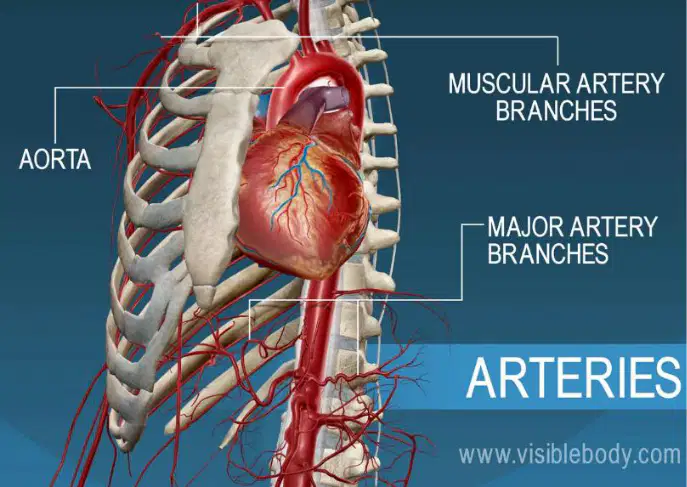
What is the primary function of arteries in the circulatory system?
To carry blood away from the heart to the body.
To carry blood towards the heart from the body.
To filter blood.
To store blood.
What type of blood do arteries typically carry?
Bright red blood with a high level of oxygen.
Dark red blood with a low level of oxygen.
Blue blood with no oxygen.
Yellow blood with nutrients.
What does the prefix "vas/o-" refer to in medical terminology?
Heart
Blood vessel
Muscle
Nerve
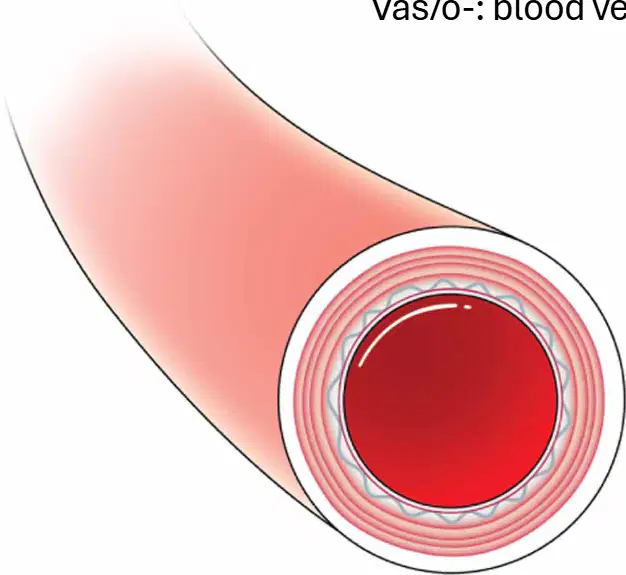
What is the meaning of the term "vasoconstriction"?
Widening of blood vessels
Narrowing of blood vessels
Increase in blood pressure
Decrease in blood flow
What does the prefix "dilat/o-" mean?
Narrow
Widen
Contract
Shorten
What is the largest artery in the body?
Pulmonary artery
Aorta
Carotid artery
Femoral artery
What does the prefix "coron/o-" refer to in medical terminology?
Arm
Structure that encircles like a crown
Clavicle
Sleep
Which artery is located in the armpit area?
Coronary artery
Carotid artery
Axillary artery
Ulnar artery
What does the prefix "brachi/o-" refer to?
Arm
Ulna
Radius
Axilla
Which artery is found on the thumb side of the lower arm?
Ulnar artery
Radial artery
Brachial artery
Subclavian artery
What does the prefix "sub-" mean in medical terminology?
Above
Sleep
Below; underneath; less than
Crown
What does the prefix "Ili/o-" refer to in the anatomy of the cardiovascular system?
Tibia (shin bone)
Ilium (hip bone)
Femur
Fibula (lower leg bone)
Which artery is located near the knee joint?
Iliac artery
Femoral artery
Popliteal artery
Peroneal artery
The term "Femor/o-" is associated with which part of the body?
Back of the knee
Tibia (shin bone)
Femur
Fibula (lower leg bone)
What are the smallest blood vessels in the body?
Arteries
Veins
Capillaries
Venules
Why must blood cells pass through capillaries in a single file?
Because capillaries are very long
Because capillaries have a very small lumen
Because capillaries are very wide
Because capillaries are very short
What does the prefix "ven/o-" refer to?
Artery
Capillary
Vein
Heart
What is the meaning of the suffix "-ule"?
Large thing
Small thing
Hairlike structure
Blood vessel
What is the primary function of veins in the cardiovascular system?
To carry blood from the heart to the body
To carry blood from the body back to the heart
To carry oxygen-rich blood to the lungs
To carry nutrients to the cells
Which veins are an exception to the typical function of veins?
Coronary veins
Jugular veins
Pulmonary veins
Hepatic veins
What is the function of the valves in the largest veins?
To prevent blood from clotting
To keep the blood flowing in one direction toward the heart
To increase blood pressure
To filter impurities from the blood
What is the primary function of the circulatory system?
To digest food
To circulate blood through the body
To control movement
To produce hormones
What does the prefix "pulmon/o-" refer to?
Heart
Lung
Blood
Brain
What is the role of the sinoatrial node (SA node) in the heart?
It pumps blood throughout the body.
It initiates the electrical impulse that begins each heartbeat.
It filters blood entering the heart.
It regulates blood pressure.
What does the prefix "conduct/o-" mean?
Hollow cavity
Atrium
Carrying; conveying
Knob or mass of tissue
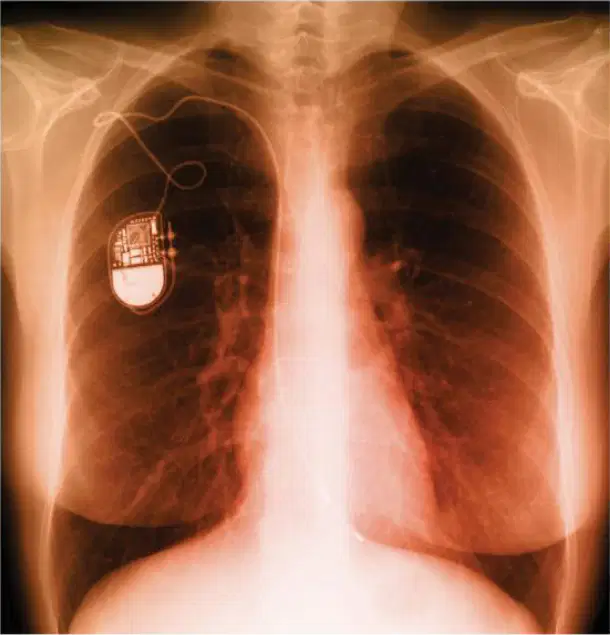
What is the primary function of an artificial pacemaker?
To regulate blood pressure
To control abnormal heartbeats
To monitor lung capacity
To enhance muscle growth
What does the prefix "atri/o-" refer to in medical terminology?
Ventricle
Atrium
Capillary
Hairlike structure
What does the prefix "capill/o-" refer to in medical terminology?
Atrium
Ventricle
Hairlike structure; capillary
Nerve
What does the femoral artery supply blood to?
Arm
Leg
Head
Abdomen
What is the temporary small blood vessel that connects the pulmonary trunk to the aorta in the fetal heart?
Aortic Artery
Popliteal Artery
Foramen Oval
Axillary Artery

The structure indicated by the red arrow is the
aorta.
coronary arteries.
pulmonary arteries.
pulmonary veins.
superior vena cava.

The name of the membrane that covers the heart is _____.
parietal
pericardial
pleural
visceral

What is Number 8
(a)

What's #10?
Septum
Aorta
Superior vena cava
Pulmonary artery

Identify the heart chamber
Left atrium
Right atrium
Left ventricle
Right ventricle

The long fibers of connective tissue that attach to papillary muscles of the heart that enable the valves to properly open and close are called:
Chordae tendinae
Cardiac tendons
Cardiac ligaments
Myocardial tendinae
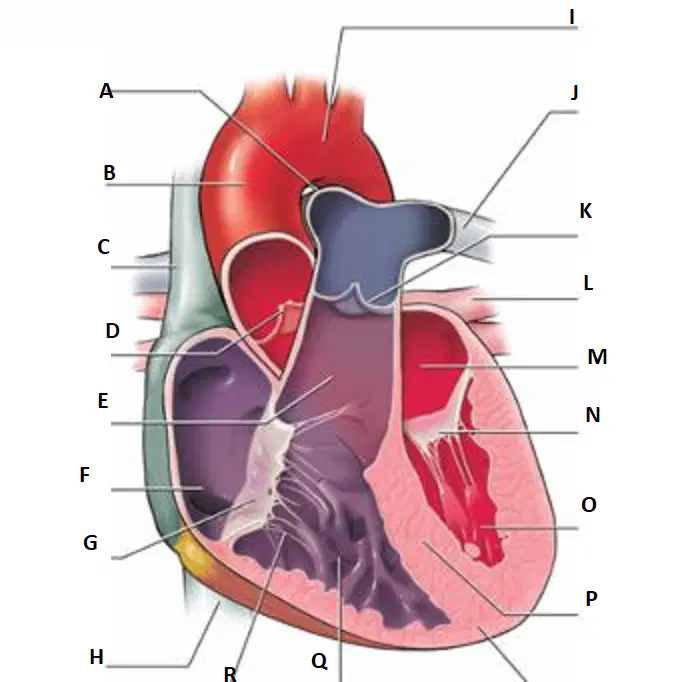
Identify I
Pulmonary trunk
Right atrium
Aortic Arch
Superior Vena cava
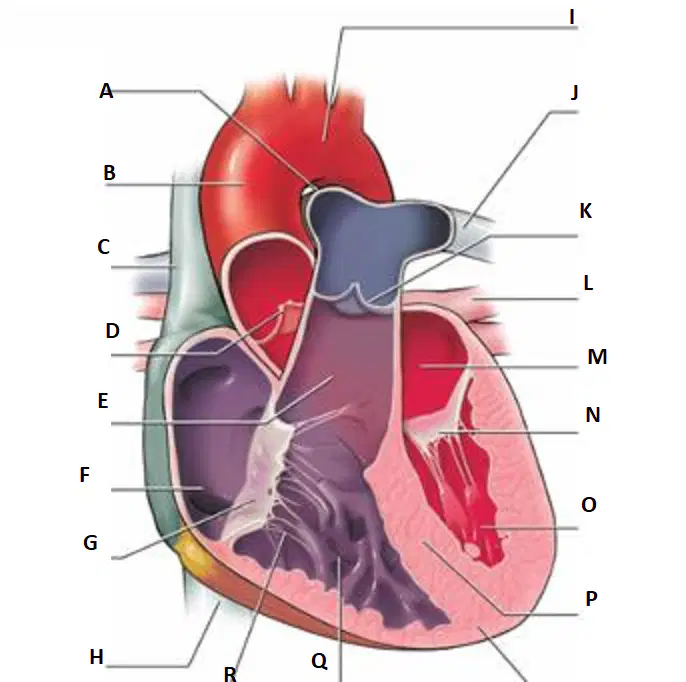
Identify N
Mitral Valve
Tricuspid Valve
Aortic Valve
Pulmonary valve
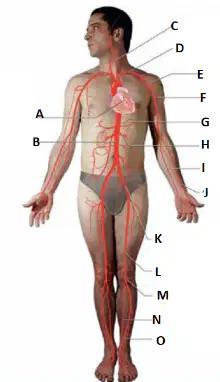
Identify artery C
Femoral
Carotid
Coronary
Radial
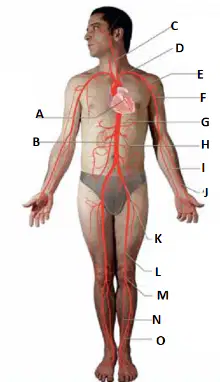
Identify Artery I
Radial
Ulnar
Axillary
Femoral
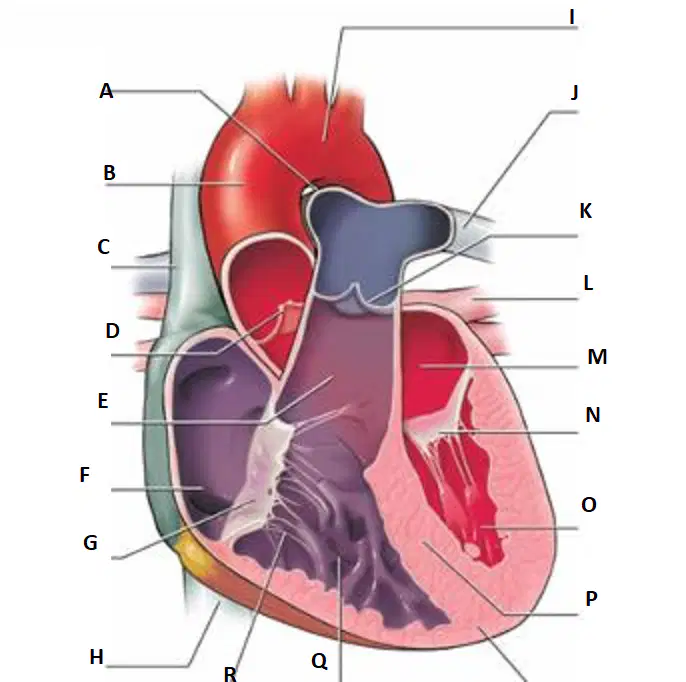
Identify Valve K
Aortic
Bicuspid
Tricuspid
Pulmonary
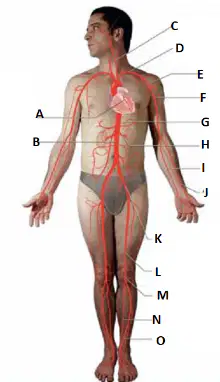
Identify Artery M
Femoral
Popliteal
Iliac
Thoracic
What is the period of unresponsiveness of the myocardium during a normal heartbeat?
Refractory period
Asystole
Heart block
Repolarization
Which term is associated with the resting period between heart contractions?

