
Font size
 Worksheets
Topic 2 Test Ancient Mesopotamia 10/30/25
Total questions: 35
Worksheet time: 36mins
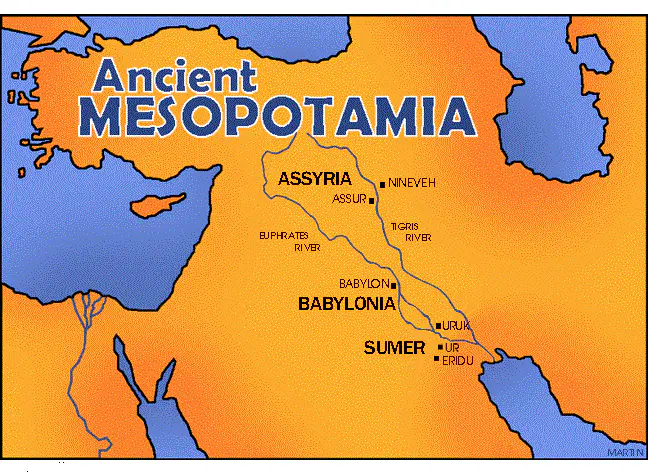
Write a sentence explaining what the word Mesopotamia means.
Which modern-day countries include the area where ancient Mesopotamia once lay between the Tigris and Euphrates Rivers?
Egypt and Libya
Iraq, Syria, and Turkey (some areas of Iran too)
Greece and Italy
India and Pakistan
Which statement best describes the Fertile Crescent?
A desert region south of the Mediterranean Sea
A crescent-shaped area of rich farmland from the Mediterranean Sea to the Persian Gulf
An island in the Mediterranean Sea
A mountain range dividing Europe and Asia
How did the Agricultural Revolution change life for people in Mesopotamia?
People stopped using rivers for water
People learned to farm and raise animals, allowing them to settle in villages
People moved more often to follow animal herds
People relied only on fishing for food
What was one result of having a surplus of food in Mesopotamia?
People had to hunt more often
Villages disappeared
Job specialization increased (builders, potters, priests, traders)
Rivers dried up
Which city is identified as the first known city founded by the Sumerians?
Babylon
Uruk
Nineveh
Ur
Urbanization is best described as which of the following?
The decline of trade between cities
The growth of cities as people moved from farms to towns and specialized in different jobs
The process of building canals for water
The spread of farming into deserts
Why were ziggurats important in Sumerian cities?
They stored extra grain for trade
They were large, pyramid-shaped temples where Sumerians worshiped their gods
They were palaces for kings
They served as schools for scribes
During which era did humans mix copper and tin to make stronger tools and weapons?
Stone Age
Copper Age
Bronze Age
Iron Age
Which phrase best explains the idea behind "an eye for an eye" in Hammurabi’s Code?
The punishment should fit the crime
Everyone must forgive all crimes
Only the king decides punishments
Victims receive double payment
What is the best definition of justice according to the material?
Strict obedience to the ruler even if he is cruel or unfair
Making sure people are treated equally under the law
Letting people choose their own laws
Punishing people harshly to prevent crime
Who were the Phoenicians?
Farmers from the Nile Valley
Sea traders and sailors from the eastern Mediterranean
Nomads of the Arabian Desert
Warriors from Mesopotamia
Which pair of vocabulary terms were the two major products traded by the Phoenicians?
Gold and silk
Purple dye and cedar wood
Spices and ivory
Grain and copper
Honey and bread
Who led the Israelites out of slavery in Egypt and received the Ten Commandments?
Abraham
David
Moses
Solomon
What are the Ten Commandments described as?
A collection of myths that were told around campfires in Mesopotamia
A set of moral laws that guide how people should follow God and treat others
A list of trade rules that helped the Phoenicians traded with Mesopotamia
A calendar of religious holidays that lists important dates in Mesopotamia
Where did the Israelites live and what belief made them unique among neighbors?
Canaan; belief in one God
Mesopotamia; worship of many gods
Rome; belief in emperors as gods
Phoenicia; focus on trade
Who was Jesus?
A Roman emperor who controlled Europe with infantry and cavalry
The central figure of Christianity—the Messiah, and the Son of God
A Greek philosopher that taught science and mathematics in Ancient Greece
A Phoenician trader that discovered how to dye clothing purple
Which statement best describes Sargon of Akkad?
An Egyptian pharaoh who built the pyramids
The ruler who created the world’s first empire by uniting many Mesopotamian city-states
A Greek philosopher who taught in Athens
A Chinese emperor who built the Great Wall
What military advancements made the Assyrians powerful in warfare?
Bronze swords and wooden shields
Stone tools and slings
Iron weapons, cavalry, and chariots with organized strategies
Gunpowder and cannons
A farmer living in the Fertile Crescent after a river flood would most likely benefit from which resource, and why?
Salt, because it makes soil fertile
Silt, because the rich soil left behind made farming possible
Clay, because it creates natural irrigation channels
Gold, because it can be traded for seeds

cuneiform
1st system of writing developed in Sumer
scribes
People that could read and write
alliance
An agreement or a partnership
ziggurat
Huge temples built to honor gods
Mesopotamia
The land between two rivers (Greek)
Match the following
A huge Mesopotamian temple.
Ziggurat
A set of rules meant to apply fairly to everyone under a government.
Code of Law
An area of very good soil from the Persian Gulf to the Mediterranean Sea
Fertile Crescent
In order to supply water to crops, farmers dug (a) to help with (b) .

Flooded rivers were filled with silt.
What is silt?
A type of fabric
A written language
A type of rich fertile soil

Study the map. What does the green-shaded section of the map represent?
The Mediterranean Sea
The Persian Gulf
The Fertile Crescent
The Nile River
Locate the Mediterranean Sea
Locate Mesopotamia
Locate Phoenicia

If we wanted to visit the area of the Fertile Crescent and Mesopotamia today, we would need to travel to the Middle East. Find the Tigris and Euphrates Rivers on the map.
QUESTION: What country would you be in if you traveled down these two rivers?
Saudi Arabia
Turkey
Iraq
Egypt
Locate and click on the region of Mesopotamia.
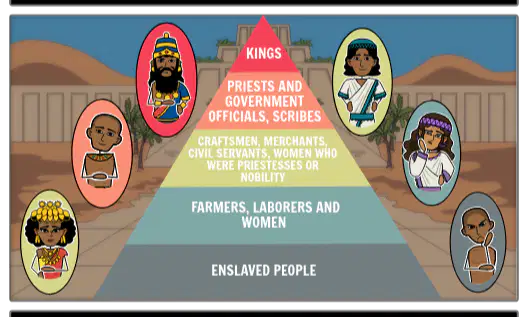
Study the picture carefully. According to this social class pyramid, who were some of the most important people in Mesopotamia?
Enslaved People
Farmers and Laborers
Craftsmen and Merchants
Kings and Scribes
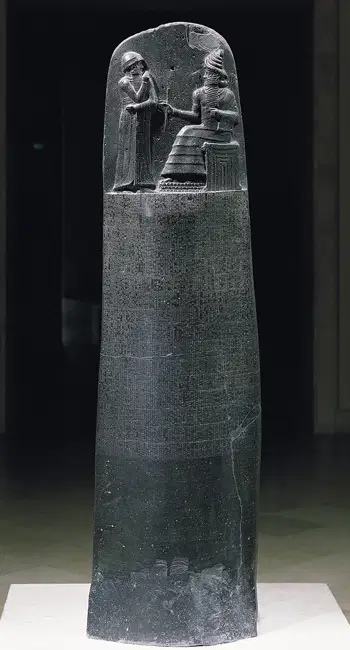
True or False: This image is called a stele.
True
False
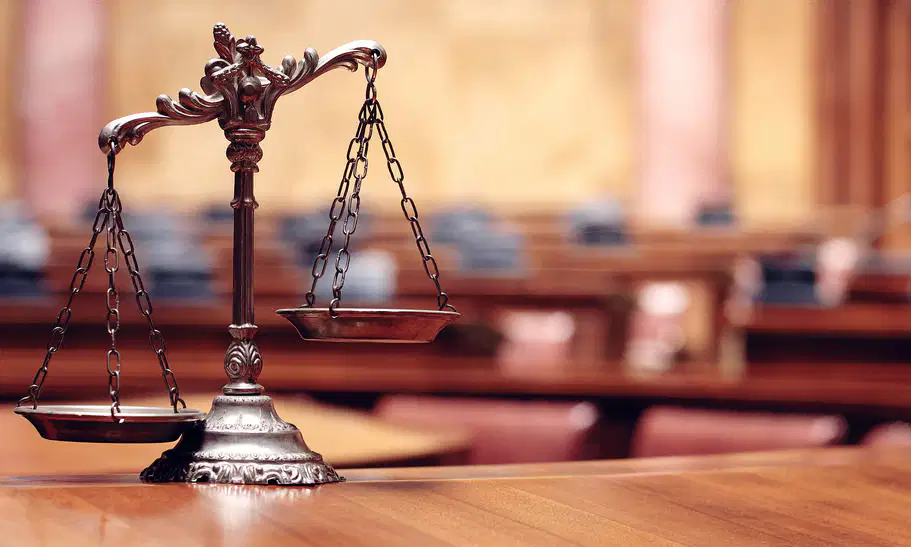
Just like a family has rules and a school has rules, a country has a ____________ to ensure order and fairness in society.
HINT: Hammurabi, the king of Babylon should help you think of this.
ziggurat
code of law
library
social class pyramid
34-39.
Answer the questions below after watching the video
The story of writing, astronomy, and law. The story of civilization itself began in one place. What place is the narrator talking about?
Egypt
Greece
Rome
Mesopotamia
What 3 modern-day countries are found where Mesopotamia was once located?
Greece, Rome, and Spain
Iraq, Syria, and Kuwait
Egypt, Saudi Arabia, and China
Japan, Korea, and Vietnam
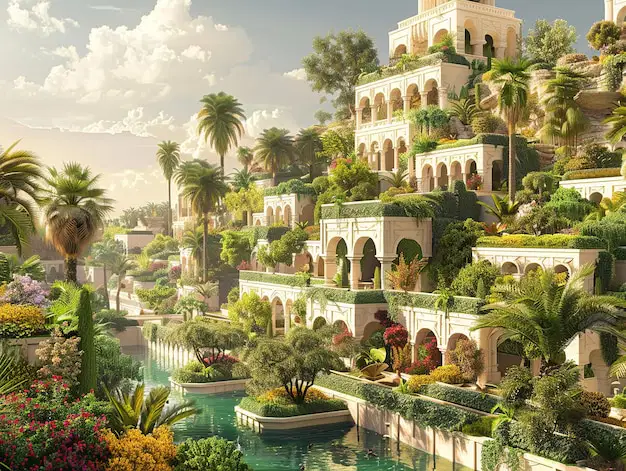
The video just showed you one of the 7 ancient wonders of the world. This ancient wonder was built by King Nebuchadnezzar II. He built it for his wife. What is the name of this ancient wonder of the world?
The Great Pyramid in Egypt
The Temple of Zeus in Greece
The Lighthouse of Alexandria
The Hanging Gardens of Babylon
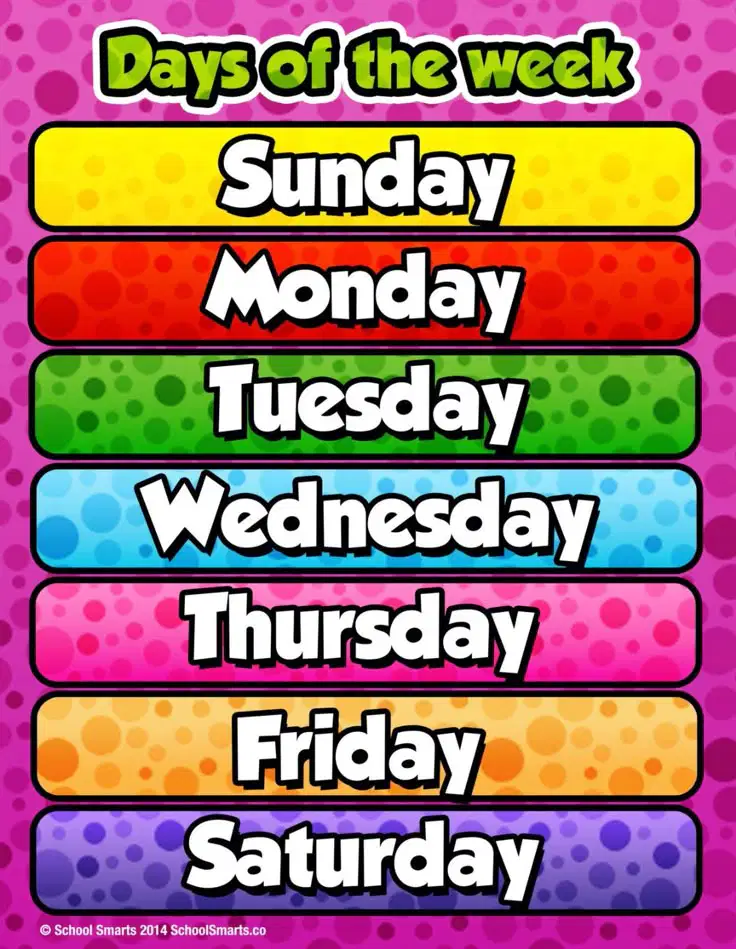
The Mesopotamian people were successful studying math and astronomy. They created a base 60 system for minutes and seconds. They created a 12-month calendar for the year. They also created a chart to show the days of the week. How many days did they include in a week?
5
6
8
7

The Sumerians created the world's first system of writing called (a) .
Be careful, because spelling counts!

A scientist (or a 6th grader from JCAC) who studies the past by digging up and examining objects left behind by people, like ancient tools, buildings, and pottery is called an (a) . These scientists study (b) which are human-made objects that help us understand the past, like an old tool, a piece of pottery, or an ancient coin.

Study the map and the different city-states shown. Which choice was a city-state in Sumer?

