
 Worksheets
9th Grade o1 TRIM MEXICAN ART HISTORYIM
Total questions: 15
Worksheet time: 17mins
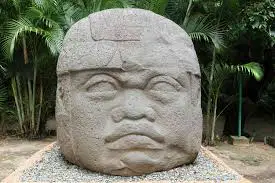
What civilization is primarily associated with this Giant Stone heads?
The Aztecs
The Mayan
The Olmecs
The Teotihuacans
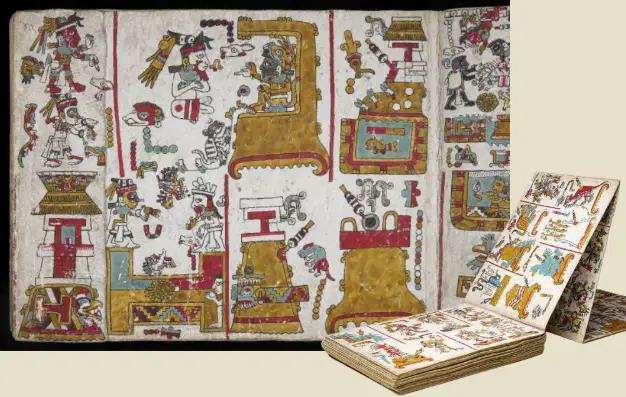
Which civilization or culture was characterized by their pictographic, or "sign-writing" art work, like the "Zouche-Nuttall Codex", or the "Bodley Codex"?
The Mixtec culture.
The Mayan civilization.
The Olmec civilization.
Any of them

What was the time period during which the Mayan civilization reached its classical peak?
300 AD to 600 AD
1500 AD to 1800 AD
250 AD to 900 AD
1000 BC to 500 BC
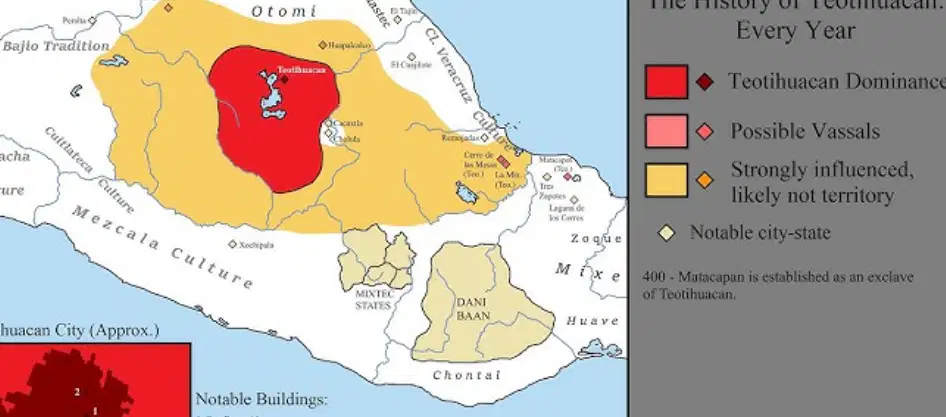
This civilization was the base of the Aztec civilization. They believed in rain, fertility, sun and serpent
gods and the purpose of their art was to reinforce power, promote ideological expansions and cosmic vision. What is the name of this civilization?
The Zapotec.
The Teotihuacan.
The Aztec.
The Maya
What was the primary purpose of the Mixtec art movement?
To teach religious themes through their iconography.
To express and preserve the cultural identity and history of their people.
To create commercial art for international markets.
To promote modern art techniques among urban artists.
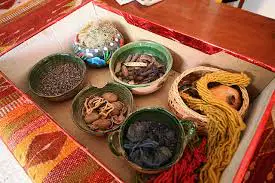
Which materials were commonly used in Zapotec artwork?
Marble, iron, glass and natural pigments,
Carved stones, clay, natural
pigments, cotton, cochineal dye
Colorful yarns, obsidian, feathers, silver and small river stones.
Big carved stones, decorated with small colorfull pieces of glass.
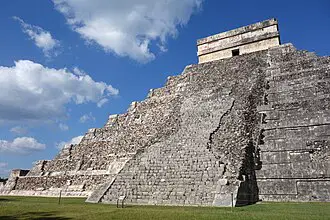
The temple of Kukulkan in Chichen Itzá to honor the feather serpent god was constructed by...
The Aztecs.
The Olmecs.
The people from Teotihuacan
The Mayas.

Identify a principal work of art from the Zapotec culture and its artist.
Aztec Sun Stone by unknown artist
Danzantes reliefs from Monte Albán, artist unknown.
Maya Codices by unknown artist
Inca Gold Mask by unknown artist
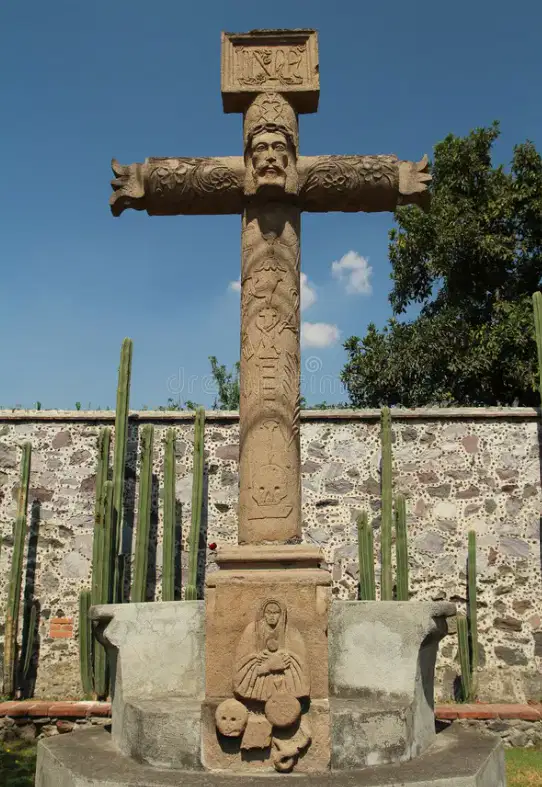
What does the "Cross de Acolman" art represent?
The Aztec´s beliefs.
The Mayan wisdom of their priests and their religious beliefs.
The fussion of two cultures the Aztec and the Mixtec.
The fussion of two cultures the Spanish and the indigenous.
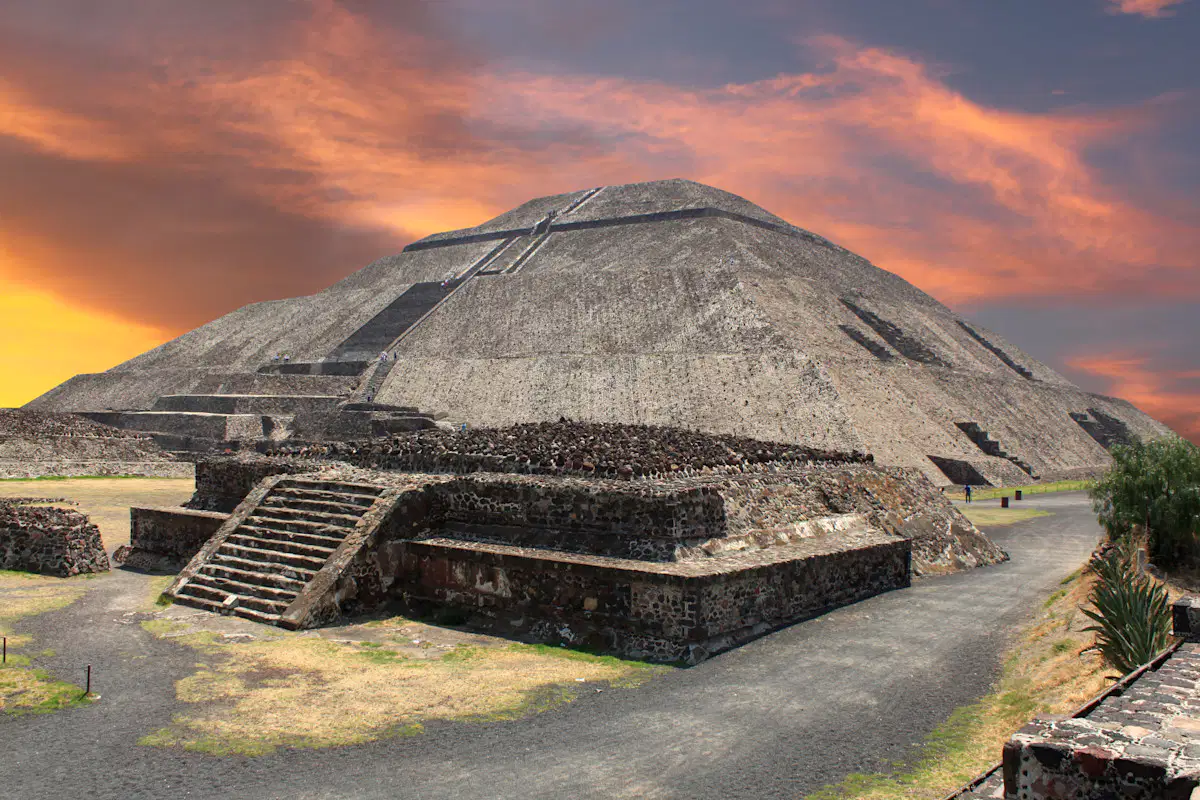
Which artwork represents the Teotihuacan civilization?
Machu Picchu pyramid
Giza sun pyramid
Great Wall.
Pyramid of the Sun.
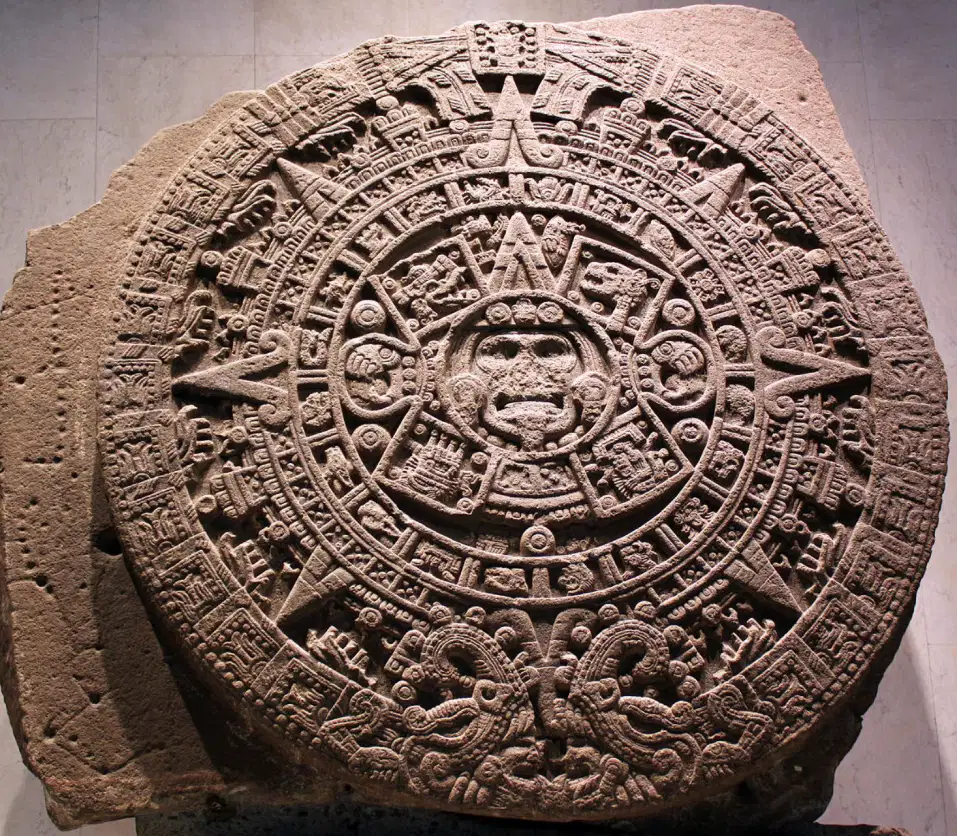
What is the name of a very important art work of the Aztec civilization that represented cosmological time and sacred cycles ?
Sun stone.
Stone of Tizoc.
Statue of Coatlicue.
Eagle warrior.
Which were some of the principal characteristics of the Olmec art work?
They used the art for representing their fears and how to defeat them, in order to teach the next generation.
They used powerful and symbolic form of expression to communicate religious and political ideas through mediums like monumental stone sculpture, intricate codices, pottery, and featherwork
Characterized by the adaptation of foreign influences and a deep connection to nature and spirituality.
They are most famous for their colossal
stone heads, which represented rulers. Their art often combined
realistic details with spiritual symbols, reflecting their religion and beliefs
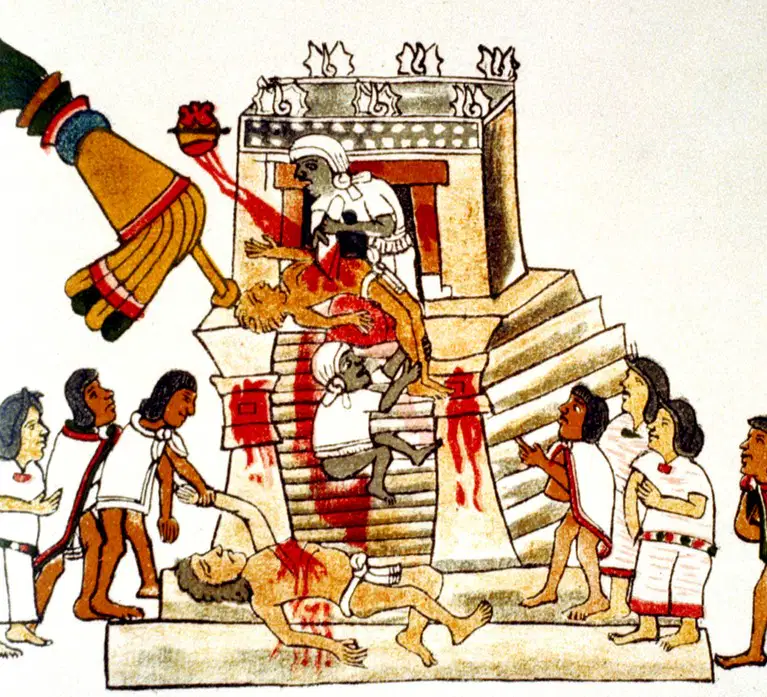
This civilization was established in Texcoco´s lake, following a divine prophecy, founded in 1325 a.D., reaching its golden age in the 15th century, dominating central Mexico through the triple alliance (Tecochtitlan, Texcoco and Tlacopn) and ending the civilization with the falling of Tenochtitlan in 1521 a.D. Which civilization is this?
The Aztecs
The Teotihuacans.
The Olmecs.
The Spanish
What were the main characteristics of the social structure during the era of Conquest & Fusion?
Equal power distribution among all classes
Hierarchical system with power concentrated in conquerors, cultural blending, new social classes, and economic changes.
Strictly defined roles with no cultural exchange
Economic stability with no changes in social classes
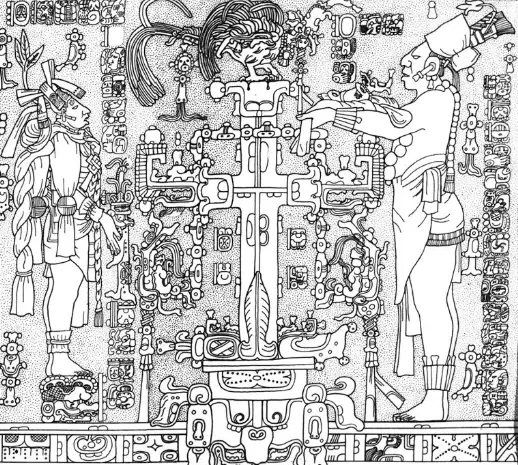
How did Spanish conquest influence indigenous art forms in America?
Spanish conquest led to the complete eradication of indigenous art.
Spanish conquest influenced indigenous art by merging European techniques, beliefs and themes with traditional indigenous styles.
Indigenous art forms and culture remained completely unchanged after the conquest.
European art styles were rejected by all indigenous artists, because they impossed them.

