
Font size
 Worksheets
Revision PE
Total questions: 94
Worksheet time: 1hrs 15mins


Name the highlighted mucles
hamstring
quadricep
soleus
gastrocnemius

Name the highlighted muscle
tricpes
biceps
rectus femoris
trapezius

Name the highlighted muscle
latissimus dorsi
obliques
rhomboids
deltoid

Name the highlighted muscle
pectorals
deltoid
trapezius
latissimus dorsi

Name the highlighted muscle
transvers abdominals
rectus abdominals
external obliques
internal obliques

Name the highlighted muscle
quadraceps
hamsting
rectus abdominals
deltoid

Name the highlighted muscle
tricep
bicep
bicep femoris
extensor longus

What muscle do you sit on and is highlighted in red?
Gluteus Maximus
Hamstring
Gastrocnemius
Deltoid

What's the name of this muscle?
Tricep
Pectoral
Glutes
Quadricep

What's the name of this bone?
femur
ribs
hip
These types of bones are found in your ankles and wrists
Long
Sesamoid
Flat
Short
Irregular
How many bones are in an adult human's body?
206
168
542
337
What connects muscle to bone?
Ligament
Tendon
Cartilage
Joint Capsule
What connects bone to bone?
Tendons
Ligaments
Joint Capsule
Bursae


In this picture, what is represented in multi-colors?
Carpals
Tarsals
Phalanges
Radius


Name the highlighted bone.
femur
axial skeleton
fibula
ulna
Name the highlighted bone.
femur
axial skeleton
fibula
ulna

Name the highlighted bone.
femur
tibia
fibula
ulna

Name the highlighted bone.
femur
tibia
radius
ulna

Name the highlighted bone.
humerus
tibia
radius
ulna

Name the highlighted bone.
humerus
tibia
radius
ulna

Name the entire structure.
femur
ulna
cranium
calcaneus

Name the highlighted bone.
metacarpals
sternum
tarsals
calcaneus

Name the highlighted bone.
metacarpals
sternum
carpals
clavicle

Name the highlighted bone.
scapula
sternum
metatarsal
clavicle

Name the highlighted bone.
scapula
sternum
metatarsal
clavicle

Name the highlighted bone.
scapula
sternum
metatarsal
carpal
Where is the heart located?
In your leg
slightly left to the center of the chest
slightly right to the center of the chest
on the left side of your body
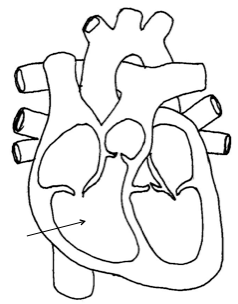
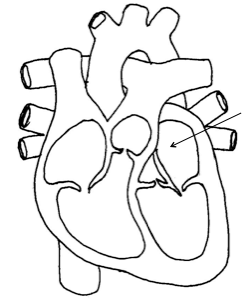
Which of the following is associated with oxygenated blood?
Aorta
Pulmonary Artery
Septum
Right Ventricle
What is the role of veins in the cardiovascular system?
Carry blood away from the heart
Carry blood back to the heart
Carry blood to the lungs
Allows the exchanges of gases, nutrients and wastes between blood and the tissues
What are the 3 main types of blood vessels?
Capillaries, veins, aortas
Capillaries, arteries, platelets
Capillaries, veins, platelets
Capillaries, veins, arteries
Name the only artery that carries deoxygenated blood.
Pulmonary artery
Aorta
The Vena cava
Pulmonary veins
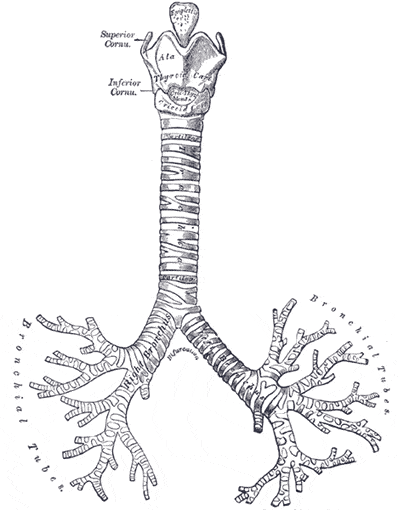
The two main branches from the trachea (one to each lung)
bronchi
alveoli
capillaries
bronchioles
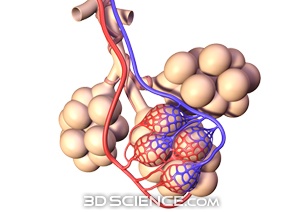
The air sacs that are covered with capillaries where gas exchange takes place
bronchi
lungs
oxygen
alveoli
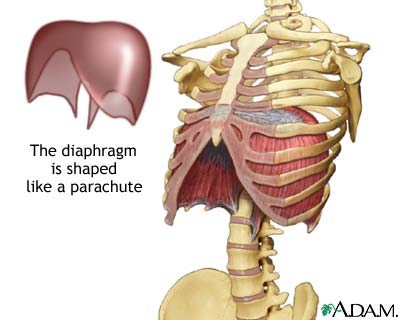
What is function of the dome-shaped diaphragm?
This is where gas exchange happens.
Air passes through the diaphragm on the way to the lungs.
It attaches to the lungs to help in breathing.
It is under the lungs and keeps them from falling down to your stomach.
What are the Australian Physical Activity and Sedentary Behaviour Guidelines now known as?
International Physical Activity and Sedentary Behaviour Guidelines
Global Physical Activity Guidelines
Australian Physical Activity and Sedentary Behaviour Guidelines
National Physical Activity Guidelines
What is an enabler in the context of social factors influencing physical activity?
Racial discrimination
Limited opportunities for sports of cultural importance
Providing role models and multicultural awareness programs
Lack of affordable activities and lack of transport
What are some common barriers to individual participation in physical activity?
Lack of enjoyment and having health problems
Having too much free time and feeling self-conscious
Having too many friends and being too active
Lack of access to facilities and too much knowledge about physical activity
How does socioeconomic status affect participation in physical activity?
People with higher socioeconomic status are less likely to participate in physical activity
Socioeconomic status has no impact on physical activity
People with lower socioeconomic status have more access to physical activity facilities
People with higher socioeconomic status have more access to physical activity facilities
The physical activity guidelines for 5 - 17 year old people are:
Accumulating 60 minutes or more of moderate to vigorous physical activity per day involving mainly aerobic activities
Accumulating 30 minutes or more of moderate to vigorous physical activity per day involving mainly aerobic activities
Accumulating 45 minutes or more of moderate to vigorous physical activity per day involving mainly aerobic activities
Accumulating 90 minutes or more of moderate to vigorous physical activity per day involving mainly aerobic activities
The intervention strategy outlined, is an example of which level of influence? Example - Group exercise sessions with a focus on encouragement and support, offered in a retirement village.
Individual
Social
Physical
Policy
The intervention strategy outlined, is an example of which level of influence? Example - Rules implemented to restrict screen time (computer and mobile) access during recess and lunch breaks.
Individual
Social
Physical
Policy
Within the social ecological model, physical activity behaviour is determined by factors at four levels. They are:
Income, School-based, Physical and Perceptions.
Institutional, Societal, Physical and Political
Interpersonal, Workplace, Community, School
Individual, Social, Physical and Policy.
Which of the following is an example of a 'social factor' that influences people's behaviour?
friends and family
the media
socioeconomic status
all of the above
Which of the following recommendations is NOT for the APAGS Children aged 5-17?
No more than 2 hrs per day of electronic media usage.
at least 3 days per week performing activities that strengthen muscle and bone.
at least 60 min of mod to vig intensity activity each day.
none of the above.
Which of the following recommendations is NOT correct for APAGS Adults aged 18-64?
100-150 mod & 50-100 vig intensity activity each week.
150-300 mod & 75-150 vig intensity activity each week.
muscle strengthening activities at least 2 times a week.
be active most, preferably all, days of the week.
Frequency, Intensity, Type and Time (FITT) are all...
Districts of Physical Activity
Dimensions of Physical Activity
Domains of Physical Activity
Departments of Physical Activity
Reactivity is not...
a disadvantage of using Diaries as an assessment tool.
when respondents exaggerate the physical activity levels.
the change in the behaviour of an individual who aware they are being assessed.
a concern for some assessment tools of physical activity.
SOPLAY stands for...
System for Observing Play and Leisure Time
System for Observing Parents Leisure Activity
System for Obtaining Play and Lunch Time Data
System for Observing Play and Leisure
Physical Inactivity is:
Undertaking insufficient PA to achieve measurable health outcomes
Undertaking insufficient PA
any bodily movement that expands energy
Not taking part in any PA throughout your day
Participation in fishing or canoeing would be considered which of the following PA subcategories
Exercise
Recreation
Organised Sport
Play
Physical activity increases our
Mental wellness (how well we think)
Physical wellness (how well our bodies perform)
Emotional wellness (how we feel)
All of the above
These are chemicals in the brain triggered by physical activity that give us a sense of well-being; they are "feel good chemicals".
Sweets
Oxygen
Endorphins
Carbon Dioxide
Which of the following is NOT a benefit of exercise
improved cell health
prevention of injuries
reduced risk of premature death
increased risk of certain diseases

Refers to your body's ability to efficiently and effectively intake oxygen and deliver it to your body's tissues by way of the heart, lungs, arteries, vessels, and veins.
Cardiovascular Endurance
Body Composition
Flexibility
Muscular Strength
Muscular Endurance

A particular muscle group's ability to continuously contract against a given resistance.
Cardiovascular Endurance
Body Composition
Flexibility
Muscular Strength
Muscular Endurance

Refers to the amount of force a particular muscle group can produce in one, all-out effort. In strength training terms, it's your one-rep max.
Cardiovascular Endurance
Body Composition
Flexibility
Muscular Strength
Muscular Endurance

Refers to the range of motion you have around a given joint.
Cardiovascular Endurance
Body Composition
Flexibility
Muscular Strength
Muscular Endurance


