
NEW
Font size
 Worksheets
Market Forms and Cutting Methods Quiz
Total questions: 59
Worksheet time: 30mins
What is a market or stock form of material?
A material that is custom-made for specific projects
A material that is manufactured in standard shapes and sizes for commercial use
A material that is only available in raw, unprocessed form
A material that is exclusively used for construction purposes
Which of the following is an advantage of using market/stock forms of materials?
They are always cheaper than custom-made materials
They save time and money
They require extensive customization before use
They are only available in limited quantities
Why are market/stock forms considered more environmentally friendly?
They are made from recycled materials
They produce less waste
They are biodegradable
They require no energy to manufacture
What does the term "off the shelf" mean in the context of market/stock forms of materials?
Materials that are pre-ordered in bulk
Materials that are readily available for purchase without ordering
Materials that are stored in warehouses for future use
Materials that are custom-made for specific projects

What is the difference between a "board" and a "strip" in terms of dimensions?
A board is wider and thicker than a strip.
A strip is wider and thicker than a board.
A board is narrower but thicker than a strip.
A strip is narrower but thicker than a board.

Which of the following is NOT a standard sectional profile available in different materials?
Round bar
Hexagonal bar
Circular tube
Triangular bar

What is the maximum width and thickness of a "strip" in market forms of materials?
<100 mm wide and <50 mm thick
>100 mm wide and >50 mm thick
≤150 mm wide and ≤50 mm thick
≤375 mm wide and ≤50 mm thick

Which of the following is an example of a profile or hollow section in metals?
Square section
Dowel section
Rotary cutting of veneer
Mould section

What is the standard size of a full board sheet of wood?
2500mm x 1250mm
2440mm x 1220mm
1220mm x 625mm
2000mm x 1000mm

Which of the following is a solid/bar section shape for metals?
Circular section
Hexagonal section
Rotary cutting section
Mould section

Which material is commonly used for injection moulding, blow moulding, and extrusion?
Metals
Woods
Polymers plastics
Veneer sheets

Which section of wood is described as having a diameter x length?
Square section
Dowel section
Full board section
Mould section
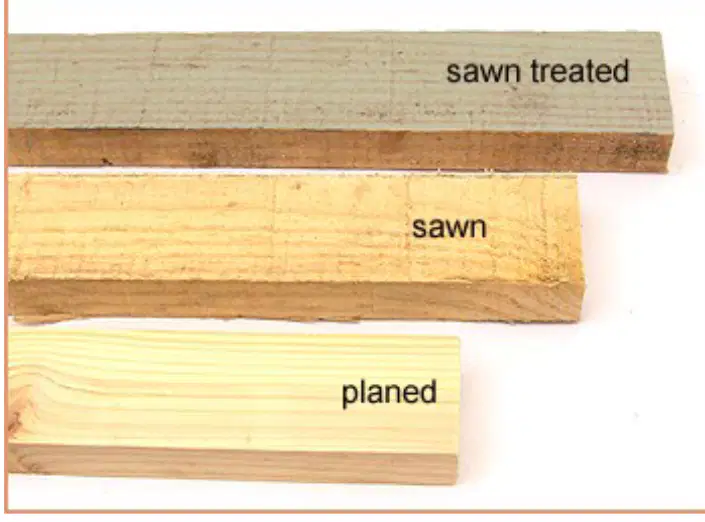
What is the primary use of Rough Sawn treated wood?
Indoor furniture
Outdoor use such as fencing
Decorative wall panels
Flooring
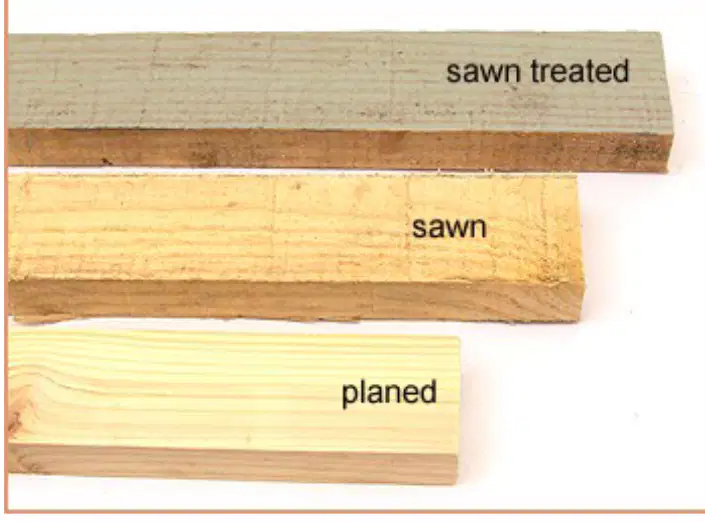
Which type of wood is referred to as PSE?
Rough Sawn treated
Rough Sawn
Planed
Sawn treated
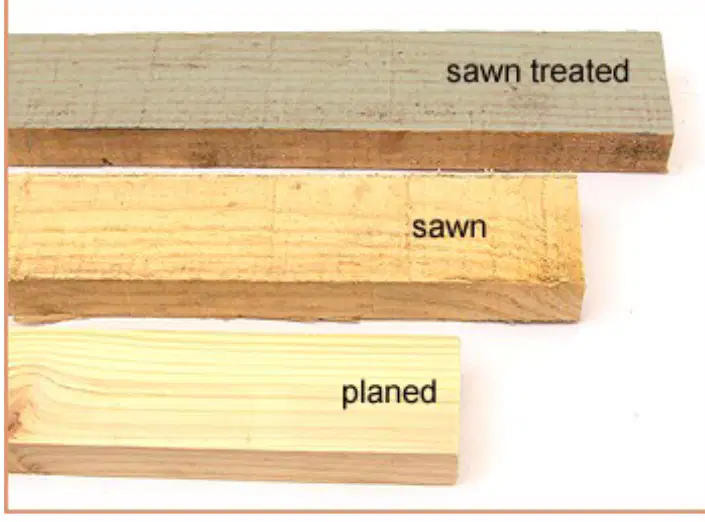
What is the main characteristic of Rough Sawn wood?
Smooth surface for precision joinery
Roughly presented and used where it won't be visible
Pressure treated with preservative
Used for decorative purposes

Which type of wood is pressure treated with preservative to prevent rotting?
Planed
Rough Sawn treated
Rough Sawn
Sawn

What is the main use of Planed wood?
Outdoor use such as fencing
Precision joinery and visible surfaces like door frames
Stud walls covered with plasterboard
Construction of rough structures

Which of the following is a stock form of plastic that is easy to heat for moulding?
Granules
Rods
Sheets
Liquids

What is an example of a liquid stock form of plastic?
Resins
Granules
Rods
Sheets

Which stock form of plastic is commonly used for vacuum forming?
Granules
Sheets
Rods
Liquids

What is the primary characteristic of granules as a stock form of plastic?
They are used for vacuum forming.
They are easy to heat for moulding.
They are used as resins.
They are used for structural support.

Which of the following is a market form of wood commonly used for construction and furniture making?
Dowels
Plastic sheets
Metal rods
Concrete blocks

What is the term for thin slices of wood used to cover surfaces for aesthetic purposes?
Veneer
Plywood
Beam
Dowels
Which cutting tool is best suited for cutting metal and plastic in a straight line?
Guillotine
Hacksaw
Tenon Saw
Coping Saw
What material is typically cut using a guillotine?
Wood
Metal
Paper, thin card
Plastic
Which cutting tool is used to cut precision joints in wood?
Panel Saw
Tenon Saw
Cross-cut Saw
Coping Saw
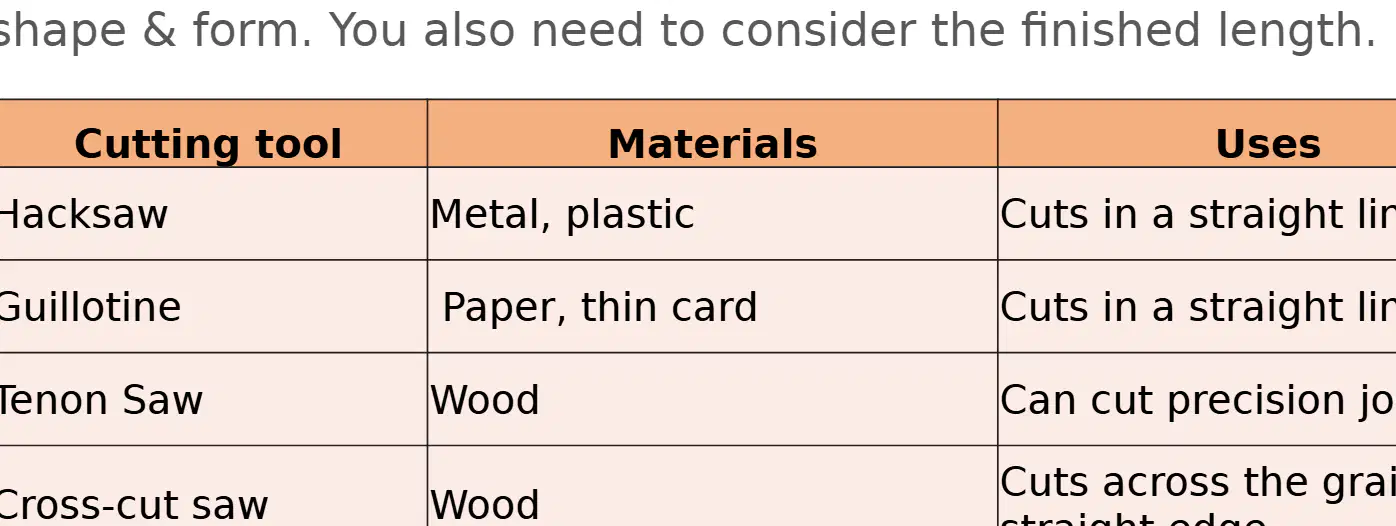
What is the primary use of a cross-cut saw?
Cuts curved lines
Cuts across the grain for a straight edge
Cuts a straight edge in large sheets
Cuts precision joints
Which cutting tool is suitable for cutting curved lines in wood, plastic, or metal?
Hacksaw
Guillotine
Coping Saw
Panel Saw

What is the main advantage of portable power tools compared to their wired versions?
They are more powerful than wired tools.
They are easier to use in remote places without a power supply.
They are less expensive than wired tools.
They have a longer battery life than wired tools.

What is a common limitation of portable power tools compared to wired tools?
They are heavier than wired tools.
They are less powerful and have limited battery life.
They are harder to operate.
They require a constant power supply.

Which feature makes portable power tools suitable for use in remote locations?
Rechargeable battery.
Lightweight design.
Advanced technology.
Wired connection.
What is a datum surface?
A curved surface used for decoration
A flat surface or straight edge of materials from which all measurements should be taken
A rough surface used for sanding materials
A surface used for painting designs
Which tool is used to create a datum surface on timber?
Hand file
Surface plate
Wood plane
Scribing block
What tool can be used to check the datum edge?
Steel rule/straight edge
Hand file
Wood plane
Scribing block
What are the two datum surfaces on timber called?
Top side and bottom edge
Face side and face edge
Smooth side and rough edge
Left side and right edge
Which tool is used to create a datum surface on plastic?
Wood plane
Hand file
Surface plate
Scribing block
What is the purpose of a try-square in creating datum surfaces?
To smooth the surface
To ensure two datum surfaces are perpendicular to each other
To measure the length of the surface
To create decorative patterns
What is a datum surface?
A curved surface used for decorative purposes.
A flat face or straight edge of material from which all measurements should be taken.
A rough surface used for sanding materials.
A surface used for painting and finishing.
Which tool is used to produce a datum on wood?
Flat hand file.
Sandpaper.
Wood plane.
Chisel.
What is required to create a datum surface on plastic or metal?
Sandpaper.
Flat hand file.
Wood plane.
Hammer.

Which of the following devices can be used to hold materials securely during cutting, shaping, or forming processes?
G-cramps
Vices
Bench hooks
All of the above

What is the primary purpose of using holding devices like G-cramps, vices, and bench stops?
To decorate materials
To hold materials securely in position
To cut materials into smaller pieces
To measure materials

Which holding device is commonly used to secure materials during woodworking processes?
Bench hook
G-cramp
Vice
All of the above

What is a bench hook primarily used for?
To hold materials securely during cutting
To measure materials
To shape materials
To decorate materials
What can happen if materials are incorrectly secured during machining?
Material becomes loose
Material becomes stronger
Equipment becomes more efficient
Pieces of material become larger
Which of the following is a consequence of incorrectly securing materials?
Equipment becoming damaged
Material becoming more durable
Increased machining speed
Reduced risk of injury
When using a lathe, how should the material be secured?
Loosely placed on the bed
Firmly secured to the faceplate or between the centers
Held by hand during machining
Placed randomly without following instructions
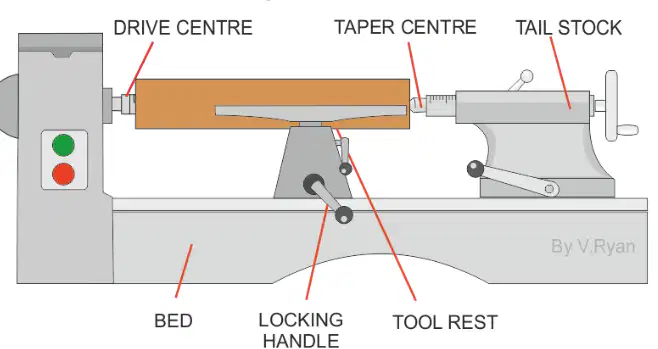
What is the purpose of ensuring the jaws of the chucks are tight and using correctly sized materials?
To increase the speed of machining
To prevent material from becoming loose or damaged
To reduce the size of the material
To make the lathe operate automatically
What is the term used to describe materials that are processed and made available in a usable form?
Portable hand tools
Datum surface
Market or stock form
Vices and clamps
What is the advantage of cordless power tools?
They are heavier to use
They are portable and easier to work with
They require a datum surface
They are only used for shaping materials
What is a datum surface used for?
Securing materials to the work surface
Measuring accurately with materials
Cutting and shaping materials
Powering tools for effective use
Which tools are used to secure materials to the work surface or to each other?
Datum surface
Portable hand tools
Vices, clamps, grips
Cordless power tools
What type of properties should you refer to when determining the suitability of materials for a particular application?
Physical and mechanical properties
Chemical and thermal properties
Electrical and magnetic properties
Optical and acoustic properties
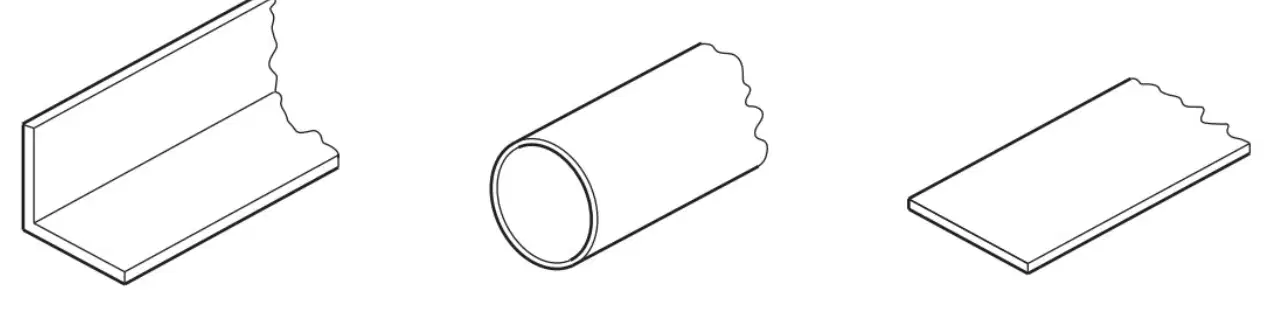
Name the three standard metal sections shown in the diagram below.
Angle section, Tube section, Flat section
Channel section, Pipe section, Plate section
Angle section, Pipe section, Plate section
Channel section, Tube section, Flat section

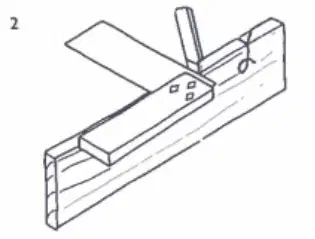
What is the name of the tool shown in the first diagram that is used to hold wood?
Bench Hook
G Clamp
Wood Vice
Mitre Box
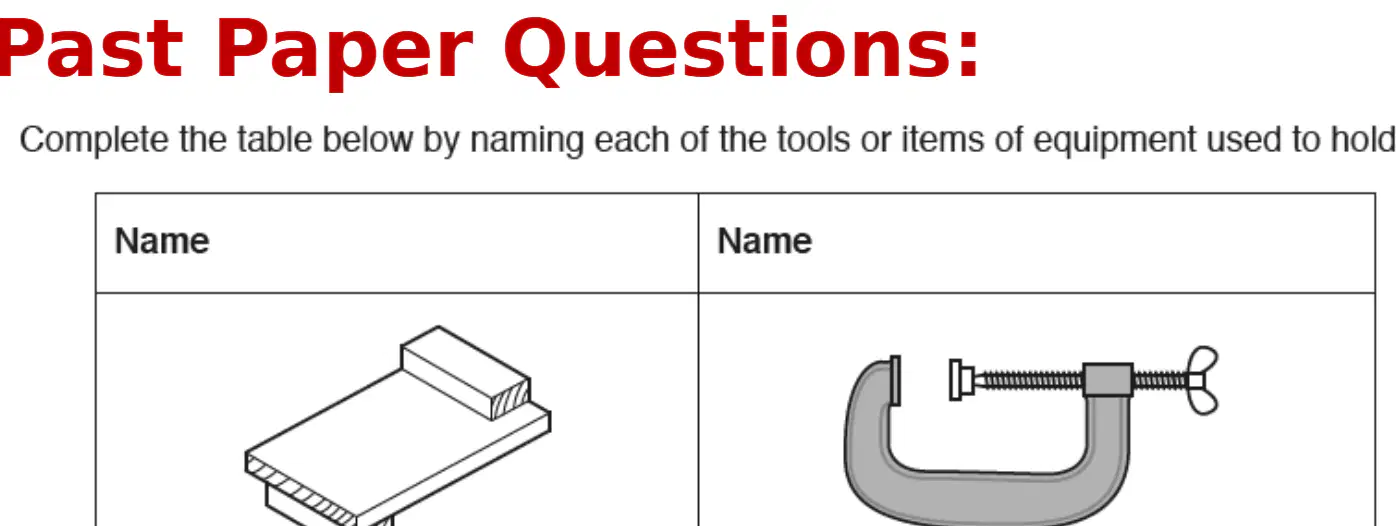
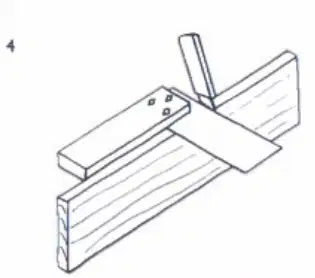
What is the name of the tool shown in the second diagram that is used to hold wood?
Bench Hook
G Clamp
Wood Vice
Mitre Box
What material would you cut with a hacksaw?
Metal
Plastic
Wood
Rubber
What is a datum surface?
A reference surface used for measurements
A type of cutting tool
A portable power tool
A stock form of wood
Name a portable power tool suitable for cutting curved shapes from a large sheet of wood.
Jigsaw
Hacksaw
Drill
Sanding machine

