
NEW
Font size
 Worksheets
Fall Tasks & Native Plants
Total questions: 16
Worksheet time: 8mins

A species that occurs naturally in a region or area, and has for hundreds or thousands of generations.
Non-native species
Perennial species

A species that is brought in from an outside ecosystem. One that is not overly aggressive.
Non-native species
Perennial species
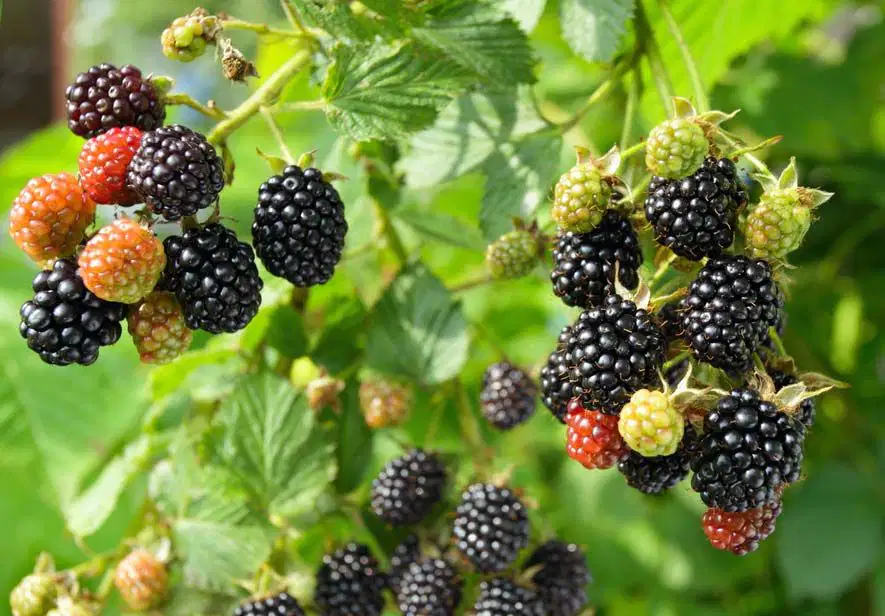
A species that is brought in from an outside ecosystem that aggressively out-competes native plant species.
Non-native species
Perennial species

English Ivy spreads quickly and covers large areas, and even chokes out trees. This is an example of an ___________.
Non-native species
Perennial species

Salal berries made up a part of our indigenous ancestor's diet since pre-contact. Salal is an example of a ___________.
Non-native species
Perennial species
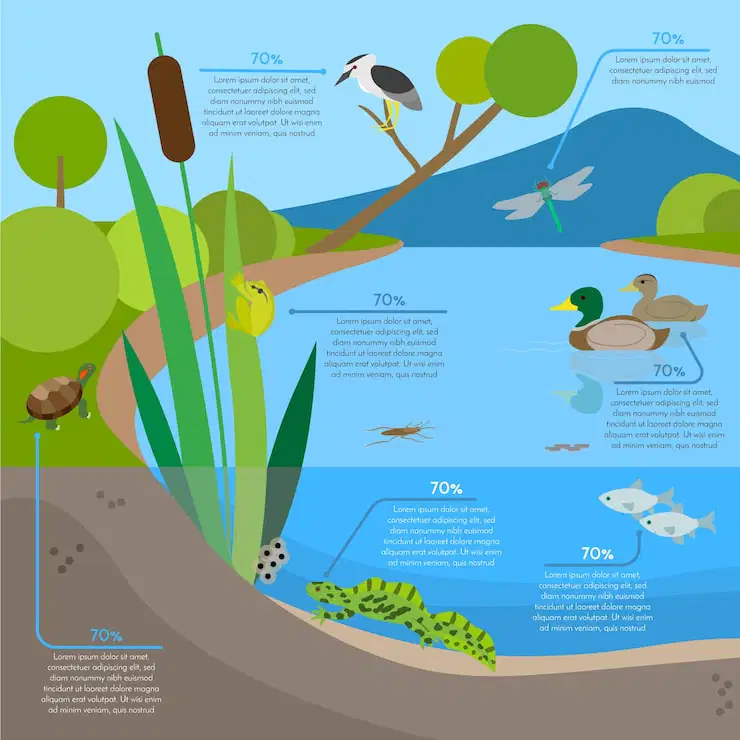
An ecosystem is made up of ______________.
living organisms and their environment
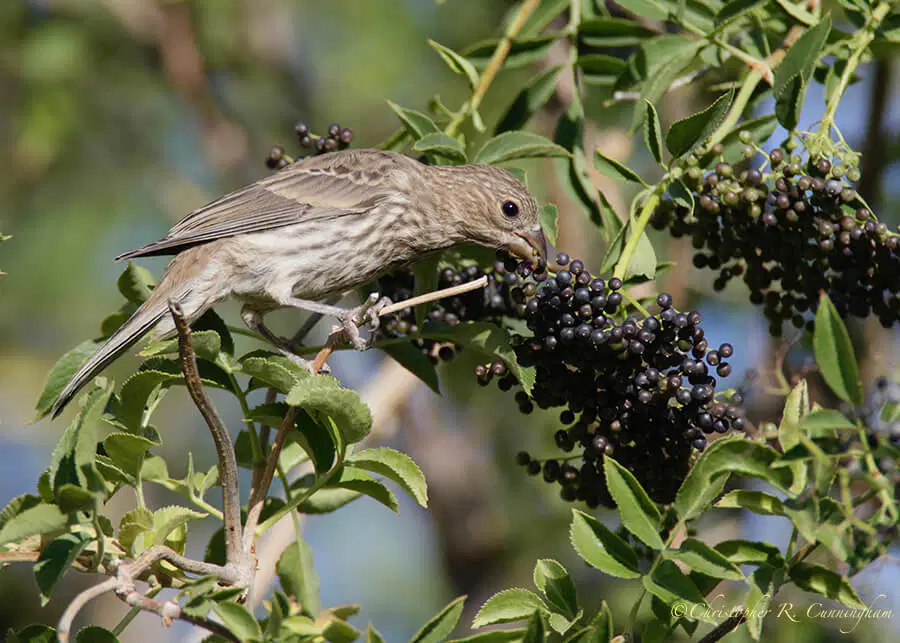
Elderberry is a native plant species poisonous to humans if eaten raw. Native birds have adapted to eat their berries and spread the plant's seeds. This is an example of ________ .
restoration
competition
co-evolution
invasive species
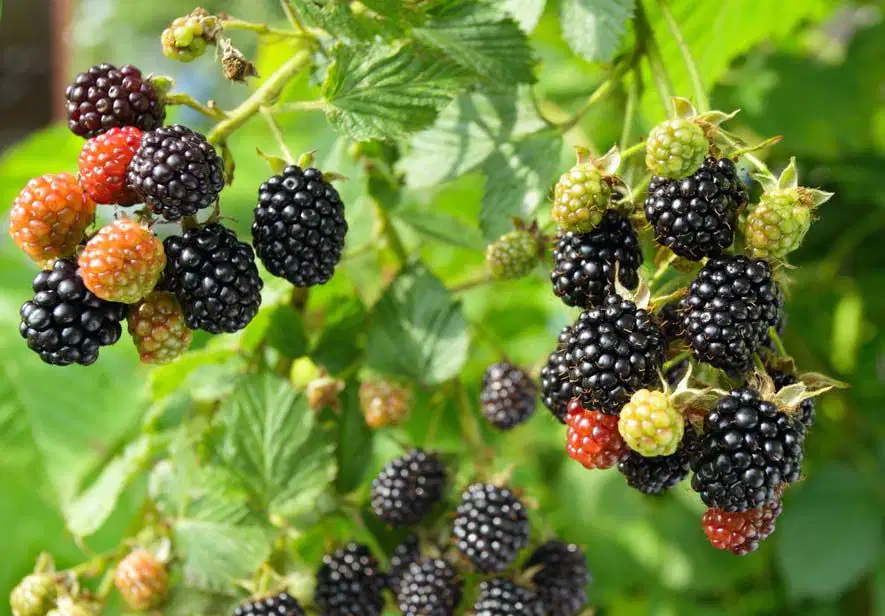
Invasive species pose a threat to native species because they _________.
are mean
put nitrogen into the soil
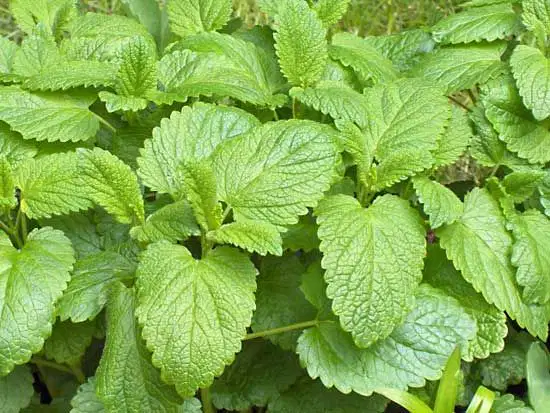
A medicinal plant is any plant that is used for _______.
decoration
cooking flavoring
health reasons
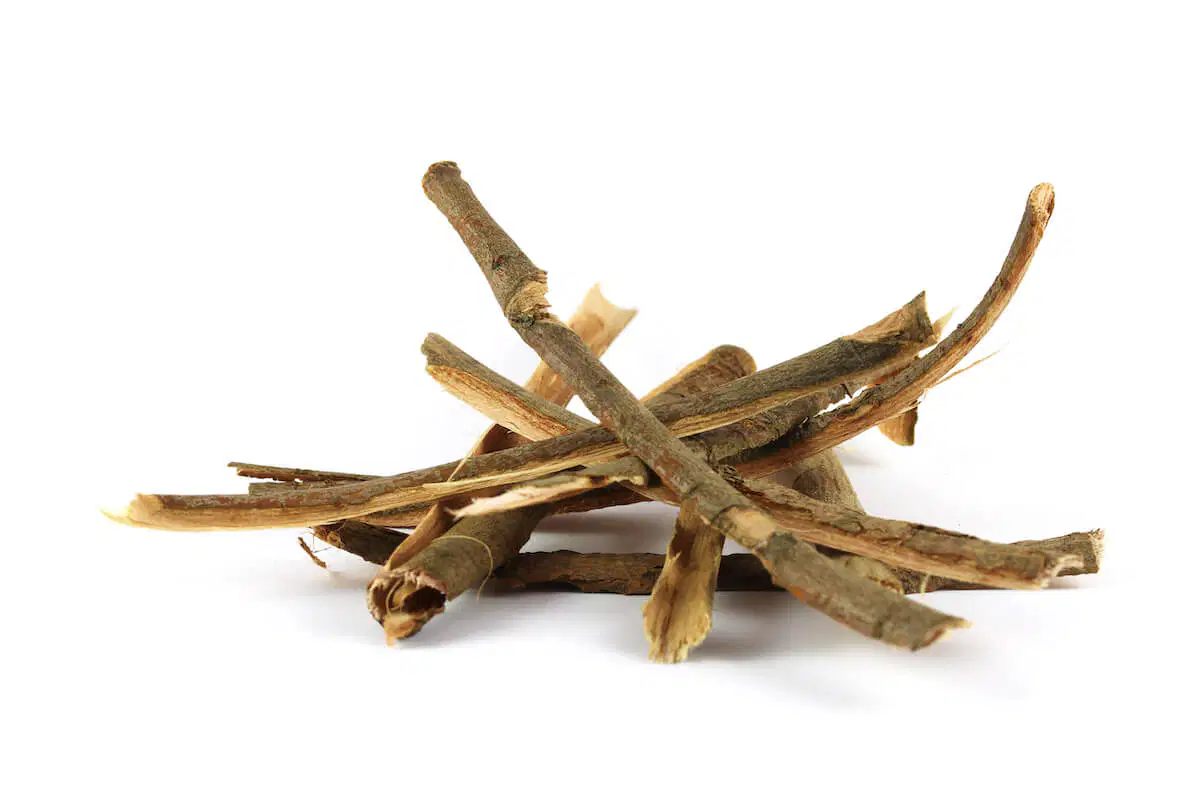
Willow bark is famous for its traditional use as a __________.
pain reliever / fever reducer
antibiotic
muscle relaxer
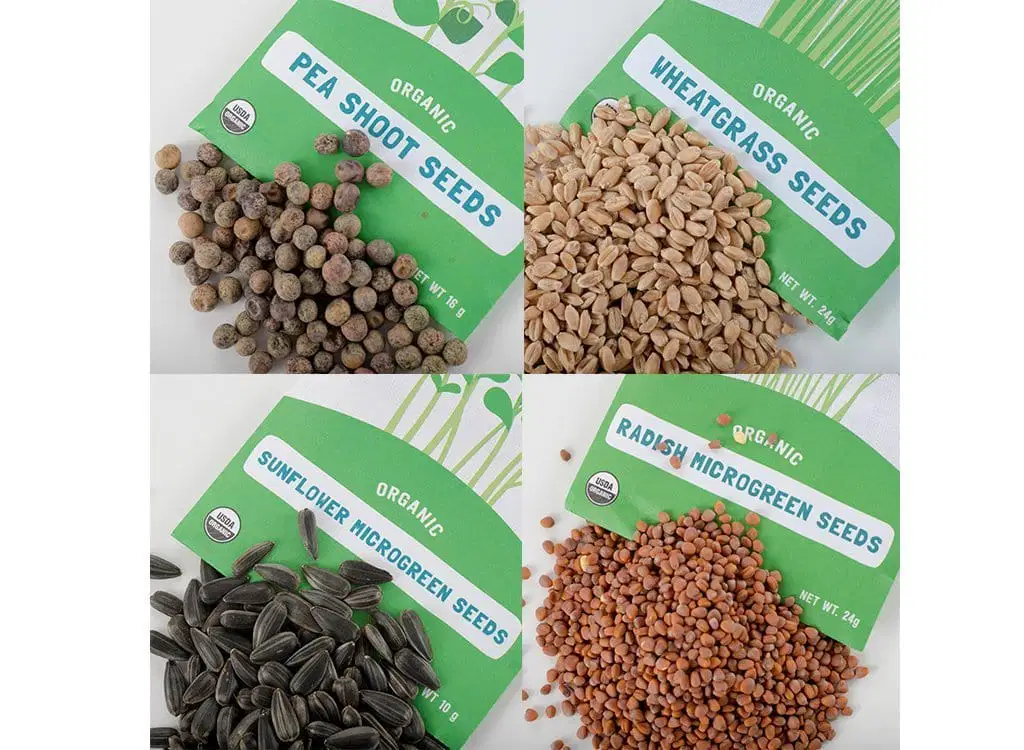
Seeds can last years in storage so long as they are kept _______.

Cover crops are planted in the garden in the Fall to ______________.
grow mushrooms
improve soil health over the Winter
grow food
make the garden look nice
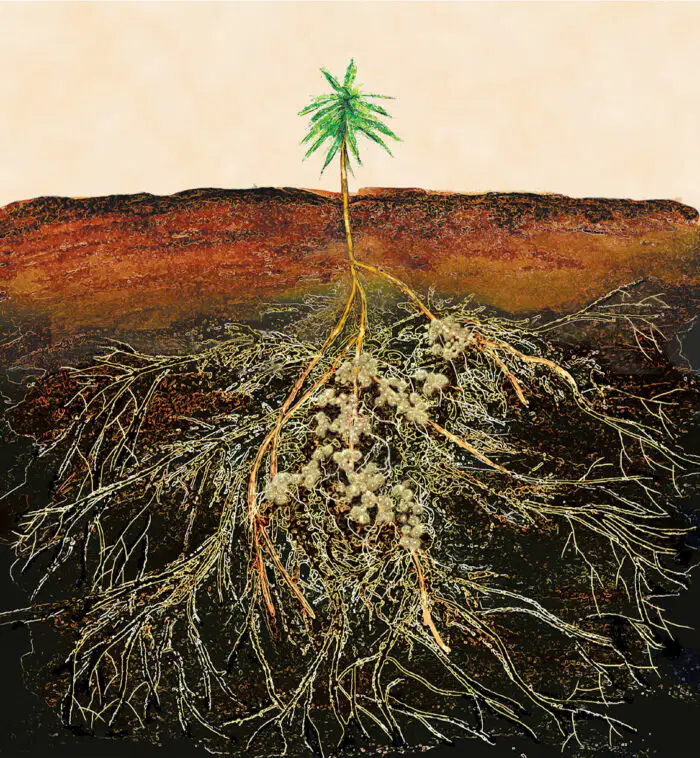
Mycorrhizae is _____________ .
a soil bacteria
a network of fungi and plant roots that helps them grow
a plant root
a fungal plant disease
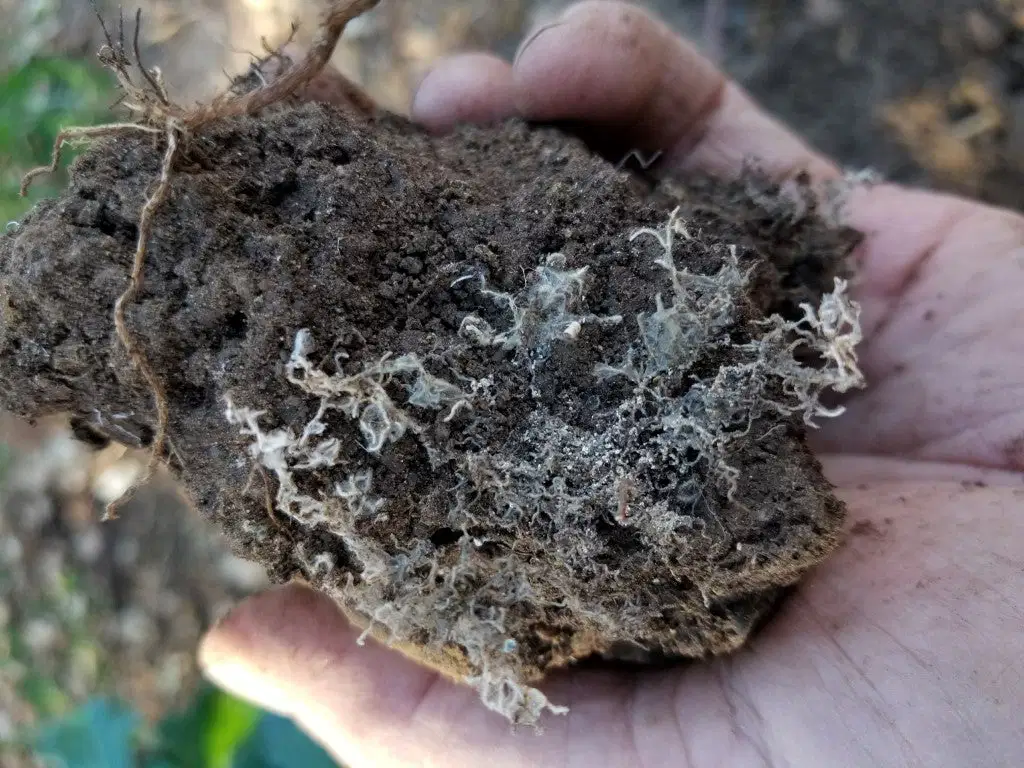
One thing you could do to help mycorrhizae in the soil is _______.
use weed killer
avoid digging up garden beds
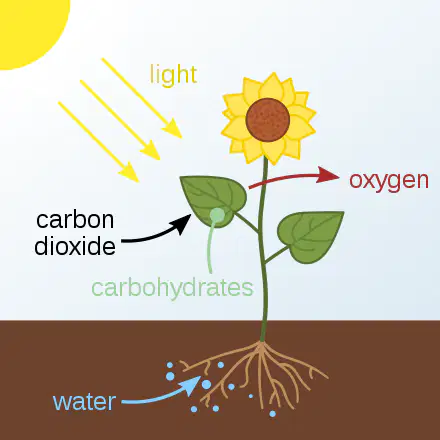
As cold weather sets in, perennial plants transfer ___________ from their leaves into their roots to save energy for Winter survival.
carbohydrates
carbon dioxide
oxygen
water
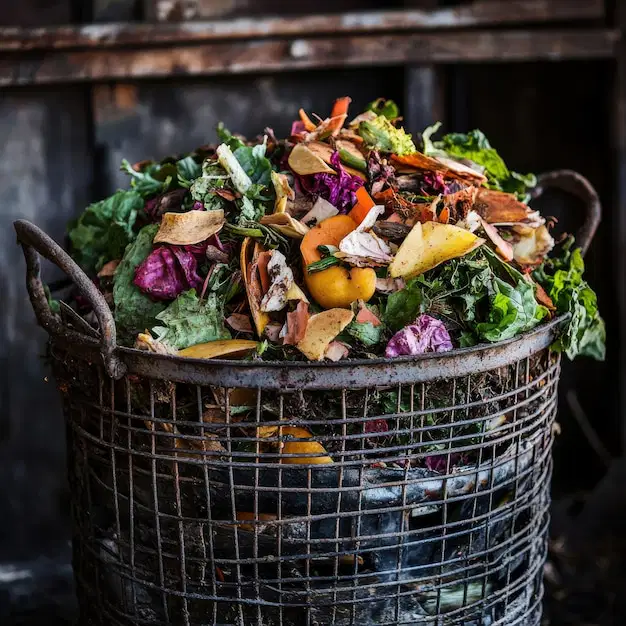
Leaves and dead plant matter are useful in the garden because they ______.
can build biomass (healthy soil)

