
 Worksheets
Shaping Materials
Total questions: 77
Worksheet time: 39mins
Which process involves changing the shape or structure of a material?
Addition processes
Reforming processes
Wastage processes
Recycling processes
Which principle of shaping materials involves removing material using tools like saws, files, or abrasives?
Addition
Reforming
Wastage
Deforming
What is an example of addition in shaping materials?
Using screws, nails, or adhesives
Using glass paper to remove material
Laminating woods to retain structural integrity
Casting metals to form complex shapes
Which principle of shaping materials focuses on creating shapes while retaining or enhancing structural integrity?
Reforming
Deforming
Wastage
Addition
What is an example of reforming in shaping materials?
Using bolts and rivets
Using saws and files
Casting metals or injection moulding
Laminating woods
Which of the following processes is an example of wastage in shaping materials?
Steam bending
Plasma cutting
Injection moulding
Adhesives
What does deforming materials mean?
Adding materials together
Subjecting a material to stress to change its shape
Melting materials into a mould
Cutting straight edges
Which of the following is NOT an example of addition in shaping materials?
Screws
Nails
Blow moulding
Adhesives
Which of the following is an example of reforming materials?
Sand casting
CNC Router
Smoothing surfaces
Nuts & bolts
What is addition in shaping materials?
Cutting straight edges
Adding or combining materials, either temporarily or permanently
Subjecting materials to stress to change their shape
Melting materials into a mould
Which of the following processes is an example of deforming materials?
Press forming
Laser cutting
Adhesives
Nuts & bolts
Which tool is used for cutting straight lines in wood?
Coping saw
Tenon saw
Chisel
Abrasive paper
What is the primary tool used for cutting curved lines in wood?
Coping saw
Tenon saw
Wheel brace
Abrasive paper
Which tools are commonly used for shaping edges in woodworking?
Abrasive papers
Planes, spokeshaves, rasps
Chisels and gouges
Wheel brace and bit
What is the purpose of abrasive papers in woodworking?
Cutting straight lines
Smoothing surfaces
Shaping edges
Drilling holes
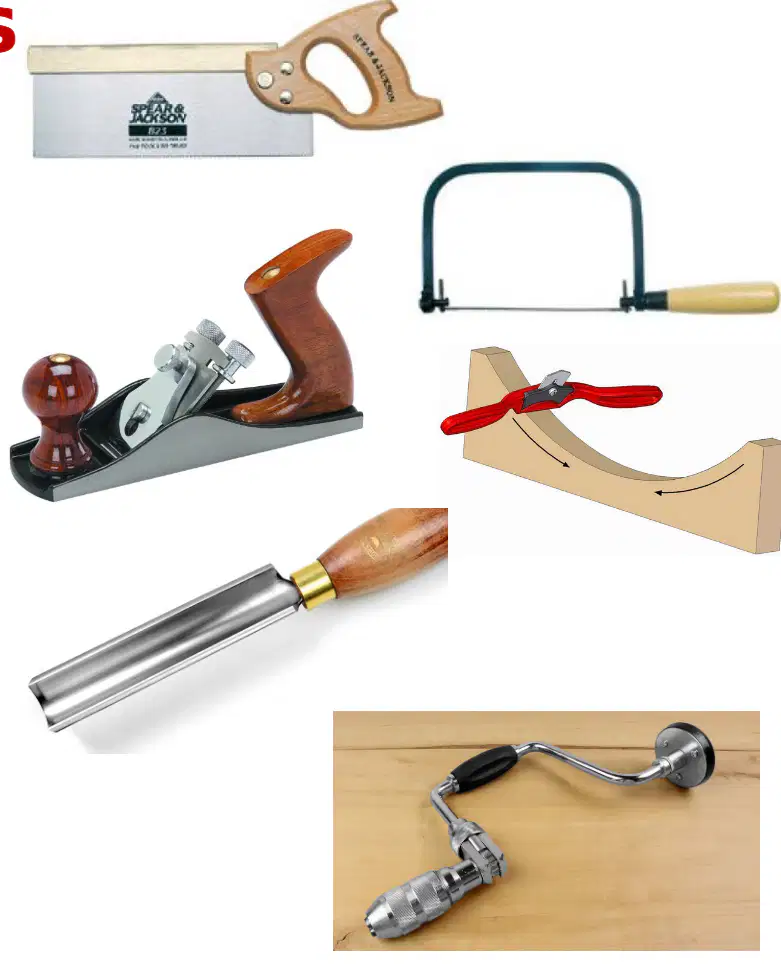
Which tools are used for hollowing in woodworking?
Chisels, hand router, and gouges
Tenon saw
Abrasive papers
Wheel brace and bit

Which tool is used for drilling holes in wood?
Wheel brace and bit
Coping saw
Abrasive papers
Spokeshave
Which tool is used for cutting straight lines in metals?
Piercing saw
Hacksaw / Junior hacksaw
Files
Cold chisels
What is the primary tool used for shaping edges in metals?
Abrasive papers
Files
Hand drill
Piercing saw
Which tool is commonly used for smoothing surfaces in metals?
Abrasive papers & cloths, polish
Cold chisels
Hand drill & twist bits
Hacksaw
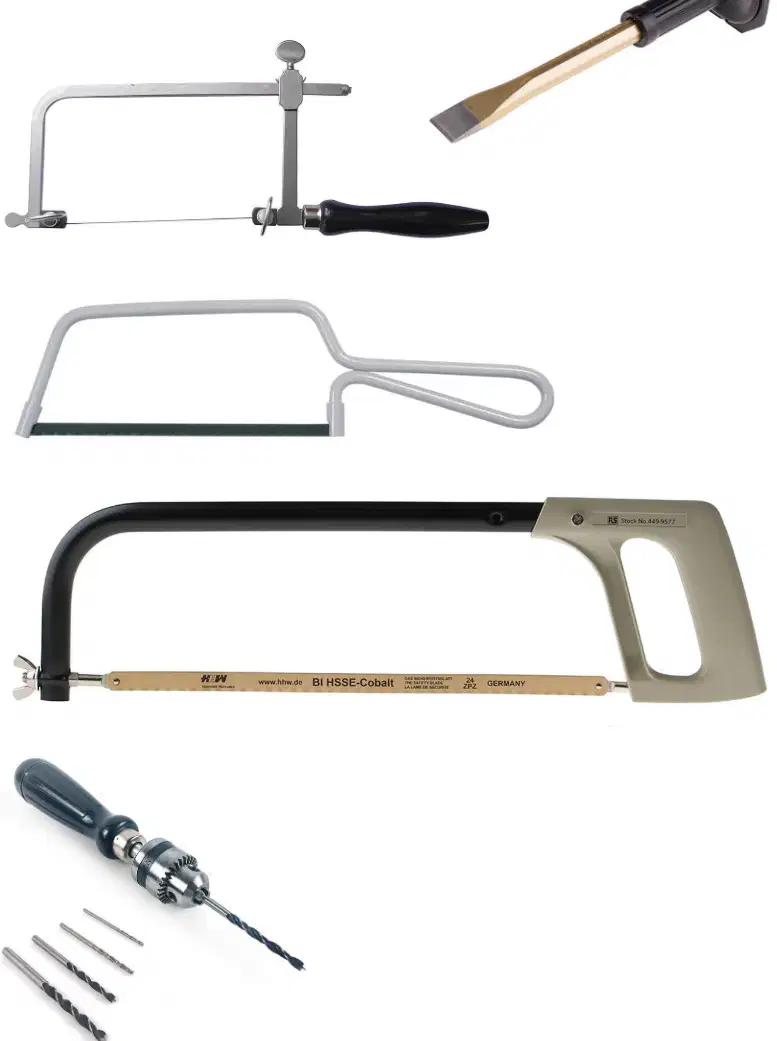
What tool is used for hollowing metals?
Cold chisels
Files
Piercing saw
Hand drill
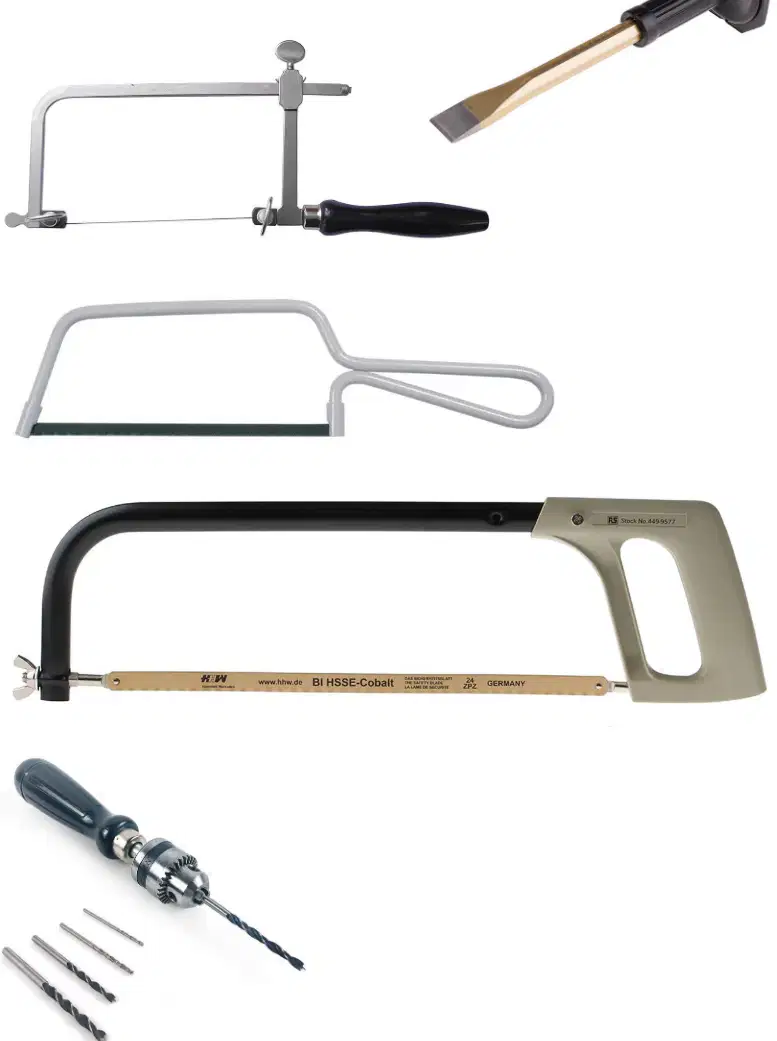
Which tool is used for drilling holes in metals?
Hand drill & twist bits
Hacksaw
Abrasive papers
Piercing saw
Which tool is specifically designed for cutting curved lines in metals?
Hacksaw
Piercing saw
Files
Cold chisels
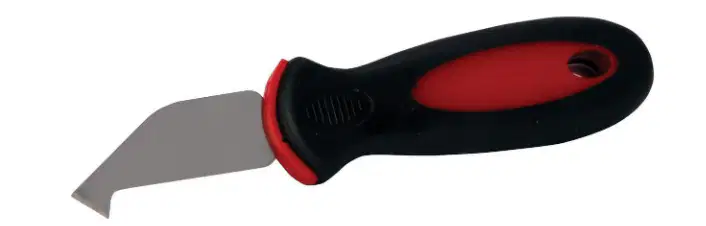
Which tool is commonly used for cutting straight lines in plastics?
Coping saw
Scoring tool or hacksaw
Files
Hand drill
What tool is used for shaping edges in plastics?
Files
Abrasive papers
Coping saw
Twist bit
Which tool is suitable for cutting curved lines in plastics?
Scoring tool
Coping saw or piercing saw
Abrasive papers
Hand drill
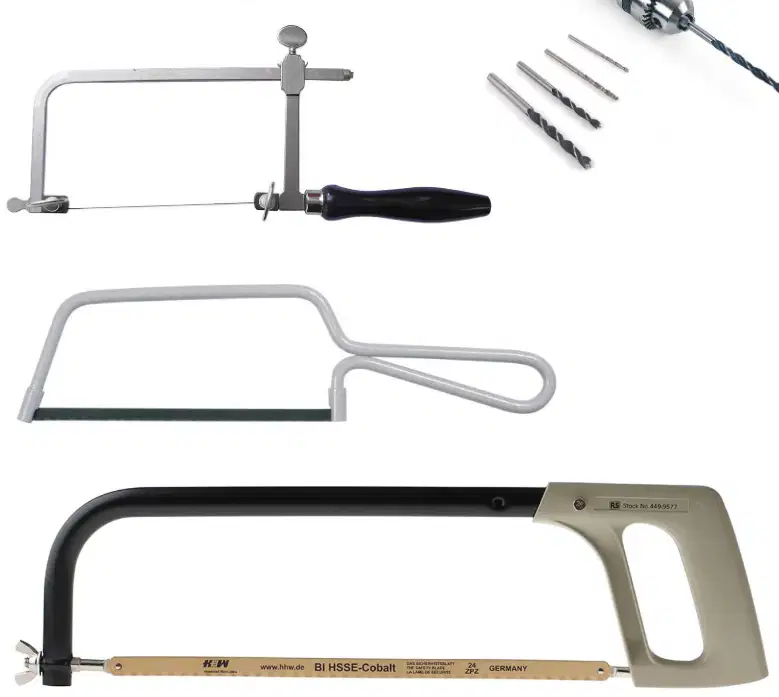
What is the recommended tool for drilling holes in plastics?
Hand drill & twist bit
Coping saw
Abrasive papers
Files
Which tools are used for smoothing surfaces in plastics?
Abrasive papers & cloths, polish
Files
Scoring tool
Coping saw
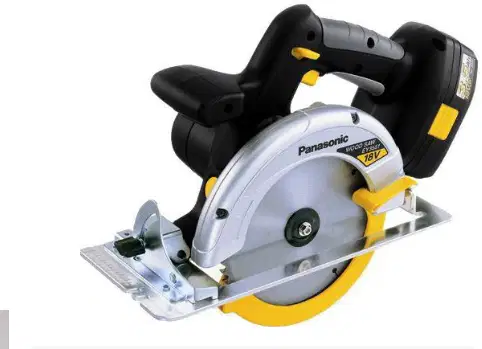
Which machine tool in the image is commonly used for cutting wood in a straight line?
Router
Circular saw
Lathe
Milling machine
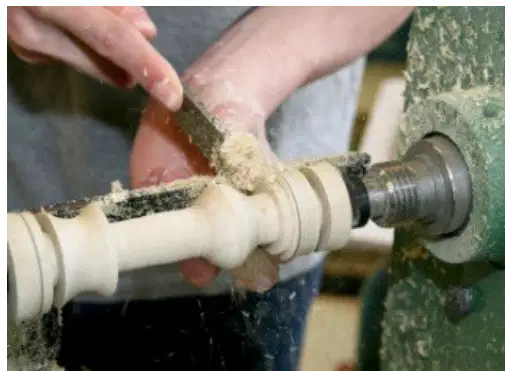
What type of machine tool is typically used for turning and shaping cylindrical objects?
Band saw
Lathe
Router
Milling machine
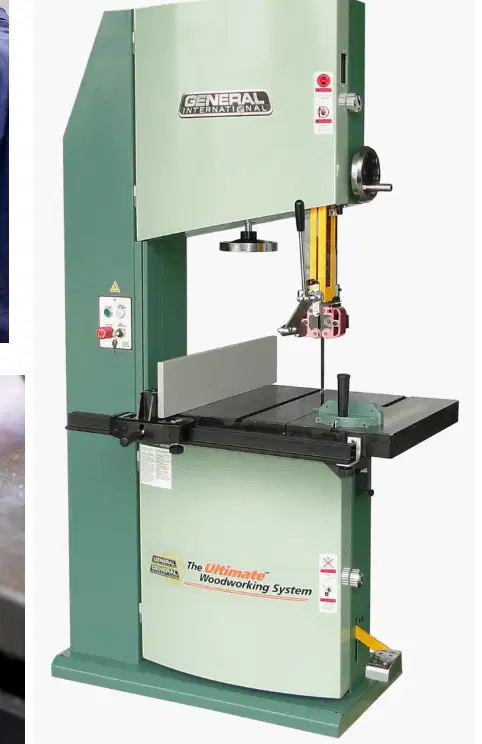
Which machine tool in the image is designed for cutting intricate shapes in wood or metal?
Band saw
Circular saw
Milling machine
Lathe
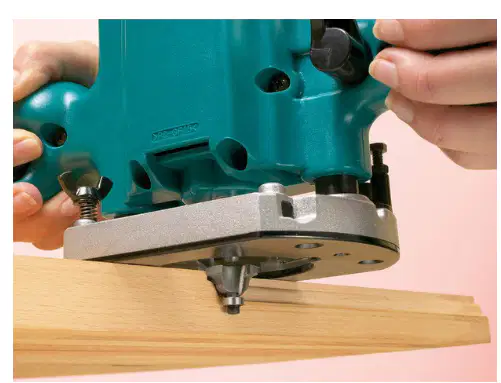
Which machine tool in the image is used for creating grooves or decorative edges in wood?
Router
Circular saw
Band saw
Milling machine
Which tool is commonly used for cutting straight lines in woods?
Guillotine
Circular saw
Bandsaw
Milling machine
What machine is used for hollowing metals?
Router
Milling machine
Belt sander
Guillotine
Which tool is used for shaping edges in plastics?
Disk/belt sander
Off-hand grinder
Planer thicknesser
Guillotine
What does Computer Aided Manufacture (CAM) wastage include?
Laser & plasma cutters, 4 & 4 axis milling & routing machines, CNC lathes
Guillotine, metal cutting bandsaw, disk/belt sander
Planer thicknesser, belt sander, polishing machines
Router, milling machine, pillar/bench drill
Which tool is used for smoothing surfaces in metals?
Polishing machines
Router
Guillotine
Circular saw
Which material is used for wheels manufactured using injection moulding?
Hardwood
Thermoplastic
Metal alloy
Rubber
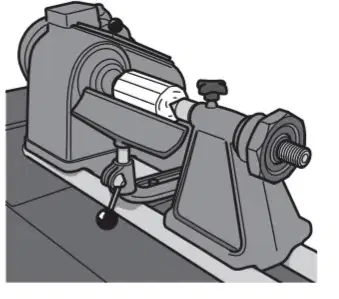
Which tool is used for manufacturing wheels through woodturning?
Injection moulding machine
Woodturning lathe
Casting mold
CNC machine
What is the main difference between routering and milling?
Routering is used for cutting metal, while milling is used for cutting wood.
Routering is used for creating decorative edges, while milling is used for shaping and cutting materials.
Routering is a manual process, while milling is an automated process.
Routering and milling are identical processes.
Name two types of lathe.
Wood lathe and metal lathe.
CNC lathe and hand lathe.
Bench lathe and turret lathe.
All of the above.
What process is used to flatten the surface of wood?
Sanding.
Planing.
Routing.
Milling.
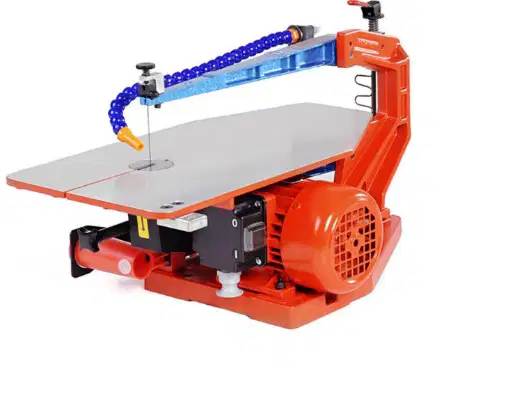
Identify the type of saw shown in the image below.
Scroll Saw
Jigsaw
Band Saw
Miter Saw

Which saw is typically used for cutting intricate curves and detailed designs in wood?
Circular Saw
Scroll Saw
Miter Saw
Band Saw
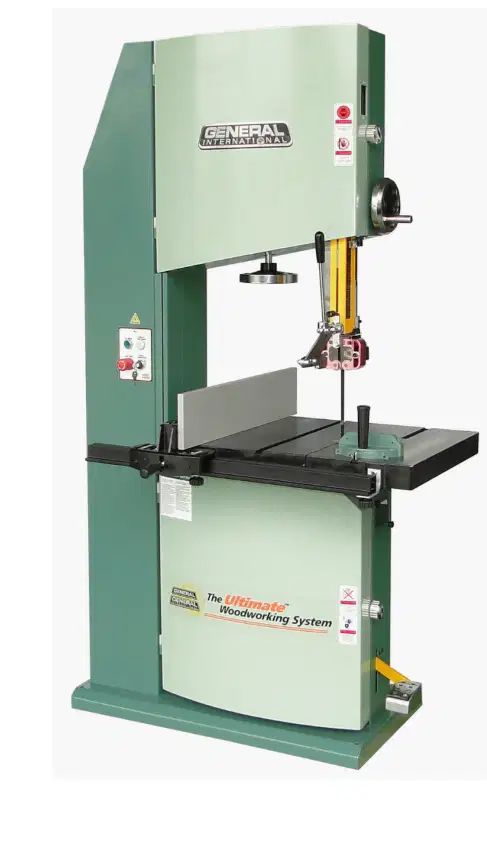
What is the primary use of a band saw as shown in the image?
Cutting straight lines in wood
Cutting curves and irregular shapes
Making precise crosscuts
Cutting metal sheets

Which saw in the image is most suitable for making precise angled cuts for molding and trim work?
Jigsaw
Miter Saw
Circular Saw
Band Saw

What is the main advantage of using a circular saw as shown in the image?
Cutting intricate designs
Cutting large sheets of material quickly
Making precise angled cuts
Cutting curves and irregular shapes

Which of the following tools is commonly used in the wasting process of drilling?
Hammer
Cordless drill
Saw
Screwdriver

What is the primary purpose of a drill press in the wasting process?
To cut materials into smaller pieces
To create precise holes in materials
To fasten screws into wood
To polish surfaces

Which tool is manually operated and used for drilling holes?
Cordless drill
Hand drill
Drill press
Electric saw

What distinguishes a brace drill from other types of drills?
It is powered by electricity
It is manually operated and has a U-shaped handle
It is used for cutting materials
It is used for polishing surfaces
What is a through hole in drilling?
A hole that goes partially through the material
A hole that goes all the way through the material
A hole used for threading screws
A hole larger than the screw thread
What is the purpose of a pilot hole in drilling?
To create a hole larger than the screw thread
To remove large sections of material
To allow the thread of the screw to cut in and hold
To add a thread to the outside of a rod
What is a clearance hole used for?
To grip the screw tightly
To allow the screw to pull two materials together without gripping the sides
To create a thread inside the hole
To remove material using a chisel
What is tapping in the context of drilling?
Creating a hole larger than the screw thread
Adding a screw thread inside a pilot hole to accept a machine screw
Removing material using a chisel
Making a hole that goes all the way through the material
Which of the following is true about drilling?
It can only be achieved by machine
It can be achieved by hand or machine
It is only used for creating threads
It is only used for removing material
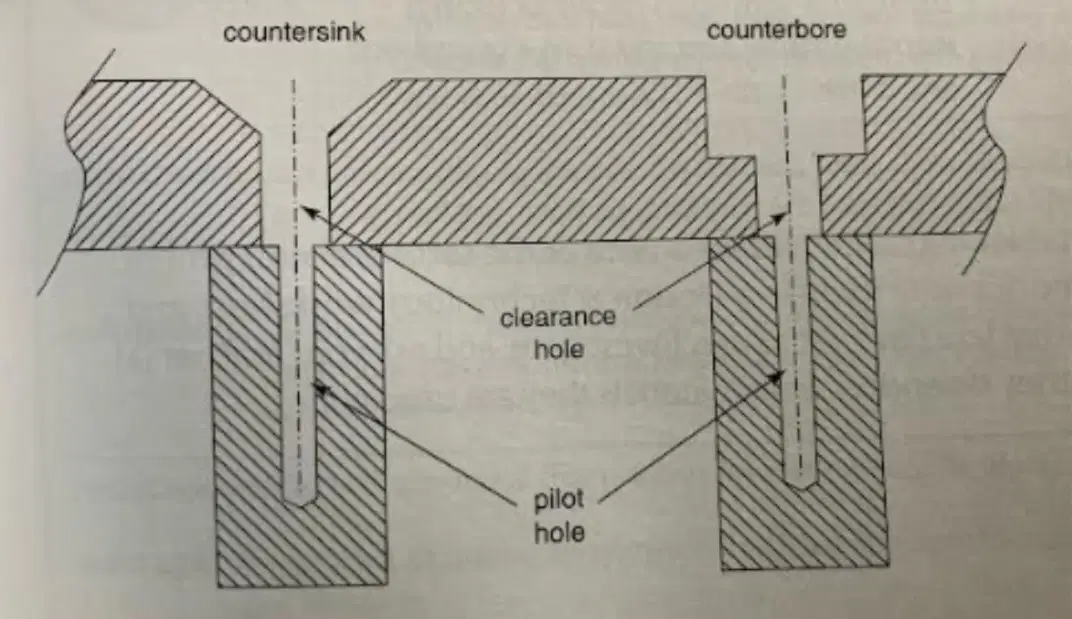
What is the purpose of a countersunk hole?
To accept a countersink headed screw with the head level with the surface.
To accept a cheese or fillister headed screw recessed below the surface.
To create a larger diameter recess at the top of a hole.
To drill a pilot hole for clearance.
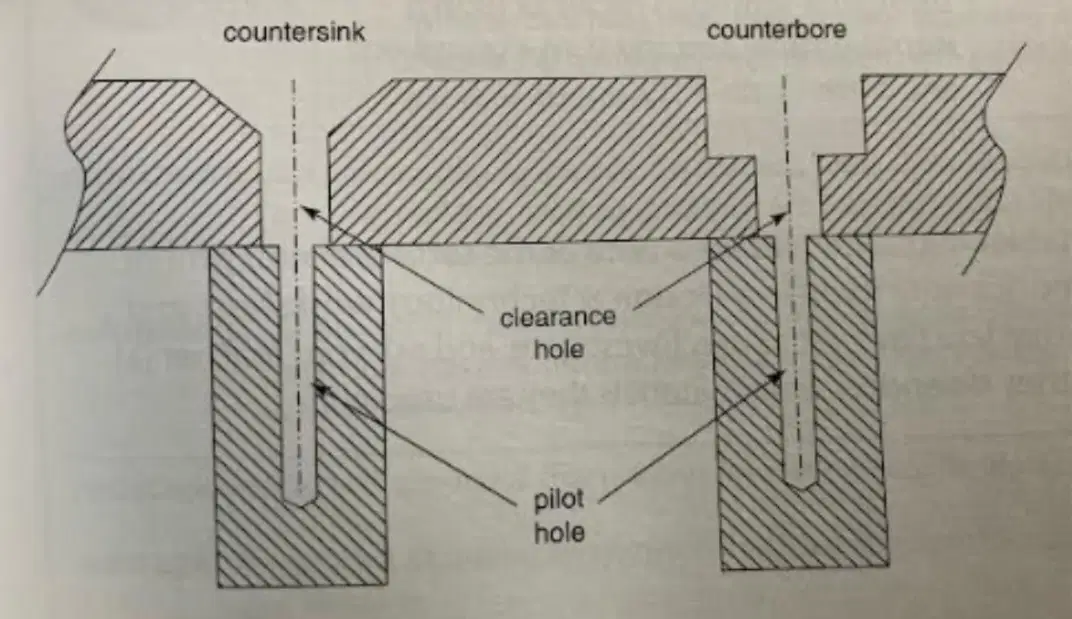
What is the typical angle of a countersunk hole?
45 degrees.
60 degrees.
90 degrees.
120 degrees.
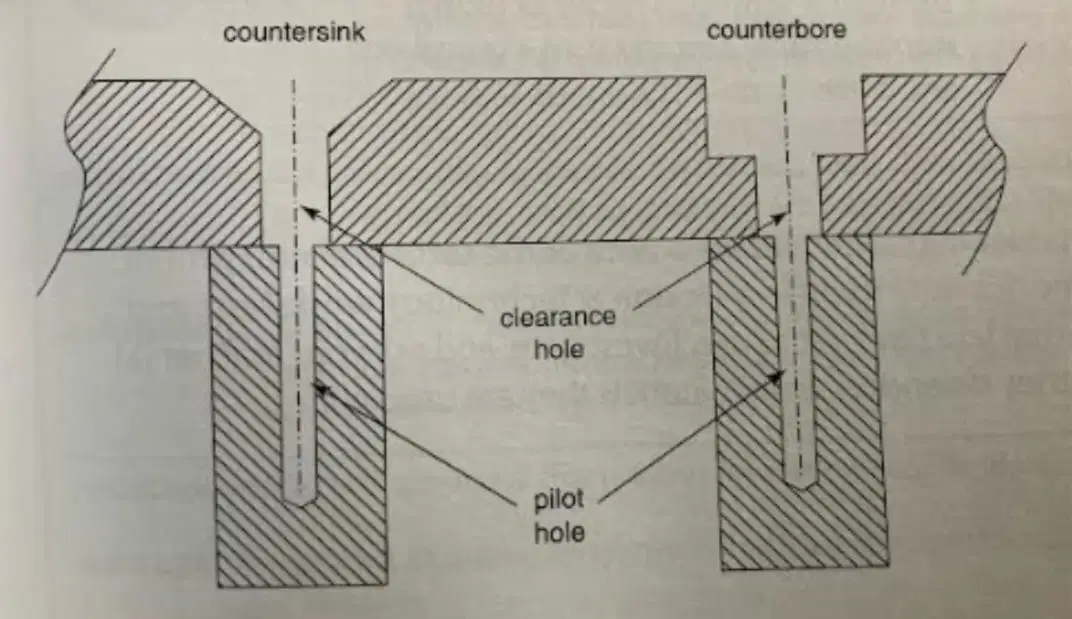
Which type of hole allows the screw head to be recessed below the surface?
Countersunk hole.
Counterbored hole.
Clearance hole.
Pilot hole.
What is the recommended speed for drilling into metal?
Fast
Slow
Medium
Variable
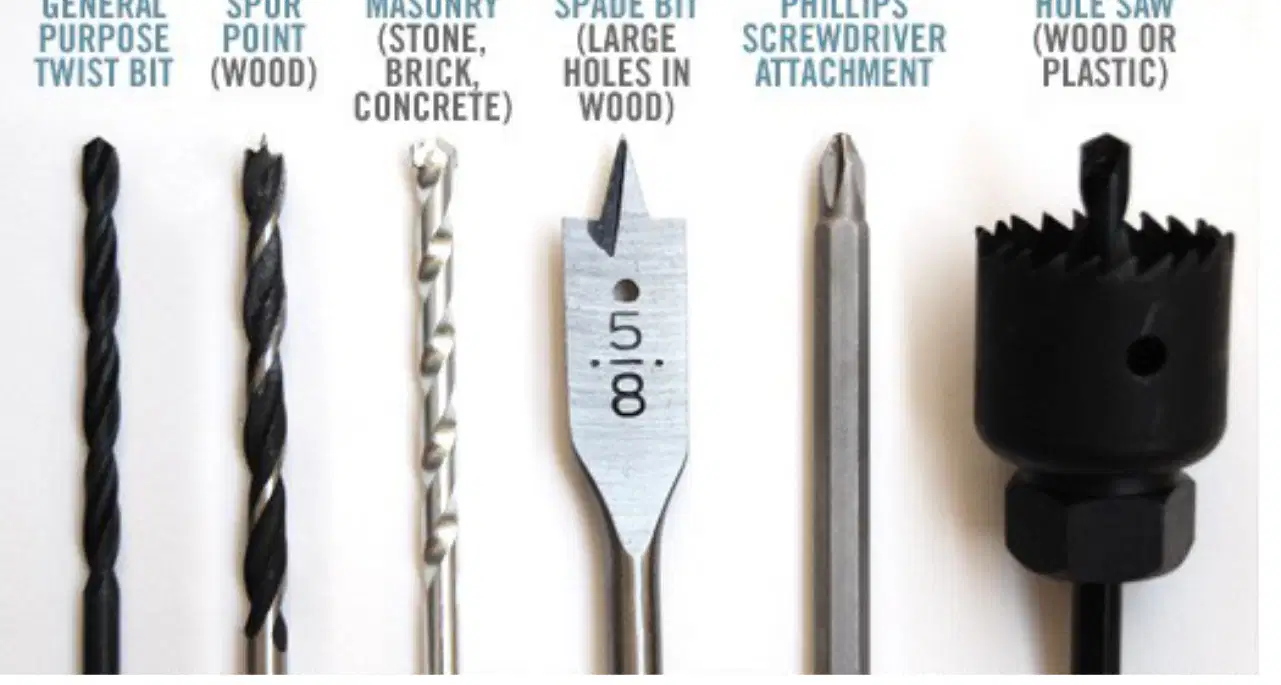
Which drill bit is specifically designed for creating large holes in wood?
Spade Bit
Hole Saw
Spur Point (Wood)
Masonry (Stone, Brick, Concrete)
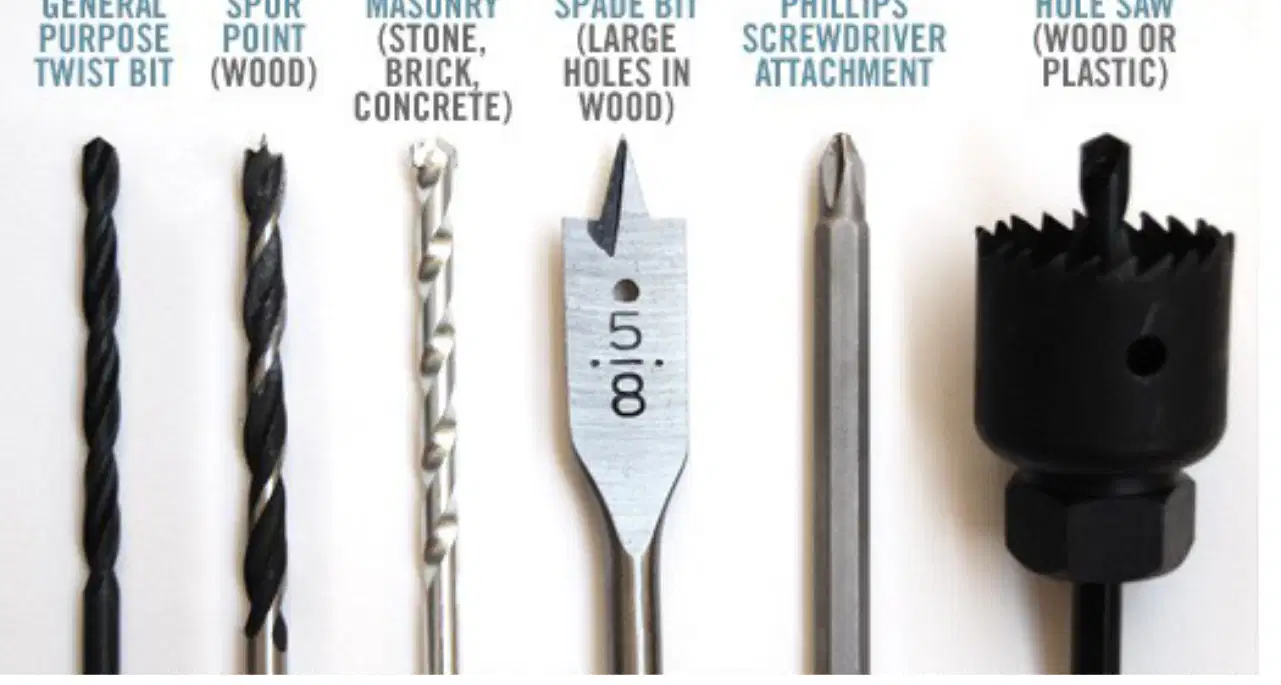
Which drill bit is used for attaching screws?
General Purpose Twist Bit
Phillips Screwdriver Attachment
Spur Point (Wood)
Hole Saw (Wood or Plastic)
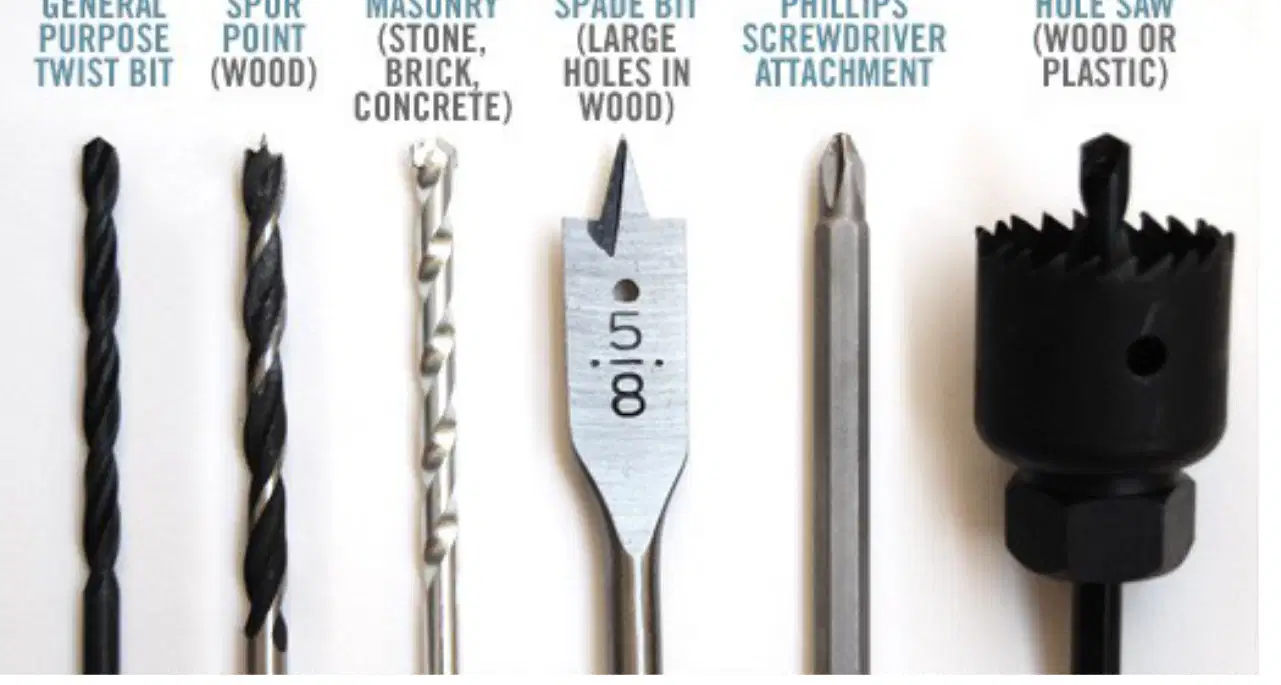
What type of material is the Hole Saw drill bit best suited for?
Metal
Wood or Plastic
Stone or Brick
Concrete

What is the primary purpose of using files in the wasting process?
To add color to a product
To apply a final shape or remove imperfections
To polish metal surfaces
To cut materials into smaller pieces
Which type of file is used to remove a lot of wood quickly but leaves a rough surface?
Needle files
Rasps
Sandpaper files
Emery boards

What are needle files primarily used for?
Removing large amounts of wood
Finishing jewelry
Cutting metal sheets
Sanding surfaces
Which of the following is NOT a characteristic of rasps?
Removes a lot of wood quickly
Leaves a rough surface
Used for finishing jewelry
Has a coarse texture
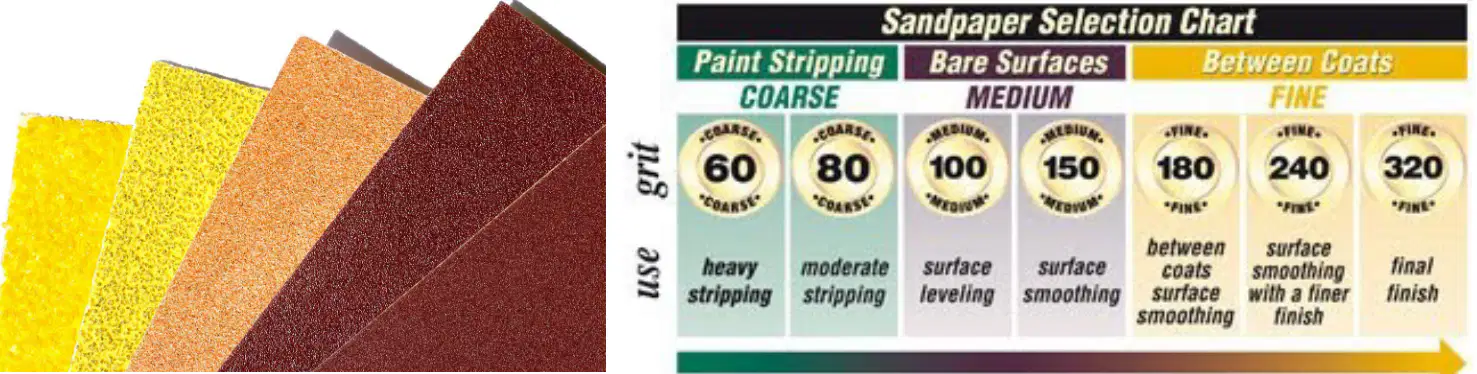
What is the purpose of using glass/sandpaper on wood?
To paint the wood.
To remove the rough surface and leave the wood smooth.
To apply varnish or lacquer.
To make the wood waterproof.
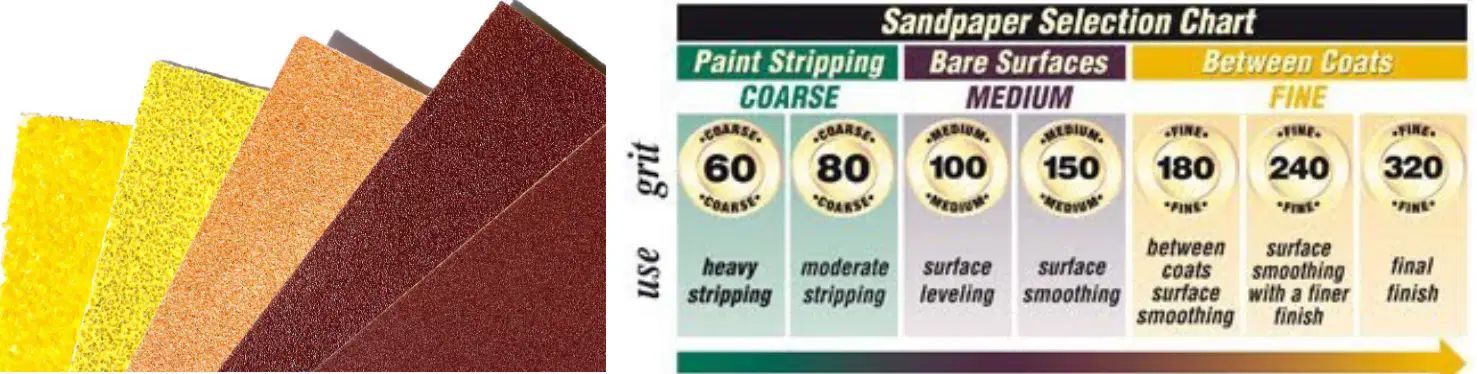
What does a lower 'grit' number on sandpaper indicate?
The sandpaper is less abrasive.
The sandpaper is more abrasive.
The sandpaper is smoother.
The sandpaper is used for painting.
What material is commonly used to give wood a final smooth finish after varnish or lacquer is applied?
Sandpaper.
Wire wool.
Paintbrush.
Glass sheet.
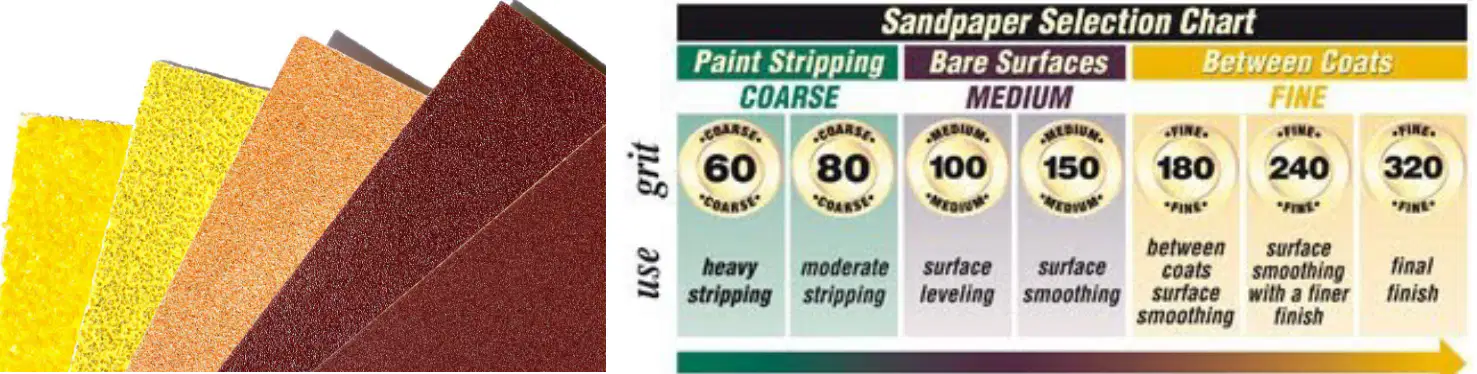
What is the term used to describe the process of using sandpaper to smooth wood?
Polishing.
Sanding it down.
Painting.
Coating.
What is used to give metals a smooth finish?
Wire wool
Sandpaper
Plastic sheet
Glass paper
Which product is used to achieve a shiny finish on high-quality metal items?
Silicon carbide
Emery cloth
Brasso
Wire wool
Why is glass paper not suitable for smoothing metals?
It is too expensive
It scratches the surface and is not durable enough
It reacts with metal polish
It is only used for wood
Which type of plastic is self-finishing and does not require abrasives other than for cut edges?
Styrofoam
Acrylic
Polyethylene
PVC
What is the best abrasive to use for a smooth finish on polymers?
Sandpaper
Wet and dry abrasives
Metal polish
Wire wool
What is the recommended process for shaping and finishing materials?
Sand to shape, file to finish
File to shape, sand to finish
Sand to shape, polish to finish
File to shape, polish to finish

