
 Worksheets
Unit 3: Paleo vs Neo, RVCs & PERSIAN Chart
Total questions: 36
Worksheet time: 3hrs 0mins

The Paleolithic Era is also known as...
The Bronze Age
The Neolithic Era
The Old Stone Age
The New Stone Age
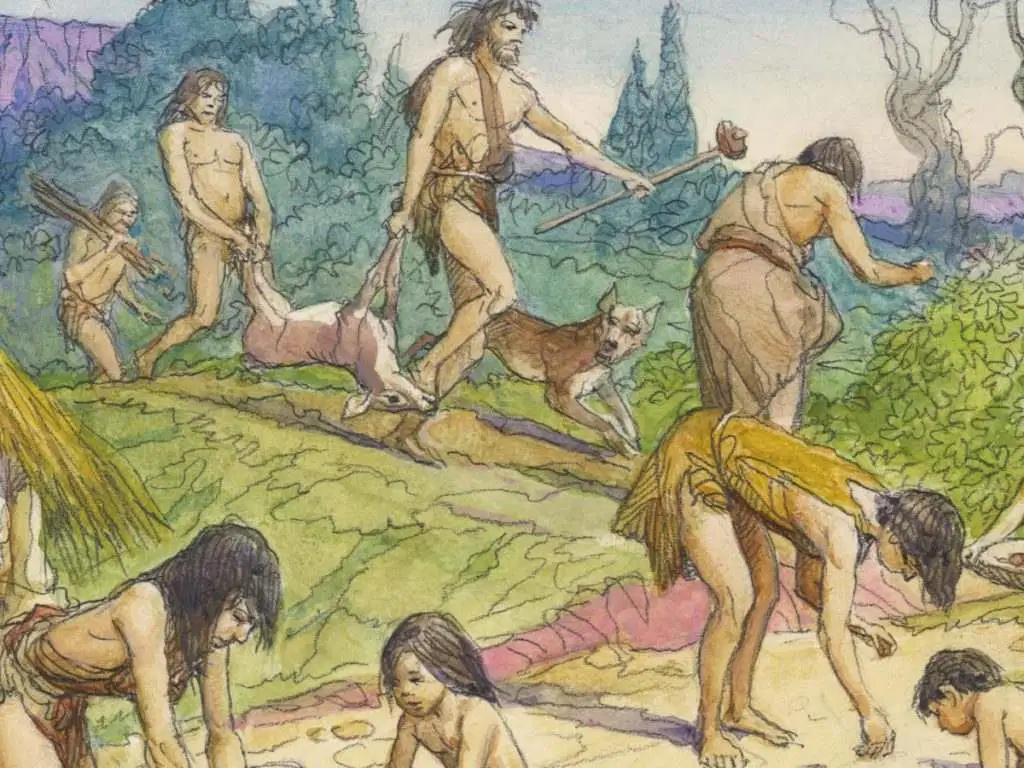
What is the definition of "nomadic"?
To stay in one place and grow food.
To believe in more than one god.
To control animal reproduction.
To move from place to place in search of food.

USING YOUR PLASTIC/REGIONAL MAP
Identify TWO REGIONS where early humans were 200,000 years ago
East and South Africa
East Asia and South Africa
North and South America
East Africa and East Asia

USING YOUR PLASTIC MAP
Identify TWO REGIONS where humans were located 70,000 years ago
South Asia & South America
Eastern Africa & East Asia
South Asia & East Asia
Southeast Asia & Oceania

Paleolithic People’s tools were made of what material? (Hint: What does "Paleolithic" mean?)
Iron
Glass
Bronze
Stone

Which of the folowing does NOT describe the Paleolithic Era?
Hunter-gatherers
Cave Painting
Permanent Settlements
Nomadic Life

On which continent did humans originate?
Asia
Europe
Africa
North America

True or False: Paleolithic people farmed for food.
True
False

Complete the folowing sentence with options below.
"Paleolithic humans were nomadic because..."
it was an easier lifestyle.
there was enough food to stay in one place and settle down.
they raised animals to support their families.
they followed herds of animals to new locations.

The Neolithic Era is also known as
The New Stone Age
The Old Stone Age
The Hunter-Gatherer Age
The New Bronze Age

The Neolithic Revolution is known as a turning point because...
humans learned how to use stones to make tools.
humans left small vilages for a nomadic life.
humans stopped farming and began hunting and gathering.
humans began domesticating plants and animals.
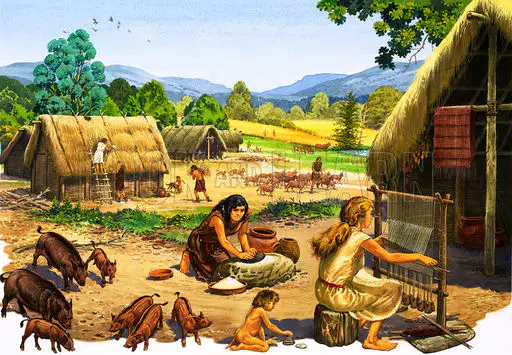
Job specialization is a result of the Neolithic Revolution because...
civilizations began to settle along rivers for the trade opportunities.
each person had to focus on hunting and gathering.
a few farmers could create enough food for the vi lage.
more jobs were needed as civilization got smaler.

Soil deposits were important to early civilizations because...
they provide sturdy ground to build large houses.
the soil was low quality and produced poor crops.
they took soil away from crops so they wouldn't get dirty.
the soil left behind from flooding was better for farming.

The taming of animals for personal use is also known as
domestication
domination
animalization
agriculture

Where did the first civilizations rise?
In deserts
In jungles
In river valleys
In mountain ranges

Which development happened FIRST?
Job specialization
Surplus of food
Complex civilizations
Domestication of plants and animals

Which sentence does not belong in the folowing paragraph about River Valey Civilizations?
Early civilizations often settled by rivers for a variety of reasons.
In conclusion, rivers offered early civilizations the stability and resources to help them grow into more complex societies.
Once early civilizations were able to harness the water through irrigation projects, they were able to domesticate plants to regularly grow crops.
Many civilizations were polytheistic, meaning they believed in many gods.

Based on the map below, we know that the earliest civilizations...
did not interact with each other.
lived as equals.
lived near the best soil deposits.
built pyramids.

Which sentence does not belong in the folowing paragraph about the Neolithic Revolution?
In conclusion, the Neolithic Revolution, a turning point in history, changed the way humans lived through improved access to food and creating permanent homes.
First off, the Neolithic Revolution saw the first examples of humans beginning to domesticate plants and animals on purpose.
Ancient Kemet built the pyramids to house the Pharaohs after they died to help them transition to the afterlife.
Once early civilizations were able to control plants and animals they were able to produce dependable crops on regular schedules, which improved the strength of the population.

Early civilizations settled by rivers because they provided fresh water to help their farms. '
Which section of the PERSIAN chart does this represent?
Political
Social
Near Geographic
Economic
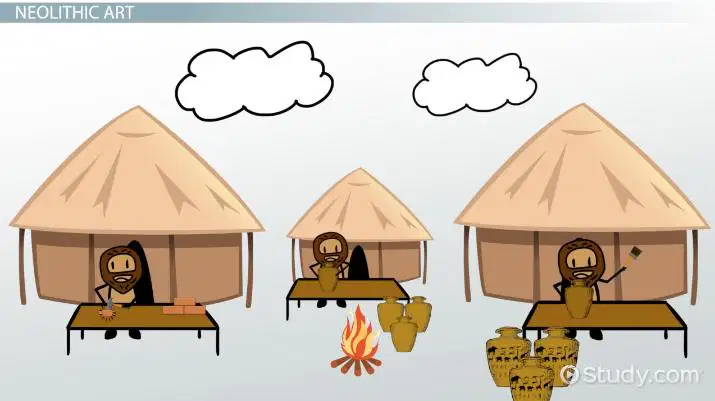
Type the word that means "a settled lifestyle where people stay in one place to grow crops and raise animals."
(a)
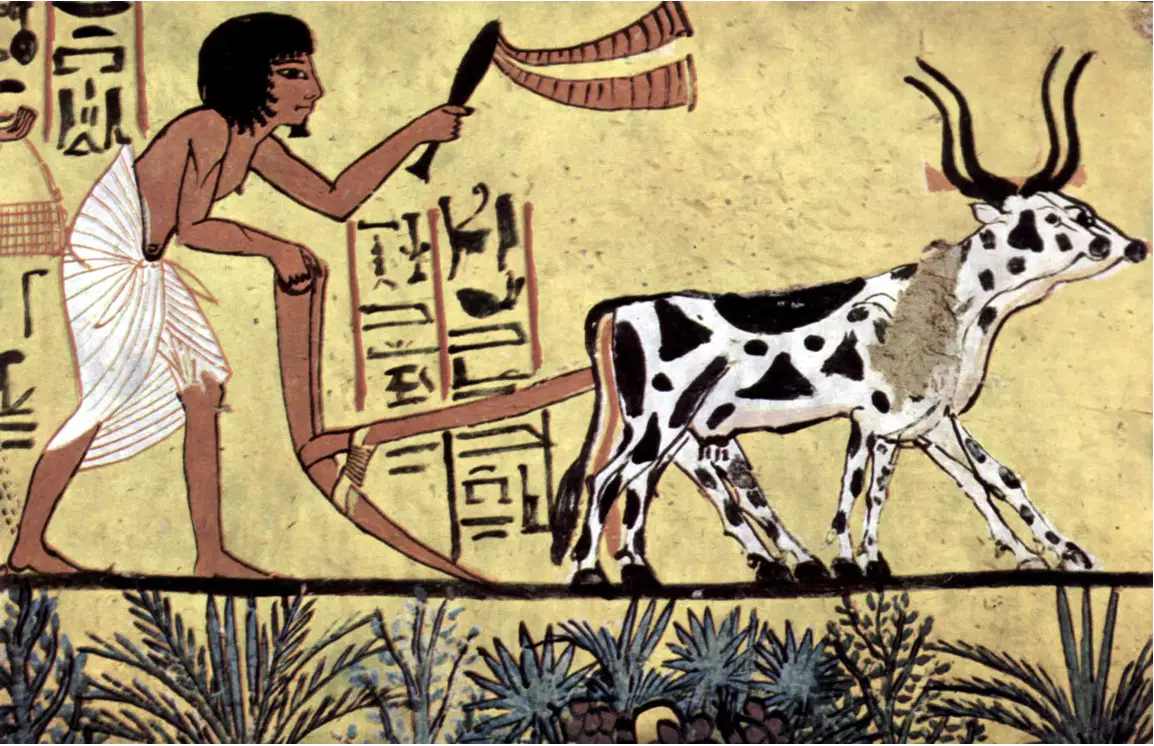
Type the word that means "the process of growing plants and raising animals to meet the needs of humans, usually closer to home"
(a)

Type the word that means "bringing water from its source to a new location, usually to farm or help with crops"
(a)
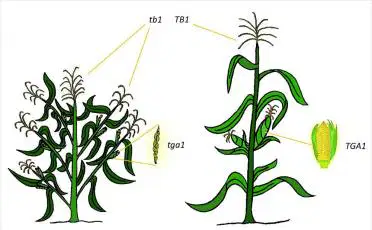
Type the TWO WORDS that mean "the act of growing plants or raising animals with the traits people want"
(a)

Type the TWO WORD phrase for "the old stone age, a time before written records and farming."
(a)
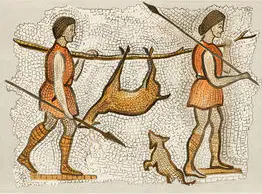
Type the name for the only job during the Paleolithic Era or Old Stone Age. All men and women worked for the same goal, so they were treated equally.
(Hint: it's two words joined in the middle by a hyphen "-")
(a)
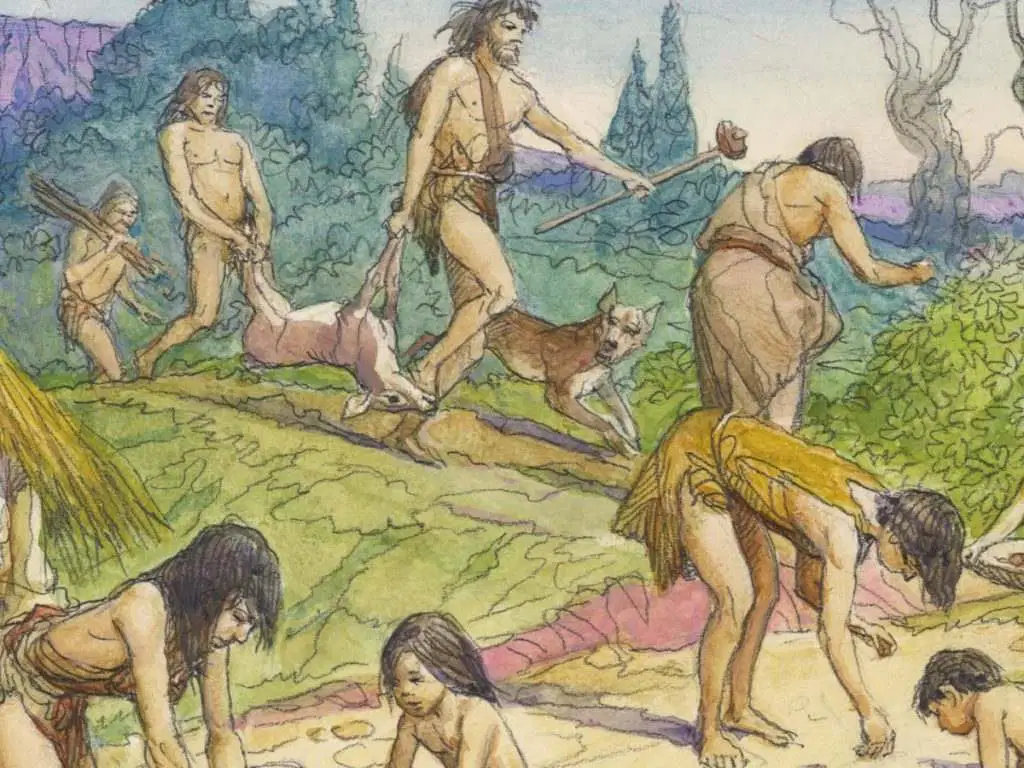
Type the name for the life that hunter-gatherers lived. They traveled from place to place in search of food, whether that was following herds of animals or local plant life.
(a)

Type the word that means extra or more than you need. As it relates to food and farming, once people reached a food (a) they were able to focus their time on other jobs and responsibilities in society.
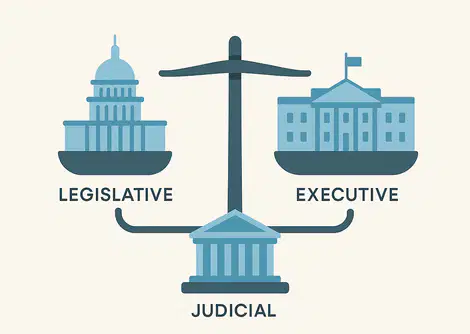
Which PERSIAN Chart section focuses on "government, laws, leaders, war, and empires"
Political
Economic
Social
Intellectual

Which PERSIAN Chart section deals with "trade, currency, businesses, and raw materials/natural resources"
Political
Economic
Religious
Arts/Architecture
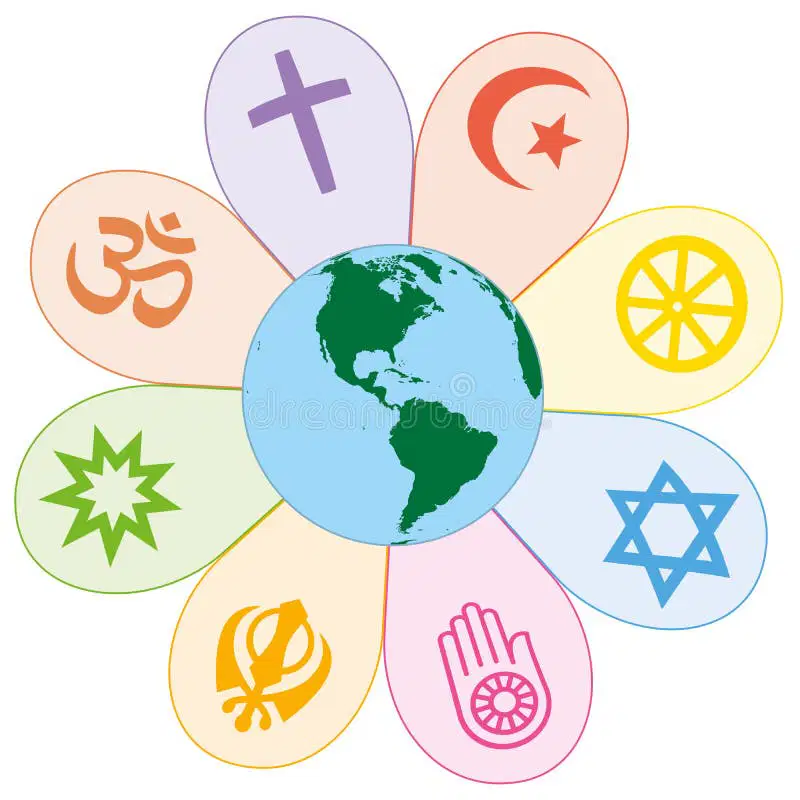
Which PERSIAN Chart section is best represented by "gods/goddesses, holy books, practices/rituals, and beliefs"
Religion
Political
Economic
Intellectual

Which PERSIAN Chart section is best represented by "class status, gender roles, levels of equality, race/ethnicity"
Religion
Political
Social
Intellectual

Identify which PERSIAN Chart section is best represented by "knowledge, philosophy, education, technology, and inventions"
Intellectual
Political
Social
Arts/Architecture

Identify which PERSIAN Chart section is represented by "literature, poetry, paintings, music, famous buildings, and methods of building"
Intellectual
Art & Architecture
Political
Social
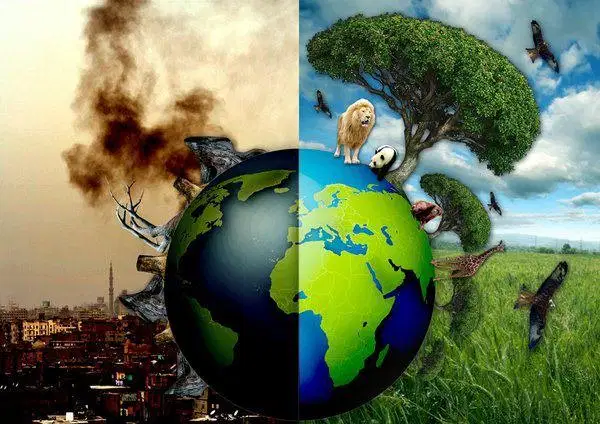
Which PERSIAN Chart section is best represented by "location, land/water features, climate/weather, human impact on nature, nature's impact on humans"
Near Geographic
Political
Intellectual
Social
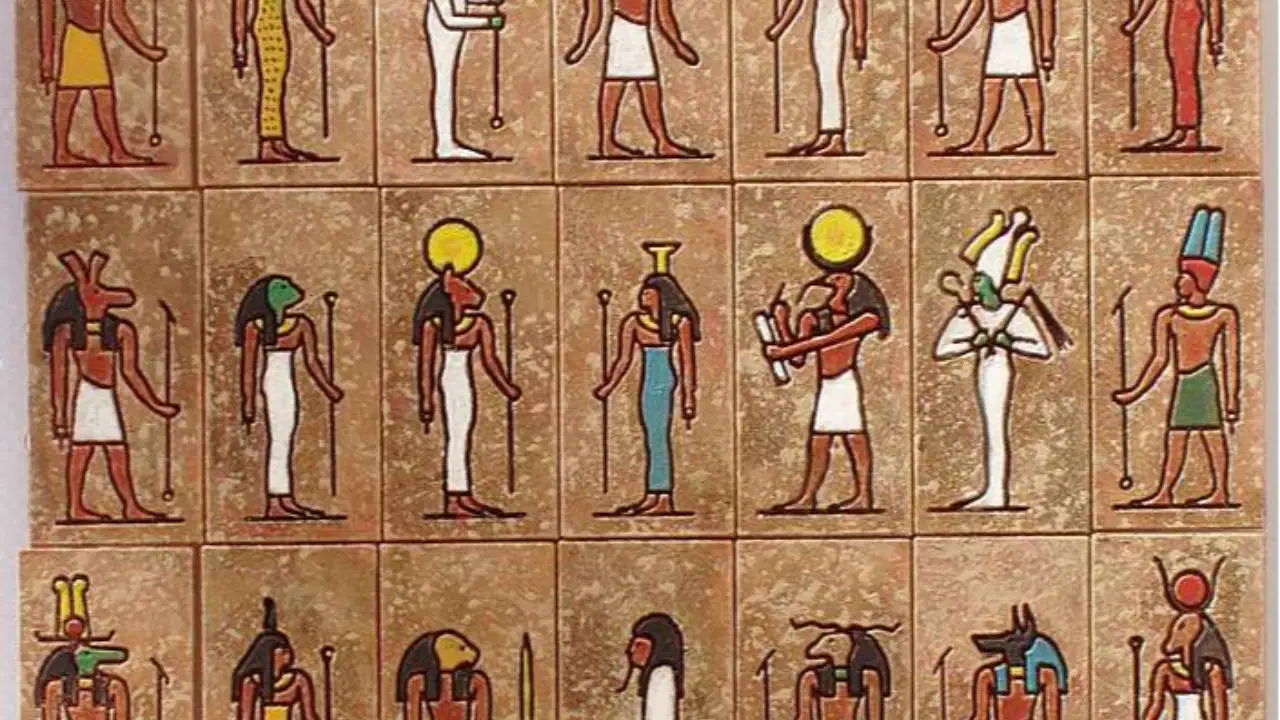
Which word means "the belief in many gods"? Most early civilizations had many gods and goddesses because they were used to help explain the forces of nature and the preferred values or behaviors within society.
Monotheism
Polytheism
Naturalism
Humanism

