
 Worksheets
Objectives Worksheet
Total questions: 96
Worksheet time: 48mins
Which of the following is a way to help ease emotional upsets?
Talking to someone you trust
Ignoring your feelings
Bottling up emotions
Avoiding all social contact
Helping children control and express anger can be achieved by:
Teaching them healthy coping strategies
Encouraging them to suppress their feelings
Ignoring their emotional outbursts
Punishing them for showing anger
Which of the following is NOT a way to develop a sense of competence?
Setting achievable goals
Seeking feedback
Avoiding challenges
Practicing new skills
Summarize 4 main qualities children look for in a friendship.
Trust, kindness, loyalty, and fun
Intelligence, wealth, popularity, and athleticism
Strictness, competitiveness, independence, and seriousness
Creativity, ambition, leadership, and discipline
Changes that occur in children’s attitudes toward their parents include:
Increasing independence and questioning of parental authority
Decreased interest in peer relationships
Greater reliance on parents for decision-making
Unchanging admiration for parents
Which of the following is NOT a way to help prepare children to make a good moral choice?
Teaching children about empathy and compassion
Encouraging children to think about consequences of their actions
Modeling good moral behavior for children
Ignoring children's questions about right and wrong
Between the ages of seven and ten, children generally progress from ______ to positive, or from unhappiness to happiness.
negative
neutral
passive
indifferent
At seven, children are typically withdrawn and ______.
quiet
noisy
aggressive
restless
Children may not want to talk about their feelings and can be particularly ______ to what others say about them.
sensitive
immune
indifferent
hostile
careless
Eight-year-olds generally have a more positive attitude than at age seven.
True
False
Eight-year-olds are willing to explore and become ______ about new things.
curious
careless
bored
afraid
Eight-year-olds enjoy spending time with ______ and are lively and active.
friends
books
teachers
pets
Eight-year-olds are often very ______ and exaggerate when telling stories or describing their feelings.
dramatic
quiet
indifferent
logical
reserved
What is one tip to keep small emotional problems from becoming large ones when living with children aged seven to twelve?
Be patient
Ignore them
Punish them
Yell at them
Fill in the blank: Children this age still do not have full _________. When they show anger, it is often due to the difficulty they are having adjusting to the changes in their bodies.
self-control
independence
maturity
confidence
What should you avoid when a child says nasty things to a parent or caregiver?
Taking it personally
Laughing at them
Ignoring them
Agreeing with them
What does the word 'nasty' mean in the context of a child saying things to a parent or caregiver?
Kind
Mean or unpleasant
Funny
Helpful
Explain why children aged seven to twelve may become easily upset according to the passage.
Because they are experiencing emotional changes during this age.
Because they have fewer friends than younger children.
Because they do not understand their own feelings.
Because they are not allowed to play outside.
What is one way to help the child maintain self-control?
Make sure children understand that their behavior must stay within acceptable limits.
Allow children to do whatever they want without guidance.
Ignore the child's behavior completely.
Encourage children to break rules to express themselves.
Actions that break the rules need to be ________.
dealt with
ignored
encouraged
celebrated
rewarded
If misbehavior is not serious, what may be enough to address it?
Talking it through may be enough.
Ignoring it completely may be enough.
Punishing severely may be enough.
Calling the police may be enough.
What should you do to listen attentively to a child?
Ask the child to explain what happened and why. There may have been a valid problem.
Interrupt the child and give your own opinion immediately.
Ignore the child's feelings and focus on the rules.
Tell the child to stop talking and listen to you instead.
Helping the child express his emotions is important, but it does not excuse inappropriately expressed anger.
True
False
What should you let the child know if you do not approve of their behavior?
Let the child know that you do not approve of the behavior, and discuss more appropriate options.
Ignore the behavior and hope it changes on its own.
Punish the child without explanation.
Let the child do whatever they want.
The emotional life of young children centers on the _______.
family
school
playground
neighborhood
People and events _______ the family have more impact on children's emotions than before.
outside
inside
beside
under
They gradually gain better control of their emotions and express emotions in more _______ acceptable ways.
socially
physically
mentally
financially
Depending on temperament and ________, some children become more angry than others.
environment
height
language
clothing
Their outbursts of anger are often eruptions that boil over and pass ________.
quickly
loudly
rarely
slowly
Many times, the outbursts have little to do with the ________ that seemed to trigger them.
event
person
place
reason
By age seven, children know that they should ______ their anger in socially acceptable ways.
express
ignore
hide
deny
Children should use words to talk about their anger instead of lashing out with ______ or words that can hurt others' feelings.
violence
laughter
music
gifts
Children know that they should seek a ______ to settle their differences or turn away from a situation.
compromise
argument
punishment
reward
What is the best method of teaching a child according to the passage?
Punishment
Good example
Ignoring
Yelling
It is important that parents do not respond to anger in the same way as children because:
it helps teach children healthy ways to manage emotions.
it shows children that anger should always be suppressed.
it encourages children to be more rebellious.
it makes children feel ignored.
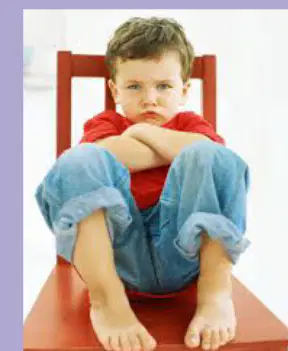
Teach the child how to gain _________?
self-control
money
height
popularity
Help the child learn how to ________ conflicts without fighting.
resolve
ignore
create
escalate
Fill in the blank: ________ the child for controlling anger.
Reward
Punish
Ignore
Scold
Some additional approaches to anger that may work are: Reward reinforces the value of self-control.
True
False
Help the child learn to use ________ physical activity to work off anger.
unrelated
appropriate
excessive
dangerous
What does the word 'nature' mean in this context?
The outdoors
The type or kind
The color
The size
Read the passage below and answer the question: Fear and Worry Seven-year-olds may still have some of their earlier fears, such as fear of the _____
dark
water
music
flowers
Read the passage below and answer the question: Fear and Worry By age ten, the fears of earlier years have often _____
disappeared
increased
multiplied
remained
Read the passage below and answer the question: Fear and Worry News reports of _____, fatal car accidents, or natural disasters can set off worries in some older children and preteens.
terrorism
sports events
school holidays
movie releases
Read the passage below and answer the question: Fear and Worry They may worry that these events could strike their _____
family
car
school
television
Read the passage below and answer the question: Fear and Worry Other worries at this age include how they are seen by their _____
peers
teachers
parents
siblings
Parents can help children deal with their fears and worries by:
Listening to them and offering reassurance
Ignoring their concerns
Telling them their fears are silly
Punishing them for being afraid
Anxiety is a state of uncertainty and fear, often about an unspecified but seemingly immediate _______.
threat
solution
reward
opportunity
A certain amount of anxiety, especially about specific problems or events, is _______.
normal
dangerous
unusual
harmful
Excessive anxiety can be a sign of an anxiety _______.
disorder
habit
symptom
phase
People who have an anxiety disorder often worry that something _______ is about to happen.
terrible
funny
ordinary
delicious
Which of the following is NOT a common physical symptom of anxiety?
Tension headaches
Nausea
Rapid heartbeat
Broken bones
Parents who are worried about their child's anxiety should:
Ignore the child's feelings and hope they go away.
Talk to their child and seek professional help if needed.
Punish the child for showing anxiety.
Encourage the child to hide their anxiety from others.
What is the feeling of wanting something another person has, to the point of feeling intense ______ for that person? (Fill in the blank with the correct word from the passage.)
dislike
admiration
joy
sympathy
Jealousy is a complex emotion involving the fear that a loved one might ______ someone else.
prefer
ignore
forget
dislike
A seven-year-old might feel jealous if a sibling gets more ______ from a parent. (Fill in the blank with the correct word from the passage.)
attention
food
money
punishment
Children between the ages of seven and twelve are often very ______ of their changing bodies, absorbed with their feelings, and anxious to fit in with their peers.
aware
unaware
careless
indifferent
For these reasons, jealousy is especially ______. (Fill in the blank with the correct word from the passage.)
common
rare
dangerous
unusual
What is one of the most important changes that occurs between the ages of seven and twelve?
Learning to read
Development of a sense of self
Physical growth
Making new friends
Your sense of self is your idea of who you are, based on your emotions, personality, and the ways you ______ the world.
perceive
ignore
destroy
forget
What does 'sense of self' also refer to?
Who you are apart from your friends and peers
Your favorite activities
Your physical appearance
Your school grades
As children grow, they develop the ability to think in ______ terms.
abstract
literal
physical
concrete

Based on the diagram 'A Positive Sense of Self', which of the following is NOT a component of a positive sense of self?
Leadership
Compassion
Physical strength
Integrity and moral courage
Children between the ages of seven and twelve recognize that they have a ______ that is uniquely theirs.
personality
toy
pet
friend
They see themselves as a mixture of different ______.
qualities
colors
cultures
shapes
Some of those qualities are based on their ______ appearance, others on talents and abilities.
physical
mental
social
emotional
They also see that they behave differently in different ______.
situations
colors
animals
numbers
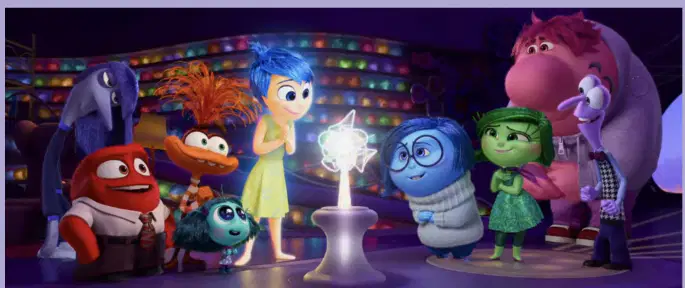
Based on the passage, which of the following is NOT a factor in a child's sense of self?
A) Personality
B) Qualities
C) Physical appearance
D) Favorite food
According to theorist Erik Erikson, the early school years mark the stage when children strive to develop a sense of _________
competence
autonomy
identity
intimacy
A sense of competence is:
the feeling of being capable and effective in what you do
the desire to be liked by others
the ability to control others
the need for constant supervision
Children gain a sense of competence by ________ and improving a wide range of skills.
acquiring
ignoring
forgetting
avoiding
Which of the following is NOT mentioned as a classroom skill in the passage?
Reading
Math
Writing
Dancing
Outside the classroom, children may develop skills in sports, ________, art, or crafts.
music
furniture
mathematics
history
Erikson believed that as children refine these skills, they see themselves as ________ and this increases their self-esteem.
competent
dependent
confused
isolated
A child's feelings about his or her competence can have a real effect on the choices he or she makes and on ________ later in life.
satisfaction
height
clothing
weather
Children with high self-esteem are more willing to try new things and to ________ at difficult tasks.
persevere
quit
complain
avoid
Erikson believed that children who experience repeated failures and disappointments begin to see themselves as ________ and incompetent.
inferior
confident
creative
independent
Children's beliefs about their competence can greatly affect their choices and overall ________.
happiness
height
wealth
popularity
Erikson believed that it is essential that children ages seven to twelve experience more ________ than failures.
successes
punishments
disappointments
challenges
Sound relationships with ______ are an important part of developing a sense of competence.
peers
teachers
siblings
parents
As children grow from seven to twelve, their ______ become more important to them.
peers
parents
teachers
pets
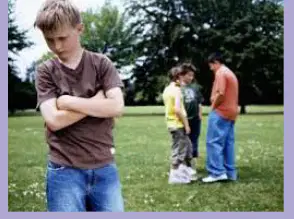
Children begin to let go of their total reliance on parents and start to depend on ______ for help and reassurance.
friends
teachers
siblings
neighbors
Children ages seven to twelve are going through other changes that prepare them for the learning and ______ that lead to competence.
mastery
failure
confusion
delay
boredom
Their brains develop ______ that allow their memory to expand.
connections
cells
organs
muscles
Increased memory allows children to learn and ______ more.
understand
forget
ignore
sleep
According to the passage, one way to help seven- to twelve-year-olds develop a sense of competence is to help children focus on their _________.
strengths
weaknesses
mistakes
fears
According to the passage, one way to help seven- to twelve-year-olds develop a sense of competence is to provide _________
opportunities
punishments
restrictions
distractions
According to the passage, one way to help seven- to twelve-year-olds develop a sense of competence is to encourage _________.
learning
complaining
avoiding challenges
ignoring feedback
procrastinating
According to the passage, one way to help seven- to twelve-year-olds develop a sense of competence is to establish ________ goals.
reachable
impossible
vague
unrealistic
According to the passage, one way to help seven- to twelve-year-olds develop a sense of competence is to recognize _________.
success
failure
effortlessness
indifference
According to the passage, one way to help seven- to twelve-year-olds develop a sense of competence is to focus on the _________
positive
negative
average
external
An important part of a child's growing sense of self is ______ identity.
gender
cultural
economic
political
Gender identity is the ______ of being a male or female.
awareness
appearance
preference
activity
It is a complex process that begins in early childhood and is usually firmly fixed by the age of ______.
four
six
eight
ten
It becomes stronger in middle childhood because children become aware of their ______ and of gender differences.
bodies
friends
feelings
families

The image of a boy and girl represents which concept in the context of developing a sense of gender?
The development of gender identity
Physical growth and development
Learning social skills
Understanding family roles

