
 Worksheets
Brain, Blood Flow, Immunity
Total questions: 35
Worksheet time: 21mins


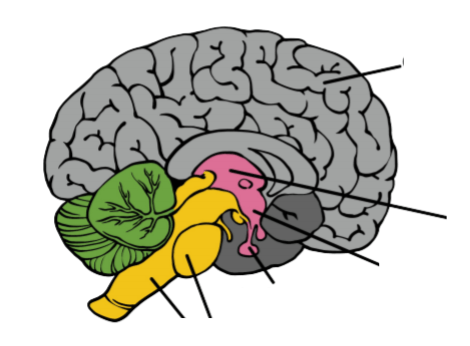
What structure is grey in this picture?
Cerebrum
Cerebellum
Brain Stem
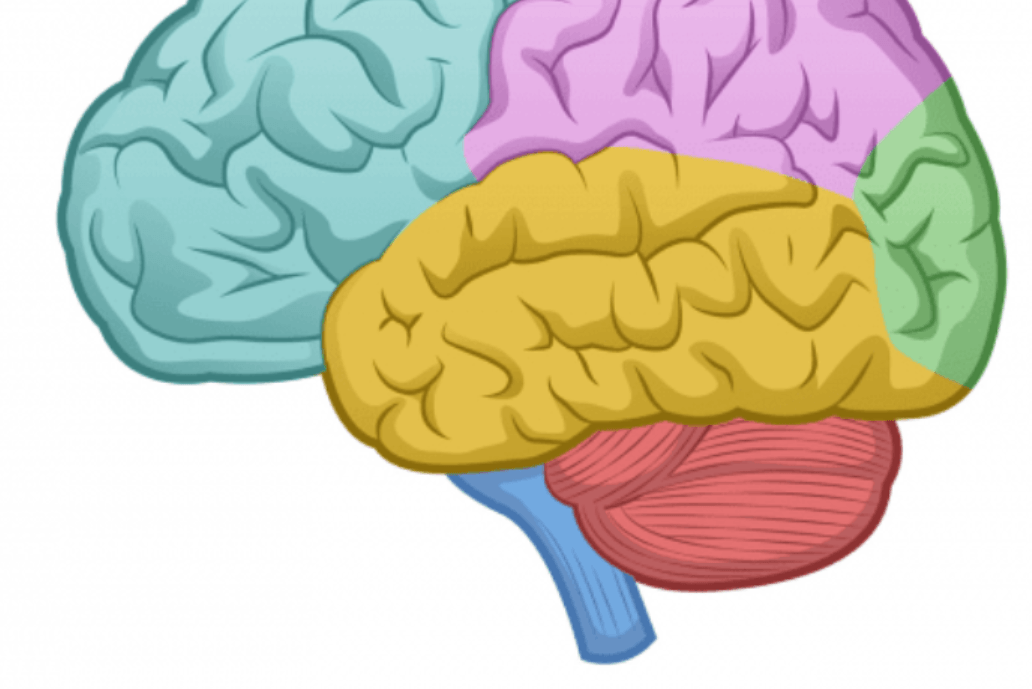
What structure is red in this picture?
Cerebrum
Cerebellum
Brain Stem
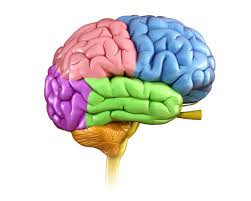
What lobe is pink in this picture?
Frontal
Parietal
Temporal
Occipital
What lobe is green in this picture?
Frontal
Parietal
Temporal
Occipital
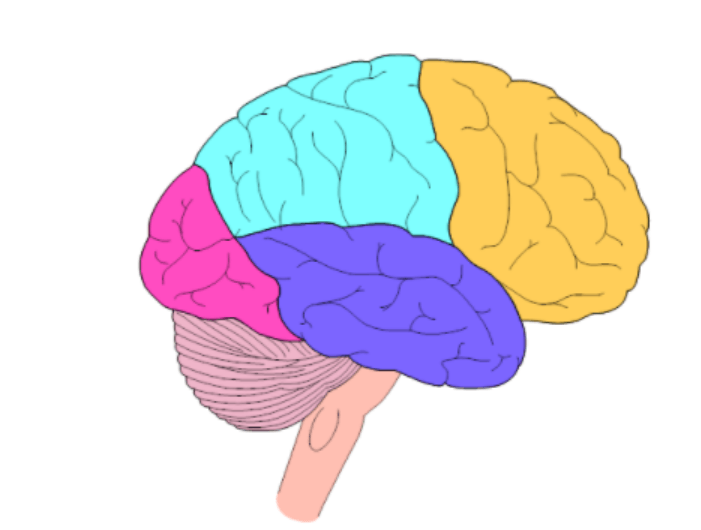
What lobe is bright pink in this picture?
Frontal
Parietal
Temporal
Occipital
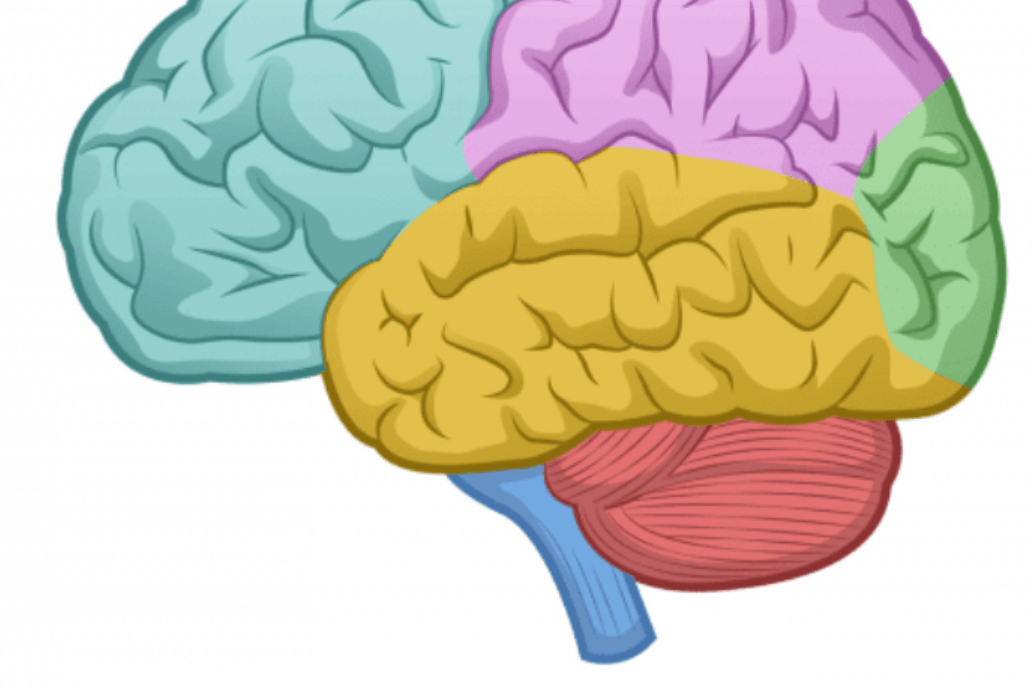
What structure is blue in this picture?
Cerebrum
Cerebellum
Medulla Oblongata
The total amount of blood in your body is called
blood pressure.
blood viscosity.
blood volume.
heart rate (pulse).
The amount of force placed on the walls of your arteries as your heart pumps is called
blood pressure.
blood volume.
blood viscosity.
heart rate (pulse).
Viscosity refers to the thickness of blood.
True
False
A high viscosity of blood causes an increased resistance in the blood vessels and leads to slow blood flow.
True
False
Pressure on the walls of the artery due to high blood pressure (hypertension) can lead to
blood vessels decreasing in size
blood vessel diameters to decrease
tears in the blood vessel
tears in the pulmonary area
Hypertension is
brain embolism
high blood pressure
atherosclerosis
blood viscosity
As plaque build up occurs, arteries get
more elastic
shorter
more narrow
wide open
If blood viscosity increases, then blood flow ____________
increases
moves faster
decreases
stops, starts, stops
A pathogen is
a disease
a disease-causing plant
a disease-causing animal
a disease-causing microorganism (bacteria, virus)

What do antibodies bind to?
antigens
antitoxins
phagocytes
lymphocytes
True or false: an allergic reaction is a response to something that would be harmful to your body no matter what.
True
False
What is a function of the IMMUNE system?
To transport materials like oxygen to our cells
To break down food and absorb the nutrients
To fight off diseases with white blood cells
To control the body using the brain

Medicine that is taken when a person is sick from an infection caused by BACTERIA is called _________________.
antibiotics
antibodies
disinfectant
microbes
What type of cell produces antibodies?
macrophage
cytotoxic T cell
B cell
Helper T cell
What is an antigen?
a protein that triggers an immune response
"hand cuffs" for pathogen
substance made by B cells
chemical that makes the immune cells divide
Which cell will "eat" pathogens?
helper T cell
B cell
macrophage
cytotoxic T cell
Vaccinations will
give you a deadly disease
give you autism
give you memory cells
give you autoimmune diseases
Each antibody is specifically made to attach to only one type of antigen
True
False
Antibiotics
only destroy bacteria
only destroy viruses
can destroy both bacteria and viruses
Vaccines work because they
make your body produce memory cells
give you antibodies directly
give you hydration
give you the disease

Which structure is made by the human immune system to fight a pathogen?
1--the antibody
2--the antigen
3--the pathogen
Which of the following is involved in a specific immune response?
B Cells
body aches
antibiotics

How do phagocytes/macrophages kill pathogens?
By consuming them
By wrapping them up in protein strings
By releasing antigens
By ANY MEANS NECESSARY


