
 Worksheets
level 1 unit 101 Waste Management in Construction Quiz
Total questions: 20
Worksheet time: 10mins

Which of the following is an example of waste as defined in the material?
A brand-new product ready for sale.
A contaminated substance requiring disposal.
A raw material used in manufacturing.
A surplus material that is still usable.
What is controlled waste primarily composed of?
Building and demolition waste, household industrial, and commercial waste
Only household waste
Only industrial waste
Only commercial waste
What is an example of putrescible waste?
Concrete
Timber
Rubber
Gun wash
Which of the following is an example of special waste?
Food
Concrete
Gun wash
Paper
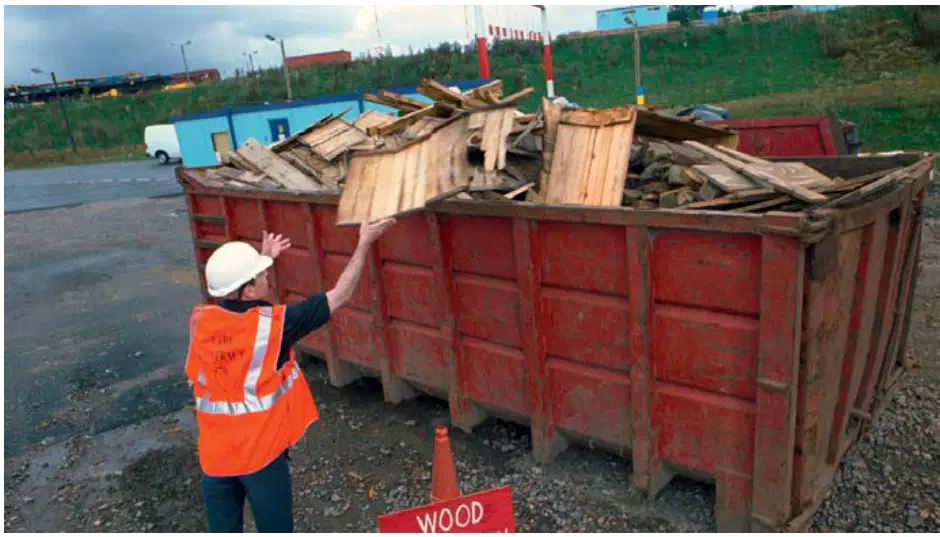
What is one suggested activity to help reduce waste in construction according to the task?
Discuss ways to reduce waste in construction.
Create a blueprint for a building.
Analyze the cost of construction materials.
Design a new construction tool.
What is required if you deposit, recover, or dispose of controlled waste?
A proper transfer note
A licence
An honest description of the waste
A receipt from the site receiving the waste
What must a building contractor provide to the site receiving their waste?
A receipt of payment
A proper transfer note
A licence to carry waste
A description of the site
What must the transfer note contain?
A detailed list of waste types
An honest description of the waste
A receipt of disposal fees
A licence number
What is a better description for waste management than 'general building waste'?
Waste timber
Waste metal
Waste plastic
Waste chemicals

Which material shown in the images is often recycled for use in roofing?
Copper
Plastic
Concrete
Styrofoam

What is a common use for recycled rocks in construction?
Road base
Electrical wiring
Insulation
Paint
What is one of the key requirements when setting up skips for waste disposal?
Place skips where lorries can reach them.
Cover skips with a tarp.
Ensure skips are painted yellow.
Place skips near manholes.
Why should access to skips be kept clear?
To allow easy removal by the carrier.
To prevent fire hazards.
To avoid blocking manholes.
To ensure skips are visible at night.
What happens if skips are overloaded?
The carrier may refuse to remove them.
The skip may collapse immediately.
The skip becomes fireproof.
The skip becomes easier to transport.
Why should fires not be lit in skips?
Fire weakens the structure of the skip.
Fire makes the skip heavier.
Fire attracts pests.
Fire makes the skip harder to unload.
Why should skips not cover manholes or drains?
To prevent blocking access to essential infrastructure.
To avoid fire hazards.
To ensure skips are visible at night.
To make skips easier to unload.
Under which act does the Environment Agency have the duty of policing environmental pollution?
Environmental Protection Act 1990
Health and Safety Act 1974
Pollution Control Act 1985
Environmental Conservation Act 2000
What is a mini tipping skip used for?
Transporting hazardous waste
Collecting and tipping small amounts of waste
Storing recyclable materials
Segregating waste on construction sites
Which of the following is an example of re-usable site materials?
Concrete, wood, metal, and bricks
Hazardous waste
Silt and asbestos
Mini tipping skips
What is recycling?
The process of reusing materials to reduce waste
The segregation of hazardous waste
The disposal of waste into landfill sites
The transfer of waste between parties

