
Font size
 Worksheets
American Homefront during WWI
Total questions: 18
Worksheet time: 13mins
Which organization was created by Congress in 1917 to persuade the American public to support World War I?
War Industries Board (WIB)
Committee on Public Information (CPI)
Federal Reserve Board
Department of War
What was a key role of the War Industries Board during WWI?
Drafting soldiers for the army
Regulating and persuading businesses to make wartime goods like weapons and ammunition
Writing newspaper articles to praise the war effort
Changing German-sounding last names to American ones
Which statement best explains why war bonds—called “liberty bonds”—were sold to the public?
To reduce immigration from Europe
To pay government officials’ salaries
To fund wartime expenses with the promise of repayment with interest over time
To replace traditional German foods with American alternatives
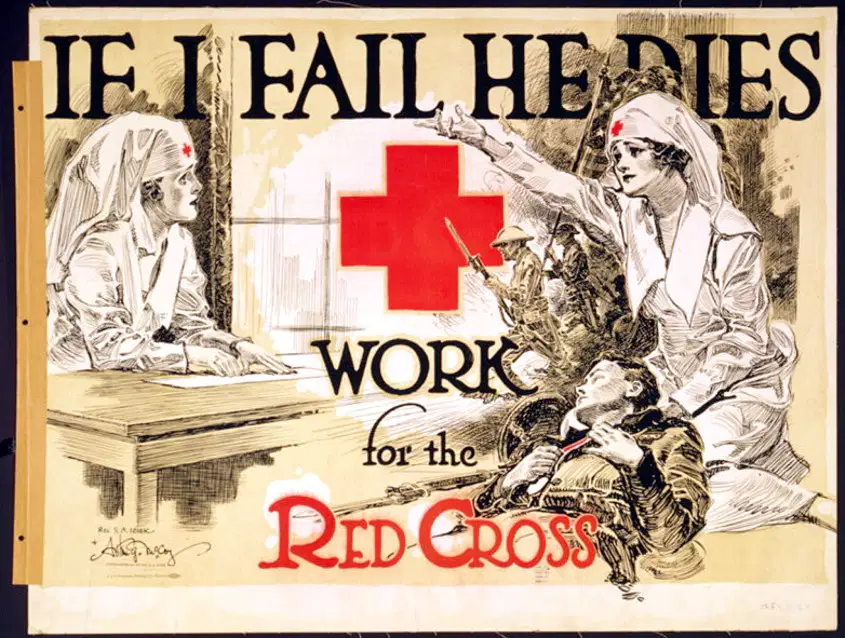
This poster warns that disaster will follow if citizens ignore instructions. Which propaganda method is being used here?
Bandwagon
Plain Folks Appeal
Fear
Name Calling

Which example best illustrates the Bandwagon appeal in WWI propaganda, as shown in this poster?
Urging citizens to join because "all other Americans are doing it" and people want to be on the winning side
Depicting enemy leaders with insulting labels to create a negative opinion
Showing ordinary workers to convince viewers that the idea fits their daily lives
Threatening consequences if instructions are not followed
Why did the United States pass the Selective Service Act in 1917?
To reduce the size of its military after entering World War I.
To expand the military quickly by drafting eligible men ages 21–30 for service.
To end anti-war protests by banning public demonstrations.
To provide tax incentives for voluntary enlistment only.
Congress passed the Espionage Act of 1917 which made it a crime to "incite or attempt to cause insubordination in the military and naval forces or to obstruct the recruitment or enlistment of persons into the military service (the draft) of the United States..."
Which statement BEST describes the Espionage Act of 1917?
It guaranteed absolute freedom of speech in wartime.
It abolished the Selective Service and ended conscription.
It applied only to foreign spies operating outside the United States.
It criminalized efforts that encouraged draft resistance or military insubordination.
The Sedition Act of 1918 states: "whoever shall willfully utter, print, write, or publish any language intended to incite, provoke, or encourage resistance to the United States ... shall be punished by a fine of not more than $10,000 or the imprisonment for not more than twenty years, or both."
Based on this excerpt, which action could be punished under the law?
Privately disagreeing with government policy without sharing it publicly.
Publishing language intended to encourage resistance to the U.S. government or the war effort.
Voting against a wartime measure in Congress.
Serving as a conscientious objector with official status.
Read Justice Holmes’s opinion excerpt from the Schenck v. U.S. case in 1919: the question is whether words are used "to create a clear and present danger that they will bring about the substantive evils that Congress has a right to prevent."
Which principle from the Supreme Court’s ruling is emphasized?
Speech may be limited when it creates a clear and present danger to national interests during wartime.
Speech is always protected regardless of context.
Only written publications can be restricted, not spoken words.
The Court held that draft resistance is a protected political opinion.
Based on the description of Schenck’s actions and the language associated with the Espionage Act, which conclusion aligns with the Court’s decision about his guilt?
He was not guilty because the First Amendment protects all speech without limits.
He was guilty because distributing anti-draft pamphlets could incite resistance, posing a clear and present danger during wartime.
He was not guilty because the Sedition Act only applied to members of the military.
He was guilty only if the pamphlets were mailed overseas to enemy nations.
Which of the following was NOT a war measure taken by the U.S. government during World War I?
Drafted all U.S. citizens, men and women, ages 21-30 to enlist in military service
Created the Committee on Public Information to sway public opinion in favor of the war effort
Rationed food and materials to prevent waste and ensure the troops were adequately supplied
Sold war bonds to help financially support the war with the help of the American people
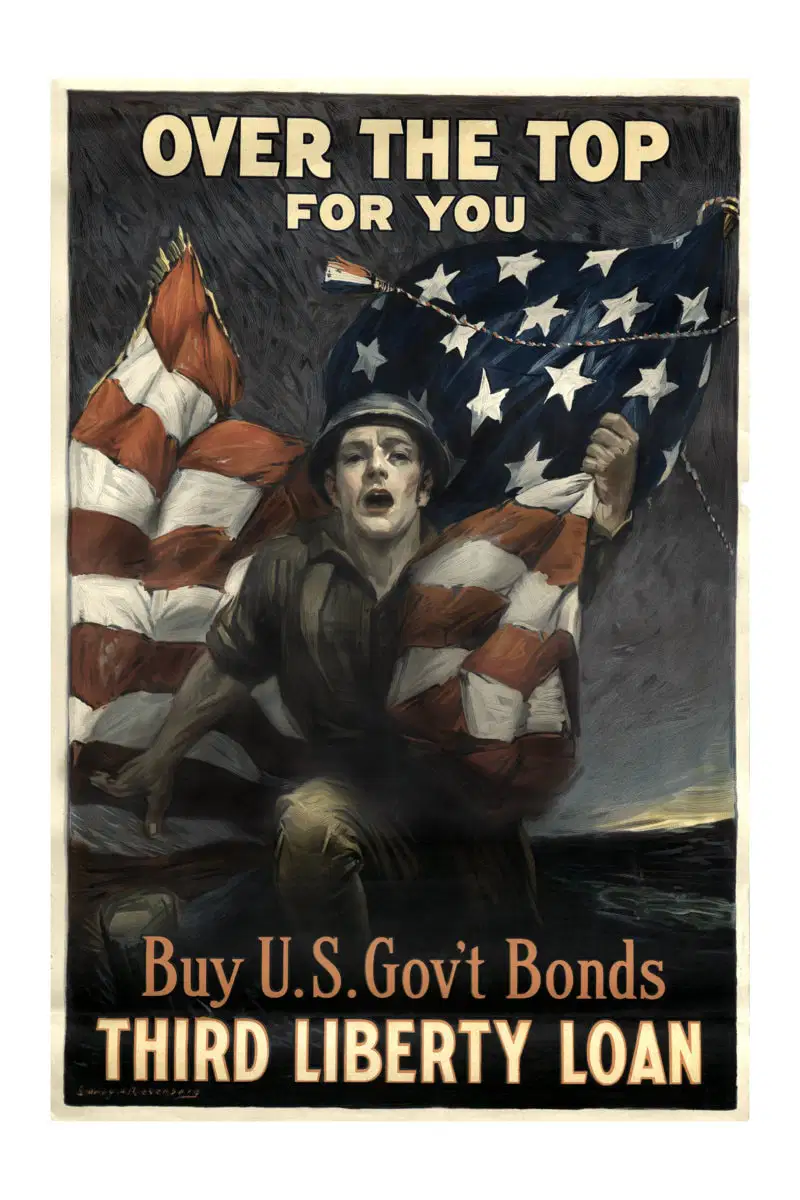
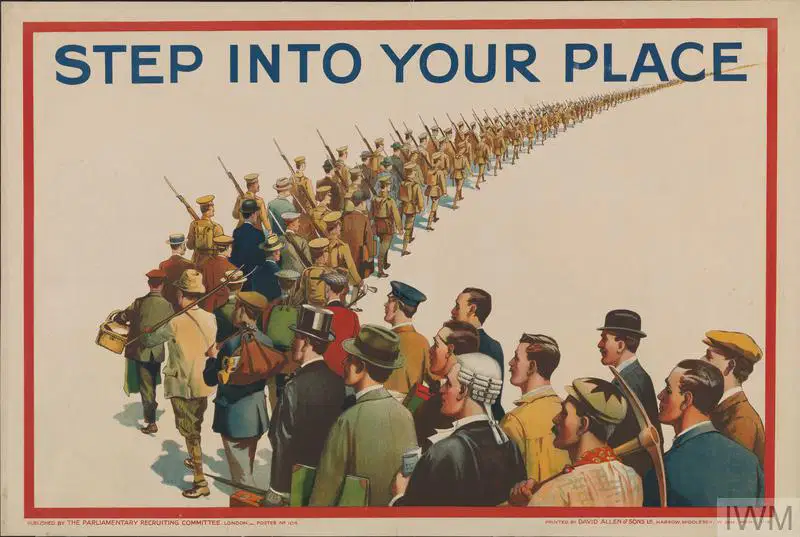
Organize the following propaganda posters with the proper goal - use your handout for assistance!


Although African American soldiers served proudly in WWI, they experienced
segregated units, racism, and inequality.
fighting along side all Americans as they defended democracy
freedom from inequality serving under the American flag.
the war from afar since they were not used during combat.
How did the United States government increase the availability of critical materials and supplies for the war effort?
Limited trade with hostile governments
Encouraged civilians to join the Red Cross
Recovered and reused enemy weapons and armaments
Imposed civilian rationing of needed products and supplies
Racial tension will increase in the United States as a lot of southern black men and women move up North to fill good paying factory jobs. This is called the ______________ _____________.
The Upward Movement
Exodus Mobility
The Great Migration
The Nomadic Move
Which of the following BEST describes how World War I affected American women in the workforce?
Because they were not allowed to enlist, the war had a limited impact on women.
The war had a huge, lasting effect on women’s employment and education opportunities.
As men left their old work to fill the demand for soldiers, women were needed to take their place in the workforce.
When the war was over, the federal government encouraged women to stay in the workforce by offering low interest business loans.
Women did all the following during World War I EXCEPT:
answered telephones near the front lines and translated messages
volunteered as nurses and ambulance drivers for the Red Cross
worked in factories building weapons and ammunitions
Served on the front lines in the armed forces along men in combat
Why were the Espionage Act of 1917 and the Sedition Act of 1918 used by President Woodrow Wilson's administration during World War I?
to silence critics of the war effort
to put German Americans in camps
to remove communists from government positions
to discourage congressional support for the war effort

