
 Worksheets
Drawing Conclusions and Making Inferences
Total questions: 12
Worksheet time: 6mins
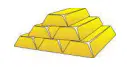
Use what you already know and what the story says to make inferences. Read the story: The Greedy Man — There once was a very greedy man who sold everything he owned and bought a brick of gold. He buried the gold brick behind a hut that was across the road from his shabby old house. Every day, the greedy man went across the road and dug up his gold brick to look at it. After a while, a workman noticed the greedy man going across the road every day, and decided to follow him. The next day, the greedy man dug down for his gold brick, but the hole was empty. He pulled at his hair, and cried out in sorrow. “My beautiful gold brick!” he wept. A neighbor came running, and asked the greedy man what had happened. When the greedy man told him, the neighbor just shrugged his shoulders. “Why be so sad?” said the neighbor. Just go get a rock and put it in that hole, and pretend that it is gold. It will do you as much good as the gold did. Why did the greedy man bury his gold brick?
He didn’t have a house.
He thought it would grow into a tree of gold.
He was afraid someone would steal it.

Use what you already know and what the story says to make inferences. Read the story: The Greedy Man — There once was a very greedy man who sold everything he owned and bought a brick of gold. He buried the gold brick behind a hut that was across the road from his shabby old house. Every day, the greedy man went across the road and dug up his gold brick to look at it. After a while, a workman noticed the greedy man going across the road every day, and decided to follow him. The next day, the greedy man dug down for his gold brick, but the hole was empty. He pulled at his hair, and cried out in sorrow. “My beautiful gold brick!” he wept. A neighbor came running, and asked the greedy man what had happened. When the greedy man told him, the neighbor just shrugged his shoulders. “Why be so sad?” said the neighbor. Just go get a rock and put it in that hole, and pretend that it is gold. It will do you as much good as the gold did. Why did the greedy man go and dig up his gold brick every day?
Looking at it made him sad.
Looking at it made him happy.
He wanted to sell it.
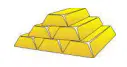
Use what you already know and what the story says to make inferences. Read the story: The Greedy Man — There once was a very greedy man who sold everything he owned and bought a brick of gold. He buried the gold brick behind a hut that was across the road from his shabby old house. Every day, the greedy man went across the road and dug up his gold brick to look at it. After a while, a workman noticed the greedy man going across the road every day, and decided to follow him. The next day, the greedy man dug down for his gold brick, but the hole was empty. He pulled at his hair, and cried out in sorrow. “My beautiful gold brick!” he wept. A neighbor came running, and asked the greedy man what had happened. When the greedy man told him, the neighbor just shrugged his shoulders. “Why be so sad?” said the neighbor. Just go get a rock and put it in that hole, and pretend that it is gold. It will do you as much good as the gold did. Why did the workman follow the very greedy man?
He didn’t like the greedy man.
He knew the greedy man had a gold brick.
He was curious.
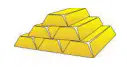
Use what you already know and what the story says to make inferences. Read the story: The Greedy Man — There once was a very greedy man who sold everything he owned and bought a brick of gold. He buried the gold brick behind a hut that was across the road from his shabby old house. Every day, the greedy man went across the road and dug up his gold brick to look at it. After a while, a workman noticed the greedy man going across the road every day, and decided to follow him. The next day, the greedy man dug down for his gold brick, but the hole was empty. He pulled at his hair, and cried out in sorrow. “My beautiful gold brick!” he wept. A neighbor came running, and asked the greedy man what had happened. When the greedy man told him, the neighbor just shrugged his shoulders. “Why be so sad?” said the neighbor. Just go get a rock and put it in that hole, and pretend that it is gold. It will do you as much good as the gold did. Why did the greedy man find that the hole was empty, and his gold brick was gone?
The workman had stolen it.
The greedy man had sold it.
The greedy man’s neighbor had stolen it.

Use what you already know and what the story says to make inferences. Read the story: The Greedy Man — There once was a very greedy man who sold everything he owned and bought a brick of gold. He buried the gold brick behind a hut that was across the road from his shabby old house. Every day, the greedy man went across the road and dug up his gold brick to look at it. After a while, a workman noticed the greedy man going across the road every day, and decided to follow him. The next day, the greedy man dug down for his gold brick, but the hole was empty. He pulled at his hair, and cried out in sorrow. “My beautiful gold brick!” he wept. A neighbor came running, and asked the greedy man what had happened. When the greedy man told him, the neighbor just shrugged his shoulders. “Why be so sad?” said the neighbor. Just go get a rock and put it in that hole, and pretend that it is gold. It will do you as much good as the gold did.
Think about what makes the most sense, to draw a conclusion. The neighbor told the greedy man that he might as well bury a rock in the hole and pretend that it was gold. This is probably because:
The neighbor wanted the gold brick for himself.
The neighbor wanted to be the greedy man’s friend.
The gold brick had not done the greedy man any real good.

Use what you already know and what the story says to make inferences. Read the story: The Greedy Man — There once was a very greedy man who sold everything he owned and bought a brick of gold. He buried the gold brick behind a hut that was across the road from his shabby old house. Every day, the greedy man went across the road and dug up his gold brick to look at it. After a while, a workman noticed the greedy man going across the road every day, and decided to follow him. The next day, the greedy man dug down for his gold brick, but the hole was empty. He pulled at his hair, and cried out in sorrow. “My beautiful gold brick!” he wept. A neighbor came running, and asked the greedy man what had happened. When the greedy man told him, the neighbor just shrugged his shoulders. “Why be so sad?” said the neighbor. Just go get a rock and put it in that hole, and pretend that it is gold. It will do you as much good as the gold did.
Think about what makes the most sense, to draw a conclusion. What lesson is this story meant to teach?
Being greedy does not bring happiness, the real value of wealth lies in what you do with it.
Always hide treasures in a hole to keep them safe.
Workmen should not follow other people.
Gold bricks turn into trees if you wait.

Use what you already know and what the story says to make inferences. Read the passage: The Traveler — A man who had traveled far and wide came home to his small village. He gathered the villagers together to tell them of all the wonderful things he had done in all the places he had visited. In Russia, he had cut bricks of ice and built a palace. In China, he had flown the best dragon kite anyone had ever seen. In Africa, he had chased a lion. In Australia, he had jumped farther than the kangaroos. He had jumped farther than any man alive. The villagers listened with interest at first, and then began to smile. They turned to walk away, but the traveler said that there were many people in Australia who had seen his jump. They would be happy to be his witnesses. One of the villagers turned back to the traveler. "My good man," he said. You need no witnesses. "Just pretend this is Australia, and show us." Why did the traveler gather the villagers together to tell about his travels?
He wanted them to admire him.
He wanted to make them laugh.
They thought the traveler was a famous man.

Use what you already know and what the story says to make inferences. Read the passage: The Traveler — A man who had traveled far and wide came home to his small village. He gathered the villagers together to tell them of all the wonderful things he had done in all the places he had visited. In Russia, he had cut bricks of ice and built a palace. In China, he had flown the best dragon kite anyone had ever seen. In Africa, he had chased a lion. In Australia, he had jumped farther than the kangaroos. He had jumped farther than any man alive. The villagers listened with interest at first, and then began to smile. They turned to walk away, but the traveler said that there were many people in Australia who had seen his jump. They would be happy to be his witnesses. One of the villagers turned back to the traveler. "My good man," he said. You need no witnesses. "Just pretend this is Australia, and show us." Why were the villagers interested in the traveler’s stories at first?
They thought the stories were true.
They thought the traveler was just bragging.
They thought the traveler was a famous man.

Use what you already know and what the story says to make inferences. Read the passage: The Traveler — A man who had traveled far and wide came home to his small village. He gathered the villagers together to tell them of all the wonderful things he had done in all the places he had visited. In Russia, he had cut bricks of ice and built a palace. In China, he had flown the best dragon kite anyone had ever seen. In Africa, he had chased a lion. In Australia, he had jumped farther than the kangaroos. He had jumped farther than any man alive. The villagers listened with interest at first, and then began to smile. They turned to walk away, but the traveler said that there were many people in Australia who had seen his jump. They would be happy to be his witnesses. One of the villagers turned back to the traveler. "My good man," he said. You need no witnesses. "Just pretend this is Australia, and show us." Why did the villagers start to smile and walk away?
They thought the traveler was joking.
They were jealous of the traveler.
They decided the traveler was just bragging.

Use what you already know and what the story says to make inferences. Read the passage: The Traveler — A man who had traveled far and wide came home to his small village. He gathered the villagers together to tell them of all the wonderful things he had done in all the places he had visited. In Russia, he had cut bricks of ice and built a palace. In China, he had flown the best dragon kite anyone had ever seen. In Africa, he had chased a lion. In Australia, he had jumped farther than the kangaroos. He had jumped farther than any man alive. The villagers listened with interest at first, and then began to smile. They turned to walk away, but the traveler said that there were many people in Australia who had seen his jump. They would be happy to be his witnesses. One of the villagers turned back to the traveler. "My good man," he said. You need no witnesses. "Just pretend this is Australia, and show us." Why did the traveler say that there were people in Australia who would be his witnesses?
He knew the villagers believed him.
He wanted the villagers to believe him.
He wanted to go back to Australia.

Draw a conclusion: Read the passage: The Traveler — A man who had traveled far and wide came home to his small village. He gathered the villagers together to tell them of all the wonderful things he had done in all the places he had visited. In Russia, he had cut bricks of ice and built a palace. In China, he had flown the best dragon kite anyone had ever seen. In Africa, he had chased a lion. In Australia, he had jumped farther than the kangaroos. He had jumped farther than any man alive. The villagers listened with interest at first, and then began to smile. They turned to walk away, but the traveler said that there were many people in Australia who had seen his jump. They would be happy to be his witnesses. One of the villagers turned back to the traveler. "My good man," he said. You need no witnesses. "Just pretend this is Australia, and show us."
Think about what makes the most sense, to draw a conclusion. One of the villagers turned back to the traveler. "My good man," he said. You need no witnesses. "Just pretend this is Australia, and show us." This is probably because:
The villager knew that the traveler could not jump as far as he said.
The villager was excited to see such a jump.
The villager felt sorry for the traveler.

Draw another conclusion: What lesson is this story meant to teach? Read the passage: The Traveler — A man who had traveled far and wide came home to his small village. He gathered the villagers together to tell them of all the wonderful things he had done in all the places he had visited. In Russia, he had cut bricks of ice and built a palace. In China, he had flown the best dragon kite anyone had ever seen. In Africa, he had chased a lion. In Australia, he had jumped farther than the kangaroos. He had jumped farther than any man alive. The villagers listened with interest at first, and then began to smile. They turned to walk away, but the traveler said that there were many people in Australia who had seen his jump. They would be happy to be his witnesses. One of the villagers turned back to the traveler. "My good man," he said. You need no witnesses. "Just pretend this is Australia, and show us." Choose the best lesson:
Do not brag; be honest about what you can and can't do.
Always travel far to become famous.
Lions are the most dangerous animals.
Kangaroos jump the farthest of all animals.

