
 Worksheets
Renaissance Music Review
Total questions: 14
Worksheet time: 7mins

Which Renaissance instrument is a double‑reed woodwind that sounds like a trumpet?
Shawm
Hurdy gurdy
Harpsichord
Lute
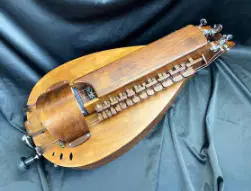
Which Renaissance instrument uses a hand crank that turns a wheel to strum the strings and has a keyboard to alter pitch?
Hurdy gurdy
Shawm
Viol
Sackbut
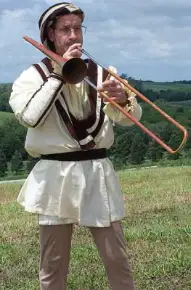
Which instrument evolved from the slide trumpet of the Middle Ages and eventually became the trombone?
Sackbut
Viol
Lute
Harpsichord
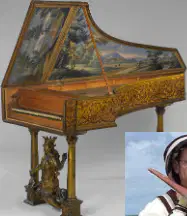
Which keyboard instrument is the precursor to the piano, with strings that are plucked rather than struck by hammers?
Harpsichord
Hurdy gurdy
Shawm
Sackbut
Which of these statements is true about Guillaume Dufay?
He was a transitional figure between Medieval and Renaissance music
He was a Baroque-era opera composer
He was a Classical symphonist
He was a Romantic piano virtuoso
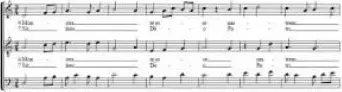
What types of pieces did Guillaume Dufay write?
Both sacred and secular pieces
Only sacred pieces
Only secular pieces
Only instrumental symphonies
What is the definition of counterpoint?
Two or more lines of music that create harmony when put together
A single melody sung without accompaniment
Music that uses only percussion instruments
Lyrics set to spoken rhythm
What is the definition of Renaissance?
Rebirth
Waking up
Old music
New age music
Which feature made Josquin des Prez stand out among other Renaissance composers?
His music showed a lot of emotion
He wrote only instrumental pieces
He avoided harmony
He used electronic instruments
Approximately how many songs did Josquin des Prez write during his lifetime?
Over 200 songs
Fewer than 50 songs
Around 1,000 songs
Exactly 12 songs
Giovanni Pierluigi da Palestrina is described as one of the most important composers from which century?
16th century
15th century
17th century
18th century
What kind of works did Palestrina mostly write, and for what is he best known?
Polyphonic works; he is one of the best-known composers of polyphony
Monophonic chants; he is best known for plainchant
Instrumental symphonies; he is best known for orchestration
Operas; he is best known for stage drama
True or False: Court chapels were groups of paid musicians who were associated with a ruler rather than a building.
True
False
True or False: Patrons gave artists and musicians money and other support to create works for them.
True
False

