
NEW
Font size
 Worksheets
Quarter 2 CFA 1 Review
Total questions: 40
Worksheet time: 21mins
Who is often called the “father of the Internet”?
Bill Gates
Tim Berners-Lee
Vint Cerf
Steve Jobs
The World Wide Web was created by:
Jeff Bezos
Tim Berners-Lee
Mark Zuckerberg
Elon Musk
Which of the following best describes a positive cultural impact of the Internet?
It made travel harder.
It helped spread knowledge and connect people worldwide.
It ended all traditional cultures.
It stopped people from learning new languages.
Which of the following is a negative political effect of the Internet?
Improved voting information
Increased voter awareness
Easier fact-checking
Spread of misinformation and fake news
How has geography affected access to the Internet?
Everyone has equal access worldwide.
Urban areas have better access than rural areas.
The Internet works better in deserts.
The size of a country doesn’t matter.
Why is fact-checking important in politics?
To stop entertainment news
To stop elections
To make the Internet slower
To reduce misinformation and hold politicians accountable
(DOK 3) How has the Internet changed the global economy?
It decreased online trade.
It made communication slower.
It increased global business and e-commerce.
It ended international trade.
Compare how the Internet has both strengthened and challenged democracy.
It only helped people vote.
It increased participation but also misinformation.
It stopped elections.
It made governments more secretive.
The fall of the Roman Empire was caused in part by invasions from:
The Greeks
The Germanic tribes
The Mongols
The Vikings only
Which of the following Germanic tribes helped shape modern European languages?
Visigoths, Angles, Saxons
Mongols, Persians, Chinese
Moors, Egyptians, Greeks
Byzantines, Romans, Ottomans
What was the main purpose of the feudal system?
To promote trade
To provide protection and organize society
To encourage democracy
To spread Christianity
How did the Catholic Church influence medieval Europe?
It encouraged education and charity.
It had little power.
It stopped all wars.
It focused only on art.
What caused the Bubonic Plague?
Air pollution
Fleas on rats
Contaminated food
Poisoned water
What did many Europeans believe caused the plague?
Germs and science
Punishment from God, witches, or bad air
Poor trade routes
Too much rain
Which stage of the plague affected the lungs?
Bubonic
Pneumonic
Septicemic
Viral
How did the Black Death affect Europe’s economy?
It caused population growth.
It led to labor shortages and higher wages.
It stopped trade permanently.
It made nobles richer.
What does “Renaissance” mean?
Death
Rebirth
Religion
Power
What helped cause the Renaissance?
The Crusades and trade bringing new ideas
Isolation and disease
Decline of learning
Natural disasters
Which idea was central to Renaissance thinking?
Humanism
Feudalism
Militarism
Isolationism
Which Renaissance thinker wrote The Prince about power and politics?
Galileo
Machiavelli
Leonardo da Vinci
Michelangelo
Which scientist first proposed that the Earth orbits the sun?
Galileo Galilei
Copernicus
Aristotle
Columbus
What did Galileo contribute to the Renaissance?
Invented the compass
Improved the telescope and supported heliocentric theory
Discovered America
Painted the Sistine Chapel
How did Marco Polo influence the Renaissance?
His travels inspired trade and curiosity about the world.
He was a Renaissance painter.
He stopped exploration.
He wrote about religion only.
How did women contribute to the Renaissance?
Only by supporting their husbands
As patrons, writers, and thinkers (e.g., Isabella d’Este, Christine de Pizan)
They had no role at all
As warriors
Who began the Protestant Reformation by posting the 95 Theses?
Henry VIII
Martin Luther
Pope Leo X
John Calvin
What practice angered Martin Luther the most?
Baptism
Selling indulgences
Fasting
Praying to saints
How did the printing press help the Reformation?
It spread Luther’s ideas quickly.
It stopped people from reading.
It strengthened the Pope’s control.
It only printed art books.
Which invention during the Renaissance greatly increased the spread of knowledge?
Telephone
Compass
Steam engine
Printing press
What was a major social effect of the Black Death in Europe?
Increase in religious unity
Decline in population and changes in social structure
Expansion of the Roman Empire
Strengthening of feudalism
Which Renaissance artist painted the ceiling of the Sistine Chapel?
Donatello
Michelangelo
Raphael
Leonardo da Vinci
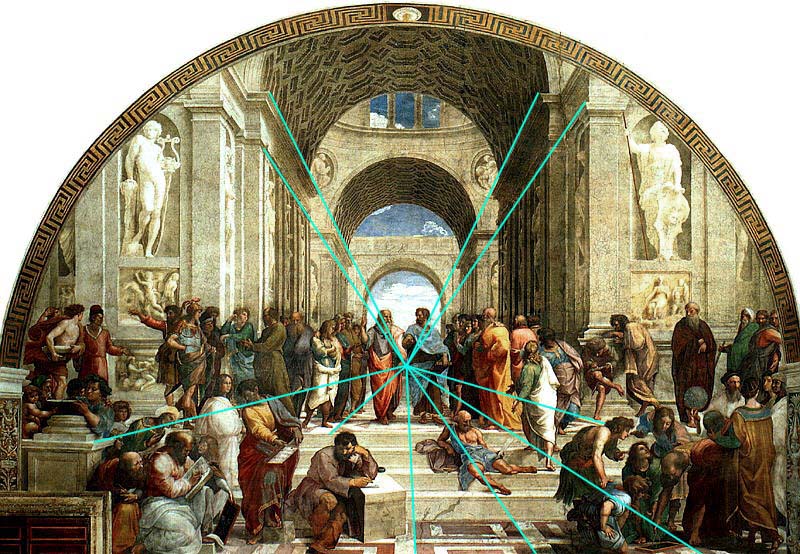


What document, written by Luther, started the Reformation?
Lutheran's protests
Indulgences
93 Theses
95 Theses

Who were the Protestants?
people who went out and performed duties for the Church
people who were humanists
people who wanted fair treatment by the lords
people who protested against and broke with the Catholic Church
What did someone who bought an indulgence receive?
a blessing from the pope
a pardon for sin
the right to attend church
the right to commit a sin
Who was the German blacksmith that created the moveable type printing press
John Calvin
Martin Luther
Johannes Gutenberg
Martin Luther King Jr.
Humanism
began as an attempt to reform the Catholic church, but ended in the creation of Protestant churches
studying classical texts and human achievements instead of religion
a way to pay for forgiveness in the Catholic church using money / goods
a period of reverting back to the Middle Ages way of life
secular
to welcome into the church
ideas that have no religious basis
religious ideas
to expel / exile from the church

