
NEW
Font size
 Worksheets
Rapid Prototyping Technology
Total questions: 15
Worksheet time: 8mins
What is one advantage of liquid-based rapid prototyping systems?
Smoothness of liquid surface in steady state
Ability to solidify all types of materials
No need for heat-sensitive epoxy resin
Lack of curing process
What is a limitation of liquid-based rapid prototyping systems?
Requires UV laser for curing
Limited to certain types of materials that can be solidified by UV light
Produces poor surface finish
Cannot use heat-sensitive epoxy resin
What is the process called where liquid is converted into a solid state in liquid-based rapid prototyping systems?
Solidification
Curing
Evaporation
Melting
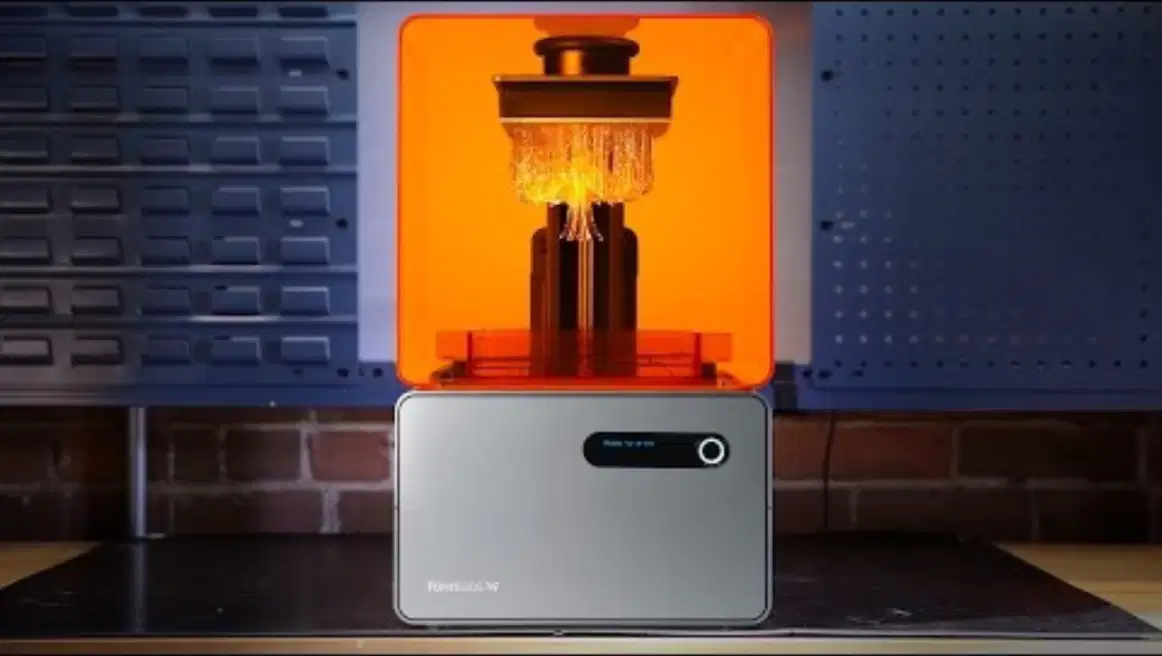
Which of the following statements is TRUE about the curing method in SLA 3D printing?
SLA always uses a laser spot to cure resin
SLA only works with thermoplastic filaments
SLA can use a digital light projector (DLP) instead of a laser
SLA requires powder-based materials for curing
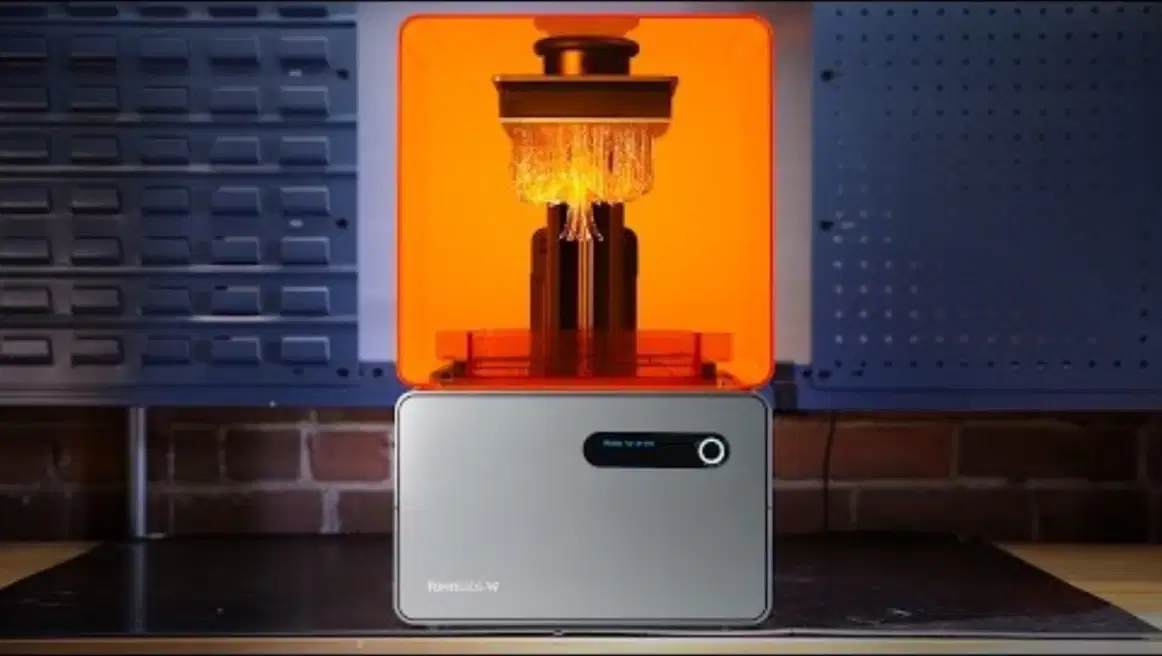
What type of material is primarily used in the stereolithography process?
Liquid resin
Metal powder
Thermoplastic filament
Solid wood
What is the working principle of the stereolithography process?
Melting metal using heat to create a 3D object
Solidifying a photosensitive resin using UV laser light layer-by-layer to develop a 3D object
Using water to mold a 3D object
Compressing materials to form a 3D object
What type of material is used in the stereolithography process?
Photocurable resin
Thermoplastic polymer
Metal alloy
Ceramic powder
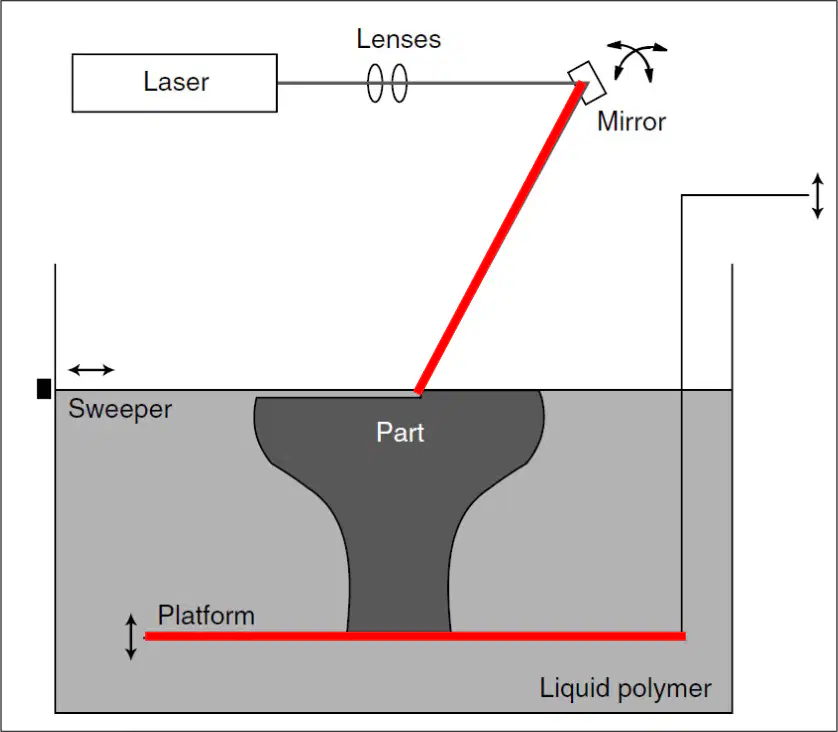
What happens to the platform in the stereolithography process as each layer is formed?
The platform moves up as each layer is formed.
The platform remains stationary as each layer is formed.
The platform is moved down as each layer is formed.
The platform rotates as each layer is formed.
What happens to the supports after the part is completed in the stereolithography process?
They are hardened further
They are broken off
They are melted down
They are reused for the next part
What mechanism controls the UV laser to generate X-Y motion in the stereolithography process?
Hydraulic system
Galvanometer scanner
Robotic arm
Magnetic field generator
What is required due to uncured regions in SLA parts during processing?
Immediate use of the parts.
Post-curing process.
Reduction in resin costs.
Elimination of laser curing.
What must be done to address the process limitation of trapped liquid in RP processes?
Use solid materials instead of liquid.
Drain or clean the liquid after the build.
Avoid creating hollow structures.
Increase the temperature during the process.
What is a major advantage of PolyJet technology?
High-temperature metal printing
Multi-material and full-color capability
Low-cost filament usage
No need for support structures
Which material type is primarily used in PolyJet 3D printing?
Powdered metal
Thermoplastic filament
Liquid photopolymer resin
Ceramic slurry
What is the core printing mechanism used in PolyJet technology?
Laser sintering of powder
Inkjet-style deposition of photopolymer
Extrusion of thermoplastic filament
Electron beam melting

