
 Worksheets
Capítulo 1 Test
Total questions: 127
Worksheet time: 1hrs 8mins
Match each Spanish verb with its correct English meaning.
esquiar
to ski
correr
to run
bailar
to dance
nadar
to swim
Match the following Spanish pronouns with their English equivalents.
ella
she
él
he
usted
you (formal)
yo
I
Which adjective is correct to describe a group of hardworking boys in Spanish?
trabajador
trabajadora
trabajadores
trabajadoras
Match each subject pronoun with the correct form of the verb "ser":
soy
yo
eres
tú
somos
nosotros
son
ellos
Choose the option that correctly uses "me gusta":
Me gusta correr.
Me gusta corren.
Me gusta corrí.
Me gusta corriendo.
La forma correcta de "ser" para "ella" es (a) .
Ellos son (a) .
Ellas son (a) .
Select the sentence with the adjective correctly matched for "nosotros":
Nosotros somos ordenado.
Nosotros somos ordenados.
Nosotros somos ordenada.
Nosotros somos ordenadas.
Read the sentence and select the correct adjective: "María es muy _______."
trabajador
trabajadora
trabajadores
trabajadoras
Complete the sentence with the correct pronoun: "_______ son mis amigos."
Yo
Ellos
Tú
Él
If you like to dance, how do you say it in Spanish?
Me gusta bailar.
Te gusta bailar.
Le gusta bailar.
Nos gusta bailar.
Select the sentence with the adjective correctly matched for "vosotros":
Vosotros sois sociable.
Vosotros sois sociables.
Vosotros sois sociabla.
Vosotros sois sociablas.
Los estudiantes son muy (a) .
Analyze the sentence: "Nosotros somos estudiosos." The adjective "estudiosos" is plural and masculine because (a) .
If you have to describe a group of girls as "funny," which adjective do you use in Spanish and why?
Graciosas, because it is feminine and plural.
Gracioso, because it is masculine and singular.
Graciosos, because it is masculine and plural.
Graciosa, because it is feminine and singular.
" (a) " is used in the sentence "A Juan le gusta correr."
Justify the use of (a) in the sentence "Ellos son deportistas."
What is the personal pronoun for "she" in Spanish?
él
ella
usted
yo
What is the pronoun for "you" (formal, singular) in Spanish?
tú
usted
vosotros
ellos
Which adjective is correct to describe a smart boy in Spanish?
inteligente
inteligentes
inteligentea
inteligentas
What is the pronoun for "they" (all girls) in Spanish?
ellos
ellas
nosotros
tú
Which adjective is correct to describe a group of organized girls in Spanish?
ordenado
ordenada
ordenados
ordenadas
Match the following Spanish verbs with their meanings.
leer libros
to read books
escribir cuentos
to write stories
correr
to run
bailar
to dance
Match the following Spanish pronouns with their correct usage.
ustedes
Pronoun for "you all" (formal, Latin America)
vosotros
Pronoun for "you all" (informal, Spain)
ellos
Pronoun for "they" (masculine or mixed group)
tú
Pronoun for "you" (informal, singular)
Select the correct form of the verb "ser" for "yo":
soy
eres
es
son
Choose the option that correctly uses "nos gusta":
Nos gusta leer libros.
Nos gusta leemos libros.
Nos gusta leyendo libros.
Nos gusta leí libros.
What is the correct form of "ser" for "vosotros"?
sois
son
somos
eres
Select the sentence with the adjective correctly matched for "ella":
Ella es ordenado.
Ella es ordenada.
Ella es ordenados.
Ella es ordenadas.
Match each group with the correct adjective form:
Ellos son estudiosos.
They (masculine, plural) are studious.
Ellos son estudiosa.
They (feminine, singular) are studious.
Ellos son estudioso.
They (masculine, singular) are studious.
Ellos son estudiosas.
They (feminine, plural) are studious.
Read the sentence and select the correct adjective: "Las chicas son muy _______."
sociable
sociables
sociabla
sociablas

Use the context clues to pick the correct adjective for the sentence.
No es una chica ordenada. Es muy ____.
desordenada
bueno
sociable
artistica

Use the context clues to pick the correct adjective for the sentence.
A los estudiantes les gusta ir a la escuela. Son muy ____.
trabajadoras
buenas
graciosos
estudiosos
Choose the correct form of adjective that matches the pronouns.
Maria y Jose son (hardworking).
trabajadora
trabajador
trabajadoras
trabajadores

Choose the correct form of adjective that matches the pronouns.
Nosotras (daring). (Feminine)
atrevido
atrevidos
atrevidas
atrevida

Choose the correct form of adjective that matches the pronouns.
El profesor es (impatient).
impacientas
impaciente
impacientes
impaciento
¿Cómo eres?
What is he/she like?
What are you like?
What is his/her name?
Are you....?
How would you negatively respond to the following question?
¿Eres perezoso/a?
Ella es perezosa.
No soy perezoso/a.
Ustedes no son perezosos.
Nosotros somos perezosos.
¿Cómo es ella?
What is she like?
What are you like?
What is his/her name?
Are you....?
¿Cómo es él?
What is he like?
What are you like?
What is his/her name?
Are you....?
Las chicas no son _____________.
sociable
sociables
sociabla
sociablos
Ella es _____________.
gracioso
graciosa
graciosos
graciosas
Los estudiantes son ____________.
estudioso
estudiosa
estudiosos
estudiosas
Geraldo es un hombre muy ______________.
bajo
baja
bajos
bajas
María es una chica ______________.
alto
alta
altos
altas
¿Cómo eres tú?
Soy sociable.
Me gusta bailar.
Me llamo Pablo.
Es reservado.
Ellos ____________ muy pacientes y serios.
son
soy
eres
les gusta
-¿Cómo ____________ tú? -Soy alto, delgado y talentoso.
estás
es
eres
soy
-¿Cómo se ____________? - Se llama Rodrigo.
estás
llamo
llama
llamas
Nosotros somos _______________. Nos gusta (we like) dibujar.
artístico
artísticos
artística
artísticas
Mi amiga ________ perezosa.
soy
es
somos
le gusta
A Ricardo _____ gusta mucho jugar videojuegos.
me
te
le
es
Me gusta ir a la escuela, _______ no me gusta mucho estudiar.
a veces
pero
le gusta
soy
A María le gusta tocar el piano mucho. Ella es______________.
simpática
talentosa
le gusta
graciosa
Yo no _______ muy atlético.
es
soy
ser
me gusta
The opposite of:
gracioso
inteligente
serio
reservado
alto
The opposite of:
delgado
gordo
antipático
bajo
perezoso
The opposite of:
sociable
alto
desordenado
reservado
gracioso
The opposite of:
bueno
deportista
sociable
talentoso
malo
The opposite of:
simpático
antipático
alto
bajo
atlético
The opposite of:
bajo
impaciente
simpático
alto
delgado
The opposite of:
perezoso
deportista
trabajador/a
sociable
paciente
The opposite of:
impaciente
paciente
desordenado
alto
delgado
We are
soy
somos
eres
es
But
más
mas
pero
también
very
pero
muy
según
también
What do you like?
¿Cómo se llama?
¿Qué le gusta?
¿Qúe te gusta?
¿Qué me gusta?
Me gusta estudiar (to study) y soy muy inteligente, pero a veces no me gusta leer.
I like to read and I am very studious, but sometimes I don't like to sleep
I like to study and I am very intelligent, but sometimes I don't like to read
You like to study but you are not intelligent because you don't like to read
Serious
Hard-working
Funny
Nice
Srudious
Daring
Funny
Sports-minded
Lazy
Nice
Shy
Talented
Daring
Lazy
Messy
Hardworking
Sports-minded
Hardworking
Daring
Lazy
I don't like to read
You don't like to read
I don't like to skate
She doesn't like to read
What is the boy's name
What is the boy like
What is the girl's name
What is the girl like
Based on the audio, what am I like?
Hardworking
Lazy
Daring
Neat
What is Ramón like?
Sociable
Hardworking
Daring
Funny
According to the audio, what am I like?
Talentoso
Sociable
Serio
Perezoso
According to the audio, what am I like?
neat
lazy
messy
shy
María es (a)
cinco, _________, quince, __________, veinticinco, ______________, treinta y cinco.........
Lápiz Silla Papel
Nora y Tabia son ____________. (dos chicas)
ordenado
ordenada
ordenados
ordenadas
Alyssa es ___________.
serio
seria
serios
serias
¿Cómo se dice "She is hard-working" en español?
Él es trabajadoro.
Él es trabajador.
Ella es trabajadora.
Ella es trabajador.
Traduce: He is lazy
Él es perezoso.
Él es atrevido.
Él es gracioso.
Él es simpático.
¿Cómo es?
How is she/he?
talented
hard-working
according to...
¿Cómo eres?
How is she?
How are you?
How is he?
are you?



Me gusta __________con un boligrafo.
bailar
nadar
escribir
correr


¿Te gusta practicar deportes?
A mi no me gusta nada
A mi nada tampoco
A mi me gusta gusta

¿Te gusta usar la computadora?
Si, me gusta usar la computadora
A mi no me gusta nada usar el teléfono
A mi ni ni

¿Te gusta esquiar en el verano?
No, no me gusta esquiar en el verano
No te gusta esquiar
Si te gusta
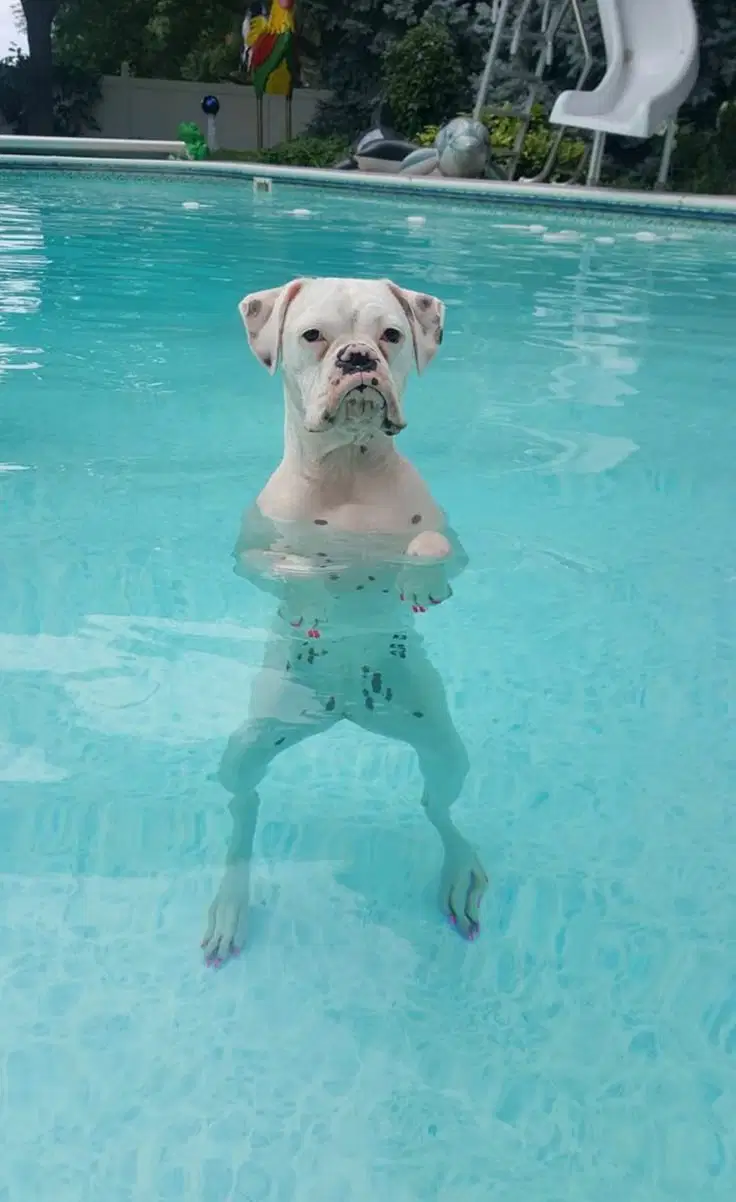
Me gusta mucho nadar
A mi también me gusta mucho nadar
A mi tampoco mucho nadar
No me gusta usar la computadora

¿Te gusta escuchar música?
Si, me gusta mucho
Si, te gusta nada
También me gusta


If you want to know which of two activities your friend likes BETTER, you can ask _____.

to sing
(a)

to swim
(a)
A mí me gusta mucho patinar.
¡A mí también!
A mí tampoco.
Me gusta leer.
No me gusta cantar.
-- A mí __________.
--___ gusta patinar.
-- A mí ______________.

Translate "I like to read magazines"
Me gusta leo revistas
Mi gusta leer revistas
Me gusta leer
Me gusta leer revistas

Di en español:
Say in Spanish:
Juan likes to read magazines.
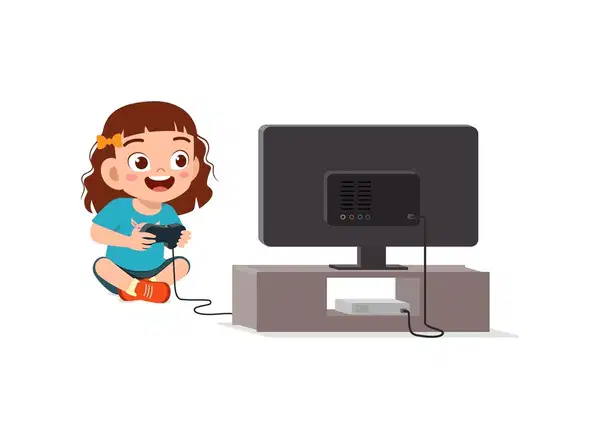
Di en español:
Say in Spanish:
María likes to play videogames.

Di en español:
Say in Spanish:
Frank does not like to run or ski.

Di en español:
Say in Spanish:
They are sociable.

Di en español:
Say in Spanish:
She is hard-working.

