
 Worksheets
(APWHM) Unit 4 - Vocabulary
Total questions: 20
Worksheet time: 10mins
James II
English king overthrown during the Glorious Revolution.
French king during the Renaissance.
Scottish king known for his unification efforts.
Spanish king during the Age of Exploration.
Ming Dynasty
Chinese dynasty known for its cultural and economic achievements.
A period of Mongol rule in China.
A dynasty famous for its military conquests in Japan.
A time of significant decline in Chinese art and culture.
Henry Hudson
English explorer who searched for the Northwest Passage and explored the Hudson River.
French navigator who discovered the St. Lawrence River.
Spanish conquistador known for his expeditions in South America.
Italian explorer who first circumnavigated the globe.
Transatlantic Slave Trade
The voluntary migration of Europeans to the Americas for settlement.
The forced migration of Africans to the Americas for labor.
The trade of goods between Africa and Europe.
The movement of Native Americans to Europe for education.
Creole
A language or culture that developed from the blending of European and African influences.
A type of music originating from the Caribbean.
A dialect spoken in rural areas of France.
A traditional dance form from South America.
Cartography
The art of painting landscapes.
The science or practice of drawing maps.
The study of ancient civilizations.
The process of creating digital graphics.
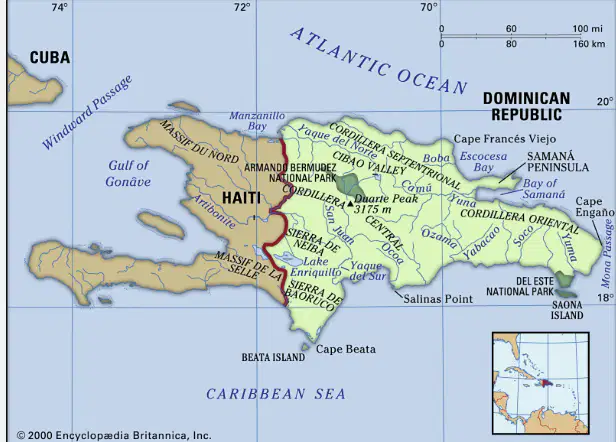
Hispaniola
A Caribbean island colonized by Spain, now divided into Haiti and the Dominican Republic.
A Pacific island known for its volcanic activity.
A European country famous for its cheese and wine.
An African nation known for its wildlife and safaris.
Prince Henry the Navigator
Portuguese prince who promoted exploration and maritime discoveries.
Spanish explorer known for his conquests in the Americas.
Italian navigator who discovered the New World.
French king who initiated the Age of Enlightenment.
Mexico City
Capital of New Spain, built on the ruins of the Aztec capital Tenochtitlán.
A major port city in the Caribbean.
The largest city in Brazil.
A historical site in Peru.

Northwest Passage
A sea route connecting the Atlantic and Pacific Oceans through the Arctic Ocean.
A land route connecting Europe and Asia through Russia.
A shipping lane used exclusively for fishing in the Arctic.
A historical trade route between North America and South America.
Candomblé
A traditional Brazilian dance form.
An Afro-Brazilian religion blending African and Catholic traditions.
A type of Brazilian cuisine.
A popular Brazilian festival celebrated in Rio.

Gumbo
A dish with Asian roots, popular in the northern United States.
A dish with African roots, popular in the southern United States.
A dessert made from chocolate and cream.
A type of bread commonly found in Europe.
Viceroys
Officials who governed colonies on behalf of the monarch.
Military leaders in charge of colonial armies.
Local rulers who managed trade routes.
Advisors to the monarch on colonial affairs.
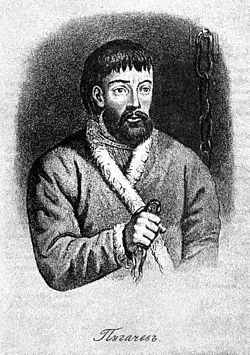
Yemelyan Pugachev
Leader of a major peasant rebellion in Russia.
A famous Russian ballet dancer.
A prominent Russian novelist.
A historical figure known for his contributions to science.
Mulattoes
People of mixed European and African ancestry.
People of mixed Asian and African ancestry.
People of European descent only.
People of African descent only.
Indentured Servitude
A labor system where individuals worked for a set period in exchange for passage to the Americas.
A system where individuals were enslaved for life without any compensation.
A voluntary agreement where workers paid for their own passage and received wages.
A form of employment where workers were guaranteed land ownership after a set period.
Ndongo
A South American country known for its coffee production.
An African kingdom ruled by Ana Nzinga.
A historical figure in ancient Rome.
A type of traditional dance from West Africa.
Polygny
A form of marriage where a man has multiple wives.
A type of marriage where a woman has multiple husbands.
A legal agreement between two individuals to live together.
A cultural practice of arranged marriages.
Columbian Exchange
The transfer of plants, animals, culture, human populations, and diseases between the Americas and the Old World.
A trade agreement between European countries and Native Americans.
The migration of Europeans to the Americas in search of gold.
The introduction of European languages to indigenous populations.
Virgin of Guadalupe
Catholic icon and symbol of Mexican identity.
A famous painting by Diego Rivera.
A historical figure in Mexican politics.
A traditional Mexican dish.

