
NEW
Font size
 Worksheets
Essential Health Skills for High School: Vaping & Tobacco Quiz
Total questions: 10
Worksheet time: 5mins
Explain how nicotine leads to an increased risk of heart attack or stroke, using the steps outlined in the diagram.
Nicotine enters the bloodstream, causing blood vessels to narrow and adrenaline to be released. This increases heart rate, breathing rate, and blood pressure, making the heart work harder. Over time, blood flow is restricted by fatty deposits in vessel walls, leading to an increased risk of heart attack or stroke.
Nicotine enters the bloodstream and immediately causes a heart attack.
Nicotine causes blood vessels to widen, improving blood flow and reducing risk of stroke.
Nicotine has no effect on the cardiovascular system.
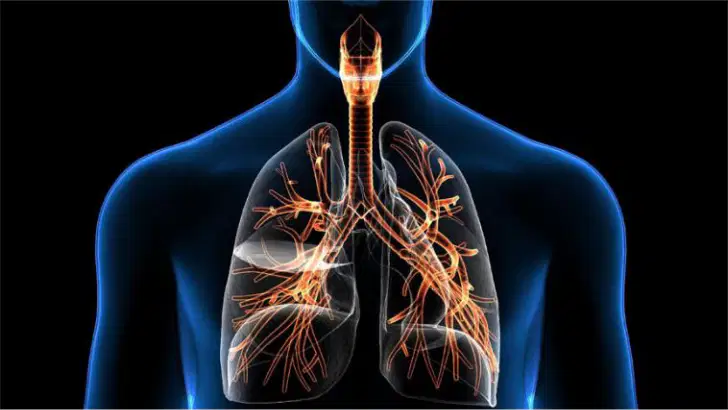
Which of the following is a direct effect of nicotine on the respiratory system?
Causes inflammation and long-term damage
Improves lung function
Reduces risk of respiratory infections
Strengthens the immune system
Nicotine increases the risk for which of the following diseases?
Chronic obstructive pulmonary disease (COPD) and cancer
Diabetes and arthritis
Heartburn and migraine
Osteoporosis and anemia
What is one consequence of the brain becoming dependent on nicotine for pleasurable feelings?
The brain requires nicotine to experience pleasure
The brain stops producing any neurotransmitters
The brain becomes immune to nicotine
The brain increases its natural dopamine production
Which complication can nicotine use lead to in pregnancy?
Pregnancy complications
Improved fetal growth
Reduced risk of infection
Enhanced immune response
Explain how nicotine impacts both the immune and reproductive systems, and discuss the potential consequences for overall health.
Nicotine reduces resistance to disease in the immune system and reduces fertility and can lead to pregnancy complications in the reproductive system, increasing health risks.
Nicotine improves immune response and increases fertility, leading to better health outcomes.
Nicotine has no effect on the immune or reproductive systems.
Nicotine only affects the digestive system, not the immune or reproductive systems.
Which chemical found in cigarettes is also used in rat poison?
Arsenic
Formaldehyde
Butane
Lead
How might the presence of multiple toxic chemicals in cigarettes contribute to health risks beyond cancer? (DoK Level 3)
They can damage organs, reduce oxygen levels, and cause poisoning
They only affect hair and nails
They improve lung function
They have no effect on health
Which chemical found in cigarettes is also used in embalming fluid?
Formaldehyde
Hexamine
Naphthalene
Butane
Which substance commonly builds up in the lungs as a result of cigarette smoking?
Tar
Oxygen
Water vapor
Carbon dioxide

