
 Worksheets
Core Values Hexagon Quiz
Total questions: 41
Worksheet time: 21mins

What is the central concept represented in the diagram?
Core Values Hexagon
Academic Skills Chart
Communication Web
Globalization Framework

Which of the following is NOT one of the elements surrounding the Core Values Hexagon?
Communication
Academics
Technology
Globalization

What does the green box labeled "Discipline & Attitude" in the diagram represent?
A core value related to behavior and mindset
A subject taught in schools
A method of communication
A global concept

Which color is used to represent "Value Education" in the diagram?
Green
Yellow
Purple
Blue

What does the blue box labeled "Globalization" in the diagram signify?
A core value related to worldwide integration
A subject taught in schools
A method of communication
A behavioral concept
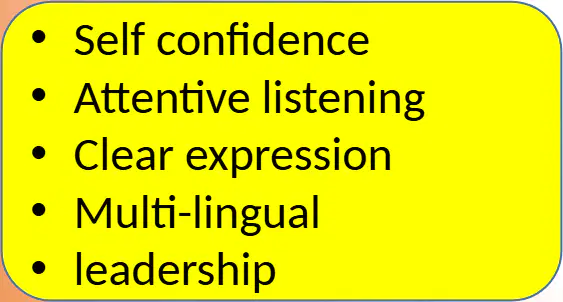
Which of the following is a key aspect of communication as shown in the diagram?
Self-confidence
Understanding global trends
Sports and arts
Serving mind + action
What does globalization focus on according to the diagram?
Clear expression
Global experience
Good manners
Studying methods

Which of the following is emphasized under value education?
Leadership
Serving mind + action
Subject knowledge
Global trends
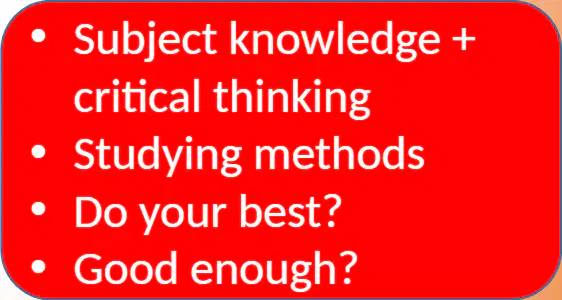
What is a key component of academics as per the diagram?
Critical thinking
Resilience
Multi-lingual skills
Sports and arts
Which of the following is a part of non-academic activities?
Sports, arts, cultural activities & communities
Self-discipline
Clear expression
Global experience
What is a key aspect of discipline and attitude?
Aim higher
Studying methods
Multi-lingual skills
Serving mind + action
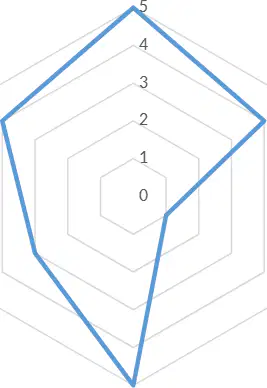
What is the highest rating possible in the "Core Value Hexagon" chart?
10
4
5
6
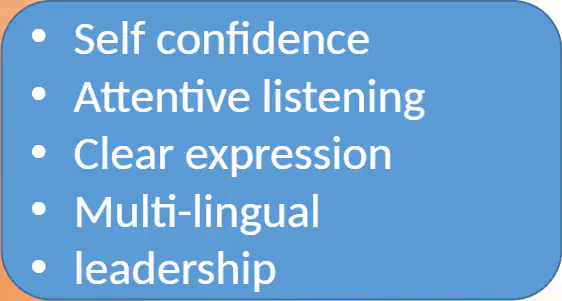
Which of the following is a key aspect of communication as mentioned in the diagram?
Self-confidence
Understanding global trends
Sports and arts
Serving mind + action
What does globalization focus on according to the diagram?
Clear expression
Global experience
Critical thinking
Good manners
Which of the following is an example of value education as per the diagram?
Self-motivated
Serving mind + action
Studying methods
Leadership
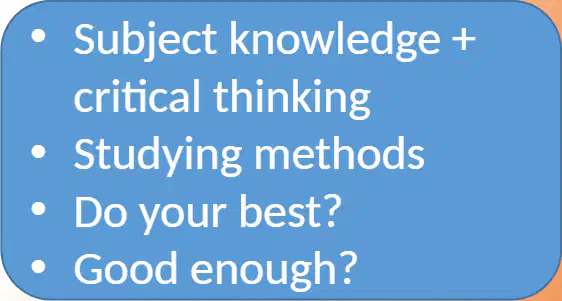
What is emphasized under academics in the diagram?
Sports and arts
Subject knowledge + critical thinking
Resilience
Global trends
Which of the following is a characteristic of discipline and attitude as shown in the diagram?
Aim higher
Multi-lingual
Cultural activities
Studying methods
What is included in non-academic aspects according to the diagram?
Sports, arts, cultural activities & communities
Clear expression
Global experience
Self-discipline
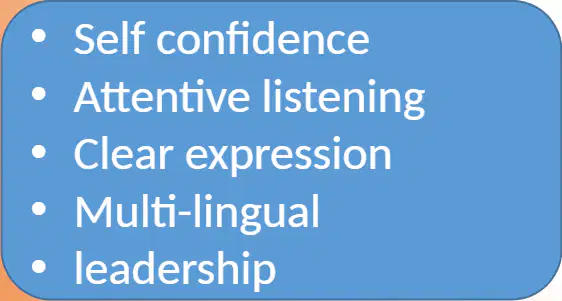
Which of the following is a key component of communication skills as shown in the diagram?
Self-confidence
Understanding global trends
Subject knowledge
Sports and arts
What does the "Globalization" section in the diagram emphasize?
Good manners and self-discipline
Understanding global trends and needs
Subject knowledge and critical thinking
Sports, arts, and cultural activities
Which of the following is a focus of "Value Education" as per the diagram?
Serving mind and action
Multi-lingual leadership
Global experience
Critical thinking
What is included in the "Non-academic" section of the diagram?
Clear expression
Sports, arts, and cultural activities
Global trends and needs
Self-motivation
Which of the following is a part of "Discipline & Attitude" as shown in the diagram?
Resilience
Critical thinking
Global experience
Multi-lingual leadership

What is the main focus of the concept "Goal Setting" as presented in the image?
Reflecting on your current satisfaction and planning for improvement.
Learning new skills unrelated to personal growth.
Ignoring past failures and focusing only on the present.
Setting goals for others instead of yourself.
If we're talking about "Goal Setting", what is the most relevant question to ask ourselves?
Are you TOTALLY satisfied with ALL aspects of what you are right now?
Do you think you can improve your grades?
Have you set goals for others?
Are you satisfied with your hobbies?
What time frame is mentioned in the presentation for improving yourself?
3 months.
6 months.
1 year.
1 month.
What motivational statement is included in the image to encourage personal growth?
You can MAKE a DIFFERENCE now!
You should wait for the right time.
Improvement is impossible without help.
Focus only on past failures.
What does the "S" in SMART goal setting stand for?
Specific
Simple
Strategic
Special
Which of the following is NOT a component of SMART goal setting?
Measurable
Achievable
Time-bound
Flexible
What does the "T" in SMART goal setting stand for?
Time-bound
Timely
Targeted
Tangible

What is the purpose of setting SMART goals?
To make goals clear and achievable
To make goals vague and flexible
To avoid setting deadlines
To focus only on long-term goals
How many dimensions of the Core Value Hexagon are mentioned in the task?
4 dimensions
5 dimensions
6 dimensions
7 dimensions
What is suggested for each dimension in the goal-setting task?
To improve everything equally
To improve one thing the most
To ignore the dimensions
To set a deadline for each dimension
What does "1 stone 2 birds" imply in the context of the task?
Achieving multiple goals with one effort
Focusing on one goal at a time
Ignoring unnecessary tasks
Setting two deadlines for one task
What are students encouraged to consider when MEASURING their progress in the task?
The time taken to complete the task
The number of dimensions improved
The methods used to measure progress
The help received from others
Who are students encouraged to think about for assistance in the goal-setting task?
Their classmates
Their teachers
All of the above, as long as they can help
Their family members
What is one way to stay motivated to achieve your goals?
Think of the time when your goals are reached
Ignore your goals until the end of the term
Avoid sharing your goals with others
Hide your goals where no one can see them
What should you do to remind yourself of your goals?
Put your goals somewhere you can always see
Keep your goals a secret
Review your goals just before the deadline
Write your goals and throw them away
Why is it helpful to share your goals with someone?
It helps you stay accountable
It makes your goals harder to achieve
It ensures your goals remain private
It distracts you from your goals
What is a good time to reflect on your goals?
Before the end of the term
After you forget about them
At the start of the next year
When someone reminds you
What is the final step to achieving your goals?
Act now
Wait for the perfect moment
Keep planning without action
Ask someone else to do it for you

