
 Worksheets
Engineering and Manufacturing (Level 3) - Session Objectives
Total questions: 77
Worksheet time: 44mins
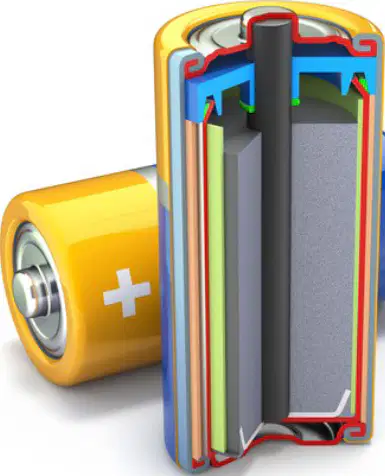
A simple cell contains two different metals called ________, separated by a liquid or paste called an ________.
electrodes, electrolyte
cathodes, anode
conductors, insulator
plates, solution
In a simple cell, negatively-charged electrons flow from the less reactive metal to the more reactive metal.
True
False
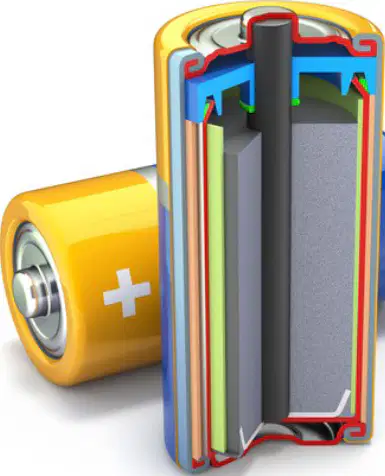
Which of the following best describes an electrolyte?
A type of metal
A liquid or paste that separates electrodes
A wire
A battery terminal
What is a primary cell?
Fill in the blank: Primary cells are also known as ______ cells because there is no fluid inside them.
dry
wet
liquid
electrolyte
Which of the following statements about secondary cells is correct?
They have high internal resistance
The chemical reaction is irreversible
They are made of molten salts and wet cells
They get discharged slowly
Fill in the blank: The chemical reaction in secondary cells is ______.
reversible
irreversible
spontaneous
exothermic
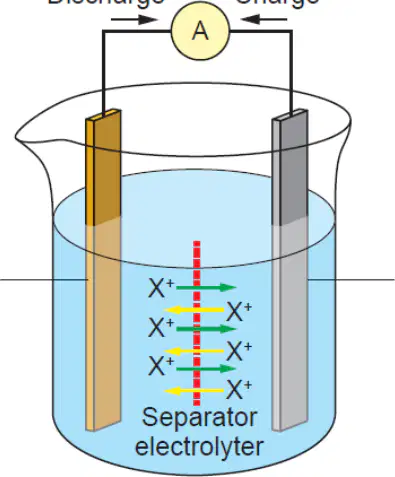
Refer to the diagram of the cell. Which part is labeled as the separator electrolyte?
The left electrode
The right electrode
The central vertical section
The liquid at the bottom

In the diagram of the cylindrical cell, what is the function of the metal cap?
It acts as the positive terminal of the cell.
It insulates the cell from external contact.
It stores chemical energy for the cell.
It prevents leakage of electrolyte.
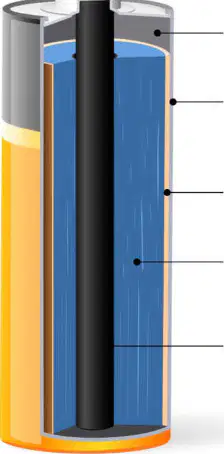
In the diagram of the cylindrical cell, which part acts as the negative electrode?
Zinc case
Carbon rod
Electrolyte paste
Brass terminal
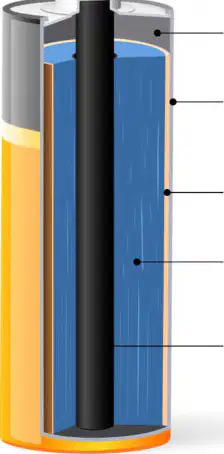
In the diagram of the cylindrical cell, which part is labeled as the positive electrode?
Carbon rod
Zinc casing
Separator
Electrolyte
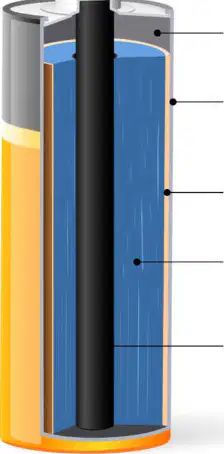
In the diagram of the cylindrical cell, the purpose of the expansion space is:
to allow for the expansion of internal materials during operation
to store excess electrolyte
to provide electrical insulation
to increase the cell's voltage
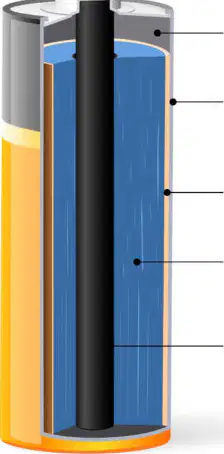
Which of the following is NOT a part labeled in the cylindrical cell diagram?
Metal cap
Expansion space
Lead plates
Manganese dioxide paste
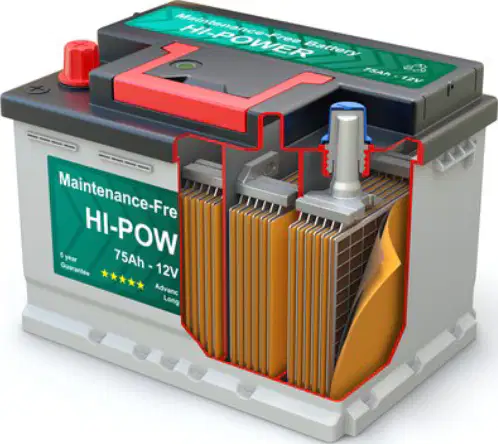
What type of battery is shown on the right side of the image?
Car battery (lead-acid battery)
Lithium-ion battery
Nickel-cadmium battery
Alkaline battery
Which type of cell has high energy density (cell capacity)?
Primary cell
Secondary cell
Which type of cell can be discharged slightly more quickly (higher output power capacity)?
Primary cell
Secondary cell
Which type of cell has low internal resistance?
Primary cell
Secondary cell
Which type of cell has an irreversible chemical reaction?
Primary cell
Secondary cell
Fill in the blank: Initial cost is high for __________.
Secondary cell
Primary cell
Resistor
Capacitor
What are the charged particles found in ionic substances called?
Atoms
Molecules
Ions
Electrons
Fill in the blank: Lead bromide contains positively charged ______ ions and negatively charged bromide ions.
lead
sodium
potassium
calcium
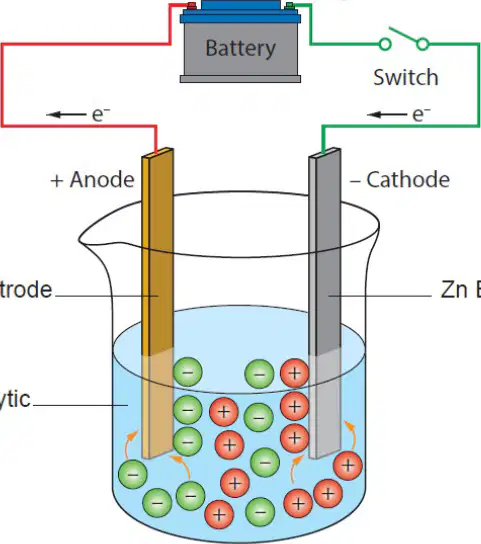
Which electrode is connected to the positive terminal of the battery?
Zn Electrode
Cu Electrode
Both electrodes
Neither electrode
What is an electrolyte?
A covalently bonded substance that contains neutral atoms
An ionically bonded substance that is either molten or dissolved in water so that the ions are free to move when a current is passed through it
A solid metal
A gas
Fill in the blank: Covalently bonded compounds cannot act as ________ because they contain neutral atoms.
electrolytes
solvents
catalysts
oxidizers
During electrolysis, positively charged ions (cations) move to which electrode?
Positive electrode (anode)
Negative electrode (cathode)
Both electrodes
They do not move
During electrolysis, negatively charged ions (anions) move to the ________ electrode (anode).
positive
negative
neutral
grounded
The cations and anions move through the electrolyte during electrolysis.
True
False
What is electroplating? Electroplating is an electrolytic process in which a metal is _______ from an electrode and deposited over a metallic or non-metallic surface.
disassociated
oxidized
evaporated
dissolved
What is the main purpose of electroplating?
To increase the weight of metals
To protect metals from corrosion by atmospheric air and moisture
To make metals magnetic
To change the color of metals
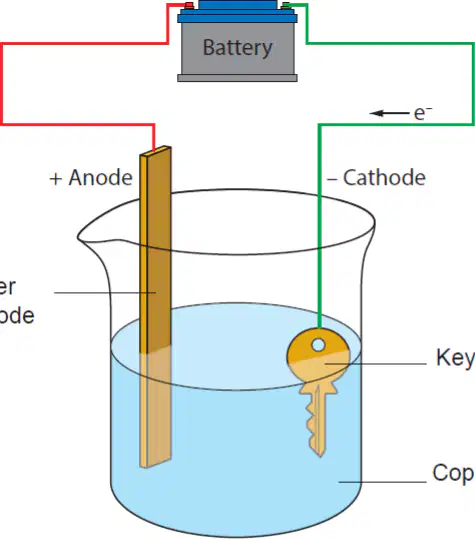
Refer to the diagram of electroplating with copper. Which electrode is connected to the positive terminal of the battery?
Key
Copper electrode
Copper sulphate
Battery

In the electroplating process shown, what is the electrolyte used?
Copper sulphate
Sodium chloride
Potassium nitrate
Zinc sulphate
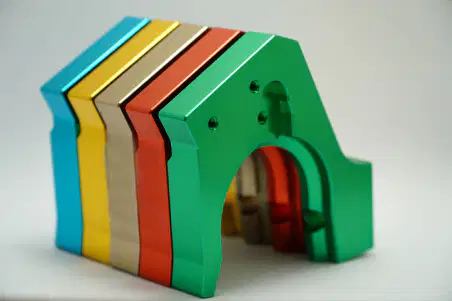
What is the process of deposition of an oxide film on a metal surface by electrolysis called?
Galvanising
Anodising
Plating
Painting

Anodising is mainly used to increase the thickness of the natural ______ layer on the surface of metallic parts.
oxide
sulfide
chloride
nitrate
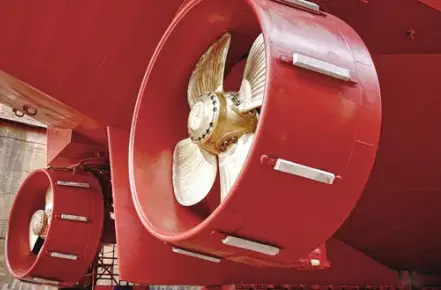
What does galvanic cathodic protection involve?

The coating used in galvanic protection is called the ________ or sacrificial anode.
galvanic
cathodic
electrolytic
passive
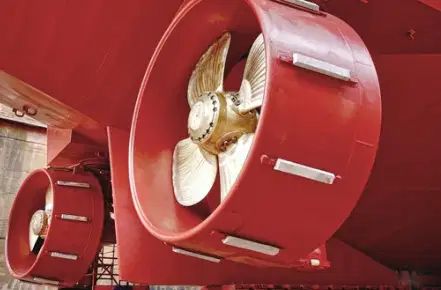
The zinc layer in galvanized steel acts to cathodically protect steel against corrosion.
True
False
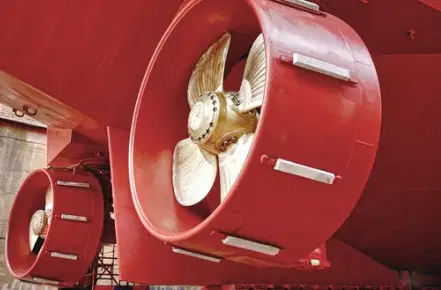
Which metal is commonly used to galvanize steel?
Copper
Zinc
Aluminum
Iron
What is produced when acids react with some metals?
Salt and hydrogen gas
Water and oxygen gas
Salt and carbon dioxide
Water and hydrogen gas
Fill in the blank: The general reaction between a metal and an acid can be written as ________.
metal + acid → salt + hydrogen
metal + acid → water + oxygen
metal + acid → metal oxide + hydrogen
metal + acid → salt + carbon dioxide
What happens to a metal when it is put into acid?
It gets larger
It gets smaller as it is used up during the chemical reaction
It changes color
It melts
What are the bubbles of gas seen when a metal reacts with acid?
Oxygen gas
Carbon dioxide
Hydrogen gas
Nitrogen gas
Which of the following metals is very reactive and easily takes part in chemical reactions?
Gold
Potassium
Silver
Copper
Which of the following metals is very unreactive and does not easily take part in chemical reactions?
Potassium
Gold
Iron
Zinc
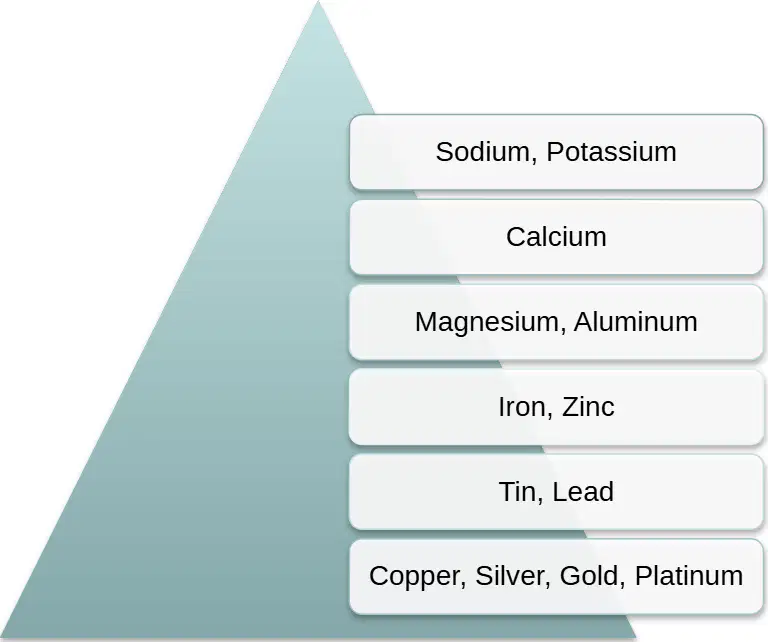
According to the reactivity series shown, which of the following metals are the most reactive?
A) Iron, Zinc
B) Sodium, Potassium
C) Copper, Silver
D) Tin, Lead
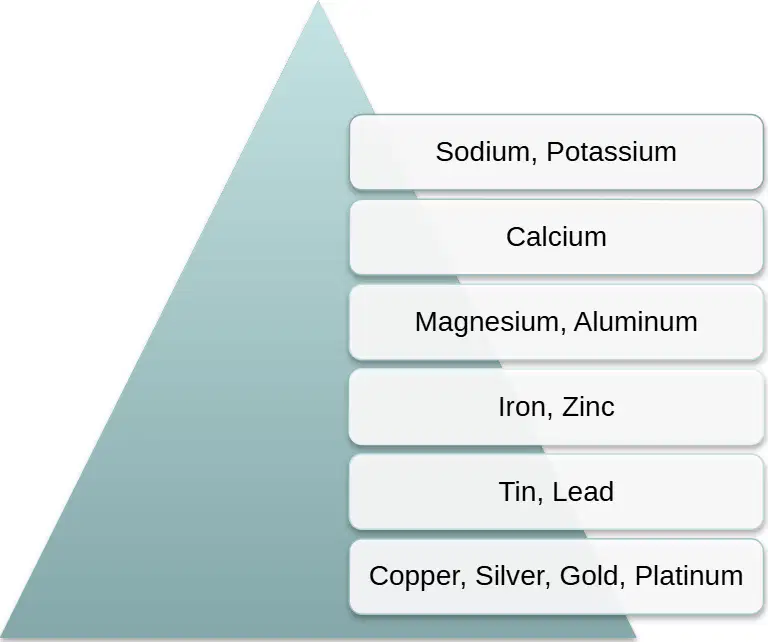
According to the reactivity series shown, which group of metals is the least reactive?
Magnesium, Aluminum
Calcium
Copper, Silver, Gold, Platinum
Tin, Lead
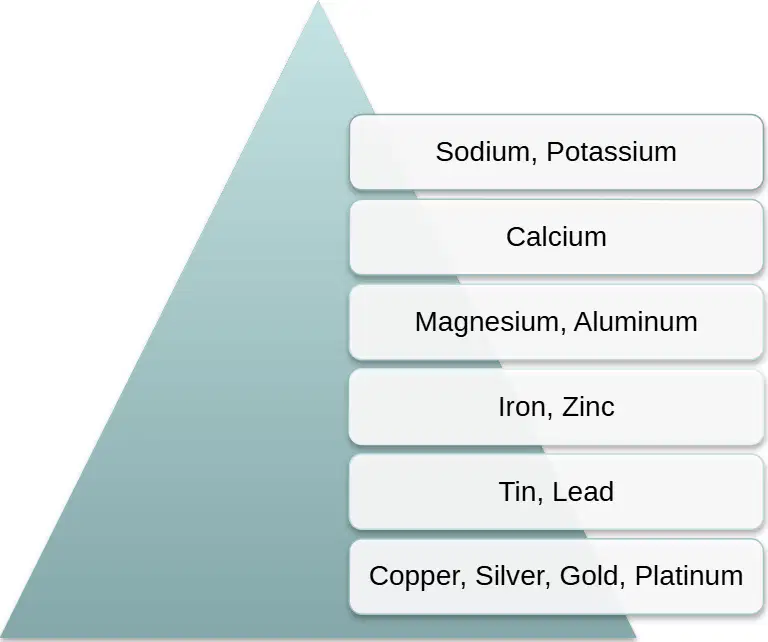
Fill in the blank: In the reactivity series, ________ and ________ are more reactive than Iron and Zinc.
Magnesium, Aluminum
Copper, Silver
Lead, Gold
Nickel, Tin
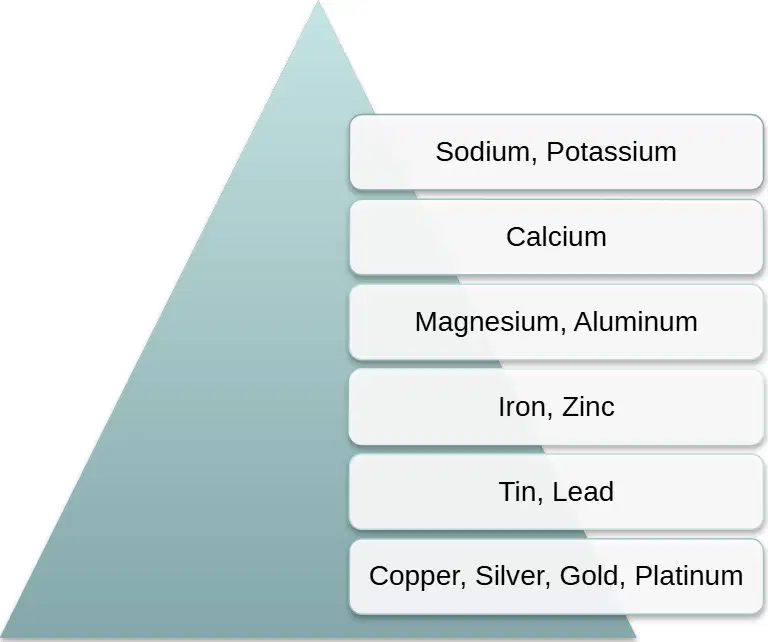
Which of the following metals is more reactive than Tin and Lead but less reactive than Calcium?
Iron
Gold
Potassium
Lead
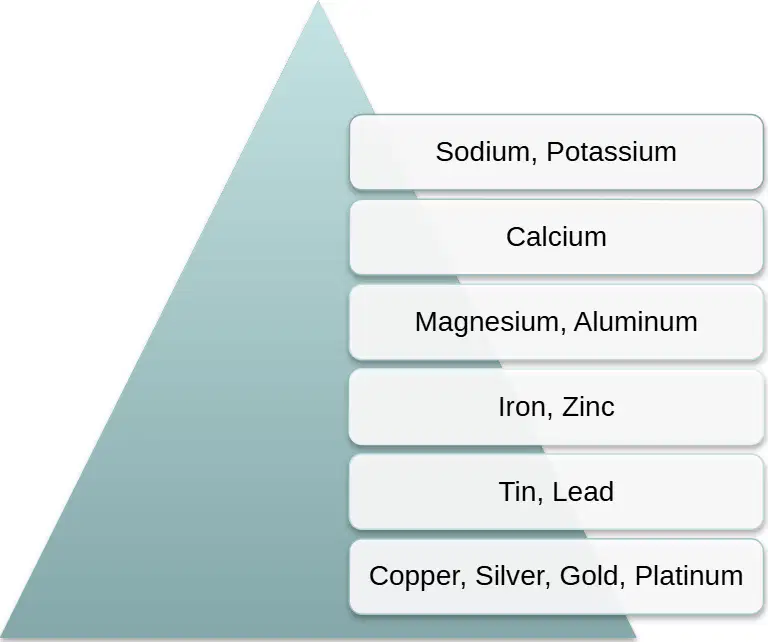
Fill in the blank: According to the reactivity series, ________ is less reactive than Magnesium and Aluminum but more reactive than Tin and Lead.
Iron, Zinc
Copper, Silver
Gold, Platinum
Tin, Lead
What is the reaction of Potassium with dilute acids?
Violent reaction
No reaction
Slow reaction
Mild reaction
What is the reaction of Sodium with dilute acids?
Violent reaction
No reaction
Slow reaction
Mild reaction
What is the reaction of Calcium with dilute acids?
Rapid bubbling
No reaction
Formation of a precipitate
Slow color change
What is the reaction of Magnesium with dilute acids?
Rapid bubbling
No reaction
Slow color change
Formation of a precipitate
Release of a pungent smell
What is the reaction of Aluminum with dilute acids?
Rapid bubbling with a slow start
No reaction at all
Immediate vigorous explosion
Formation of a white precipitate
What is the reaction of Zinc with dilute acids?
Rapid bubbling
No reaction
Formation of a green precipitate
Emission of a foul smell
What is the reaction of Iron with dilute acids?
Slow bubbling
No reaction
Rapid explosion
Formation of green gas
Iron melts
What is the reaction of Tin with dilute acids?
Slow bubbling
Rapid fizzing
No reaction
Formation of a precipitate
What is the reaction of Lead with dilute acids?
Very slow bubbling
Rapid effervescence
No reaction at all
Formation of a white precipitate
What is the reaction of Copper with dilute acids?
No reaction
Copper dissolves and forms a blue solution
Copper reacts vigorously producing hydrogen gas
Copper turns into a black powder
What is the reaction of Silver with dilute acids?
No reaction
Silver dissolves forming silver nitrate
Silver reacts vigorously producing hydrogen gas
Silver forms a precipitate with the acid
What is the reaction of Gold with dilute acids?
No reaction
Gold dissolves forming gold chloride
Gold reacts vigorously producing hydrogen gas
Gold forms a precipitate with acid
What is the reaction of Platinum with dilute acids?
No reaction
Forms platinum chloride
Releases hydrogen gas
Forms platinum sulfate
What is an alloy?
A pure metal
A mixture of two or more metals
A type of acid
A type of alkali
Whether an alloy reacts with an acid or alkali depends on what the alloy is made of.
True
False
If the alloy mixture contains an element that is more reactive than the other element within the alloy, then the reaction would be less vigorous compared with that of a single element.
True
False
Which of the following is NOT an example of an alloy?
Brass
Bronze
Stainless steel
Pure gold
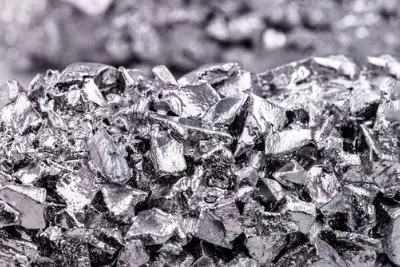
Identify the alloy shown in the image.
Titanium alloy
Brass
Bronze
Stainless steel

High risk operations: Being aware of how metals react with acids and alkalis is important. Many metals are corroded by acids because they react with them to produce which gas?
Oxygen
Nitrogen
Hydrogen
Carbon dioxide

Name one factor that determines whether a reaction between a metal and an acid or alkali will occur.
the acid / the metal / whether the acid or alkali is concentrated or dilute
the temperature of the room
the color of the metal
the shape of the container

High risk operations: The hydrogen produced during the reaction between a metal and an acid is lighter than air and is likely to produce a flammable/explosive atmosphere in a confined space.
True
False
Fill in the blank: ________ can be used to improve aesthetics or reduce corrosion in engineering.
Electroplating
Welding
Casting
Forging
Fill in the blank: ________ can be used to protect metal parts from corrosion in engineering.
Galvanic protection
Electroplating
Painting
Lubrication
Fill in the blank: ________ by reaction with acids or alkalis is used to make markings or create features on metal surfaces by reacting away unwanted material.
Chemical etching
Electroplating
Anodizing
Galvanizing

What is chemical etching used for on a circuit board?
To make copper traces to connect different components
To paint the board
To add insulation
To solder components
Chemical etching is used to change the texture of a surface. Which of the following is NOT a reason for using chemical etching?
A) To increase the roughness of a surface (for aesthetics or grip)
B) To improve the effectiveness of bonding
C) To facilitate the retention of oils and lubricants
D) To make a surface less rough to reduce friction and lubrication requirements
Fill in the blank: Chemical etching can be used to increase the _______ of a surface for aesthetics or grip.
roughness
temperature
color
weight
Fill in the blank: Chemical etching can improve the effectiveness of _______.
bonding
painting
insulation
lubrication
Fill in the blank: Chemical etching can facilitate the retention of oils and _______.
lubricants
acids
solvents
salts

