
 Worksheets
Q2W5 HWK Cell Membrane and Transport
Total questions: 26
Worksheet time: 1hrs 18mins
Which part of the cell membrane forms a double layer and makes up most of the cell membrane?
Cholesterol
Channel proteins
Phospholipids
Carbohydrates
What is the main function of cholesterol in the cell membrane?
Forms a double layer and makes up most of the cell membrane
Adds fluidity and rigidity by preventing the phospholipids from sticking together
Used for cell identification, communication, and adhesion
Acts like passageways for large or charged molecules
Which component of the cell membrane is primarily responsible for cell identification, communication, and adhesion?
Cholesterol
Channel proteins
Phospholipids
Carbohydrates
Channel proteins in the cell membrane serve which of the following functions?
Form a double layer and make up most of the cell membrane
Add fluidity and rigidity by preventing the phospholipids from sticking together
Used for cell identification, communication, and adhesion
Act like passageways for large or charged molecules
A scientist is studying a cell membrane and notices that certain molecules are able to pass through the membrane only with the help of specific proteins. Which part of the membrane is most likely responsible for this function?
Cholesterol
Channel proteins
Phospholipids
Carbohydrates
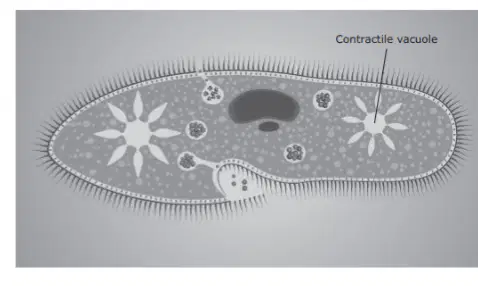
What conditions cause the contractile vacuole to fill with water?
The concentration of water is greater outside the cell than inside the cell.
The temperature of water in the vacuole is higher than the temperature of its environment.
The concentration of water inside the cell is the same as the concentration outside the cell.
The temperature of water in the vacuole is lower than the temperature of its environment.
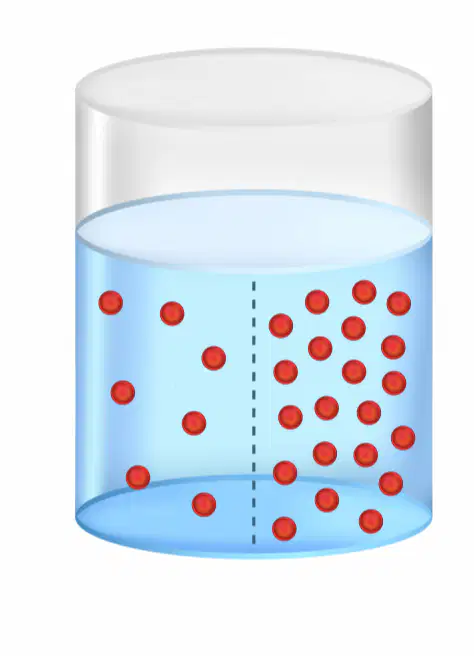
Which statement is an example of osmosis?
A substance other than water moves through a cell membrane to enter a cell.
A water molecule moves through a cell membrane to enter a cell.
A cell membrane only allows water molecules to exit a cell.
A cell membrane blocks all molecules from entering or exiting a cell.
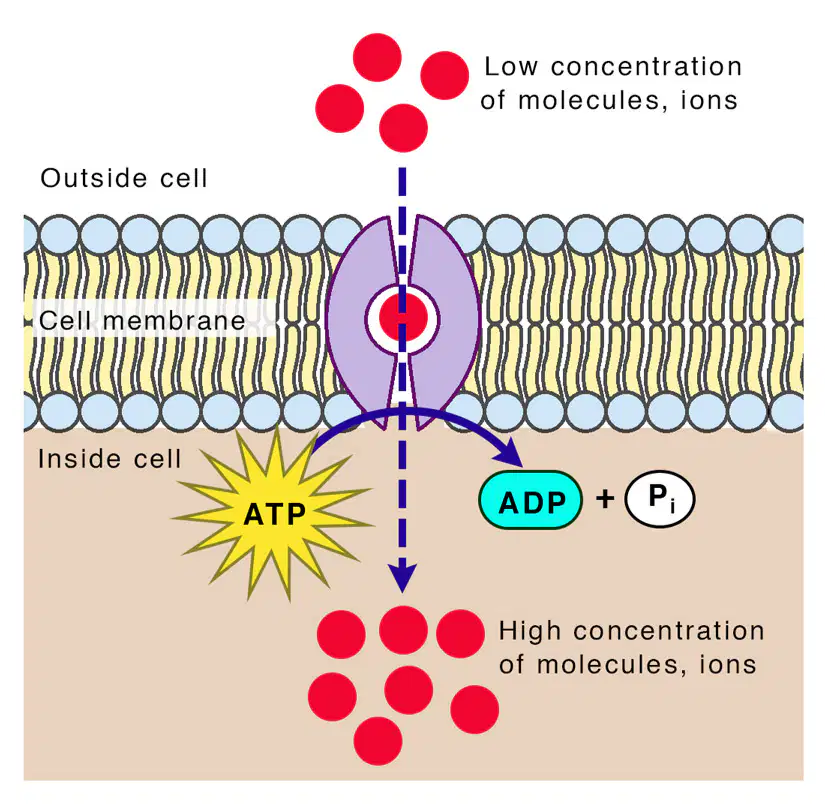
When energy is required to move certain molecules across the cell membrane it is called --
Diffusion
Active Transport
Passive Transport
Osmosis
What part of a cell allows it to recognize different substances in the outside environment?
Nucleus
Lysosomes
Cell membrane
Endoplasmic reticulum

Which type of solution causes red blood cells to shrink due to water leaving the cell?
Hypertonic
Hypotonic
Isotonic
Neutral
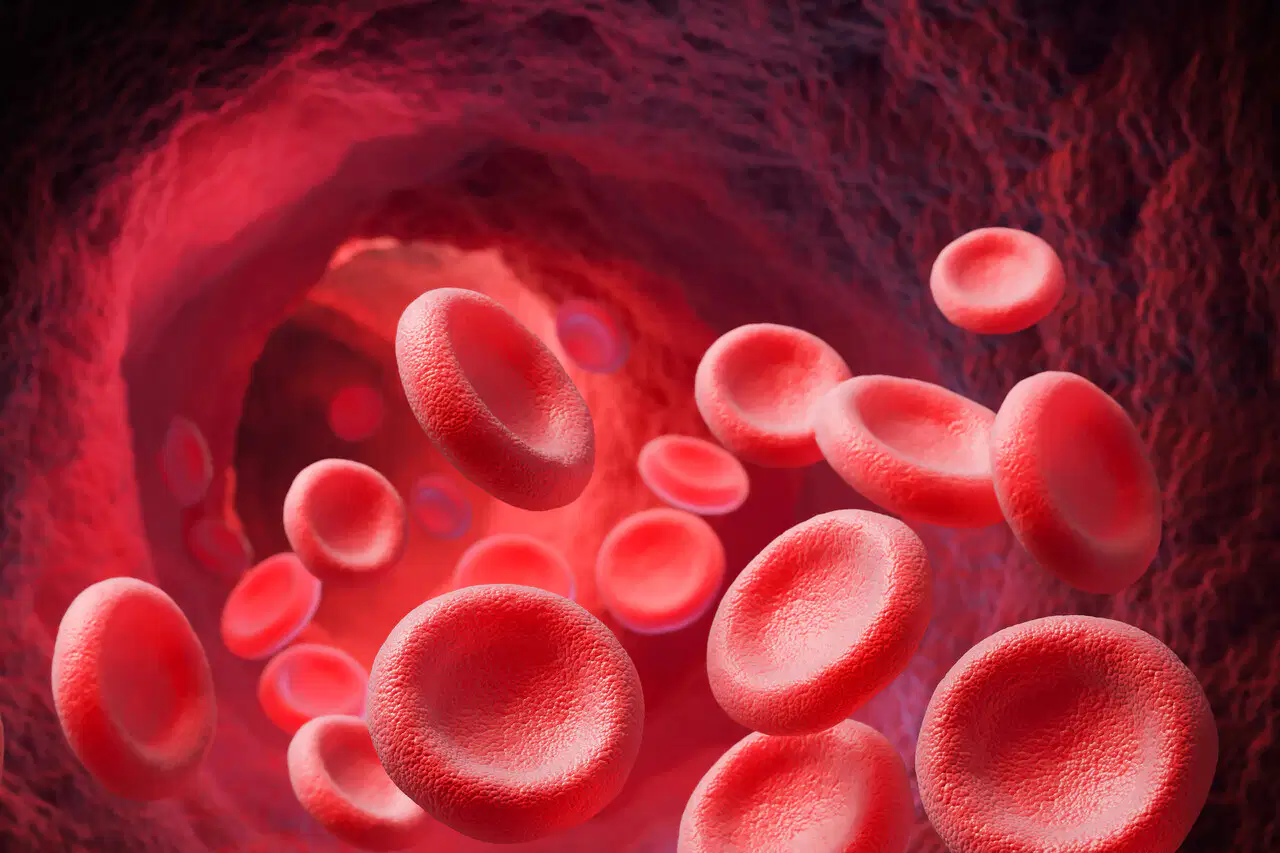
What happens to red blood cells when placed in a hypotonic solution?
They shrink
They swell
They remain the same size
They dissolve
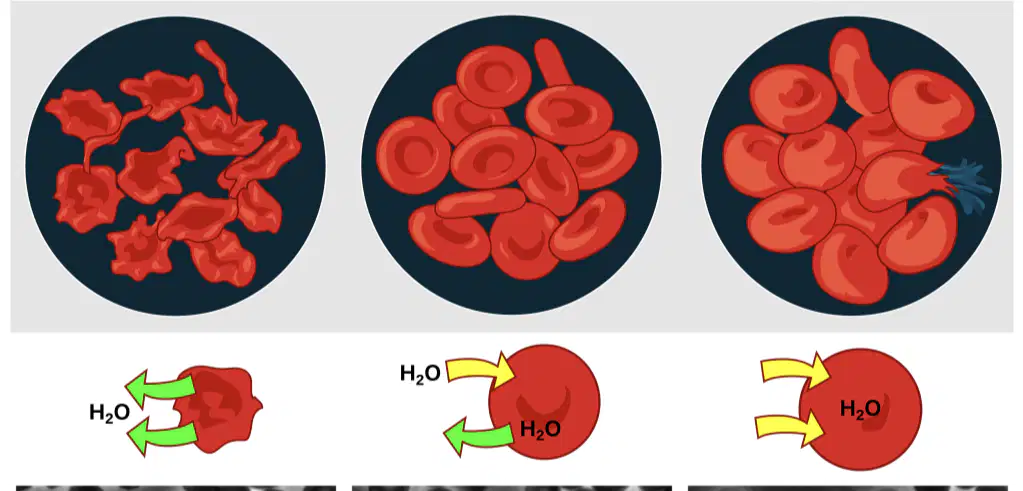
In which type of solution do red blood cells maintain their normal shape because water moves in and out at equal rates?
Hypertonic
Hypotonic
Isotonic
Acidic
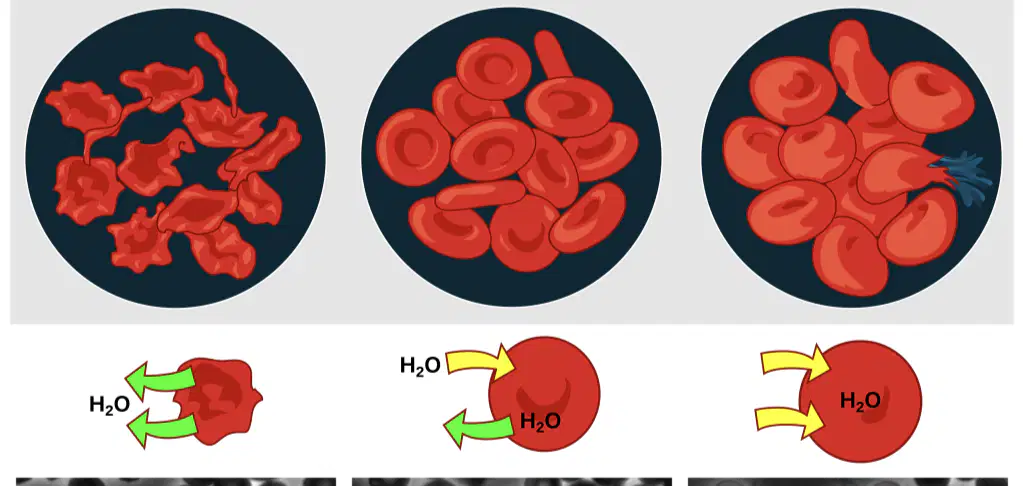
A student observes that red blood cells neither swell nor shrink in a certain solution. Which type of environment is most likely present?
Hypertonic
Hypotonic
Isotonic
Supersonic
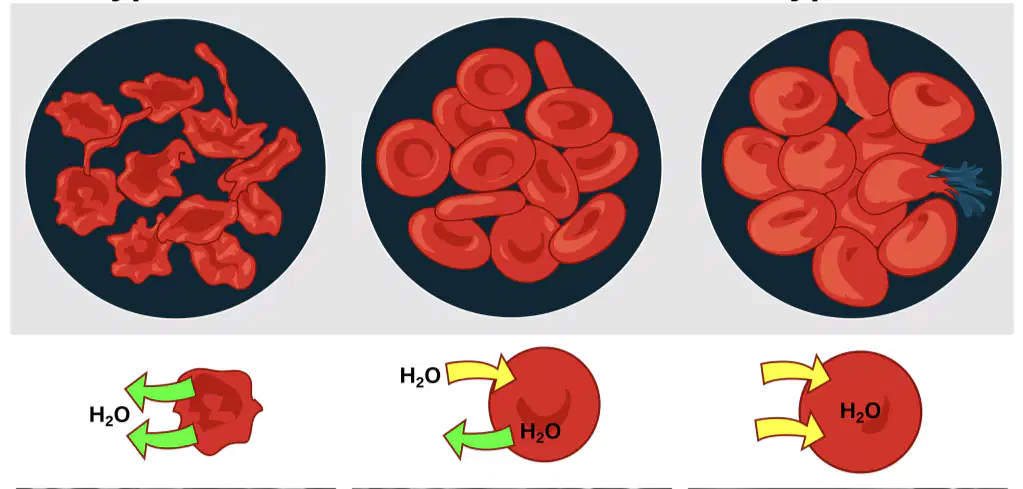
If a red blood cell is placed in a hypertonic solution, what is the direction of water movement?
Water moves into the cell
Water moves out of the cell
Water does not move
Water moves in both directions equally
When there is a lower concentration of water outside of a plant cell rather than inside a plant cell, the plant will tend to —
lose water and wilt
grow toward the sun
gain water and become rigid
increase its rate of photosynthesis

The diagram illustrates the activity of vesicles during a cellular process. Which type of cellular process is occurring?
exocytosis
osmosis
diffusion
endocytosis
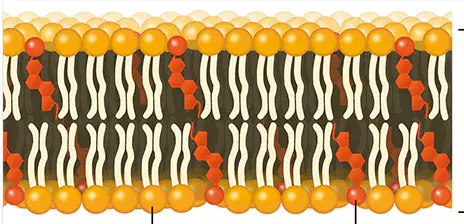
In the diagram above, this molecule aids in membrane flexibility
phospholipid
glycoprotein
channel protein
cholesterol
Which two macromolecules make up most of the cell membrane?
Phospholipids
Proteins
Carbohydrates
Nucleic acids

Transmembrane proteins span the width of cell membranes. Four types of transmembrane proteins are shown in a section of cell membrane. Although these proteins have different specific functions, they all —
stop chemical reactions within the cell
synthesize molecules that signal other cells
help the cell interact with its external environment
remove large waste particles from the cytoplasm of the cell
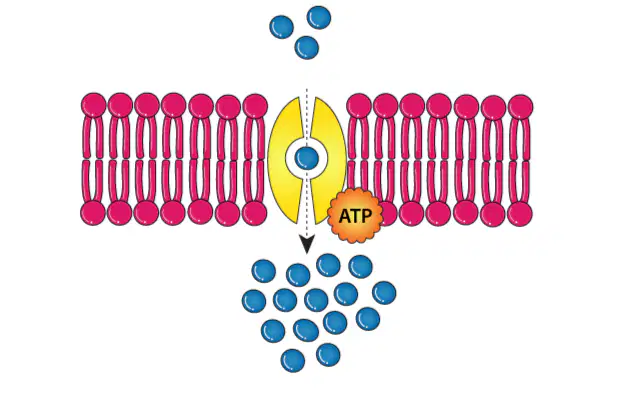
A type of cellular transport is shown. Which description best identifies this type of cellular transport?
Active transport, because energy is being used to move molecules against the concentration gradient
Facilitated diffusion, because energy is being used to move molecules with the concentration gradient
Osmosis, because energy is not being used to move molecules with the concentration gradient
Endocytosis, because energy is not being used to move molecules against the concentration gradient
The cell membrane contains channels and receptors that help move materials from one side to the other. What are these channels made of?
carbohydrates
lipids
bilipids
proteins
What is the term that means: allowing certain particles to enter, while keeping others out?
facilitated diffusion
homeostasis
selectively permeable
concentration gradient
Which of the following is a major component of the cell membrane that forms a bilayer structure?
Phospholipid
Carbohydrate
Cholesterol
Protein
What is the function of cholesterol in the cell membrane?
Provides energy for the cell
Helps maintain membrane fluidity and stability
Acts as a receptor for signaling molecules
Forms the main structural framework of the membrane
Which part of the cell membrane is primarily responsible for cell recognition and communication?
Protein
Cholesterol
Carbohydrate
Phospholipid
Proteins in the cell membrane can serve as which of the following?
Energy source
Structural support only
Transport channels and receptors
Only enzymes

