
 Worksheets
Kuiz topic 4
Total questions: 13
Worksheet time: 7mins
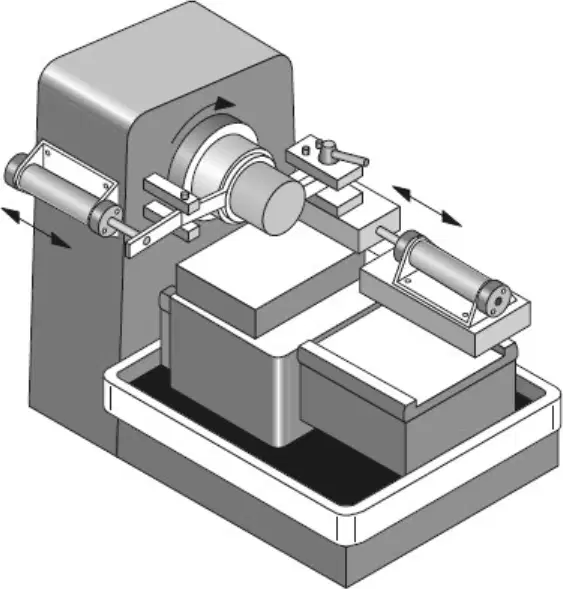
Recall which application category each illustrated machine belongs to. Use the images for reference. Which machine is an example of stationary hydraulics (fixed in one position)?
Lathe
Excavator
Wheel loader
Mobile crane
DoK 1 — Which statement identifies a core advantage of hydraulic systems?
They transmit large forces using small components
They require high starting torque to move light loads
They operate only at constant temperatures
They offer low control and poor regulation
Recall: Which task directly describes how hydraulic fluid moves force through a system? Choose the best answer.
Lubrication of moving parts
Pressure transfer
Corrosion protection
Scuff removal
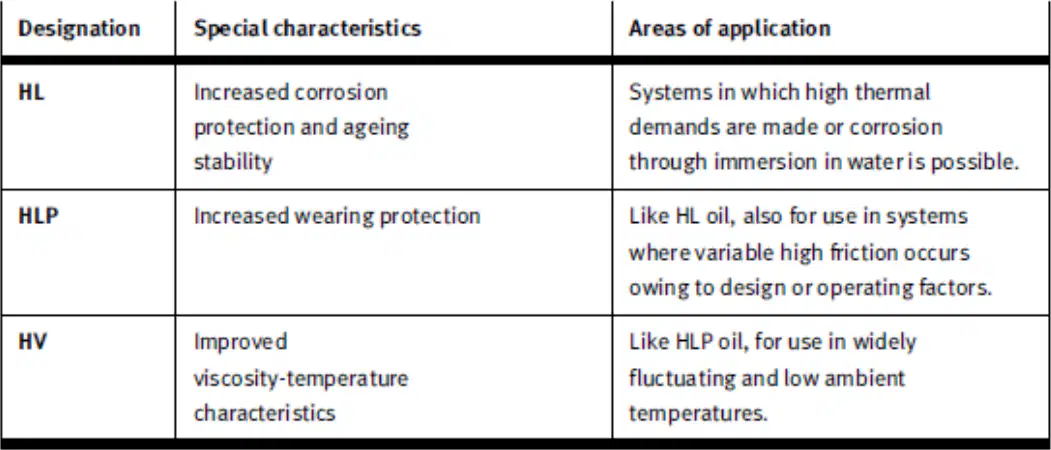
Recall the special characteristic that distinguishes HV hydraulic oil. Choose the best answer.
Increased corrosion protection and ageing stability
Increased wearing protection
Improved viscosity–temperature characteristics
Contains water–oil emulsion
Refer to the slide titled “Characteristics of Hydraulic Fluid” showing bullet points on density and compressibility. Which statement best explains why hydraulic fluids are specified to have the lowest possible density?
Lower density reduces system weight and energy needed to move the fluid, improving efficiency
Lower density increases pressure generation without a pump, boosting force transmission
Lower density prevents cavitation entirely by eliminating air bubbles in the lines
Lower density makes the fluid incompressible, ensuring perfect rigidity
A technician must choose a hydraulic fluid for a system that needs precise control and smooth operation over time. Based on the slides, which combination of properties should the technician prioritize?
Minimal compressibility and optimal viscosity with good aging stability
High compressibility and very low viscosity to reduce friction
High density and high viscosity to increase flow resistance
Minimal density only, since viscosity and stability do not affect control
Based on the listed characteristics, which reason best explains why hydraulic fluids should have low flammability in industrial systems?
To increase operating pressure beyond design limits
To minimize fire hazards and enhance workplace safety
To improve color visibility for maintenance checks
To accelerate heat transfer for faster system warm-up
Refer to the slide titled “Characteristics of Hydraulic Fluid.” Which statement best explains why wear and corrosion protection is essential in hydraulic fluids?
It reduces pump noise by thickening the fluid at high speeds.
It prolongs the lifespan of system components and maintains performance by protecting against wear and corrosion.
It increases water content to improve cooling efficiency in the circuit.
It ensures the fluid emulsifies with contaminants to keep particles suspended.
Recall: In hydraulic engineering, what does the term viscosity most directly describe for a liquid?
Its resistance to flow due to internal friction
Its tendency to evaporate at room temperature
Its ability to conduct electricity through ions
Its density compared to water at 4°C
Skill/Concept: According to international standards, viscosity for hydraulic oils is commonly expressed as kinematic viscosity. Which unit is used for kinematic viscosity in this context?
mm²/s
N·s/m²
Pa
m³/s
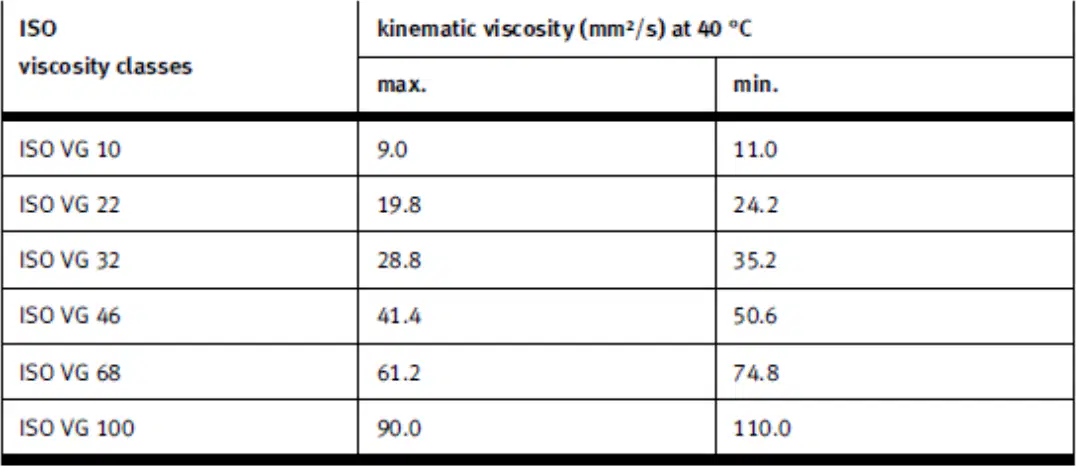
Strategic Thinking: A hydraulic system operates best when oil has a kinematic viscosity between 41.4 and 50.6 mm²/s at 40°C. Based on ISO viscosity classes (DIN 51502), which ISO VG grade most closely matches this requirement? Use the table in the diagram.
ISO VG 32
ISO VG 46
ISO VG 68
ISO VG 100
Refer to the slide titled "Viscosity" that lists bullet points about low and increasing viscosity. Which statement best explains why hydraulic systems often prefer more fluid oil over very viscous oil?
Fluid oil forms a thick lubricating film that never breaks under load, eliminating wear.
Fluid oil reduces friction, leading to smaller pressure and power losses compared to highly viscous oil.
Fluid oil prevents leakage because its viscosity is too low to pass clearances.
Fluid oil increases internal friction, which reduces heat generation in the system.
Looking at the slide on high viscosity effects, what problem is most directly linked to increased friction and heating at throttle points?
Improved cold start performance due to thicker oil.
Easier separation of air bubbles and reduced cavitation.
Excessive pressure losses that can contribute to cavitation.
Complete elimination of leakage in all components.

